
Calmoseptine Ointment

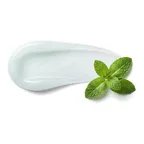 Menthol
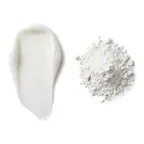 Zinc Oxide
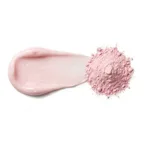 Calamine
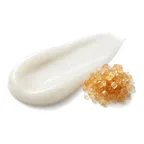 Chlorothymol
 Glycerin
Menthol, zinc oxide, and calamine soothe and protect the skin, so it suits every skin type. Where to buy in Canada: Amazon.ca, CA$217.40.
Each fit is calculated for the concerns frequently associated with that skin type. For scores and recommendations based on your full skin profile, including your 12D face scan results and goals, use the Lovi app.
Updated How the Fit score works
Fit for every skin type
Every skin type Warning
Oily Skin, Dry Skin, Combination Skin, Sensitive Skin, Acne-Prone Skin, Skin with Dark Spots, Mature Skin, Dry Sensitive Skin, Oily Acne-Prone Skin
A poor match for oily skin.
Buy online

Prices checked 22 Nov 2026
The Lovi Fit is the same in every country; only the stores and prices differ, and the ones here are for Canada.
Questions and answers
Why does Lovi advise against Calmoseptine Ointment for oily skin?
Lovi advises against this ointment for oily skin because it lacks the ingredients needed to control shine and keep pores clear. A product for oily skin needs ingredients like salicylic acid, zinc, niacinamide, and sulfur to target excess oil and blemishes without irritation.
Is this cream fragrance-free and alcohol-free?
Yes, it has no fragrance and no drying alcohol.
Why does Lovi advise against Calmoseptine Ointment for dry skin?
Lovi advises against this ointment for dry skin because it is formulated with drying or irritating ingredients that do not match the needs of dry skin. A product of this type needs soothing, gentle ingredients that provide deep hydration and support the skin barrier without causing irritation.
Why does Lovi advise against Calmoseptine Ointment for combination skin?
This ointment is a poor match because it lacks the ingredients needed to balance oily and dry areas on combination skin, such as niacinamide, propolis, or zinc PCA to manage shine and provide proper hydration without irritation.
Why does Lovi advise against Calmoseptine Ointment for sensitive skin?
This ointment is a poor match for sensitive skin because it contains strong ingredients like menthol and phenol that may sting or trigger redness. A product for this skin needs gentle, soothing components and hydrating ingredients like glycerin while avoiding harsh irritants.
Why does Lovi advise against Calmoseptine Ointment for acne-prone skin?
Calmoseptine Ointment is a poor match for acne-prone skin because it is heavy and may clog pores, which can trigger breakouts. Products for this skin need to be lightweight and non-clogging, using ingredients that clear pores and keep skin calm without heavy oils.
Why does Lovi advise against Calmoseptine Ointment for skin with dark spots?
Calmoseptine Ointment is a poor match for skin with dark spots because it lacks the brightening extracts, gentle exfoliants, and sun protection needed to target pigmentation.
Why does Lovi advise against Calmoseptine Ointment for mature skin?
Lovi advises against using Calmoseptine Ointment on mature skin because it lacks the rich hydrating and exfoliating agents, potent antioxidants, and skin-repairing ingredients needed to keep mature skin smooth and address fine lines and wrinkles.
Why does Lovi advise against Calmoseptine Ointment for dry sensitive skin?
Calmoseptine Ointment is a poor match for dry sensitive skin because it lacks the gentle, nourishing, and deeply hydrating ingredients needed to keep dry skin soft, calm, and protected against irritation.
Why does Lovi advise against Calmoseptine Ointment for oily acne-prone skin?
Lovi advises against this ointment for oily acne-prone skin because it is a very heavy barrier product that may clog your pores and lead to more breakouts. A better product for this skin needs lightweight ingredients like salicylic acid, sulfur, niacinamide, or benzoyl peroxide to help clear blemishes and manage excess oil without causing irritation.
What the research says
Tetracaine gel containing both 5% menthol and 70% ethanol provided significantly enhanced skin permeation, analgesia, and lower verbal pain scores compared to other tetracaine gels or EMLA cream in mice and human volunteers.
European Journal of Pharmaceutics and Biopharmaceutics, 2008Cooling skin temperature or applying topical menthol reduced histamine-induced itch intensity and flare diameters in healthy male volunteers.
Neuroscience Letters, 1995Topical application of a methyl salicylate gel with turpentine essence, camphor, and menthol achieved skin penetration and significantly reduced pro-inflammatory gene expression compared to untreated controls in human skin explants.
Farmaceuticos Comunitarios, 2024Topical 0.5% hyaluronic-ZnO nanogel applied twice daily reduced inflammatory-lesion counts by 58% at week four in human subjects compared to baseline without causing erythema.
Biomedicines, 2025Daily use of a deep cleansing gel containing salicylic acid 2%, zinc gluconate 0.2% and lipohydroxy acid 0.05% significantly reduced total lesion count by 56.3% after 84 days in 35 subjects with mild to moderate truncal acne.
Clinical, Cosmetic and Investigational Dermatology, 2023Topical zinc oxide nanogels formulated using Dendrobium anosmum showed greater effectiveness against Gram-positive acne-causing bacteria compared to chemogenic nanoparticles.
Molecules, 2023A single application of a moisturizing fluid containing hyaluronic acid 1%, glycerin 5%, and Centella asiatica stem cells extract significantly increased skin hydration by 29% and reduced transepidermal water loss at 24 hours compared to baseline and an untreated control site in twenty healthy women.
Clinical, Cosmetic and Investigational Dermatology, 2017The emollient V0034CR significantly reduced TEWL compared to vehicle and vehicle plus glycerol, and significantly increased corneometry scores compared to vehicle and vehicle plus petrolatum in healthy volunteers with dry skin, demonstrating combined barrier function improvement from petrolatum and hydration improvement from glycerol.
Journal of Cosmetic Dermatology, 2020Ten days of treatment with a cream containing 20% glycerin significantly increased skin hydration measured by corneometer values in 17 healthy volunteers compared to a placebo cream, but showed no influence on transepidermal water loss or skin sensitivity to an irritating surfactant.
International Journal of Cosmetic Science, 2001
Ingredients
Menthol, Zinc Oxide, Calamine, Chlorothymol, Glycerin, Lanolin, Phenol, Sodium Bicarbonate, Thymol
Behind these fit scores
Lovi calculates every fit score from the full ingredient list with brand-independent rules our dermatologists and cosmetic chemists build and review, and personalizes every pick with AI trained on the real results of millions of users. Lovi trains its fit score models on a proprietary dataset built from more than 10,000 expert-labeled products and more than 100,000 simulated examples, following an internally consistent methodology presented at Cosmoprof, AMWC, and Skin of Color Update.
-

Co-founder, Medical Director
Cosmetic chemist, cosmetologist, aesthetic products developer
-

Co-founder, CEO and CTO
PhD in computer science, 3x US patent holder, ex-Google, ex-Yandex
-

Dr. Sofía Perea Pérez, MD, MSc
Medical Board
Aesthetic medicine practitioner, MSc in Longevity and Anti-Aging Medicine
-

Medical Board
Specialist dermatologist, MBBS, MD, IFAAD
-

Medical Board
Cosmetic chemist, SCS, IFSCC member
-

Medical Board, Medical Advisor
Dermatology MD
-

Elina Nazarenko, MD
Medical Board
Dermatology and diagnostic consultant
-

Victoria Derkova, MS
Medical Board
Cosmetic chemist, cosmetic development technologist


How does it fit your skin?
Scan your face, then any product: Lovi shows how well it fits you and what fits even better.