SkinCeuticals Retinol 1.0 Maximum Strength Refining Night Cream for sensitive skin

 Retinol
 Glycerin
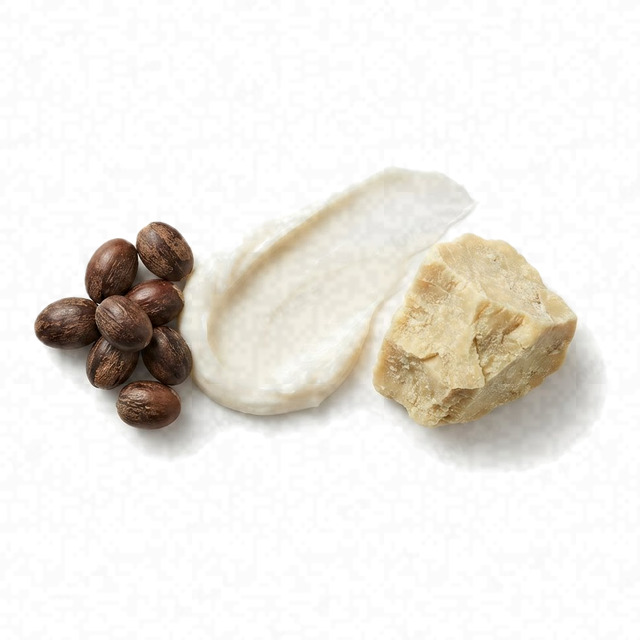 Butyrospermum Parkii Butter Shea Butter
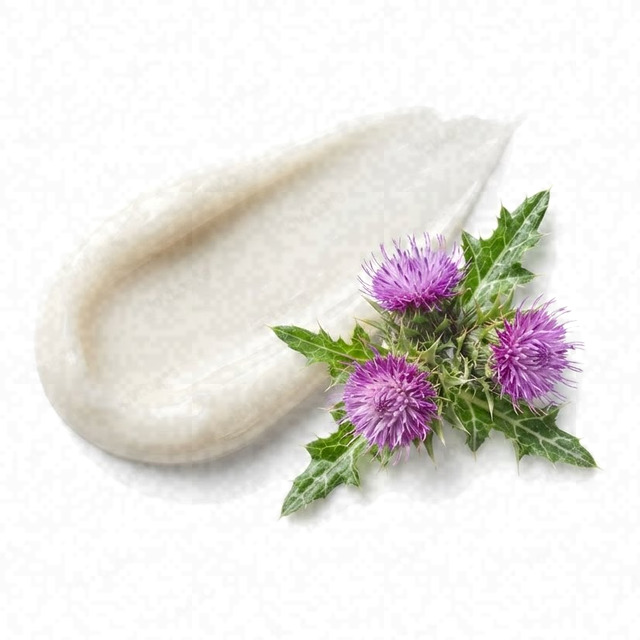 Silybum Marianum Milk Extract
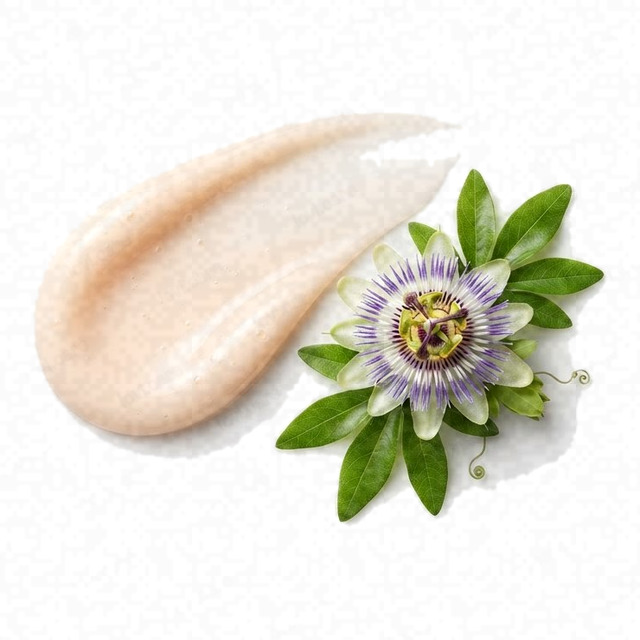 Passiflora Incarnata Extract
Average
- HighNormal Skin Fit
- AverageEffectiveness
- ConcerningSafety
Works for sensitive skin; other serums fit it better.
This fit is calculated for the concerns frequently associated with sensitive skin: redness, stinging, and reactions to new products. For scores and recommendations based on your full skin profile, including your 12D face scan results and any goals or preferences you have, please use the Lovi app.
Page built Nov 8, 2026How the Fit score works
Lovi Assistant explains
- Offers moderate skin refinement for your normal skin due to retinol's ability to smooth texture and minimize fine lines, while bisabolol provides some anti-inflammatory benefits for redness.
- The high concentration of retinol, however, poses a significant risk of worsening your skin's sensitivity and irritation.
How to apply
- Use your serum in the PM routine, starting 3 times a week before building up to daily use if your skin is happy.
- Apply the serum after cleansing and toning, but before putting on your moisturizer for the best results.
- Gently press 2-3 drops of the serum into your skin and wait a minute ⏱ for it to soak in.
- Since your skin is sensitive and easily irritated, apply the serum on completely dry skin to help keep it calm.
- Always do a patch test before your first use and avoid getting the serum too close to your eyes .
People Say
★4.6Overall rating based on 2.3k+ reviewsBased on a very large amount of data, users consistently describe this cream as a powerhouse professional-grade treatment that delivers dramatic improvements in skin texture, clarity, and firmness, often outperforming prescription alternatives. While the results are highly praised, the majority of reviews emphasize that the retinization period—characterized by peeling, redness, and dryness—is intense and requires a slow, careful introduction to the routine.
Highlights
Effective anti-aging Mostly Mentioned
- “Lines around mouth vanished”
- “Forehead wrinkles significantly reduced”
- “Skin looks years younger”
Refines skin texture Mostly Mentioned
- “Texture is completely gone”
- “Skin feels like porcelain”
- “Smoothest my face has ever been”
Clears acne & pores Often Mentioned
- “Stopped my hormonal breakouts”
- “Pores look invisible now”
- “Faded dark spots from old acne”
Intense irritation Often Mentioned
- “Face peeled like a snake”
- “Burned my sensitive skin”
- “Redness lasted for days”
Fast-acting results Sometimes Noted
- “Saw difference in one week”
- “Woke up glowing”
- “Works faster than other brands”
Drying formula Sometimes Noted
- “Sucked moisture out of skin”
- “Must use heavy cream after”
- “Too drying for winter”
High price point Sometimes Noted
- “Hard on the wallet”
- “Very expensive for the size”
- “Wish it was cheaper”
Packaging design flaws Rarely Noted
- “Metal tube split on the side”
- “Product oozed out of cap”
- “Packaging is frustrating”
Sources: lovi.care, skinceuticals.com, dermstore.com, lovelyskin.com, bluemercury.com, amazon.com, and more
Questions and answers
How well does SkinCeuticals Retinol 1.0 work for sensitive skin?
SkinCeuticals Retinol 1.0 Maximum Strength Refining Night Cream works moderately well for sensitive skin to smooth texture and minimize fine lines, but its high retinol concentration poses a significant risk of worsening irritation. A product for this skin needs soothing antioxidants, gentle hydrating components, and skin-repairing ingredients that calm redness without any risk of unsuitability.
Which ingredients make this cream a good fit for sensitive skin?
Bisabolol helps provide calming benefits for redness, while glycerin helps keep dry skin hydrated. Sensitive skin of this type needs products with gentle antioxidants, hydrating ingredients, and soothing agents that calm redness and irritation without any risk of causing stinging or scaling.
What does Retinol do for sensitive skin?
Retinol is generally too harsh for sensitive skin and may cause stinging, scaling, and irritation. A product for this skin needs gentle ingredients that smooth and calm without causing redness.
The British Journal of Dermatology, 2019Toxicology Letters, 2003
What does Glycerin do for sensitive skin?
Glycerin helps keep sensitive skin soft and deeply hydrated while supporting the skin barrier. It is unlikely to cause irritation and may protect against dryness and roughness.
The British Journal of Dermatology, 2008Acta Dermato-venereologica, 1999
Where does this cream go in a skincare routine for sensitive skin?
This cream goes in the evening routine after your soothing toner and before your moisturizer, but because of its high retinol strength, sensitive skin needs a product with calming ingredients like bisabolol and soothing plant extracts to keep irritation low.
Can I use this cream with glycolic acid, and in what order?
Using this cream with glycolic acid may easily irritate your sensitive skin, so it is best to avoid using them together. If you do want to use both, apply the glycolic acid first on different nights from this cream to help lower the chance of redness and discomfort.
How often should I use this cream?
This high-strength retinol cream carries a significant risk of worsening sensitive skin, so you should start using it just once a week to see how your skin reacts. If your skin tolerates it well and stays calm, you may carefully increase how often you apply it. Sensitive skin needs gentle, fragrance-free products packed with soothing hydrators like glycerin and shea butter to keep it soft and comfortable.
Can this cream clog pores, cause breakouts or purging for sensitive skin?
This cream may cause redness, flaking and irritation on sensitive skin due to its high strength of retinol. To work well for this skin type, a product of this type needs soothing ingredients and a lower strength that calms the skin without causing breakouts.
Is this cream fragrance-free and alcohol-free?
Yes, it has no fragrance and no drying alcohol.
What the research says
Topical 0.4% retinol significantly increased epidermal thickness, dermal vascularity, and extracellular matrix production by stimulating keratinocyte proliferation, endothelial cell proliferation, and fibroblast activation in naturally aged human skin compared to vehicle.
International Journal of Cosmetic Science, 2017Topical bakuchiol 0.5% applied twice daily compared with retinol 0.5% applied daily significantly decreased wrinkle surface area and hyperpigmentation with no statistical difference between the compounds in 44 patients over 12 weeks, while retinol users reported more facial skin scaling and stinging.
The British Journal of Dermatology, 2019Silicone particles encapsulating retinol increased its half-life by 9-fold and yielded 12-23% lower skin irritation in human subjects compared to Microsponge particles while maintaining biological activity.
Journal of Controlled Release, 2018Topical stabilized retinol treatment induced HAS gene expression and increased hyaluronic acid production in human skin in vitro, ex vivo, and in vivo compared to vehicle.
Archives of Dermatological Research, 2017Topical application of all-trans-retinol induced epidermal thickening and increased retinoid binding protein expression similar to all-trans-retinoic acid in normal human skin, but without causing significant erythema or measurable retinoic acid levels.
The Journal of Investigative Dermatology, 1995A single application of a moisturizing fluid containing hyaluronic acid 1%, glycerin 5%, and Centella asiatica stem cells extract significantly increased skin hydration by 29% and reduced transepidermal water loss at 24 hours compared to baseline and an untreated control site in twenty healthy women.
Clinical, Cosmetic and Investigational Dermatology, 2017The emollient V0034CR significantly reduced TEWL compared to vehicle and vehicle plus glycerol, and significantly increased corneometry scores compared to vehicle and vehicle plus petrolatum in healthy volunteers with dry skin, demonstrating combined barrier function improvement from petrolatum and hydration improvement from glycerol.
Journal of Cosmetic Dermatology, 2020Ten days of treatment with a cream containing 20% glycerin significantly increased skin hydration measured by corneometer values in 17 healthy volunteers compared to a placebo cream, but showed no influence on transepidermal water loss or skin sensitivity to an irritating surfactant.
International Journal of Cosmetic Science, 2001A combination cream of stimu-tex AS and saccharide isomerate reduced erythema, increased skin capacitance, and reduced transepidermal water loss compared to placebo in 20 subjects after fractional CO2 laser procedure without causing serious adverse events.
Lasers in Medical Science, 2025A skin barrier restoring cream with shea butter, silkflo, and vitamin E increased type I procollagen synthesis, enhanced antioxidant enzyme activity, decreased reactive oxygen species generation, and promoted hyaluronic acid production in H2O2-stimulated human keratinocyte cells compared to untreated cells.
International Journal of Cosmetic Science, 2025Silybum marianum flower extract increased human hair follicle dermal papilla cell proliferation and VEGF production while suppressing cellular senescence, and in a clinical study using hair shampoo, it significantly increased hair density and total hair count at 16 and 24 weeks compared with a placebo group.
Journal of Cosmetic Dermatology, 2024Topical 0.5% silymarin-loaded antioxidant serum applied twice daily significantly reduced clinical acne severity, lesion counts, and melanin pigmentation in 22 Korean acne patients over 4 weeks without associated adverse events.
Journal of Cosmetic Dermatology, 2023Topical silymarin cream 1.4% showed comparable results to salicylic acid 30% peels in reducing acne severity in 30 patients with mild to moderate acne vulgaris.
Journal of Cutaneous Medicine and Surgery, 2024Topical chrysin nanoemulgel improved percutaneous absorption and in vitro cytotoxicity on A375 and SK-MEL-2 cell lines compared to unformulated chrysin, demonstrating effective localized transcutaneous delivery.
Pharmaceutics, 2021Chrysin attenuated apoptosis, ROS production, COX-2 expression, and AQP-3 down-regulation induced by UVB and UVA in HaCaT keratinocytes, while showing efficient percutaneous absorption and no skin irritation in animal studies.
Journal of Agricultural and Food Chemistry, 2011Chrysin treatment reduced injury area and inflammation while increasing bFGF secretion, promoting the healing of amiodarone extravasation-induced skin injury in rats compared to control and 10% DMSO groups.
Microvascular Research, 2022
Why other serums fit sensitive skin better
- Retinol in this serum
Topical bakuchiol 0.5% applied twice daily compared with retinol 0.5% applied daily significantly decreased wrinkle surface area and hyperpigmentation with no statistical difference between the compounds in 44 patients over 12 weeks, while retinol users reported more facial skin scaling and stinging.
The British Journal of Dermatology, 2019
Ingredients
Water, Cyclomethicone, Cyclopentasiloxane, Propylene Glycol, Polysorbate 20, Allyl Methacrylate Crosspolymer, Hydrogenated Lecithin, Caprylic Capric Triglyceride, Butyrospermum Parkii Butter Shea Butter, Dimethiconol, Dimethicone, Dimethicone Peg-7 Isostearate, Retinol, Laureth-23, Laureth-4, Sodium Polyacrylate, Dimethicone Crosspolymer, Glycerin, Polyacrylamide, C13-14 Isoparaffin, Bht, Bisabolol, Tetrasodium Edta, Passiflora Incarnata Flower Extract, Rosa Canina Leaf Extract, Silybum Marianum Fruit Extract, Hypericum Perforatum Extract, Chamomilla Recutita Leaf Extract Matricaria Leaf Extract, Citric Acid, Methylisothiazolinone
Behind this fit score
Lovi calculates every fit score from the full ingredient list with brand-independent rules our dermatologists and cosmetic chemists build and review, and personalizes every pick with AI trained on the real results of millions of users. Lovi trains its fit score models on a proprietary dataset built from more than 10,000 expert-labeled products and more than 100,000 simulated examples, following an internally consistent methodology presented at Cosmoprof, AMWC, and Skin of Color Update.
-

Co-founder, Medical Director
Cosmetic chemist, cosmetologist, aesthetic products developer
-

Co-founder, CEO and CTO
PhD in computer science, 3x US patent holder, ex-Google, ex-Yandex
-

Dr. Sofía Perea Pérez, MD, MSc
Medical Board
Aesthetic medicine practitioner, MSc in Longevity and Anti-Aging Medicine
-

Medical Board
Specialist dermatologist, MBBS, MD, IFAAD
-

Medical Board
Cosmetic chemist, SCS, IFSCC member
-

Medical Board, Medical Advisor
Dermatology MD
-

Elina Nazarenko, MD
Medical Board
Dermatology and diagnostic consultant
-

Victoria Derkova, MS
Medical Board
Cosmetic chemist, cosmetic development technologist


How does it fit your skin?
Scan your face, then any product: Lovi shows how well it fits you and what fits even better.