NEOCUTIS lumière for oily acne-prone skin

 Hyaluronic Acid
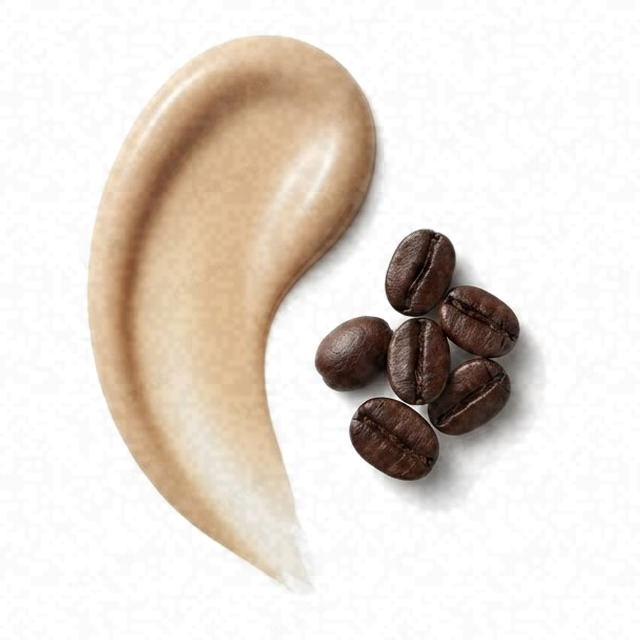 Caffeine
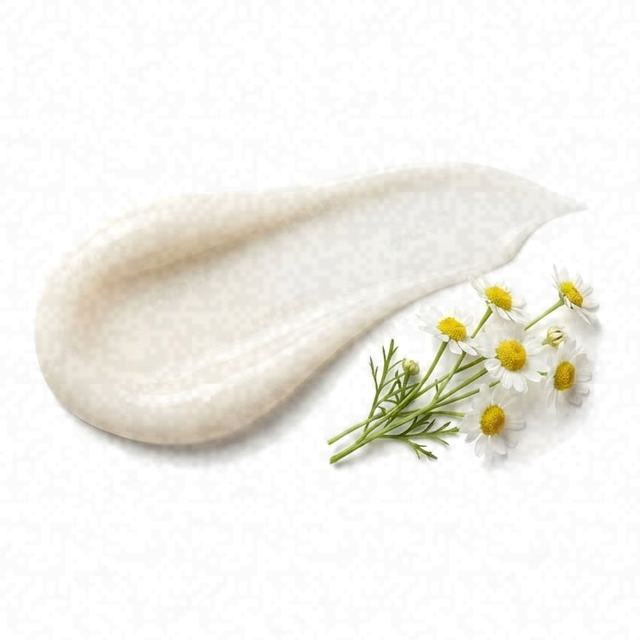 Bisabolol
Average
- HighOily Skin Fit
- AverageEffectiveness
- HighSafety
Works for oily acne-prone skin; other moisturizers fit it better.
This fit is calculated for the concerns frequently associated with oily acne-prone skin: shine, breakouts, blemishes, and enlarged pores. For scores and recommendations based on your full skin profile, including your 12D face scan results and any goals or preferences you have, please use the Lovi app.
Page built Nov 8, 2026How the Fit score works
Lovi Assistant explains
- Offers moderate hydration for your oily skin, with glycerin and hyaluronic acid providing essential moisture without exacerbating oiliness.
- While Bisabolol offers soothing benefits, the formula does not specifically target your concerns of acne, blemishes, and breakouts.
- The product is safe for your oily skin, as it contains no harsh ingredients and includes Bisabolol to help calm the skin.
How to apply
- Use this AM and PM routine every day to help clear your skin. Always remember to finish with SPF in the morning.
- Apply the moisturizer after your cleanser and toner, right before your SPF during the day.
- Gently press a small amount into your skin and avoid rubbing to keep pores clear.
- Apply on clean, slightly damp skin to help the product absorb better and control oil.
- Avoid the sensitive eye area and do a simple patch test before your first use.
Questions and answers
How well does NEOCUTIS Lumière Firm work for oily acne-prone skin?
NEOCUTIS Lumière works moderately well for oily acne-prone skin, providing essential moisture with hyaluronic acid and glycerin without feeling too heavy or causing irritation. While it helps calm the skin with bisabolol, it does not specifically target blemishes or breakouts. A product of this type needs ingredients like niacinamide, ceramides, and low molecular weight hyaluronic acid to help clear acne, balance oil, and hydrate without clogging pores.
Which ingredients make this cream a good fit for oily acne-prone skin?
Hyaluronic acid and glycerin make this cream a good fit for oily acne-prone skin by providing essential moisture without adding oiliness, while bisabolol helps calm the skin. However, this skin type needs a product with ingredients like niacinamide, ceramides, and soothing agents to actively target blemishes, regulate oil, and prevent clogged pores.
What does Hyaluronic Acid do for oily acne-prone skin?
Hyaluronic acid helps calm oily acne-prone skin by reducing sebum production and lipid synthesis in sebaceous glands. It also supports skin barrier function and improves hydration while helping deliver treatments without causing irritation.
The Journal of Investigative Dermatology, 2017Journal of Cosmetic Dermatology, 2022
What does Caffeine do for oily acne-prone skin?
Topical caffeine helps calm oily, acne-prone skin by protecting cells against UV damage and preventing excessive fat accumulation. It is also well tolerated and may boost your sunscreen protection when used together with UV filters.
Skin Pharmacology and Physiology, 2013Frontiers in Physiology, 2019
Where does this cream go in a skincare routine for oily acne-prone skin?
This moisturizing treatment goes in your evening routine after cleansing and before your moisturizer. Oily acne-prone skin needs a product that provides hydration without adding extra oil while actively targeting blemishes and breakouts.
Can I use it with retinol, and in what order?
You can use this moisturizing treatment with retinol, and applying it first helps calm your skin and reduce dryness without making things too oily. For this skin type, a routine with retinol and this product works best when it also includes ingredients that target breakouts and blemishes.
How often should I use it?
You can use this moisturizing treatment twice daily as part of your routine. Daily application helps keep your skin hydrated and calm while being safe for your skin type.
Journal of Cosmetic Dermatology, 2020Health Science Reports, 2021
Can it clog pores, cause breakouts or purging for oily acne-prone skin?
This product is unlikely to clog pores or cause breakouts because it is safe and free of harsh ingredients, though it also does not actively treat acne or blemishes. Oily acne-prone skin typically needs formulas that target breakouts alongside gentle hydration.
Can I use this cream around the eyes or on my body?
This cream is well suited for the thin skin around the eyes due to its gentle, hydrating formula, but using it on the body is less practical given its typical container size and intended use. The eyelid is among the thinnest skin regions on the body, meaning it benefits greatly from lightweight moisture without heavy oils.
Is it fragrance-free and alcohol-free?
Yes, it has no fragrance and no drying alcohol. Cetearyl alcohol is a fatty alcohol, which soften the skin.
What the research says
A single application of a moisturizing fluid containing hyaluronic acid 1%, glycerin 5%, and Centella asiatica stem cells extract significantly increased skin hydration by 29% and reduced transepidermal water loss at 24 hours compared to baseline and an untreated control site in twenty healthy women.
Clinical, Cosmetic and Investigational Dermatology, 2017Topical application of 0.1% hyaluronic acid formulations of different molecular weights led to significant improvements in skin hydration and elasticity, with low-molecular-weight formulations also significantly reducing wrinkle depth in seventy-six female subjects compared to a vehicle control.
Journal of Drugs in Dermatology, 2011Topical application of hyaluronic acid in conjunction with free gingival graft significantly reduced donor site postoperative pain until day 7 compared to normal saline, with no significant differences in graft dimensions or patient satisfaction.
Clinical Oral Investigations, 2022Treatment with a hyaluronic acid-containing mouth rinse or topical gel led to significant lesion reduction, pain relief, and normalization of lesion color in adult patients with minor recurrent aphthous stomatitis, with the gel formulation showing an earlier healing onset at 3 days.
BMC Oral Health, 2019A topical cosmetic slimming product containing tetrahydroxypropyl ethylenediamine, caffeine, carnitine, forskolin and retinol significantly reduced body circumferences and improved skin aspect compared with placebo in 78 women over 12 weeks.
International Journal of Cosmetic Science, 2011Topical sunscreen formulations containing caffeine combined with UV filters increased in vivo anti-UVB protection by approximately 25% and showed higher SPF values compared to caffeine-free sunscreen, while being well tolerated by the skin of healthy subjects.
Frontiers in Physiology, 2019Caffeine gel combined with choline geranate showed high skin permeation capacity and superior clinical results in cellulite treatment compared to caffeine gel without ionic liquid.
AAPS PharmSciTech, 2021Application of an alpha-bisabolol-containing cream produced a significant skin-lightening effect in pigmented skin compared to a vehicle control in the majority of female subjects after 8 weeks.
International Journal of Cosmetic Science, 2010The combination of allantoin, bisabolol, D-panthenol and dipotassium glycyrrhizinate reduces UVB-induced PGE2, inflammatory cytokines, and mitochondrial superoxide in human epidermal keratinocytes.
International Journal of Cosmetic Science, 2024
Why other moisturizers fit oily acne-prone skin better
A Tris/Arg-formulated cleanser significantly decreased noninflammatory and inflammatory acne and pore size with keratotic plugs compared to an AEC/AC cleanser in male Thai subjects with mild to moderate acne over 4 weeks.
Journal of Cosmetic Dermatology, 2020Gluconolactone 14% solution significantly improved mild to moderate acne by reducing inflamed and non-inflamed lesions similarly to 5% benzoyl peroxide, but with fewer side-effects in 150 patients.
The Australasian Journal of Dermatology, 1992A peel-off facial mask containing myoinositol and trehalose-loaded liposomes improved adult female acne by decreasing lesion counts, sebum production, GAGS scores, and local androgen levels while increasing beclin-1 levels.
Journal of Cosmetic Dermatology, 2017
Ingredients
Water, Glycerin, Dimethicone, Butylene Glycol, Cetearyl Alcohol, Glyceryl Stearate, Peg-100 Stearate, Phenoxyethanol, Caprylyl Glycol, Hyaluronic Acid, Caffeine, Bisabolol, Tocopheryl Acetate, Ascorbyl Glucoside, Palmitoyl Tripeptide-1, Palmitoyl Tetrapeptide-7
Behind this fit score
Lovi calculates every fit score from the full ingredient list with brand-independent rules our dermatologists and cosmetic chemists build and review, and personalizes every pick with AI trained on the real results of millions of users. Lovi trains its fit score models on a proprietary dataset built from more than 10,000 expert-labeled products and more than 100,000 simulated examples, following an internally consistent methodology presented at Cosmoprof, AMWC, and Skin of Color Update.
-

Co-founder, Medical Director
Cosmetic chemist, cosmetologist, aesthetic products developer
-

Co-founder, CEO and CTO
PhD in computer science, 3x US patent holder, ex-Google, ex-Yandex
-

Dr. Sofía Perea Pérez, MD, MSc
Medical Board
Aesthetic medicine practitioner, MSc in Longevity and Anti-Aging Medicine
-

Medical Board
Specialist dermatologist, MBBS, MD, IFAAD
-

Medical Board
Cosmetic chemist, SCS, IFSCC member
-

Medical Board, Medical Advisor
Dermatology MD
-

Elina Nazarenko, MD
Medical Board
Dermatology and diagnostic consultant
-

Victoria Derkova, MS
Medical Board
Cosmetic chemist, cosmetic development technologist


How does it fit your skin?
Scan your face, then any product: Lovi shows how well it fits you and what fits even better.