MISSHA Vita C Plus Brightening Toner for acne-prone skin

 Ascorbic Acid
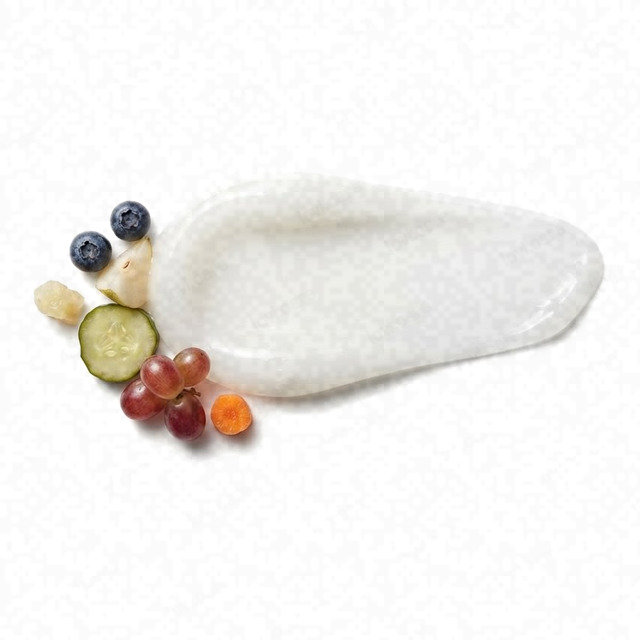 Pha Polyhydroxy Acid
 Niacinamide
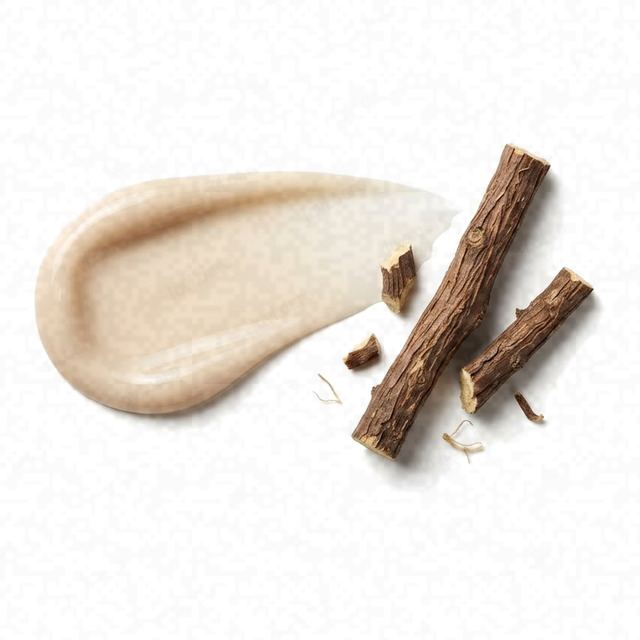 Licorice Root Extract
 Sodium Hyaluronate
Average
- HighCombination Skin Fit
- HighEffectiveness
- ExcellentSafety
Works for acne-prone skin; other toners fit it better.
This fit is calculated for the concerns frequently associated with acne-prone skin: breakouts, blackheads, and post-acne marks. For scores and recommendations based on your full skin profile, including your 12D face scan results and any goals or preferences you have, please use the Lovi app.
Page built Nov 8, 2026How the Fit score works
Lovi Assistant explains
- Offers moderate exfoliation for your combination skin, with lactobionic acid and 3-O-ethyl ascorbic acid aiding in skin renewal and brightening. Niacinamide and panthenol provide soothing benefits, helping to manage inflammation and breakouts.
- The formula includes ingredients like glycyrrhiza glabra root extract and allantoin which offer additional calming properties, beneficial for acne-prone skin.
- The product is safe for your skin, as it contains no harsh ingredients and includes soothing components.
How to apply
- You can use this exfoliating toner in your PM routine. Start by using it 1 time per week and increase slowly if your skin is happy.
- Apply your exfoliating toner right after cleansing and before your moisturizing steps. This helps your skin stay clean and clear.
- Gently press 2-3 drops of the exfoliating toner into your skin with your hands. Avoid rubbing to keep your face calm.
- Apply the exfoliating toner on clean and dry skin for the best comfort. Let it dry for a minute ⏱ before moving on.
- Always do a patch test before your first use and avoid putting the product too close to your eyes.
People Say
★4.6Overall rating based on 1.5k+ reviewsBased on a very large amount of data, users with dull, oily, and combination skin frequently praise this toner for its lightweight, fast-absorbing texture that provides immediate hydration without greasiness. Many report a noticeable glow and gradual fading of hyperpigmentation, though results for dark spots are often subtle and require consistent, long-term use.
Highlights
Lightweight hydrating texture Mostly Mentioned
- “absorbs instantly”
- “watery and non-sticky”
- “leaves skin plump”
- “perfect for oily skin”
- “refreshing finish”
Brightens and evens tone Often Mentioned
- “skin looks glowing”
- “helped fade acne scars”
- “complexion looks more even”
- “woke up with radiant skin”
- “removed dullness”
Pleasant citrus scent Often Mentioned
- “smells like fresh oranges”
- “refreshing morning scent”
- “lovely mild fragrance”
- “energizing citrus smell”
- “not chemically”
Gentle on sensitive skin Sometimes Noted
- “mild enough for daily use”
- “no stinging sensation”
- “gentle exfoliation”
- “soothing formula”
Slow or minimal results Sometimes Noted
- “didn't see a difference”
- “dark spots didn't fade”
- “just a hydrating toner”
- “takes months to work”
- “expected more brightening”
Potential irritation Rarely Noted
- “caused small bumps”
- “stung my sensitive areas”
- “redness after application”
- “broke me out”
- “tingling sensation”
Scent too strong Rarely Noted
- “fragrance is overpowering”
- “smell lingers too long”
- “prefer unscented skincare”
- “irritated my nose”
- “too much perfume”
Slight sticky residue Rarely Noted
- “tacky if layered”
- “leaves a film”
- “sticky initially”
- “clashed with my serum”
- “felt heavy in humidity”
Sources: lovi.care, iherb.com, stylekorean.com, gopicky.com, yesstyle.com, misshaus.com, and more
Questions and answers
How well does MISSHA Vita C Plus Brightening Toner work for acne-prone skin?
MISSHA Vita C Plus Brightening Toner works as an average fit for acne-prone skin, offering moderate renewal and soothing benefits through Ascorbic Acid, Pha Polyhydroxy Acid, Niacinamide, Licorice Root Extract, and Sodium Hyaluronate. It helps manage breakouts and calms the skin without harsh ingredients, though other products fit this skin type better. To work best for acne-prone skin, a product of this type needs effective exfoliating acids that help with oil control and clarity, along with soothing and hydrating ingredients to balance the skin and keep it clear.
Journal of Cosmetic Dermatology, 2019The British Journal of Dermatology, 2002
Which ingredients make this toner a good fit for acne-prone skin?
Niacinamide, panthenol, lactobionic acid, and 3-O-ethyl ascorbic acid help manage breakouts and soothe acne-prone skin while aiding in skin renewal. To achieve a better fit for this skin type, a product of this type needs effective exfoliants for oil control and clarity, along with soothing ingredients to calm irritation and keep the complexion balanced.
Journal of Cosmetic Dermatology, 2019The British Journal of Dermatology, 2002
What does Vitamin C do for acne-prone skin?
Vitamin C helps brighten skin, smooth out uneven tones, and fade dark spots left behind by breakouts. It is also packed with antioxidants that may help protect acne-prone skin from everyday environmental stress.
What does Polyhydroxy Acid do for acne-prone skin?
Polyhydroxy Acid helps clear mild to moderate acne by reducing pimples and bumps while keeping your skin calm and comfortable. It is unlikely to cause irritation or dryness, making it a gentle option for sensitive skin types prone to breakouts.
Where does it go in a skincare routine for acne-prone skin?
This exfoliating toner goes in the evening routine after cleansing, starting at once a week and slowly increasing frequency only if your skin handles it well. For this skin type, a product of this type needs gentle exfoliating acids alongside calming and soothing ingredients to help manage breakouts without irritation.
Can I use this toner with retinol, and in what order?
You can use this exfoliating toner with retinol, but apply them on alternating nights to keep your acne-prone skin calm. Using both active ingredients at the same time may cause irritation, so separate them and always follow with a moisturizer.
How often should I use it?
Start by using this exfoliating toner once a week to see how your skin responds, and if you tolerate it well and see good results, you can carefully use it more often. To properly care for acne-prone skin, this type of product needs gentle exfoliating acids, soothing ingredients like niacinamide, and calming plant extracts to keep breakouts calm and skin smooth.
Can it clog pores, cause breakouts or purging for acne-prone skin?
MISSHA Vita C Plus Brightening Toner works for acne-prone skin, though other products fit it better because this skin needs gentle ingredients that clear pores and calm breakouts without heavy oils or potential irritants.
Journal of Cosmetic Dermatology, 2019American Journal of Clinical Dermatology, 2002
Is this toner fragrance-free and alcohol-free?
Yes, it has no fragrance and no drying alcohol.
What the research says
Niacinamide significantly decreased hyperpigmentation and increased skin lightness compared with vehicle alone after 4 weeks of use in women by inhibiting melanosome transfer.
The British Journal of Dermatology, 2002Topical dexpanthenol acts as a moisturizer, improves stratum corneum hydration, accelerates wound healing and epidermal regeneration, reduces erythema, and improves symptoms of skin irritation compared to vehicle or no pretreatment.
American Journal of Clinical Dermatology, 2002A topical gel containing chitosan, chlorhexidine, allantoin, and dexpanthenol significantly reduced postoperative pain, trismus, swelling, and analgesic consumption, while improving wound healing after third molar surgery compared to a placebo.
Medicina Oral, Patologia Oral Y Cirugia Bucal, 2020An emulsion containing 10% lactobionic acid significantly reduces human skin surface pH without causing skin irritation or barrier impairment.
Journal of Cosmetic Dermatology, 2019Topical application of 5% vitamin C cream significantly improved global clinical scores, increased skin microrelief density, and induced elastic tissue repair in photoaged skin compared to excipient control in healthy female volunteers.
Experimental Dermatology, 2003Ascorbic acid 2-glucoside gel significantly reduced gingival melanin pigmentation after 4 weeks compared to placebo in 73 subjects with symmetric pigmentation.
Journal of Periodontology, 2009Topical application of VC-IP cream twice daily for 8 weeks reduces periorbital wrinkles in female subjects compared to a placebo cream.
Journal of Cosmetic Dermatology, 2022Topical post-laser application of human adipocyte-derived mesenchymal stem cell media combined with niacinamide significantly improved wrinkle index, melanin index, patient satisfaction, and investigator esthetic improvement scores compared to vehicle cream in patients with aging skin.
Journal of Cosmetic Dermatology, 2021Topical nicotinamide prevented solar-simulated UV-induced immunosuppression in healthy volunteers, and men experienced immunosuppression at solar-simulated UV doses three times lower than those required for women.
The Journal of Investigative Dermatology, 2008Topical 5% niacinamide applied twice daily for 12 weeks reduced fine lines and wrinkles, hyperpigmented spots, red blotchiness, and skin sallowness, and improved skin elasticity compared to vehicle control in 50 female white subjects with facial photoaging.
Dermatologic Surgery, 2005Combining 755 nm alexandrite laser with topical licorice gel significantly reduces terminal hair counts compared to alexandrite laser with placebo in women with idiopathic hirsutism.
Evidence-based Complementary and Alternative Medicine, 2015Licochalcone A activated Nrf2 signaling, elevated cytoprotective enzymes, increased the reduced-to-oxidized glutathione ratio, and decreased reactive oxygen species in human fibroblasts and neutrophils, while a LicA-rich licorice extract lowered UVA-induced oxidative processes in vivo.
Experimental Dermatology, 2015Bioactive glycyrrhizic acid and oxymatrine ionic liquid self-assembled nanomicelles significantly promoted the transdermal permeation, subcutaneous retention, and anti-photoaging efficacy of palmitoyl pentapeptide-4 in cellular and animal models compared to unformulated peptide.
Advanced Science, 2025Topical application of 0.1% hyaluronic acid formulations of different molecular weights led to significant improvements in skin hydration and elasticity, with low-molecular-weight formulations also significantly reducing wrinkle depth in seventy-six female subjects compared to a vehicle control.
Journal of Drugs in Dermatology, 2011Topical application of hyaluronic acid in conjunction with free gingival graft significantly reduced donor site postoperative pain until day 7 compared to normal saline, with no significant differences in graft dimensions or patient satisfaction.
Clinical Oral Investigations, 2022Treatment with a hyaluronic acid-containing mouth rinse or topical gel led to significant lesion reduction, pain relief, and normalization of lesion color in adult patients with minor recurrent aphthous stomatitis, with the gel formulation showing an earlier healing onset at 3 days.
BMC Oral Health, 2019
Ingredients
Water, Glycerin, Butylene Glycol, Niacinamide, Pentylene Glycol, Betaine, Trehalose, 1,2-Hexanediol, Glycyrrhiza Glabra Root Extract Licorice Root Extract, Bifida Lysate Ferment, Panthenol, Hippophae Rhamnoides Water, C12-14 Pareth-12, Tranexamic Acid, 3-O-Ethyl Ascorbic Acid, Chlorella Vulgaris Extract, Glucose, Curcuma Longa Root Extract, Lactobacillus Ferment, Fructooligosaccharides, Fructose, Ethylhexylglycerin, Adenosine, Melia Azadirachta Flower Extract, Carbomer, Tromethamine, Allantoin, Melia Azadirachta Leaf Extract, Disodium Edta, Sodium Hyaluronate, Glycine Soja Seed Extract Soybean Seed Extract, Citrus Aurantium Dulcis Peel Oil, Ocimum Sanctum Leaf Extract, Ascorbic Acid, Grapefruit Peel Oil, Corallina Officinalis Extract, Eucalyptus Globulus Oil Leaf, Lavandula Angustifolia Oil Lavender Oil, Octanediol, Hydrolyzed Collagen, Lactobionic Acid, Glyceryl Glucoside, Caprylic Capric Triglyceride, Cyanocobalamin, Pvp, Hydrogenated Lecithin, Tocopherol, Ceramide Np, Palmitoyl Tripeptide-5, Caprylyl Glycol, Acetyl Hexapeptide-8, Fullerenes, Arbutin, Dipropylene Glycol, Hydrolyzed Hyaluronic Acid, Laurdimonium Hydroxypropyl Hydrolyzed Wheat Protein, Phytosterols, Ascorbyl Glucoside
Behind this fit score
Lovi calculates every fit score from the full ingredient list with brand-independent rules our dermatologists and cosmetic chemists build and review, and personalizes every pick with AI trained on the real results of millions of users. Lovi trains its fit score models on a proprietary dataset built from more than 10,000 expert-labeled products and more than 100,000 simulated examples, following an internally consistent methodology presented at Cosmoprof, AMWC, and Skin of Color Update.
-

Co-founder, Medical Director
Cosmetic chemist, cosmetologist, aesthetic products developer
-

Co-founder, CEO and CTO
PhD in computer science, 3x US patent holder, ex-Google, ex-Yandex
-

Dr. Sofía Perea Pérez, MD, MSc
Medical Board
Aesthetic medicine practitioner, MSc in Longevity and Anti-Aging Medicine
-

Medical Board
Specialist dermatologist, MBBS, MD, IFAAD
-

Medical Board
Cosmetic chemist, SCS, IFSCC member
-

Medical Board, Medical Advisor
Dermatology MD
-

Elina Nazarenko, MD
Medical Board
Dermatology and diagnostic consultant
-

Victoria Derkova, MS
Medical Board
Cosmetic chemist, cosmetic development technologist


How does it fit your skin?
Scan your face, then any product: Lovi shows how well it fits you and what fits even better.