Medik8 Crystal Retinal 10 for oily acne-prone skin

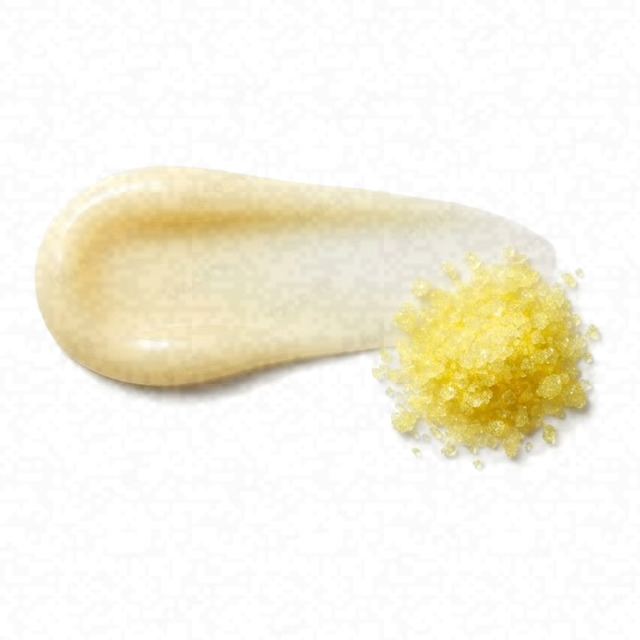 Retinal Vitamin A
 Sodium Hyaluronate
 Squalane
 Tetrahexyldecyl Ascorbate
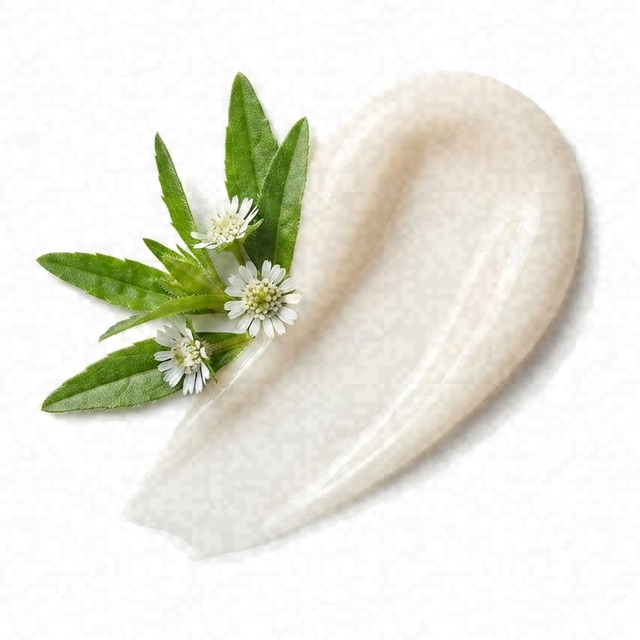 Eclipta Prostrata Extract
Average
- HighOily Skin Fit
- AverageEffectiveness
- ExcellentSafety
Works for oily acne-prone skin; other serums fit it better.
This fit is calculated for the concerns frequently associated with oily acne-prone skin: shine, breakouts, blemishes, and enlarged pores. For scores and recommendations based on your full skin profile, including your 12D face scan results and any goals or preferences you have, please use the Lovi app.
Page built Nov 8, 2026How the Fit score works
Lovi Assistant explains
- Offers moderate exfoliation and antioxidant support for your oily skin, with retinal and 3-O-ethyl ascorbic acid helping to refine texture and provide some seboregulation.
- While the formula is generally safe and soothing for your oily skin due to ingredients like Vanilla Planifolia Fruit Extract and Lonicera Japonica Flower Extract, its primary benefits are not directly targeted at your acne, blemishes, and breakouts.
- The product is safe for your skin, with no risks of irritation and the presence of soothing ingredients.
How to apply
- Could be used as part of your PM routine. Start 3 times a week and build up to daily use if your skin tolerates it well.
- Apply your serum after cleansing and toning, but before putting on your moisturizer.
- Gently press 2 to 3 drops of the serum into your skin and let it absorb for a minute.
- Apply the serum on clean, dry skin to help manage your blemishes safely.
- Do a patch test before your first use and avoid the delicate eye area.
People Say
★4.8Overall rating based on 100+ reviewsThis high-strength serum is highly regarded by users as an effective step-up for experienced retinoid users, leading to noticeable improvements in skin texture, firmness, and clarity. While it is praised for being gentler than many alternatives and beneficial for anti-aging and congestion, users should be aware of the potential for initial dryness or purging and the product's tendency to stain fabrics.
Highlights
Potent anti-aging Mostly Mentioned
- “lines significantly reduced”
- “skin looks glass-like”
- “texture is completely smooth”
- “youthful bounce returned”
Elegant texture Often Mentioned
- “sinks in immediately”
- “creamy and hydrating”
- “smells like apricots”
- “non-sticky finish”
Gentle formulation Often Mentioned
- “zero redness”
- “much gentler than tretinoin”
- “no stinging experienced”
- “tolerated daily quickly”
High price point Often Mentioned
- “very steep price”
- “wish it was cheaper”
- “investment skincare”
- “wallet hurts”
Clears congestion Sometimes Noted
- “stopped hormonal breakouts”
- “cleared deep cysts”
- “keeps pores clear”
- “faded post-acne marks”
Dryness/flaking Sometimes Noted
- “flaking around nose”
- “need heavy moisturizer”
- “dry patches at first”
Initial purging Rarely Noted
- “purged for two weeks”
- “spots appeared initially”
- “skin got worse before better”
Staining potential Rarely Noted
- “stained my pillowcase”
- “yellow residue on towels”
- “leaves face slightly orange”
Sources: lovi.care, dermstore.com, cultbeauty.com, spacenk.com, skinmart.com.au, and more
Questions and answers
How well does Crystal Retinal 10 work for oily acne-prone skin?
Medik8 Crystal Retinal 10 works moderately well for oily acne-prone skin, as it helps refine texture and control oil, though it does not directly target breakouts. Oily acne-prone skin needs products with ingredients like niacinamide and propolis that manage excess oil and specifically target blemishes.
Which ingredients make this serum a good fit for oily acne-prone skin?
Retinal and 3-O-ethyl ascorbic acid help refine texture and control oil, while vanilla fruit and honeysuckle extracts help calm oily skin. Oily acne-prone skin needs treatments with ingredients like niacinamide and propolis that directly target blemishes and breakouts while controlling excess oil.
What does Retinal do for oily acne-prone skin?
Retinal helps clear clogged pores, reduces bumps and pimples, and helps balance oil production for oily, acne-prone skin. It is generally well tolerated when used regularly as part of an acne skincare routine.
Clinical and Experimental Dermatology, 1999European Review for Medical and Pharmacological Sciences, 2014
What does Hyaluronic Acid do for oily acne-prone skin?
Hyaluronic acid helps calm oily acne-prone skin by reducing sebum production and lipid synthesis in sebaceous glands. It also supports skin barrier function and improves hydration while helping deliver treatments without causing irritation.
The Journal of Investigative Dermatology, 2017Journal of Cosmetic Dermatology, 2022
Where does this serum go in a skincare routine for oily acne-prone skin?
This treatment goes in the evening routine after cleansing and before moisturizing. An oily acne-prone skin routine needs ingredients that directly target blemishes, breakouts, and excess oil production.
Can I use this serum with niacinamide, and in what order?
You can use this serum with niacinamide by applying niacinamide first on clean, dry skin, waiting a few minutes for it to absorb, and then following with this treatment. Oily acne-prone skin needs products that directly target blemishes and breakouts with ingredients like salicylic acid or benzoyl peroxide.
How often should I use this serum?
This treatment works for your oily acne-prone skin, though other products fit it better. Lovi routines start exfoliating steps once a week, and people who tolerate them well and see good results can carefully use them more often.
Can this serum clog pores, cause breakouts or purging for oily acne-prone skin?
This product is unlikely to clog pores, but initial purging is a low possibility for oily acne-prone skin because it contains retinal for moderate exfoliation. Oily acne-prone skin often needs targeted blemish-fighting ingredients and oil-balancing agents that focus directly on breakouts.
Is this serum fragrance-free and alcohol-free?
It has no drying alcohol and contains fragrance (coumarin). Cetearyl alcohol is a fatty alcohol, which soften the skin.
What the research says
Concurrent treatment with 3-O-ethyl ascorbic acid and cannabigerol in UVB-irradiated human keratinocytes prevents membrane structure alterations, promotes cell survival, enhances antioxidant enzyme activity and GSH- and Trx-dependent systems, reduces lipid and protein oxidative modifications, and exerts anti-inflammatory effects.
Free Radical Biology & Medicine, 2025A multi-component dissolving microneedle patch loaded with glabridin, 3-O-ethyl-L-ascorbic acid, and tranexamic acid effectively reduced chloasma and age spots while demonstrating safety in clinical evaluation, alongside significant antioxidant, anti-tyrosinase, and melanin-reduction effects in vitro and in vivo.
Polymers, 2023Dissolving microneedles loaded with 3-O-ethyl ascorbic acid and acetyl hexapeptide-8 achieved higher cumulative transdermal delivery than aqueous solutions and significantly reduced photoaging signs while restoring oxidative balance in a UV/D-galactose-induced mouse model.
International Journal of Biological Macromolecules, 2026Topical formulations containing ascorbyl tetraisopalmitate, coenzyme Q10, green tea polyphenols, and resveratrol reduced the release of inflammatory cytokines and attenuated inflammatory signs compared to untreated skin and vehicle in 25 Japanese volunteers exposed to sodium dodecyl sulfate.
European Journal of Pharmaceutics and Biopharmaceutics, 2017Twice daily application of retinaldehyde 0.1% and 0.05% creams for 3 months improved skin texture and hydration and reduced transepidermal water loss in 40 female Korean volunteers, with only the 0.1% cream significantly improving the melanin index.
Journal of Cosmetic Dermatology, 2018Topical retinaldehyde demonstrated significant antibacterial activity against gram-positive bacteria both in vitro and in vivo, leading to decreased bacterial counts without inducing resistance.
Dermatology, 2002Topical 0.05% retinaldehyde applied over 1 year significantly increased epidermal thickness of the temple and cutaneous elasticity compared to an emollient control group in 40 aging skin patients.
Dermatology, 1999Topical application of 0.1% hyaluronic acid formulations of different molecular weights led to significant improvements in skin hydration and elasticity, with low-molecular-weight formulations also significantly reducing wrinkle depth in seventy-six female subjects compared to a vehicle control.
Journal of Drugs in Dermatology, 2011Topical application of hyaluronic acid in conjunction with free gingival graft significantly reduced donor site postoperative pain until day 7 compared to normal saline, with no significant differences in graft dimensions or patient satisfaction.
Clinical Oral Investigations, 2022Treatment with a hyaluronic acid-containing mouth rinse or topical gel led to significant lesion reduction, pain relief, and normalization of lesion color in adult patients with minor recurrent aphthous stomatitis, with the gel formulation showing an earlier healing onset at 3 days.
BMC Oral Health, 2019Squalane at 0.005-0.015% counteracts UVA-induced oxidative stress, inflammation, and collagen metabolism inhibition while stimulating fibroblast migration in human dermal fibroblasts.
Molecules, 2025Plant-derived squalane protected human dermal fibroblasts against UVA-induced damage by counteracting ROS formation, suppressing apoptosis-related proteins p53, caspase-3, caspase-9, and PARP, and restoring the pro-survival p-Akt/mTOR pathway.
Antioxidants, 2025Topical application of 5% vitamin C cream significantly improved global clinical scores, increased skin microrelief density, and induced elastic tissue repair in photoaged skin compared to excipient control in healthy female volunteers.
Experimental Dermatology, 2003Ascorbic acid 2-glucoside gel significantly reduced gingival melanin pigmentation after 4 weeks compared to placebo in 73 subjects with symmetric pigmentation.
Journal of Periodontology, 2009Topical application of VC-IP cream twice daily for 8 weeks reduces periorbital wrinkles in female subjects compared to a placebo cream.
Journal of Cosmetic Dermatology, 2022Topical application of petroleum ether and ethanol extracts of Eclipta alba significantly reduced the time required for hair growth initiation and completion in male albino rats compared to control animals, with the 5% petroleum ether extract showing a greater number of hair follicles in the anagenic phase (69 +/- 4) than the control (47 +/- 13).
Archives of Dermatological Research, 2008Oral and topical administration of Eclipta prostrata promotes hair growth and enhances the induction of anagen in mice by increasing FGF-7 and decreasing FGF-5 expression.
Pharmaceutical Biology, 2019Topical application of a polyherbal formulation containing Cuscuta reflexa, Citrullus colocynthis, and Eclipta alba extracts reduced hair growth initiation time to one third and complete hair growth time by 32% in rats compared with control animals.
Journal of Cosmetic Dermatology, 2007
Why other serums fit oily acne-prone skin better
A cream combining propolis, tea tree oil, and Aloe vera reduced erythema scars, acne severity index, and total lesion count better than erythromycin cream in sixty patients with mild to moderate acne vulgaris compared to placebo.
Clinical Pharmacology, 2018Niacinamide and ferulic acid incorporated in a stable multiple emulsion successfully reduced melanin, sebum, and skin erythema while improving skin elasticity and hydration in human skin compared to a placebo.
BioMed Research International, 2022
Ingredients
Water, Caprylic Capric Triglyceride, Glycerin, Isododecane, Cyclodextrin, Cetearyl Olivate, Sodium Acrylate Sodium Acryloyldimethyl Taurate Copolymer, Cetearyl Alcohol, Sorbitan Olivate, Tocopheryl Acetate, Squalane, Hydroxyethyl Acrylate Sodium Acryloyldimethyl Taurate Copolymer, Hydroxyacetophenone, Rubus Chamaemorus Seed Oil, 3-O-Ethyl Ascorbic Acid, Phenoxyethanol, Hydroxypropyl Methylcellulose, Pentylene Glycol, Daucus Carota Sativa Seed Oil Carrot Seed Oil, Retinal, Sodium Hyaluronate, Tetrahexyldecyl Ascorbate, Alumina, Isostearic Acid, Lecithin, Polyglyceryl-3 Polyricinoleate, Lonicera Japonica Flower Extract Honeysuckle Flower Extract, Lonicera Caprifolium Flower Extract Honeysuckle Flower Extract, Polyhydroxystearic Acid, Disodium Edta, Stearic Acid, Ethylhexylglycerin, Polysorbate 60, Sorbitan Isostearate, Bht, Vanilla Planifolia Fruit Extract Vanilla Fruit Extract, Sodium Polyaspartate, Dipteryx Odorata Extract Tonka Extract Bean Extract, Coumarin, Red 4, Titanium Dioxide
Behind this fit score
Lovi calculates every fit score from the full ingredient list with brand-independent rules our dermatologists and cosmetic chemists build and review, and personalizes every pick with AI trained on the real results of millions of users. Lovi trains its fit score models on a proprietary dataset built from more than 10,000 expert-labeled products and more than 100,000 simulated examples, following an internally consistent methodology presented at Cosmoprof, AMWC, and Skin of Color Update.
-

Co-founder, Medical Director
Cosmetic chemist, cosmetologist, aesthetic products developer
-

Co-founder, CEO and CTO
PhD in computer science, 3x US patent holder, ex-Google, ex-Yandex
-

Dr. Sofía Perea Pérez, MD, MSc
Medical Board
Aesthetic medicine practitioner, MSc in Longevity and Anti-Aging Medicine
-

Medical Board
Specialist dermatologist, MBBS, MD, IFAAD
-

Medical Board
Cosmetic chemist, SCS, IFSCC member
-

Medical Board, Medical Advisor
Dermatology MD
-

Elina Nazarenko, MD
Medical Board
Dermatology and diagnostic consultant
-

Victoria Derkova, MS
Medical Board
Cosmetic chemist, cosmetic development technologist


How does it fit your skin?
Scan your face, then any product: Lovi shows how well it fits you and what fits even better.