Fresh Sugar Lip Polish for acne-prone skin

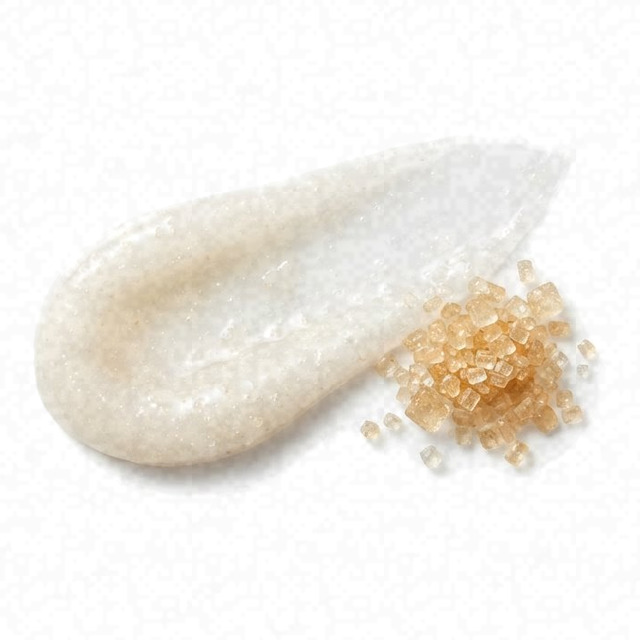 Sucrose
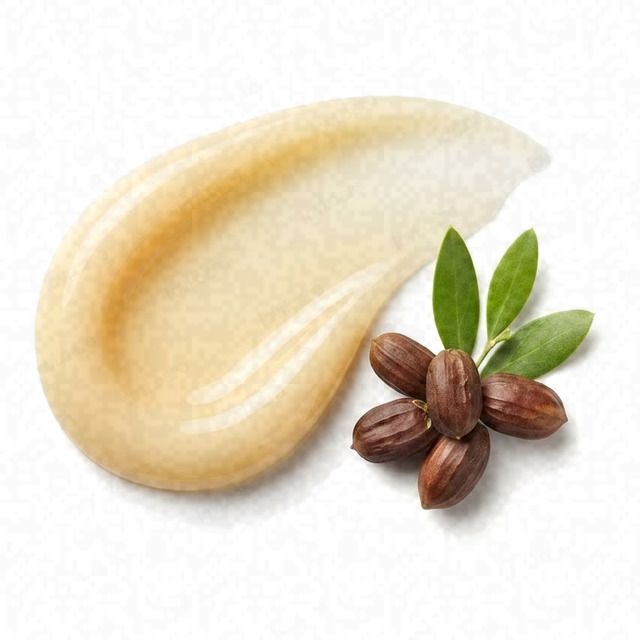 Jojoba Seed Oil
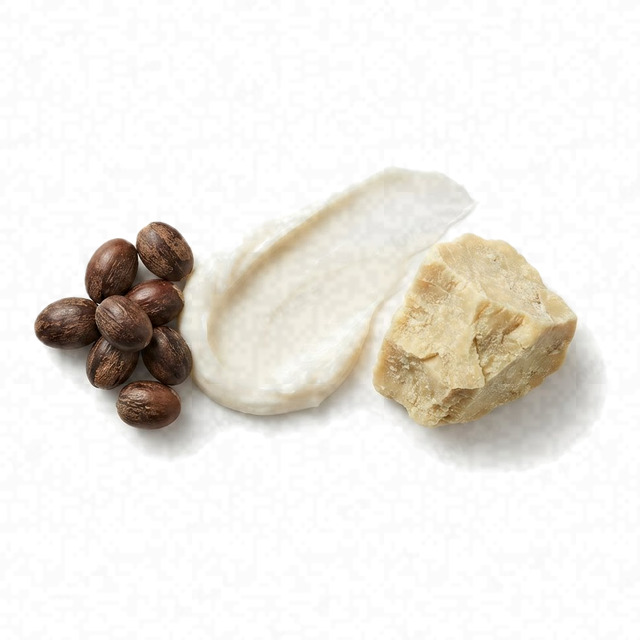 Shea Butter
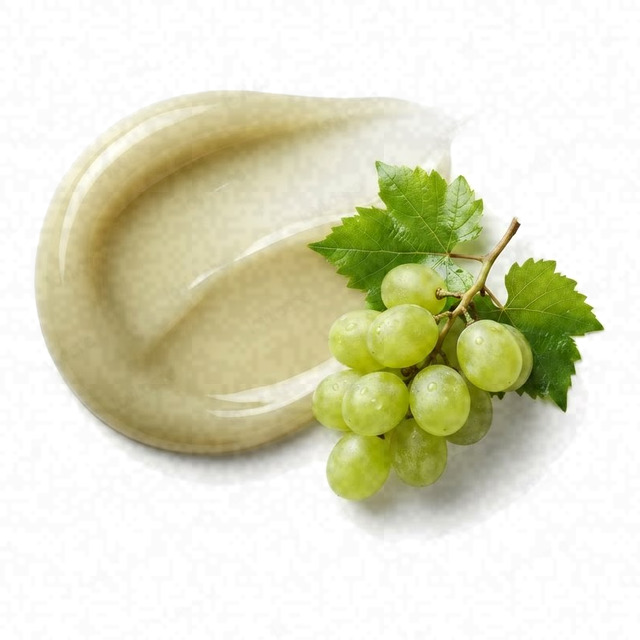 Grape Seed Oil
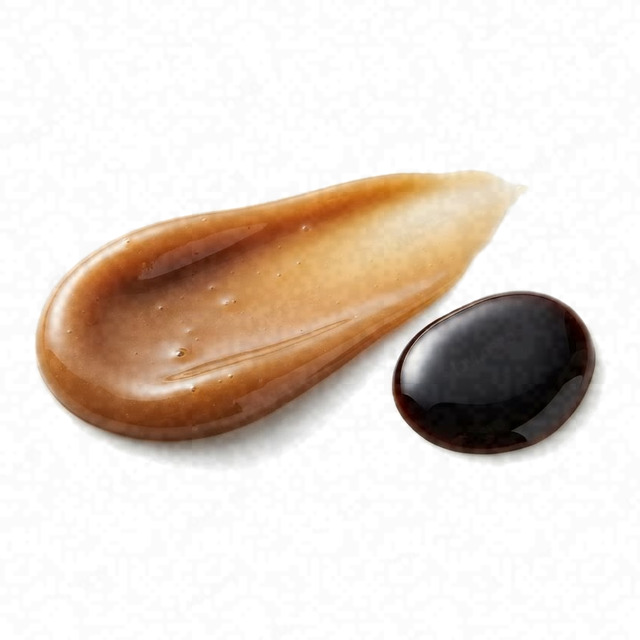 Molasses
Low
- AverageCombination Skin Fit
- HighEffectiveness
- ConcerningSafety
A weak match for acne-prone skin; the exfoliants alongside fit it better.
This fit is calculated for the concerns frequently associated with acne-prone skin: breakouts, blackheads, and post-acne marks. For scores and recommendations based on your full skin profile, including your 12D face scan results and any goals or preferences you have, please use the Lovi app.
Page built Nov 8, 2026How the Fit score works
Lovi Assistant explains
- Offers moderate exfoliation for your combination skin due to sucrose and jojoba seed oil, but lacks targeted ingredients to effectively address acne and blemishes, potentially worsening breakouts.
- The formula provides basic emollient action with jojoba seed oil, which may not fully address the distinct needs of both oily and dry areas on your combination skin.
How to apply
- Use this exfoliant PM once a week to start, and gradually increase if your combination skin tolerates it well. Always apply SPF the next morning to protect your clear skin.
- Apply the exfoliant after cleansing and toning, but right before your moisturizer step. This ensures the treatment targets blemishes effectively.
- Gently press 2-3 drops of the exfoliant into your skin without rubbing. Let it absorb for a minute before moving to the next step.
- Apply the exfoliant on clean, dry skin to help control breakouts safely. Since your skin is not sensitive, this dry application method ensures good product absorption.
- Avoid the sensitive eye area and do a patch test before your first use. Do not mix this exfoliant with other strong acids in the same routine.
People Say
★4.3Overall rating based on 2.5k+ reviewsBased on a very large amount of data, this lip scrub is frequently praised for its gentle exfoliation and deeply hydrating properties, leaving lips smooth and moisturized. Many users find it to be a long-lasting product with a pleasant scent. However, a significant number of reviews mention its high price point, and some users experience a greasy residue or find the results to be temporary.
Highlights
Gentle exfoliation Mostly Mentioned
- “Gently buffs away dry areas”
- “Not too harsh”
- “Perfect for sensitive lips”
Deeply hydrating Often Mentioned
- “Leaves lips moisturized”
- “Feels like a balm”
- “Nourishing oils included”
Long-lasting product Often Mentioned
- “Lasts a long time”
- “Little goes a long way”
- “Great value over time”
Expensive product Often Mentioned
- “Price is a bit steep”
- “Expensive for a scrub”
- “Not worth full price”
Pleasant scent/taste Sometimes Noted
- “Delicious sweet scent”
- “Neutral brown sugar smell”
- “Tastes great”
Greasy residue Sometimes Noted
- “Leaves a greasy film”
- “Too oily”
- “Feels heavy”
Few sugar particles Rarely Noted
- “Not enough exfoliating bits”
- “Hard to distribute”
- “Mostly oil”
Temporary results Rarely Noted
- “Effect vanishes quickly”
- “Doesn't fix chronic dryness”
- “No better than Vaseline”
Sources: lovi.care, sephora.com, chickadvisor.com, spacenk.com, irecommend.reviews, colorandchic.com, and more
Questions and answers
Why is Fresh Sugar Lip Polish a weak match for acne-prone skin?
Fresh Sugar Lip Polish is a weak match for acne-prone skin because it lacks targeted ingredients to address blemishes and may potentially worsen breakouts. An exfoliant for this skin needs effective ingredients like salicylic acid to clear breakouts safely without irritation, along with a balance of brightening and hydrating properties.
Which ingredients make this exfoliant a poor fit for acne-prone skin?
Fresh Sugar Lip Polish is a weak match for acne-prone skin because it lacks targeted ingredients to address blemishes and may worsen breakouts. An exfoliant for this skin needs ingredients like salicylic acid that refine pores and clear breakouts while keeping skin safe and calm.
What does Sugar do for acne-prone skin?
Eating high-sugar and high-glycemic foods may worsen acne-prone skin by raising hormone and insulin levels that stimulate oil production and inflammation. To help keep breakouts under control, this skin type needs a diet focused on lower-glycemic foods alongside gentle skincare ingredients that help calm the skin and protect against daily damage.
Experimental Dermatology, 2009Journal of the American Academy of Dermatology, 2016
What does Jojoba Seed Oil do for acne-prone skin?
Jojoba seed oil helps calm acne-prone skin and reduces breakouts over time. It may also help lower inflammation and clear up lesions.
Forschende Komplementarmedizin, 2012Frontiers in Pharmacology, 2024
Where does this exfoliant go in a skincare routine for acne-prone skin?
This exfoliant is a weak match for acne-prone skin because it lacks targeted ingredients for breakouts and may make them worse. An exfoliating product for this skin needs soothing and blemish-clearing ingredients like salicylic acid or niacinamide.
Can I use this exfoliant with retinol, and in what order?
Using this exfoliant with retinol is not recommended because the combination may easily irritate acne-prone skin and trigger more breakouts. An exfoliant for this skin needs targeted ingredients that help clear blemishes without harsh scrubbing.
How often should I use this exfoliant?
This product is a weak match for your acne-prone skin because it lacks targeted ingredients to help with breakouts and may even make them worse. A product for this skin needs soothing and blemish-clearing ingredients like salicylic acid instead.
Can this exfoliant clog pores, cause breakouts or purging for acne-prone skin?
This exfoliant is a weak match for your skin because it lacks targeted ingredients to address blemishes and may potentially worsen breakouts. An acne-prone skin type needs gentle exfoliants and ingredients that help clear pores without leaving a heavy, greasy residue.
Is this exfoliant fragrance-free and alcohol-free?
It has no drying alcohol and contains fragrance (parfum, limonene, citral, and benzyl alcohol).
What the research says
The combination of sucrose dilaurate and sucrose laurate suppressed HMGB1 release, melanin production, melanocyte dendricity, and melanosome transfer in vitro, and reduced the appearance of facial spots compared to vehicle in an 8-week human use test.
Journal of the European Academy of Dermatology and Venereology, 2022Topical application of a sugar and mineral enriched fraction from olive mill wastewater at low concentrations of 0.5% and 1% w/w improved skin hydration without negative effects, whereas higher concentrations showed toxicity.
Food & Function, 2017Topical application of granulated sugar on acutely prolapsed haemorrhoids leads to immediate reduction of edema, shrinkage of tissue, and patient relief compared to untreated symptoms.
La Clinica Terapeutica, 2021Clay jojoba oil facial masks reduced total skin lesions by a mean of 54% after 6 weeks in 133 participants with acne-prone, lesioned skin and mild acne compared to baseline.
Forschende Komplementarmedizin, 2012Topical application of jojoba wax reduced LPS-induced secretion of IL-6, IL-8, and TNFα by approximately 30% and increased the synthesis of pro-collagen III and hyaluronic acid compared to untreated skin in an ex-vivo human skin organ culture model.
Frontiers in Pharmacology, 2024Topical jojoba oil application in male mice decreased exercise-induced pro-inflammatory gene expression (Il-1b and Il-6 in soleus, Il-1b in gastrocnemius) compared to untreated exercised mice.
Biomolecules, 2025A combination cream of stimu-tex AS and saccharide isomerate reduced erythema, increased skin capacitance, and reduced transepidermal water loss compared to placebo in 20 subjects after fractional CO2 laser procedure without causing serious adverse events.
Lasers in Medical Science, 2025A skin barrier restoring cream with shea butter, silkflo, and vitamin E increased type I procollagen synthesis, enhanced antioxidant enzyme activity, decreased reactive oxygen species generation, and promoted hyaluronic acid production in H2O2-stimulated human keratinocyte cells compared to untreated cells.
International Journal of Cosmetic Science, 2025Grapeseed oil-loaded dermocosmetic nanoemulgel applied on the cheeks of healthy volunteers significantly reduced skin melanin, erythema, sebum production, and pores while increasing moisture and elasticity compared to a placebo.
Journal of Cosmetic Dermatology, 2022Topical treatment with cranberry oil and grape oil improved wound healing in rats, with cranberry oil showing an 88.1% wound area reduction and grape oil showing 84.6% compared to 74.1% in controls and 78.4% in the mupirocin standard group on day 13.
Phytotherapy Research, 2011An ionic liquid-based grapeseed oil emulsion increased transdermal penetration by 4.63-fold and improved skin hydration, firmness, elasticity, and facial wrinkles after 28 days of continuous use compared to ordinary emulsion.
Pharmaceuticals, 2024
Why other exfoliants fit acne-prone skin better
A 30% supramolecular salicylic acid peel improved the global acne grading score and skin barrier indicators, decreased cutaneous microbiome richness and evenness along with Staphylococcus proportion, reduced inflammatory cytokines, and increased caveolin-1 expression in 28 patients with moderate-to-severe acne vulgaris.
Dermatology and Therapy, 2023Treatment with 45% mandelic acid peel showed nearly equal overall efficacy as 30% salicylic acid peel in patients with mild-to-moderate facial acne vulgaris, but with fewer adverse effects.
Journal of Cosmetic Dermatology, 2020A fixed combination of hydroxypinacolone retinoate, retinol glycospheres, and papain glycospheres in aqueous gel applied once daily for 12 weeks achieved a 41% mean reduction in GAGS score and a 40.8% mean reduction in total lesions, with 15.3% of patients experiencing mild to moderate local side effects, in 94 evaluable patients with comedonal-papular, mild to moderate acne of the face.
Giornale Italiano Di Dermatologia E Venereologia, 2015
Ingredients
Sucrose, Jojoba Seed Oil, Isononyl Isononanoate, Hydrogenated Castor Oil, Molasses, Ethylene Propylene Styrene Copolymer, Parfum, Silica, Butyrospermum Parkii Butter Shea Butter, Limnanthes Alba Seed Oil, Vitis Vinifera Seed Oil Grape Seed Oil, Tocopheryl Acetate, Butylene Ethylene Styrene Copolymer, Bht, Citric Acid, Phenoxyethanol, Limonene, Citral, Benzyl Alcohol
Behind this fit score
Lovi calculates every fit score from the full ingredient list with brand-independent rules our dermatologists and cosmetic chemists build and review, and personalizes every pick with AI trained on the real results of millions of users. Lovi trains its fit score models on a proprietary dataset built from more than 10,000 expert-labeled products and more than 100,000 simulated examples, following an internally consistent methodology presented at Cosmoprof, AMWC, and Skin of Color Update.
-

Co-founder, Medical Director
Cosmetic chemist, cosmetologist, aesthetic products developer
-

Co-founder, CEO and CTO
PhD in computer science, 3x US patent holder, ex-Google, ex-Yandex
-

Dr. Sofía Perea Pérez, MD, MSc
Medical Board
Aesthetic medicine practitioner, MSc in Longevity and Anti-Aging Medicine
-

Medical Board
Specialist dermatologist, MBBS, MD, IFAAD
-

Medical Board
Cosmetic chemist, SCS, IFSCC member
-

Medical Board, Medical Advisor
Dermatology MD
-

Elina Nazarenko, MD
Medical Board
Dermatology and diagnostic consultant
-

Victoria Derkova, MS
Medical Board
Cosmetic chemist, cosmetic development technologist


How does it fit your skin?
Scan your face, then any product: Lovi shows how well it fits you and what fits even better.