Findley Dark Spot Corrector for oily acne-prone skin

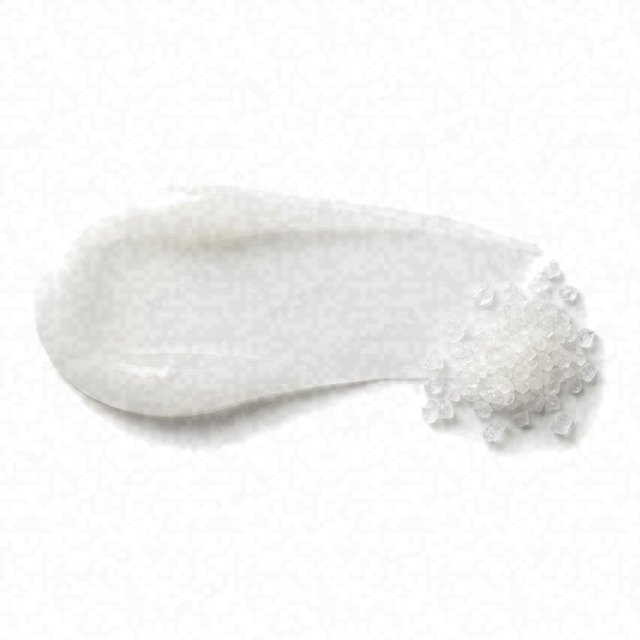 Tranexamic Acid
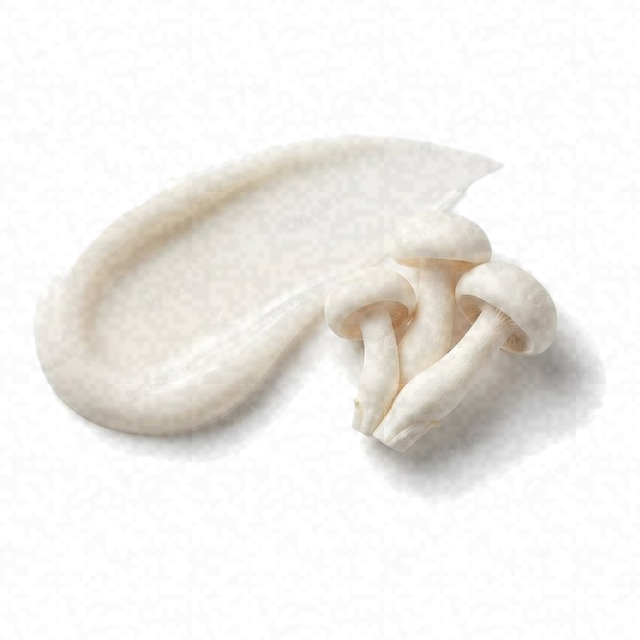 Kojic Acid
 Niacinamide
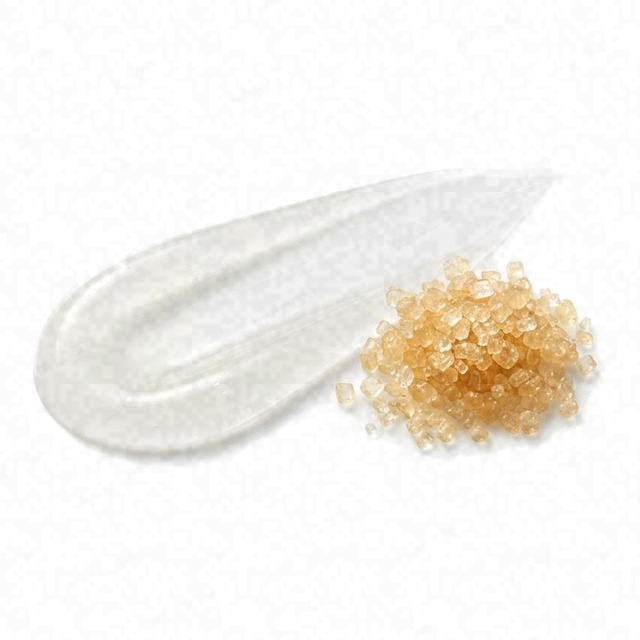 Glycolic Acid
 Ascorbic Acid
Average
- HighOily Skin Fit
- AverageEffectiveness
- Low RiskSafety
Works for oily acne-prone skin; other serums fit it better.
This fit is calculated for the concerns frequently associated with oily acne-prone skin: shine, breakouts, blemishes, and enlarged pores. For scores and recommendations based on your full skin profile, including your 12D face scan results and any goals or preferences you have, please use the Lovi app.
Page built Nov 8, 2026How the Fit score works
Lovi Assistant explains
- Offers moderate brightening for your oily skin as tranexamic acid and kojic acid work to even skin tone, while niacinamide helps regulate sebum production. These ingredients provide supportive benefits for your concerns with acne, blemishes, and breakouts.
- The inclusion of HEPEs offers additional gentle exfoliation, contributing to smoother skin texture.
- The product is generally safe for your oily skin, with a low risk of irritation due to the absence of harsh ingredients.
How to apply
- Could be used as part of your PM routine. Start 3 times a week and build up to daily use if your skin tolerates it well.
- Apply your serum after cleansing and toning, but before putting on your moisturizer.
- Gently press 2 to 3 drops of the serum into your skin and let it absorb for a minute.
- Apply the serum on clean, dry skin to help manage your blemishes safely.
- Do a patch test before your first use and avoid the delicate eye area.
People Say
★3.8Overall rating based on 100+ reviewsBased on limited data, this serum is frequently found at discount retailers and is praised for its lightweight, fast-absorbing texture and affordable price. Users with hyperpigmentation and dullness report moderate success in achieving a brighter complexion and improved hydration, though some users experienced no change in their dark spots. A significant concern is the product's inconsistent availability and lack of brand transparency.
Highlights
Inconsistent availability Mostly Mentioned
- “Hard to find”
- “seems out of business”
- “can't find online”
- “random eBay ad”
Affordable price Often Mentioned
- “Bought at Marshall's”
- “great price”
- “affordable find”
- “good value”
Lightweight texture Often Mentioned
- “Soaks into skin well”
- “lightweight serum”
- “absorbs quickly”
- “not greasy”
Effective brightening Sometimes Noted
- “Works great for me”
- “diminish dark spots”
- “leaves skin glowing”
- “promotes radiant complexion”
Good hydration Sometimes Noted
- “Improved hydration”
- “skin feels soft”
- “healthy glow”
- “non-drying”
Brand transparency Sometimes Noted
- “Is this a scam site?”
- “no customer support”
- “images copied”
- “hard to verify”
Lack of results Sometimes Noted
- “Doesn't work”
- “no change seen”
- “ineffective on scars”
Confusing packaging Rarely Noted
- “Ingredients seem exact same”
- “different colors same formula”
- “confusing labeling”
Sources: lovi.care, reddit.com, skinsort.com, skinsafe-products.com, poshmark.com, mercari.com, and more
Questions and answers
How well does Findley Dark Spot Corrector work for oily acne-prone skin?
Findley Dark Spot Corrector works moderately well for oily acne-prone skin, as tranexamic acid, kojic acid, and niacinamide help even skin tone and manage oil. A treatment for this skin needs ingredients like niacinamide and soothing extracts or antioxidants that control excess oil and target blemishes without heavy or pore-clogging components.
Which ingredients make this treatment a good fit for oily acne-prone skin?
Tranexamic acid and kojic acid even your skin tone, while niacinamide helps control excess oil and HEPEs provides gentle exfoliation for smoother skin. For an even better fit on oily, acne-prone skin, a treatment of this type needs soothing extracts and lightweight hydrators that target blemishes and excess oil without any risk of irritation.
What does Tranexamic Acid do for oily acne-prone skin?
Tranexamic acid helps reduce redness and inflamed spots like pimples and pustules on oily, acne-prone skin. It may also fade lingering dark marks left behind by breakouts with a very low chance of irritation.
Journal of Research in Medical Sciences, 2023Journal of Cosmetic Dermatology, 2022
What does Kojic Acid do for oily acne-prone skin?
Kojic acid helps fade dark spots and calm oily acne-prone skin because it has antioxidant and anti-inflammatory properties. It is generally safe to use, though this skin type also needs ingredients that clear pores and control oil.
Where does it go in a skincare routine for oily acne-prone skin?
This treatment goes in your evening routine, applied after cleansing and before your moisturizer. Oily acne-prone skin needs products with ingredients like tranexamic acid, kojic acid, and niacinamide to help brighten tone and keep oil in check.
Can I use this treatment with retinol, and in what order?
This treatment can be used with retinol by applying your retinol in the evening and alternating nights or keeping them separate, as layering strong ingredients may increase the chance of irritation on oily acne-prone skin. To better fit this skin type, products used alongside or instead of this should include gentle exfoliating acids and calming ingredients that keep breakouts under control while smoothing texture.
How often should I use it?
Use this treatment in the evening once a week to start, and carefully use it more often if your skin handles it well and you see good results. Treatments like this for oily acne-prone skin need gentle exfoliating acids and soothing brighteners to smooth texture and even tone safely.
Can this treatment clog pores, cause breakouts or purging for oily acne-prone skin?
This treatment is unlikely to clog pores or cause breakouts for your oily skin because it contains no harsh ingredients and features niacinamide to help regulate oil. However, this average fit for your skin needs acne-fighting ingredients like salicylic acid and soothing extras to better keep your breakouts under control.
The British Journal of Dermatology, 2002Journal of Cosmetic Dermatology, 2021
What the research says
Niacinamide significantly decreased hyperpigmentation and increased skin lightness compared with vehicle alone after 4 weeks of use in women by inhibiting melanosome transfer.
The British Journal of Dermatology, 2002Daily treatment with a facial serum containing multiple acids reduced post-inflammatory hyperchromia lesion grade and number by 29.4% at 56 days, and decreased skin oiliness by 30.7% at 7 days in Brazilian patients with acne vulgaris.
Journal of Cosmetic Dermatology, 2021A novel composition containing salicylic acid, capryloyl salicylic acid, HEPES, glycolic acid, citric acid, and dioic acid showed similar tolerance and efficacy compared with clindamycin 1% and benzoyl peroxide 5% gel in subjects with acne vulgaris.
Journal of Drugs in Dermatology, 2013A topical formulation containing kojic acid, emblica extract, and glycolic acid demonstrated efficacy parity compared with hydroquinone 4% in multiethnic participants with mild to moderate facial dyschromia.
Cutis, 2010A nanoemulsion containing 1 mg/mL kojic dipalmitate and 5% rosehip oil demonstrated high incorporation efficiency, suitable physicochemical stability, antioxidant and depigmenting efficacy close to 1 mM ascorbic acid, and no cytotoxicity at concentrations from 0.06% to 1% in vitro.
Pharmaceutics, 2023Topical application of iron chelators kojic acid and deferiprone significantly accelerated wound healing in rats compared to control groups, with deferiprone showing superior efficacy due to higher antioxidant and iron chelation abilities.
International Wound Journal, 2013Topical post-laser application of human adipocyte-derived mesenchymal stem cell media combined with niacinamide significantly improved wrinkle index, melanin index, patient satisfaction, and investigator esthetic improvement scores compared to vehicle cream in patients with aging skin.
Journal of Cosmetic Dermatology, 2021Topical nicotinamide prevented solar-simulated UV-induced immunosuppression in healthy volunteers, and men experienced immunosuppression at solar-simulated UV doses three times lower than those required for women.
The Journal of Investigative Dermatology, 2008Topical 5% niacinamide applied twice daily for 12 weeks reduced fine lines and wrinkles, hyperpigmented spots, red blotchiness, and skin sallowness, and improved skin elasticity compared to vehicle control in 50 female white subjects with facial photoaging.
Dermatologic Surgery, 2005Repeated short-contact 70% glycolic acid peels provided superior results in atrophic acne scars compared to daily low-strength glycolic acid cream or placebo in 58 women over 24 weeks.
International Journal of Dermatology, 2000Serial glycolic acid peels combined with a modified Kligman formula significantly reduced facial PIH severity in Indian patients compared to the modified Kligman formula alone.
Dermatologic Surgery, 2017Topical application of 5% vitamin C cream significantly improved global clinical scores, increased skin microrelief density, and induced elastic tissue repair in photoaged skin compared to excipient control in healthy female volunteers.
Experimental Dermatology, 2003Ascorbic acid 2-glucoside gel significantly reduced gingival melanin pigmentation after 4 weeks compared to placebo in 73 subjects with symmetric pigmentation.
Journal of Periodontology, 2009Topical application of VC-IP cream twice daily for 8 weeks reduces periorbital wrinkles in female subjects compared to a placebo cream.
Journal of Cosmetic Dermatology, 2022
Ingredients
Tranexamic Acid, Kojic Acid, Niacinamide, Hepes
Behind this fit score
Lovi calculates every fit score from the full ingredient list with brand-independent rules our dermatologists and cosmetic chemists build and review, and personalizes every pick with AI trained on the real results of millions of users. Lovi trains its fit score models on a proprietary dataset built from more than 10,000 expert-labeled products and more than 100,000 simulated examples, following an internally consistent methodology presented at Cosmoprof, AMWC, and Skin of Color Update.
-

Co-founder, Medical Director
Cosmetic chemist, cosmetologist, aesthetic products developer
-

Co-founder, CEO and CTO
PhD in computer science, 3x US patent holder, ex-Google, ex-Yandex
-

Dr. Sofía Perea Pérez, MD, MSc
Medical Board
Aesthetic medicine practitioner, MSc in Longevity and Anti-Aging Medicine
-

Medical Board
Specialist dermatologist, MBBS, MD, IFAAD
-

Medical Board
Cosmetic chemist, SCS, IFSCC member
-

Medical Board, Medical Advisor
Dermatology MD
-

Elina Nazarenko, MD
Medical Board
Dermatology and diagnostic consultant
-

Victoria Derkova, MS
Medical Board
Cosmetic chemist, cosmetic development technologist


How does it fit your skin?
Scan your face, then any product: Lovi shows how well it fits you and what fits even better.