celimax RETINAL SHOT for oily acne-prone skin

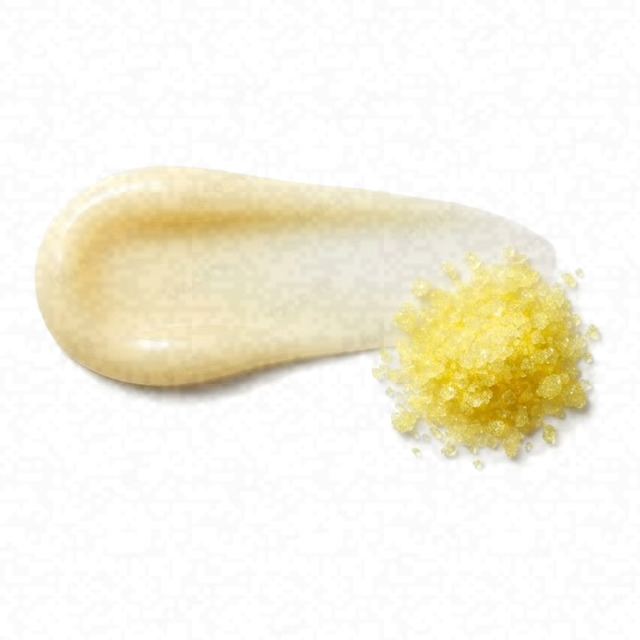 Retinal
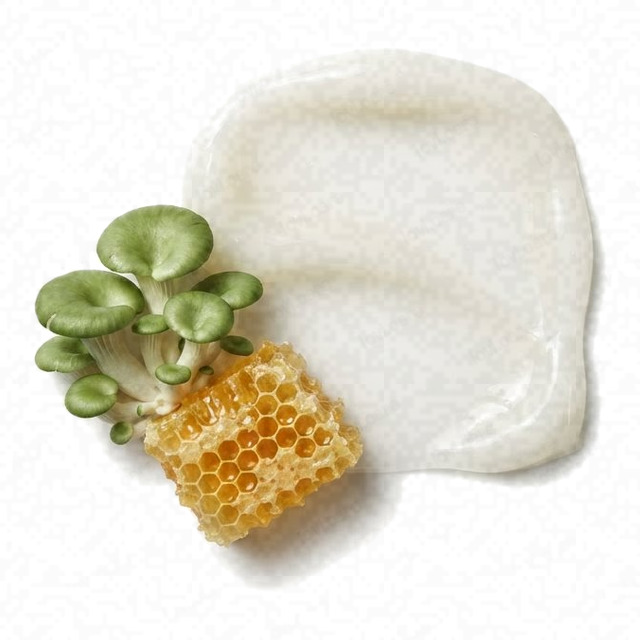 Panthenol
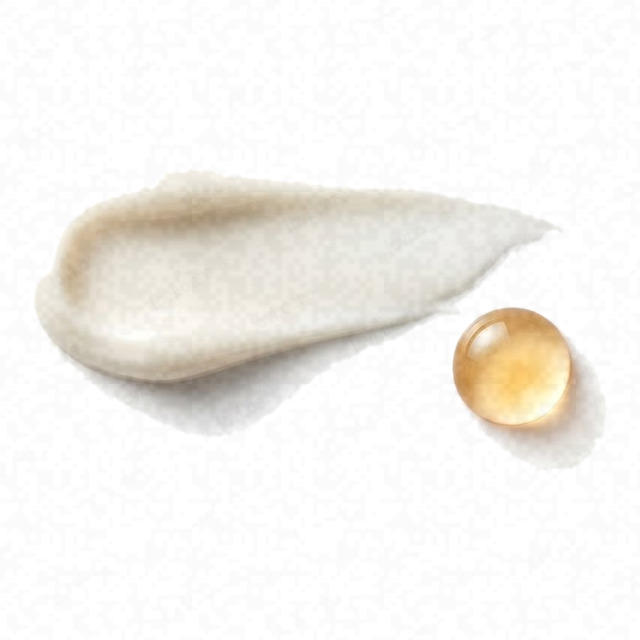 Matrixyl 3000
Average
- HighOily Skin Fit
- AverageEffectiveness
- HighSafety
Works for oily acne-prone skin; other serums fit it better.
This fit is calculated for the concerns frequently associated with oily acne-prone skin: shine, breakouts, blemishes, and enlarged pores. For scores and recommendations based on your full skin profile, including your 12D face scan results and any goals or preferences you have, please use the Lovi app.
Page built Nov 8, 2026How the Fit score works
Lovi Assistant explains
- Offers moderate anti-aging benefits for your oily skin, as retinal helps regulate desquamation and panthenol supports barrier repair, though these functions are not primary for your acne concerns.
- The presence of Matrixyl 3000 provides general skincare benefits like hydration, which can be supportive but does not directly target your primary issues of blemishes and breakouts.
- The product is safe for your oily skin, with no risks of irritation due to the absence of harsh or prohibited ingredients.
How to apply
- Could be used as part of your PM routine. Start 3 times a week and build up to daily use if your skin tolerates it well.
- Apply your serum after cleansing and toning, but before putting on your moisturizer.
- Gently press 2 to 3 drops of the serum into your skin and let it absorb for a minute.
- Apply the serum on clean, dry skin to help manage your blemishes safely.
- Do a patch test before your first use and avoid the delicate eye area.
People Say
★4.7Overall rating based on 1.5k+ reviewsBased on a very large amount of data, this booster treatment is highly praised for its ability to rapidly smooth skin texture and refine pores. Users frequently report a 'glass skin' effect and improved makeup application. The unique tingling sensation from the spicules and the small tube size are common points of discussion.
Highlights
Smoother Skin Texture Mostly Mentioned
- “glass-like smoothness”
- “refined pores”
- “softened roughness”
Visible Firming & Anti-Aging Often Mentioned
- “plumper skin”
- “faded fine lines”
- “improved elasticity”
Prickly/Tingling Sensation Often Mentioned
- “stinging”
- “zap-like”
- “prickly”
Small Quantity Often Mentioned
- “tiny”
- “finishes too fast”
- “expensive per ml”
Better Makeup Application Sometimes Noted
- “foundation sits better”
- “creases less”
- “looks flawless”
Fast Absorption Sometimes Noted
- “lightweight”
- “non-greasy”
- “melts instantly”
Initial Irritation Sometimes Noted
- “redness”
- “dry patches”
- “mild purging”
Yellow Residue Rarely Noted
- “slight yellow tint”
- “stains pillowcases”
Sources: lovi.care, oliveyoung.com, iherb.com, stylekorean.com, celimax.us, youtube.com, and more
Questions and answers
How well does celimax Retinal Shot work for oily acne-prone skin?
celimax Retinal Shot works moderately well for your oily acne-prone skin, as retinal helps regulate skin cell turnover and panthenol supports barrier repair, though these functions are not primary for your acne concerns. The product is safe for your skin with no risks of irritation, but a treatment of this type needs ingredients like niacinamide, propolis, benzoyl peroxide, or Vitamin C to directly target breakouts and control excess oil.
American Journal of Clinical Dermatology, 2002The Journal of Dermatological Treatment, 2017
Which ingredients make this treatment a good fit for oily acne-prone skin?
Retinal, panthenol, and Matrixyl 3000 make this treatment work for your oily acne-prone skin by helping regulate skin renewal, supporting barrier repair, and providing hydration. Treatments that fit this skin type even better typically need ingredients like niacinamide, propolis, benzoyl peroxide, or Vitamin C to directly target excess oil, breakouts, and blemishes.
The Journal of Dermatological Treatment, 2017Journal of Cosmetic Dermatology, 2025
What does Retinal do for oily acne-prone skin?
Retinal helps clear clogged pores, reduces bumps and pimples, and helps balance oil production for oily, acne-prone skin. It is generally well tolerated when used regularly as part of an acne skincare routine.
Clinical and Experimental Dermatology, 1999European Review for Medical and Pharmacological Sciences, 2014
What does Panthenol do for oily acne-prone skin?
Panthenol helps regulate sebum, improves skin hydration, and reduces redness and irritation in oily acne-prone skin. It is well tolerated and may support barrier recovery without causing adverse reactions.
Where does this treatment go in a skincare routine for oily acne-prone skin?
This treatment goes in your evening routine, safely used after cleansing and before moisturizing. It works well for oily skin, though this skin type needs products that directly target breakouts and blemishes with blemish-clearing ingredients.
Can I use this treatment with vitamin C, and in what order?
You can use this treatment with vitamin C by applying vitamin C in the morning and this treatment in the evening to keep your oily skin calm and smooth.
How often should I use this treatment?
Apply this treatment in the evening, starting once a week to see how your skin reacts. If your skin feels comfortable and you like the results, you may slowly use it more often. Oily acne-prone skin needs products with blemish-fighting and oil-controlling ingredients to properly target breakouts.
The Journal of Dermatological Treatment, 2017Journal of Cosmetic Dermatology, 2025
Can this treatment clog pores, cause breakouts or purging for oily acne-prone skin?
This treatment is unlikely to clog pores or cause breakouts on oily skin, but it may cause initial irritation or a tingling sensation. To better target breakouts and blemishes, this skin type needs products with ingredients that directly clear pores and fight blemishes.
What the research says
A new topical panthenol-containing emollient significantly improved transepidermal water loss reduction, stratum corneum hydration, and intercellular lipid lamellae length compared with control in healthy subjects without negatively impacting bacterial viability.
The Journal of Dermatological Treatment, 2017A panthenol-enriched mask significantly decreased erythema and hyperpigmentation, increased sebum and stratum corneum moisture, and reduced transepidermal water loss compared to a saline dressing in 60 subjects undergoing facial laser treatment.
Journal of Cosmetic Dermatology, 2025Topical dexpanthenol acts as a moisturizer, improves stratum corneum hydration, accelerates wound healing and epidermal regeneration, reduces erythema, and improves symptoms of skin irritation compared to vehicle or no pretreatment.
American Journal of Clinical Dermatology, 2002A multi-modal methodology combining MALDI-MSI, in vivo RCM, echography, and histology revealed age-related decreases in extracellular matrix and epidermal-dermal junction proteins and undulation depth, while a blend of palmitoyl oligopeptide and palmitoyl tetrapeptide-7 improved subepidermal low-echogenic band thickness, density, and extracellular matrix structure compared to placebo.
Journal of Cosmetic Dermatology, 2015Palmitoyl tetrapeptide-7, acetyl hexapeptide-8, palmitoyl tripeptide-1, and palmitoyl tetrapeptide-10 significantly increased type III collagen levels in human dermal fibroblasts following UV exposure, with their combination demonstrating a greater effect in vitro and enhancing type I, III, and IV collagen levels in ex vivo skin tissues compared to individual components.
International Journal of Cosmetic Science, 2026Twice daily application of retinaldehyde 0.1% and 0.05% creams for 3 months improved skin texture and hydration and reduced transepidermal water loss in 40 female Korean volunteers, with only the 0.1% cream significantly improving the melanin index.
Journal of Cosmetic Dermatology, 2018Topical retinaldehyde demonstrated significant antibacterial activity against gram-positive bacteria both in vitro and in vivo, leading to decreased bacterial counts without inducing resistance.
Dermatology, 2002Topical 0.05% retinaldehyde applied over 1 year significantly increased epidermal thickness of the temple and cutaneous elasticity compared to an emollient control group in 40 aging skin patients.
Dermatology, 1999Moisturizer containing 5% panthenol, madecassoside, and copper-zinc-manganese decreased adverse reactions and downtime after ablative fractional carbon dioxide laser resurfacing with comparable efficacy to 0.02% triamcinolone acetonide cream in 20 subjects.
Journal of Cosmetic Dermatology, 2019Topical dexpanthenol formulated in lipophilic vehicles improved stratum corneum hydration and reduced transepidermal water loss compared to vehicle control in humans.
Arzneimittel-Forschung, 2000Hyaluronic acid, hyaluronic acid plus dexpanthenol, and isotonic saline nasal sprays all significantly improved dry nose symptoms over four weeks in 240 patients, with hyaluronic acid plus dexpanthenol providing superior nasal moisturisation compared to the other two.
Auris, Nasus, Larynx, 2020Chronomodulated daytime application of baicalin and nighttime application of palmitoyl tripeptide-1 synergistically improved skin luminance by 16.29%, nasolabial fold depth by -36.35%, and firmness by 24.35% in 30 female participants.
Journal of Cosmetic Dermatology, 2026
Why other serums fit oily acne-prone skin better
Adapalene 0.1%-benzoyl peroxide 2.5% fixed-dose combination gel provided significantly greater, synergistic efficacy and a faster onset of action compared with the vehicle, adapalene monotherapy, and benzoyl peroxide monotherapy in patients with acne vulgaris.
The British Journal of Dermatology, 2009Topical benzoyl peroxide 5% gel treatment improved acne severity, sebum, stratum corneum hydration, and transepidermal water loss, while significantly reducing microbial diversity and the prevalence of Cutibacterium in 33 patients with acne vulgaris.
Dermatologic Therapy, 2022A cream combining propolis, tea tree oil, and Aloe vera reduced erythema scars, acne severity index, and total lesion count better than erythromycin cream in sixty patients with mild to moderate acne vulgaris compared to placebo.
Clinical Pharmacology, 2018
Ingredients
Behind this fit score
Lovi calculates every fit score from the full ingredient list with brand-independent rules our dermatologists and cosmetic chemists build and review, and personalizes every pick with AI trained on the real results of millions of users. Lovi trains its fit score models on a proprietary dataset built from more than 10,000 expert-labeled products and more than 100,000 simulated examples, following an internally consistent methodology presented at Cosmoprof, AMWC, and Skin of Color Update.
-

Co-founder, Medical Director
Cosmetic chemist, cosmetologist, aesthetic products developer
-

Co-founder, CEO and CTO
PhD in computer science, 3x US patent holder, ex-Google, ex-Yandex
-

Dr. Sofía Perea Pérez, MD, MSc
Medical Board
Aesthetic medicine practitioner, MSc in Longevity and Anti-Aging Medicine
-

Medical Board
Specialist dermatologist, MBBS, MD, IFAAD
-

Medical Board
Cosmetic chemist, SCS, IFSCC member
-

Medical Board, Medical Advisor
Dermatology MD
-

Elina Nazarenko, MD
Medical Board
Dermatology and diagnostic consultant
-

Victoria Derkova, MS
Medical Board
Cosmetic chemist, cosmetic development technologist


How does it fit your skin?
Scan your face, then any product: Lovi shows how well it fits you and what fits even better.