Murad Clarifying Cleanser for oily acne-prone skin

 Salicylic Acid
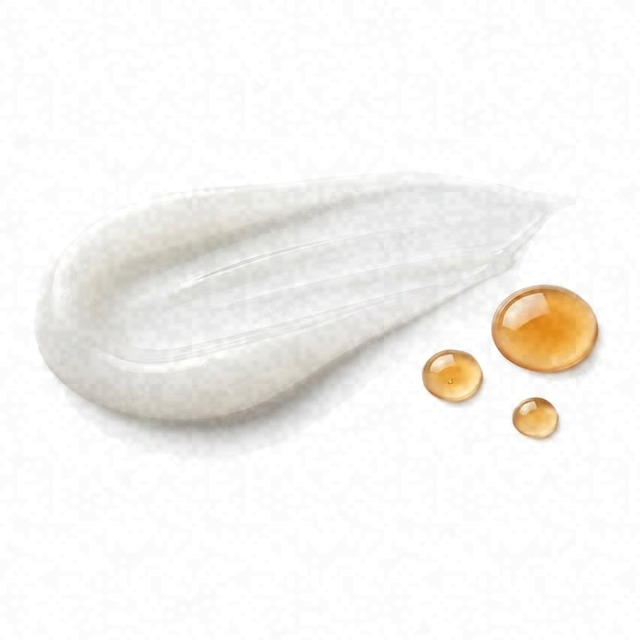 Cocamidopropyl Betaine
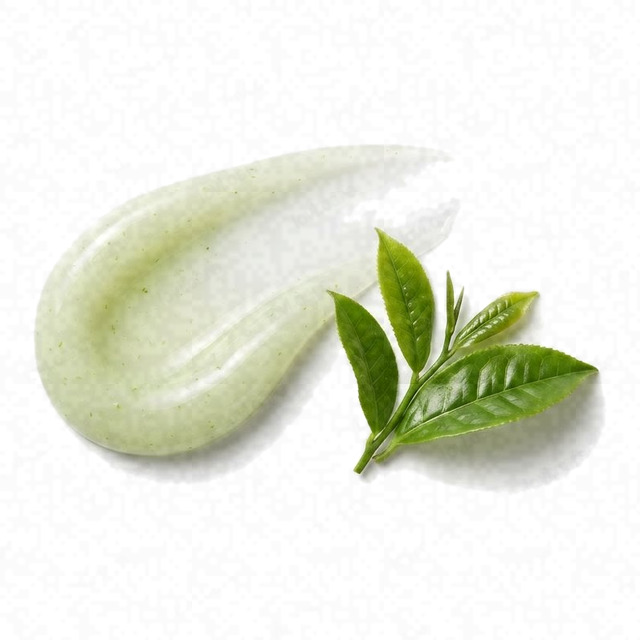 Camellia Oleifera Leaf Extract
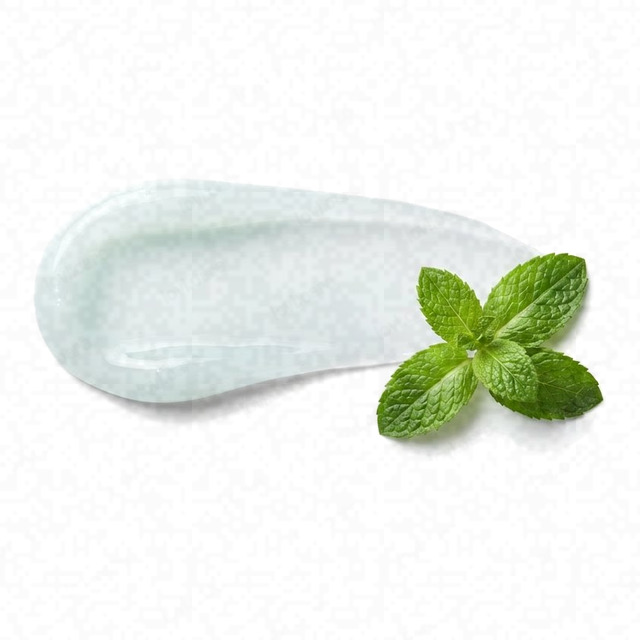 Menthol
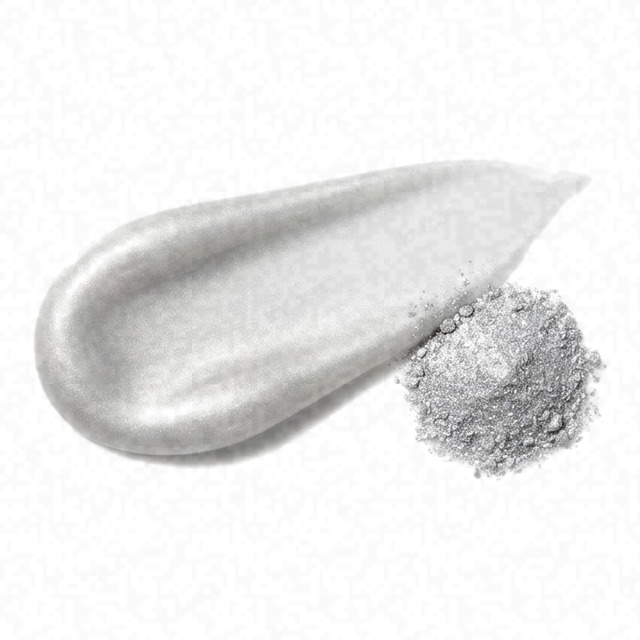 Silver Citrate
Average
- HighOily Skin Fit
- AverageEffectiveness
- ExcellentSafety
Works for oily acne-prone skin; other cleansers fit it better.
This fit is calculated for the concerns frequently associated with oily acne-prone skin: shine, breakouts, blemishes, and enlarged pores. For scores and recommendations based on your full skin profile, including your 12D face scan results and any goals or preferences you have, please use the Lovi app.
Page built Nov 8, 2026How the Fit score works
Lovi Assistant explains
- Offers moderate exfoliation for your oily skin due to salicylic acid and urea, which help cleanse pores and manage oiliness, but may not be specialized enough for your acne, blemishes, and breakouts.
- Yeast amino acids and trehalose provide humectant action, supporting hydration for your oily skin type.
- The formula is safe for your skin, with no risks of irritation from harsh ingredients and the inclusion of soothing components.
How to apply
- Use this cleanser as part of your AM and PM routine. Start using it daily to help clear your breakouts.
- Apply this cleanser as the first step in the morning and right after your pre-cleanser in the evening. Follow it with your toner and moisturizer.
- Gently massage a small amount of the cleanser onto your face using circular motions. Rinse thoroughly with lukewarm water and pat dry.
- Apply the cleanser on slightly damp skin to help clean deeply and remove excess oil. This works best for oily skin types.
- Avoid the sensitive eye area during application. Do a patch test before your first use.
People Say
★4.2Overall rating based on 5.0k+ reviewsThis gel cleanser is widely praised by users with oily and acne-prone skin for its ability to significantly reduce breakouts and control excess oil using encapsulated salicylic acid. While effective for deep cleaning, it is potent and frequently cited as drying or stripping, making it less suitable for sensitive or dry skin types without careful hydration. The summary is based on a very large amount of data and should be definitely taken into account.
Highlights
Clears acne effectively Mostly Mentioned
- “significantly decreased my breakouts”
- “bumps and acne are smoothing out”
- “kills all bacteria on face”
- “cleared up my chin acne”
Controls oil and shine Often Mentioned
- “dissolves excess oil”
- “skin doesn't feel as oily”
- “keeps my face matte”
- “controls shine for hours”
Deep clean feeling Often Mentioned
- “pores feel like they are breathing”
- “feels squeaky clean”
- “removes all grime”
- “leaves skin fresh”
Drying and stripping Often Mentioned
- “dried me out like a prune”
- “skin feeling tight and dry”
- “left face flaky and red”
- “stripped my moisture barrier”
Cooling sensation Sometimes Noted
- “tingly cooling sensation”
- “cools your face”
- “feels refreshing and minty”
- “nice cooling effect”
Lathers well Sometimes Noted
- “little goes a long way”
- “lathers up really well”
- “rich foam”
- “only need a pea size”
Causes purging/breakouts Sometimes Noted
- “caused breakouts and cystic acne”
- “purging phase never stopped”
- “made things worse at first”
- “gave me huge pimples”
High price point Sometimes Noted
- “expensive for a face wash”
- “waste of money”
- “price is steep”
- “not worth the cost”
Medicinal scent Rarely Noted
- “smells like pine-sol”
- “strong chemical smell”
- “medicinal scent”
- “scent is overpowering”
Packaging issues Rarely Noted
- “paint coming off tube”
- “leaks in the shower”
- “hard to get product out”
- “packaging peels off”
Sources: lovi.care, sephora.com, ulta.com, amazon.com, dermstore.com, murad.com, and more
Questions and answers
How well does Murad Clarifying Cleanser work for oily acne-prone skin?
Murad Clarifying Cleanser works reasonably well for your oily acne-prone skin by offering moderate exfoliation that helps cleanse pores and manage oiliness, but it may not be specialized enough for all your breakouts. To fit your skin better, a cleanser of this type needs soothing and effective ingredients like niacinamide, ceramides, or probiotics to address acne while maintaining skin clarity without irritation.
Journal of Cosmetic Dermatology, 2024BioMed Research International, 2020
Which ingredients make this cleanser a good fit for oily acne-prone skin?
Salicylic acid and urea help cleanse pores and manage oiliness, while yeast amino acids and trehalose support hydration for your oily skin type. To better fit oily and acne-prone skin, a product of this type needs soothing and effective ingredients like niacinamide, ceramides, or probiotics to address breakouts and balance oil production without irritation.
Skin Research and Technology, 2024Journal of Cosmetic Dermatology, 2024
What does Salicylic Acid do for oily acne-prone skin?
Salicylic acid helps clear breakouts and keeps oily skin balanced by reducing oil levels and calming inflammation. It is well suited for oily, acne-prone skin because it targets pimples while helping keep the skin hydrated and protected.
Journal of Cosmetic Dermatology, 2025Experimental Dermatology, 2019
What does Cocamidopropyl Betaine do for oily acne-prone skin?
Cocamidopropyl betaine is a cleansing ingredient that helps wash away dirt and excess oil from oily, acne-prone skin, though it may occasionally cause skin irritation or allergic reactions in some people. This type of skin needs gentle cleansers and oil-reducing ingredients that clear pores while keeping the skin barrier healthy and calm.
Where does this cleanser go in a skincare routine for oily acne-prone skin?
This cleanser fits into both your morning and evening routine as the first step of cleansing your skin. To properly care for oily, acne-prone skin, a cleanser of this type needs soothing ingredients and gentle pore-clearing components like salicylic acid to help manage oiliness.
Can I use this cleanser with retinol, and in what order?
You can use this cleanser in your routine, but because it exfoliates, apply your retinol at a different time of day or on alternate days to help prevent irritation. Oily acne-prone skin typically needs a gentle, non-exfoliating cleanser combined with targeted acne treatments and barrier-supporting ingredients when using retinol.
How often should I use this cleanser?
You can use this cleanser daily in the morning and evening as part of your routine. This type of product for oily acne-prone skin needs specialized blemish-fighting ingredients and targeted acne treatments to better manage breakouts.
Can this cleanser clog pores, cause breakouts or purging for oily acne-prone skin?
Yes, this cleanser may cause breakouts or purging for your oily acne-prone skin, as reviewers moderately complain about this effect. While it helps manage oiliness with salicylic acid, cleansers for this skin work best when they include specialized blemish-fighting ingredients and soothing components that prevent irritation.
Journal of Cosmetic Dermatology, 2024BioMed Research International, 2020
Can I use this cleanser around the eyes or on my body?
You can use this cleanser on your body, but it is best to avoid the thin skin directly around the eyes. Because the eyelid skin is among the thinnest on the body, harsh cleansers may easily cause dryness and irritation there.
Is this cleanser fragrance-free and alcohol-free?
It has no drying alcohol and contains fragrance (limonene and parfum).
What the research says
Sodium trehalose sulfate decreased transepidermal water loss and increased stratum corneum water content in participants with low stratum corneum water content when applied for 4 weeks compared to placebo.
Skin Research and Technology, 2024Topical moisturizers improved skin barrier function and surface moisture, while a postbiotic moisturizer with yeast extract uniquely supported microbiome balance and modulated biomarkers of skin barrier, structure, and inflammation in participants and ex vivo explants exposed to environmental aggressors.
Journal of Clinical Medicine, 2023Twice daily application of a multitargeted dermocosmetic cream provided comparable efficacy to benzoyl peroxide 5% gel in reducing inflammatory, non-inflammatory, and total lesions in 150 Caucasian subjects with mild-to-moderate acne over 56 days, while demonstrating superior skin tolerability.
Journal of Cosmetic Dermatology, 2024A moisturizer containing licochalcone A, 1,2-decanediol, L-carnitine, and salicylic acid significantly reduced noninflammatory, inflammatory, and total acne lesion counts compared to a vehicle control in Thai patients during a 12-week maintenance phase.
BioMed Research International, 2020Cryotherapy with liquid nitrogen achieved a higher cure rate (39%) than salicylic acid (24%) and a wait-and-see approach (16%) for cutaneous warts at 13 weeks in primary care patients.
CMAJ, 2010Treatment with 2% supramolecular salicylic acid hydrogel resulted in a regression and markedly improvement rate of 51.01% compared to 43.10% for Adapaline gel in patients with mild to moderate facial acne vulgaris, showing no significant difference in efficacy.
Journal of Cosmetic Dermatology, 2024Topical 5% benzoyl peroxide plus salicylic acid achieved the greatest lesion reduction at early 2 to 4 week time points compared to benzoyl peroxide, clindamycin, and combination benzoyl peroxide/clindamycin, while 5% benzoyl peroxide plus salicylic acid and combination benzoyl peroxide/clindamycin showed similar efficacy at 10 to 12 weeks in acne patients.
Journal of the American Academy of Dermatology, 2010The cytotoxic effect of sodium lauryl sulphate on normal human keratinocytes was significantly decreased when combined with cocamidopropyl betaine, Tween 20, and Tween 80 at concentrations well below the critical micelle concentration.
Skin Pharmacology and Applied Skin Physiology, 2003Topical green tea extract significantly improved clinical symptoms, tear breakup times, and meibomian gland health compared to standard treatment in patients with dry eye and Meibomian Gland Dysfunction.
Journal of Clinical and Diagnostic Research, 2017Topical low-dose green tea extract reduces UVB-induced p53 expression and apoptosis in human skin keratinocytes compared to placebo.
Experimental Dermatology, 2009An anti-acne hydrogel containing Aloe barbadensis, Garcinia mangostana, and Camellia sinensis extracts showed superior antiacne and antiblotch activities compared to 1% clindamycin gel in sixty subjects with mild-moderate acne.
Clinical, Cosmetic and Investigational Dermatology, 2019Coadministration of 40% topical L-menthol with 10% trans-cinnamaldehyde reduced spontaneous pain intensity, neurogenic inflammation, primary and secondary mechanical hyperalgesia, and heat hyperalgesia, but not cold hyperalgesia, in 14 healthy volunteers.
The Journal of Pain, 2016Topical application of menthol-based cooling gel decreased intramuscular temperature by 1.9 °C and increased cutaneous blood flow by 0.3 ml/min in healthy males compared to placebo gel.
International Journal of Sports Physical Therapy, 2018Cooling skin temperature or applying topical menthol reduced histamine-induced itch intensity and flare diameters in healthy male volunteers.
Neuroscience Letters, 1995
Why other cleansers fit oily acne-prone skin better
Topical application of Lactobacillus plantarum-GMNL6 enhanced collagen synthesis and SPTSSA gene expression while reducing melanin synthesis, Staphylococcus aureus biofilm, and Cutibacterium acnes proliferation, leading to clinical improvements in skin moisture, color, spots, wrinkles, UV spots, and porphyrins in human volunteers.
International Journal of Medical Sciences, 2021A panthenol-enriched mask improved skin hydration, regulated sebum, and reduced redness and TEWL across dry sensitive, oily sensitive, and oily acne skin subgroups with excellent tolerance and no adverse reactions.
Journal of Cosmetic Dermatology, 2024A novel emulsion containing niacinamide, lens esculenta seed extract, and white willow bark extract effectively improved acne, blackheads, and conspicuous facial pores in 30 subjects with oily skin.
Journal of Cosmetic Dermatology, 2024
Ingredients
Water, Sodium C14-16 Olefin Sulfonate, Cocamidopropyl Betaine, Urea, Yeast Amino Acids, Trehalose, Inositol, Taurine, Betaine, Methyl Gluceth-20, Ppg-26-Buteth-26, Peg-40 Hydrogenated Castor Oil, Butylene Glycol, Cimicifuga Racemosa Root Extract, Camellia Oleifera Leaf Extract, Silver Citrate, Peg-150 Distearate, Menthol, Zea Mays Starch, Hydrolyzed Corn Starch, Hydrolyzed Corn Octenylsuccinate Starch, Glyceryl Stearate, Cocamidopropyl Dimethylamine, Polysorbate 80, Citric Acid, Disodium Edta, Phenoxyethanol, Caprylyl Glycol, Chlorphenesin, Limonene, Citrus Reticulata Oil Leaf Tangerine Oil Leaf, Citronella Oil, Lemon Peel Oil, Citrus Aurantifolia Oil, Lavandula Hybrida Oil, Citrus Nobilis Peel Oil Mandarin Orange Peel Oil, Prunus Armeniaca Kernel Oil Apricot Kernel Oil, Parfum, Salicylic Acid
Behind this fit score
Lovi calculates every fit score from the full ingredient list with brand-independent rules our dermatologists and cosmetic chemists build and review, and personalizes every pick with AI trained on the real results of millions of users. Lovi trains its fit score models on a proprietary dataset built from more than 10,000 expert-labeled products and more than 100,000 simulated examples, following an internally consistent methodology presented at Cosmoprof, AMWC, and Skin of Color Update.
-

Co-founder, Medical Director
Cosmetic chemist, cosmetologist, aesthetic products developer
-

Co-founder, CEO and CTO
PhD in computer science, 3x US patent holder, ex-Google, ex-Yandex
-

Dr. Sofía Perea Pérez, MD, MSc
Medical Board
Aesthetic medicine practitioner, MSc in Longevity and Anti-Aging Medicine
-

Medical Board
Specialist dermatologist, MBBS, MD, IFAAD
-

Medical Board
Cosmetic chemist, SCS, IFSCC member
-

Medical Board, Medical Advisor
Dermatology MD
-

Elina Nazarenko, MD
Medical Board
Dermatology and diagnostic consultant
-

Victoria Derkova, MS
Medical Board
Cosmetic chemist, cosmetic development technologist


How does it fit your skin?
Scan your face, then any product: Lovi shows how well it fits you and what fits even better.