Medicube Deep Vita A Retinol Serum for sensitive skin

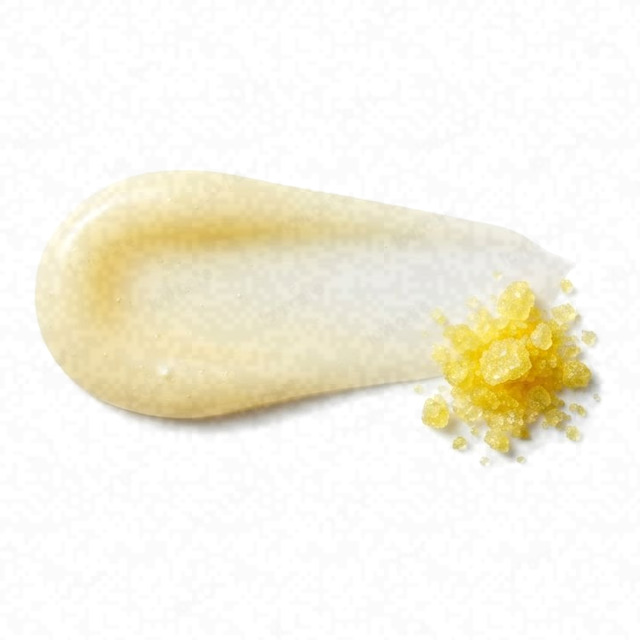 Retinol
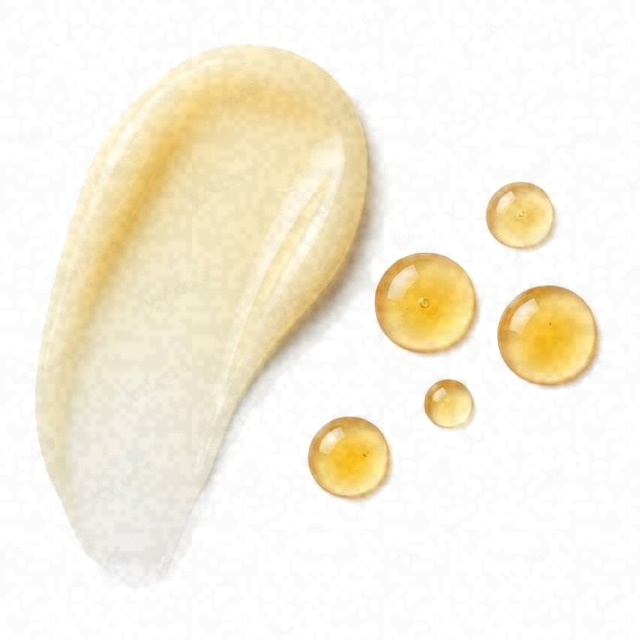 Hydroxypinacolone Retinoate
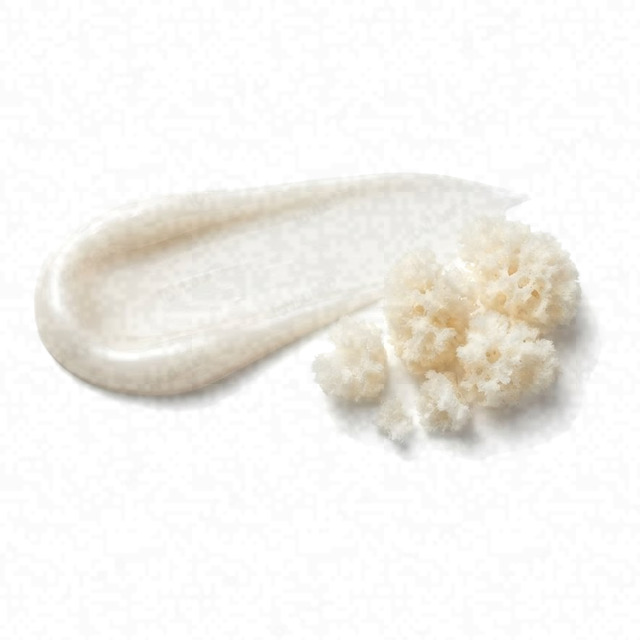 Collagen Complex
 Niacinamide
 Squalane
Average
- HighNormal Skin Fit
- AverageEffectiveness
- HighSafety
Works for sensitive skin; other serums fit it better.
This fit is calculated for the concerns frequently associated with sensitive skin: redness, stinging, and reactions to new products. For scores and recommendations based on your full skin profile, including your 12D face scan results and any goals or preferences you have, please use the Lovi app.
Page built Nov 8, 2026How the Fit score works
Lovi Assistant explains
- Offers moderate anti-aging benefits for your normal skin due to the presence of retinol and retinal, which help minimize fine lines and wrinkles.
- Centella Asiatica Extract and Dipotassium Glycyrrhizate provide supportive soothing effects for your redness and irritation.
- The product is safe for your normal skin with sensitivity, as it lacks prohibited or harsh ingredients.
How to apply
- Use your serum in the PM routine, starting 3 times a week before building up to daily use if your skin is happy.
- Apply the serum after cleansing and toning, but before putting on your moisturizer for the best results.
- Gently press 2-3 drops of the serum into your skin and wait a minute ⏱ for it to soak in.
- Since your skin is sensitive and easily irritated, apply the serum on completely dry skin to help keep it calm.
- Always do a patch test before your first use and avoid getting the serum too close to your eyes .
People Say
★4.8Overall rating based on 100+ reviewsBased on limited data, users find this serum to be an excellent beginner retinol, appreciated for its gentle and hydrating formula that minimizes irritation. It effectively smooths skin texture and refines pores, with many users reporting immediate brightening and a 'glass skin' effect. Deeper wrinkles are noted to improve with consistent, long-term use.
Highlights
Gentle, low irritation Mostly Mentioned
- “only retinol my skin can accept”
- “no peeling or dryness”
- “great for retinol beginners”
Improves texture Often Mentioned
- “skin is baby soft”
- “smaller pores around chin”
- “definite improvement in smoothness”
Hydrating, non-drying Sometimes Noted
- “quite moisturizing”
- “leaves skin dewy”
- “breaks the stereotype that retinol equals dryness”
Pleasant texture Sometimes Noted
- “absorbs nicely”
- “silky feel”
- “not too runny, easy to apply”
Slow wrinkle results Sometimes Noted
- “no noticeable changes for deep wrinkles yet”
- “wrinkle improvement is a long-term game”
- “needs 2-3 months for definitive results”
Mild purging Rarely Noted
- “slight drying effect”
- “skin felt warm initially”
- “minor flaking”
Slightly sticky Rarely Noted
- “bit rich”
- “skip moisturizer in summer”
- “slight stickiness initially”
Small bottle size Rarely Noted
- “size is a bit small”
- “price is a bit disappointing”
- “wish they increased the volume”
Sources: lovi.care, stylekorean.com, iherb.com, ballagrio.com, hwahae.co.kr, medicube.us, and more
Questions and answers
How well does medicube Deep Vita A Retinol work for sensitive skin?
This product works for sensitive skin, though other treatments fit it better. To work well for this skin type, a treatment needs soothing ingredients like Centella asiatica extract and niacinamide, along with gentle hydrators that calm redness and irritation without causing stinging.
Which ingredients make this serum a good fit for sensitive skin?
This serum fits sensitive skin moderately well thanks to Centella Asiatica Extract and Dipotassium Glycyrrhizate, which provide supportive soothing effects for redness and irritation. Retinol and retinal also help minimize fine lines and wrinkles. For this skin type, a product of this type needs soothing ingredients, potent antioxidants, hydrating components, and skin-repairing ingredients that calm redness while posing no risk of irritation.
What does Retinol do for sensitive skin?
Retinol is generally too harsh for sensitive skin and may cause stinging, scaling, and irritation. A product for this skin needs gentle ingredients that smooth and calm without causing redness.
The British Journal of Dermatology, 2019Toxicology Letters, 2003
What does Hydroxypinacolone Retinoate do for sensitive skin?
Hydroxypinacolone retinoate helps smooth lines and firm skin while keeping irritation low, making it a gentle choice for sensitive skin. Clinical studies show it improves wrinkles and elasticity without the redness often caused by traditional retinoids.
Journal of Cosmetic Dermatology, 2026Journal of Cosmetic Dermatology, 2023
Where does this serum go in a skincare routine for sensitive skin?
This treatment goes in the evening routine after your soothing toner and before your moisturizer. A product of this type needs gentle calming ingredients and soothing hydrators to keep sensitive skin comfortable.
Can I use it with vitamin C, and in what order?
It is best to use vitamin C in your morning routine and this treatment at night to help prevent dryness and stinging on sensitive skin. To better fit sensitive skin, a treatment of this type needs calming ingredients and soothing agents like Centella Asiatica to keep the skin calm and comfortable.
How often should I use this serum?
This serum works for sensitive skin in the evening, used in your routine after your toner and before your moisturizer. It helps smooth fine lines, but because sensitive skin needs extra care, a product of this type needs calming ingredients like centella asiatica and soothing plant extracts to keep the skin calm and comfortable.
Clinical, Cosmetic and Investigational Dermatology, 2023The British Journal of Dermatology, 2019
Can it clog pores, cause breakouts or purging for sensitive skin?
This serum may cause mild purging for sensitive skin as it contains retinol and other vitamin A ingredients that speed up skin cell turnover. A product for this skin needs soothing and calming ingredients like Centella Asiatica extract and squalane to help keep irritation low.
Is this serum fragrance-free and alcohol-free?
It has no drying alcohol and contains fragrance (parfum).
What the research says
Topical bakuchiol 0.5% applied twice daily compared with retinol 0.5% applied daily significantly decreased wrinkle surface area and hyperpigmentation with no statistical difference between the compounds in 44 patients over 12 weeks, while retinol users reported more facial skin scaling and stinging.
The British Journal of Dermatology, 2019Cosmetic formulations containing 5% Centella asiatica extract showed the best efficacy in improving skin moisture and decreasing transepidermal water loss, while also exhibiting antiinflammatory properties in 25 volunteers compared to baseline measurements.
Indian Journal of Pharmaceutical Sciences, 2016Co-delivery of paeonol and madecassoside via nanoemulsions improved transdermal delivery, promoted barrier repair proteins, inhibited inflammatory cytokine secretion in cellular and 3D models, and reduced transepidermal water loss and acne in human facial skin compared to free components.
Molecules, 2023Topical 0.4% retinol significantly increased epidermal thickness, dermal vascularity, and extracellular matrix production by stimulating keratinocyte proliferation, endothelial cell proliferation, and fibroblast activation in naturally aged human skin compared to vehicle.
International Journal of Cosmetic Science, 2017Silicone particles encapsulating retinol increased its half-life by 9-fold and yielded 12-23% lower skin irritation in human subjects compared to Microsponge particles while maintaining biological activity.
Journal of Controlled Release, 2018Topical stabilized retinol treatment induced HAS gene expression and increased hyaluronic acid production in human skin in vitro, ex vivo, and in vivo compared to vehicle.
Archives of Dermatological Research, 2017A topical serum containing hydroxypinacolone retinoate and peptides used twice daily for 16 weeks achieved parity or statistically significantly better improvement in facial aging parameters compared to a single fractional CO2 laser treatment in women with moderate global photodamage.
Journal of Cosmetic Dermatology, 2025Combined probiotic supplementation and topical azelaic acid with hydroxypinacolone retinoate reduced non-inflammatory lesions from 11.5 to 7.3 and decreased microscopic acne features measured by reflectance confocal microscopy and dynamic optical coherence tomography in 20 patients over 12 weeks.
Journal of Clinical Medicine, 2023Hydroxypinacolone retinoate and retinyl propionate at a 5:9 weight ratio synergistically enhanced antiaging gene expressions in vitro and improved skin wrinkles, smoothness, transepidermal water loss, and elasticity in 42 Chinese urban women over an 8-week period without adverse reactions compared to retinol.
Journal of Cosmetic Dermatology, 2023Topical application of TAC/Collagen postbiotics gel improved skin moisture score and inflammation index, and reduced porphyrins and brown spots in 20 volunteers with acne vulgaris.
Journal of Cosmetic Dermatology, 2022Topical collagen tripeptide application improved skin wrinkles, elasticity, and density while reducing advanced glycated end products in 22 Asian women over 4 weeks.
International Journal of Molecular Sciences, 2022Marine collagen extracted from Greenland halibut skin showed a non-cytotoxic effect on fibroblast cells and provided a slight skin hydration effect when incorporated into cosmetic hydrogel formulations at dosages of 0.1, 0.25, and 0.5% in 23 healthy volunteers.
Marine Drugs, 2023Topical post-laser application of human adipocyte-derived mesenchymal stem cell media combined with niacinamide significantly improved wrinkle index, melanin index, patient satisfaction, and investigator esthetic improvement scores compared to vehicle cream in patients with aging skin.
Journal of Cosmetic Dermatology, 2021Topical nicotinamide prevented solar-simulated UV-induced immunosuppression in healthy volunteers, and men experienced immunosuppression at solar-simulated UV doses three times lower than those required for women.
The Journal of Investigative Dermatology, 2008Topical 5% niacinamide applied twice daily for 12 weeks reduced fine lines and wrinkles, hyperpigmented spots, red blotchiness, and skin sallowness, and improved skin elasticity compared to vehicle control in 50 female white subjects with facial photoaging.
Dermatologic Surgery, 2005Squalane at 0.005-0.015% counteracts UVA-induced oxidative stress, inflammation, and collagen metabolism inhibition while stimulating fibroblast migration in human dermal fibroblasts.
Molecules, 2025Plant-derived squalane protected human dermal fibroblasts against UVA-induced damage by counteracting ROS formation, suppressing apoptosis-related proteins p53, caspase-3, caspase-9, and PARP, and restoring the pro-survival p-Akt/mTOR pathway.
Antioxidants, 2025
Ingredients
Water, Dipropylene Glycol, Butylene Glycol, Glycerin, Propanediol, 1,2-Hexanediol, Niacinamide, Coco-Caprylate Caprate, Squalane, Polyglyceryl-3 Distearate, Dimethyl Isosorbide, Pentylene Glycol, Panthenol, 4-T-Butylcyclohexanol, Parfum, Hydrogenated Lecithin, Hydroxyethyl Acrylate Sodium Acryloyldimethyl Taurate Copolymer, Acrylates C10-30 Alkyl Acrylate Crosspolymer, Sucrose Palmitate, Caprylic Capric Triglyceride, Hydroxypinacolone Retinoate, Diethylhexyl Syringylidenemalonate, Tromethamine, Ethylhexylglycerin, Glyceryl Stearate Citrate, Allantoin, Biosaccharide Gum-1, Dipotassium Glycyrrhizate, Xanthan Gum, Macadamia Ternifolia Seed Oil, Olea Europaea Oil Fruit Olive Oil Fruit, Jojoba Seed Oil, Vitis Vinifera Seed Oil Grape Seed Oil, Adenosine, Retinal, Sodium Hyaluronate, Disodium Edta, Retinol, Bakuchiol, Retinyl Palmitate, Brassica Campestris Sterols, Linoleic Acid, Cholesterol, Polyglyceryl-10 Laurate, Ceramide Np, Ppg-13-Decyltetradeceth-24, Retinyl Linoleate, Phytosteryl Behenyl Octyldodecyl Lauroyl Glutamate, Beta-Glucan, Aluminum Magnesium Hydroxide Stearate, Pentaerythrityl Tetra-Di-T-Butyl Hydroxyhydrocinnamate, Potassium Cetyl Phosphate, Polyglyceryl-3 Methylglucose Distearate, Silica, Isopropyl Lauroyl Sarcosinate, Tocopherol, Hydrolyzed Collagen, Retinyl Retinoate, Chitosan, Centella Asiatica Extract, Centella Asiatica Leaf Extract, Centella Asiatica Root Extract, Tris Tetramethylhydroxypiperidinol Citrate, Benzotriazolyl Dodecyl P-Cresol
Behind this fit score
Lovi calculates every fit score from the full ingredient list with brand-independent rules our dermatologists and cosmetic chemists build and review, and personalizes every pick with AI trained on the real results of millions of users. Lovi trains its fit score models on a proprietary dataset built from more than 10,000 expert-labeled products and more than 100,000 simulated examples, following an internally consistent methodology presented at Cosmoprof, AMWC, and Skin of Color Update.
-

Co-founder, Medical Director
Cosmetic chemist, cosmetologist, aesthetic products developer
-

Co-founder, CEO and CTO
PhD in computer science, 3x US patent holder, ex-Google, ex-Yandex
-

Dr. Sofía Perea Pérez, MD, MSc
Medical Board
Aesthetic medicine practitioner, MSc in Longevity and Anti-Aging Medicine
-

Medical Board
Specialist dermatologist, MBBS, MD, IFAAD
-

Medical Board
Cosmetic chemist, SCS, IFSCC member
-

Medical Board, Medical Advisor
Dermatology MD
-

Elina Nazarenko, MD
Medical Board
Dermatology and diagnostic consultant
-

Victoria Derkova, MS
Medical Board
Cosmetic chemist, cosmetic development technologist


How does it fit your skin?
Scan your face, then any product: Lovi shows how well it fits you and what fits even better.