Origins Clear Improvement Active Charcoal Mask for sensitive skin

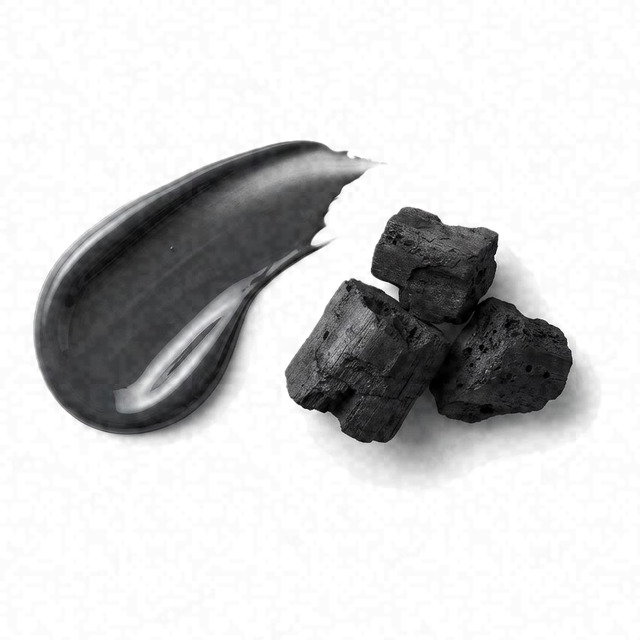 Active Charcoal
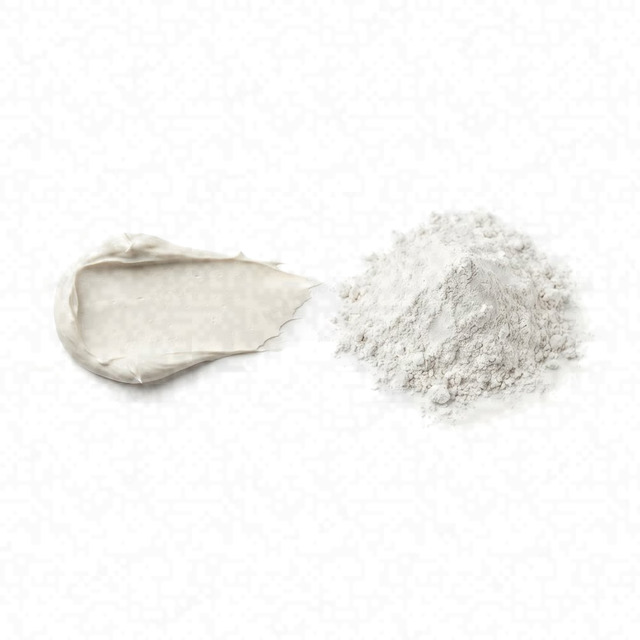 Kaolin
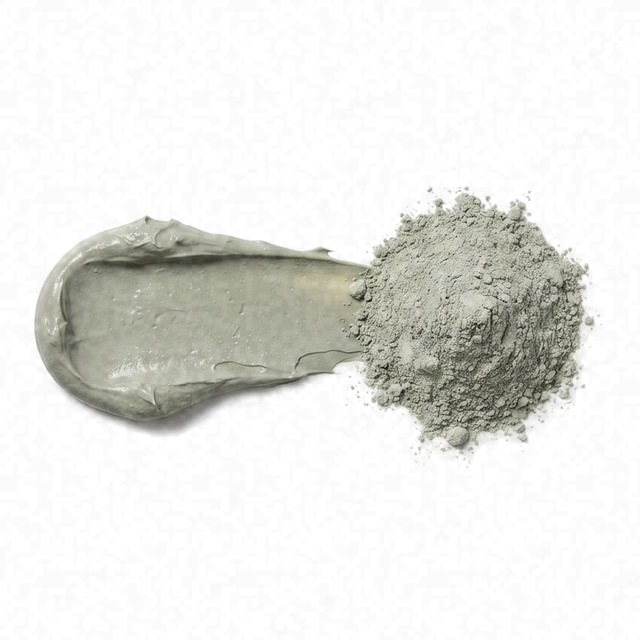 Bentonite
 Glycerin
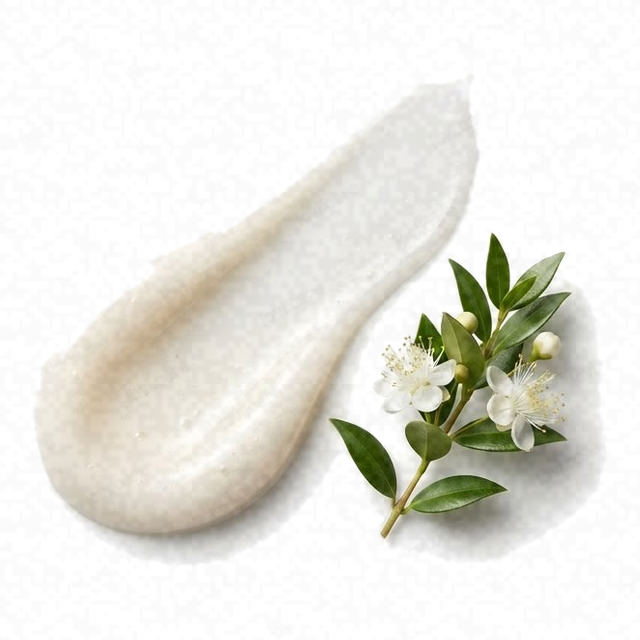 Myrtus Communis Leaf Water
Warning
- HighNormal Skin Fit
- AverageEffectiveness
- WarningSafety
A poor match for sensitive skin; the cleansing masks alongside fit it better.
This fit is calculated for the concerns frequently associated with sensitive skin: redness, stinging, and reactions to new products. For scores and recommendations based on your full skin profile, including your 12D face scan results and any goals or preferences you have, please use the Lovi app.
Page built Nov 8, 2026How the Fit score works
Lovi Assistant explains
How to apply
- Use this cleansing mask once a week as part of your weekly routine, starting slowly to see how your skin reacts.
- Apply this product after cleansing and enzyme powder, and before your hydrating toner and moisturizer.
- Smooth an even layer of the cleansing mask over your face, making sure to gently avoid rubbing.
- Put the mask on clean and dry skin to keep your sensitive face calm and comfortable.
- Do a patch test before your first use and avoid getting the mask too close to your eyes.
People Say
★4.5Overall rating based on 6.5k+ reviewsBased on a very large amount of data, this mask is widely praised by users with oily and acne-prone skin for its ability to deep clean pores and reduce the appearance of blackheads. Many users report smoother, brighter, and less oily skin after use. Those with dry or sensitive skin often find it too drying or irritating.
Highlights
Smooths skin Often Mentioned
- “skin felt a lot smoother”
- “left feeling plump, soft and very clean”
- “smooth and flawless”
- “soft to the touch”
Unclogs pores Often Mentioned
- “pores cleaned up very well”
- “blackheads sitting right at skin level”
- “draws out deep-dwelling pore-cloggers”
- “stubborn blackheads on nose disappeared”
Difficult to remove Often Mentioned
- “rinsing off is super messy”
- “hard to wash off”
- “takes ages to come off”
- “water will turn grey and get everywhere”
Brightens complexion Sometimes Noted
- “skin looked brighter”
- “face had a very nice glow”
- “refreshed and bright”
- “skin looks cloudy... clears the way”
Reduces oil Sometimes Noted
- “reduction in oil”
- “mattified my skin”
- “absorb excess oil”
- “keeps oil at bay”
Drying and tight Sometimes Noted
- “feels really, really tight”
- “dried out my skin”
- “skin felt very tight”
- “left feeling tight and dry”
Caused irritation Rarely Noted
- “slightly burning sensation”
- “face freak out”
- “uncomfortable sensation”
- “redness in certain parts”
No visible results Rarely Noted
- “hasn't really helped”
- “didn't notice a difference”
- “not a one-step wonder”
- “pores looked the same”
Sources: lovi.care, ulta.com, origins.com, sephora.com, and more
Questions and answers
Why does Lovi advise against Origins Clear Improvement Active Charcoal Mask for sensitive skin?
Lovi advises against this mask for sensitive skin because its strong purifying and exfoliating clays may worsen redness and irritation. A cleansing mask for sensitive skin needs gentle, calming ingredients and plenty of moisture to keep skin soft and comfortable without causing dryness or stinging.
Which ingredients make this mask a poor fit for sensitive skin?
Active Charcoal, Kaolin, and Bentonite make this mask a poor fit for sensitive skin because its strong purifying and deep cleaning ingredients may cause redness and irritation. Sensitive skin needs soothing ingredients and gentle hydrators that calm and protect the skin barrier without deep-cleaning clays.
What does Activated Charcoal do for sensitive skin?
Activated charcoal is unlikely to benefit sensitive skin because activated charcoal products lack clinical evidence to support claims that they can provide skincare benefits. Sensitive skin needs products with gentle ingredients that calm irritation and strengthen the skin barrier.
What does Kaolin Clay do for sensitive skin?
Kaolin clay is a gentle mineral powder that helps absorb excess oil and impurities from the skin. However, because fine particles may cause irritation and stress in skin cells, it requires careful use on sensitive skin.
Genes and Environment, 2020International Journal of Toxicology, 2003
Where does this mask go in a skincare routine for sensitive skin?
This mask is a poor match for sensitive skin, as Lovi advises against using it on this skin type. Sensitive skin needs a nourishing mask with calming and gentle ingredients that soothe redness without drying out.
Can I use this mask with salicylic acid, and in what order?
This mask is a poor match for your sensitive skin and is not recommended to use with salicylic acid. A product of this type needs soothing ingredients and gentle hydrators to keep your skin calm and soft.
How often should I use this mask?
This mask is a poor match for sensitive skin and Lovi advises against using it on this skin. Sensitive skin needs a nourishing mask with calming and gentle hydrating ingredients instead of strong clays.
Can this mask clog pores, cause breakouts or purging for sensitive skin?
Is this mask fragrance-free and alcohol-free?
Yes, it has no fragrance and no drying alcohol.
What the research says
Quaternized carboxymethyl chitosan/organic montmorillonite nanocomposite demonstrated superior moisture-adsorption and retention compared to hyaluronic acid, good UV-protection ability, negligible dermal irritation, and prominent moisture-retention efficacy on human stratum corneum when formulated into a cosmetic cream.
Carbohydrate Polymers, 2017Soap-and-water wash and superactive charcoal paste applied topically at various times after T-2 toxin exposure effectively reduced skin lesion severity in swine compared to untreated controls.
Fundamental and Applied Toxicology, 1989Vectorization of high molecular weight hyaluronic acid with clay enabled its penetration into deeper skin layers and led to a significant clinical reduction in fine lines in the crow's feet area compared to placebo after 28 days.
Skin Research and Technology, 2024Twice-weekly use of a clay mask over 4 weeks in 75 adults with oily or combination skin improved acne-related outcomes, sebum content, skin evenness, hydration, and reduced dryness and irritation.
Skin Research and Technology, 2023Clay jojoba oil facial masks reduced total skin lesions by a mean of 54% after 6 weeks in 133 participants with acne-prone, lesioned skin and mild acne compared to baseline.
Forschende Komplementarmedizin, 2012A novel water-in-oil emulsion with a lecithin-modified bentonite prevented epidermal degradation and inflammatory protein secretion induced by urban dust and cedar pollen more effectively than a conventional water-in-oil emulsion in a reconstructed human epidermis model.
International Journal of Cosmetic Science, 2020Bentonite nanoparticles and honey co-administration improved skin wound healing in BALB/c mice by reducing inflammatory cell infiltration and increasing fibroblastosis, new epithelium thickness, granulation area, and collagen density compared to the untreated control group.
The International Journal of Lower Extremity Wounds, 2025A novel electrospun chitosan/polyvinyl alcohol/montmorillonite clay scaffold proved to be a suitable material for cell proliferation and demonstrated strong antimicrobial and scavenging efficacy for wound healing applications.
International Journal of Biological Macromolecules, 2024A single application of a moisturizing fluid containing hyaluronic acid 1%, glycerin 5%, and Centella asiatica stem cells extract significantly increased skin hydration by 29% and reduced transepidermal water loss at 24 hours compared to baseline and an untreated control site in twenty healthy women.
Clinical, Cosmetic and Investigational Dermatology, 2017The emollient V0034CR significantly reduced TEWL compared to vehicle and vehicle plus glycerol, and significantly increased corneometry scores compared to vehicle and vehicle plus petrolatum in healthy volunteers with dry skin, demonstrating combined barrier function improvement from petrolatum and hydration improvement from glycerol.
Journal of Cosmetic Dermatology, 2020Ten days of treatment with a cream containing 20% glycerin significantly increased skin hydration measured by corneometer values in 17 healthy volunteers compared to a placebo cream, but showed no influence on transepidermal water loss or skin sensitivity to an irritating surfactant.
International Journal of Cosmetic Science, 2001Topical application of a dermocosmetic containing Myrtus communis extract and azelaic acid reduced acne relapses and helped maintain remission compared to a light moisturizing cream in adult females in the acne maintenance phase over 16 weeks.
Journal of the European Academy of Dermatology and Venereology, 2023Topical treatments including podophyllotoxin, sodium nitrite, myrtle leaf extract, phenol, salicylic acid with lactic acid, SB206, and VP-102 were more efficacious than control in patients with molluscum contagiosum, whereas cantharidin, potassium hydroxide, and imiquimod showed varying degrees of efficacy.
Clinics in Dermatology, 2021Topical Myrtle solution significantly reduced inflammatory lesions and acne severity index compared to 1% clindamycin solution in patients with mild to moderate acne vulgaris.
Journal of Pharmacopuncture, 2020
Ingredients
Water, Myrtus Communis Leaf Water, Kaolin, Bentonite, Butylene Glycol, Montmorillonite, Polysorbate 20, Peg-100 Stearate, Charcoal Powder, Xanthan Gum, Lecithin, Peg-150 Distearate, Propylene Glycol Stearate, Sorbitan Laurate, Glycerin, Propylene Glycol Laurate, Simethicone, Caprylyl Glycol, Ethylhexylglycerin, Hexylene Glycol, Trisodium Edta, Dehydroacetic Acid, Phenoxyethanol
Behind this fit score
Lovi calculates every fit score from the full ingredient list with brand-independent rules our dermatologists and cosmetic chemists build and review, and personalizes every pick with AI trained on the real results of millions of users. Lovi trains its fit score models on a proprietary dataset built from more than 10,000 expert-labeled products and more than 100,000 simulated examples, following an internally consistent methodology presented at Cosmoprof, AMWC, and Skin of Color Update.
-

Co-founder, Medical Director
Cosmetic chemist, cosmetologist, aesthetic products developer
-

Co-founder, CEO and CTO
PhD in computer science, 3x US patent holder, ex-Google, ex-Yandex
-

Dr. Sofía Perea Pérez, MD, MSc
Medical Board
Aesthetic medicine practitioner, MSc in Longevity and Anti-Aging Medicine
-

Medical Board
Specialist dermatologist, MBBS, MD, IFAAD
-

Medical Board
Cosmetic chemist, SCS, IFSCC member
-

Medical Board, Medical Advisor
Dermatology MD
-

Elina Nazarenko, MD
Medical Board
Dermatology and diagnostic consultant
-

Victoria Derkova, MS
Medical Board
Cosmetic chemist, cosmetic development technologist


How does it fit your skin?
Scan your face, then any product: Lovi shows how well it fits you and what fits even better.