Obagi Sun Shield Matte Broad Spectrum SPF 50 for oily skin

 Zinc Oxide
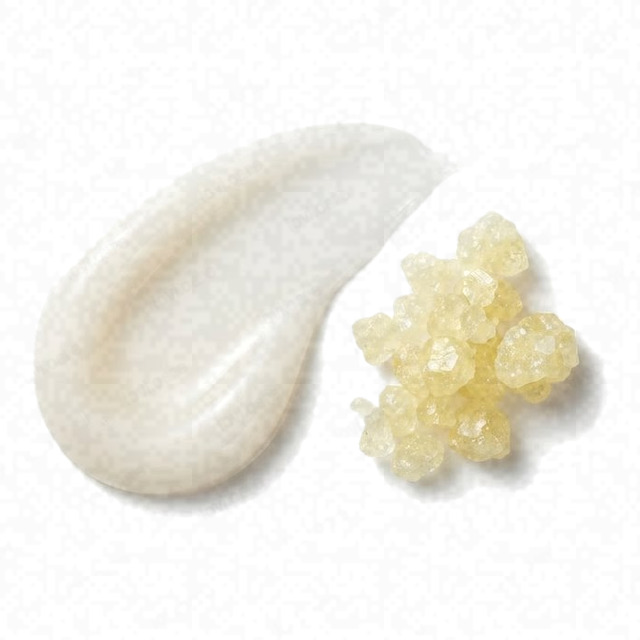 Homosalate
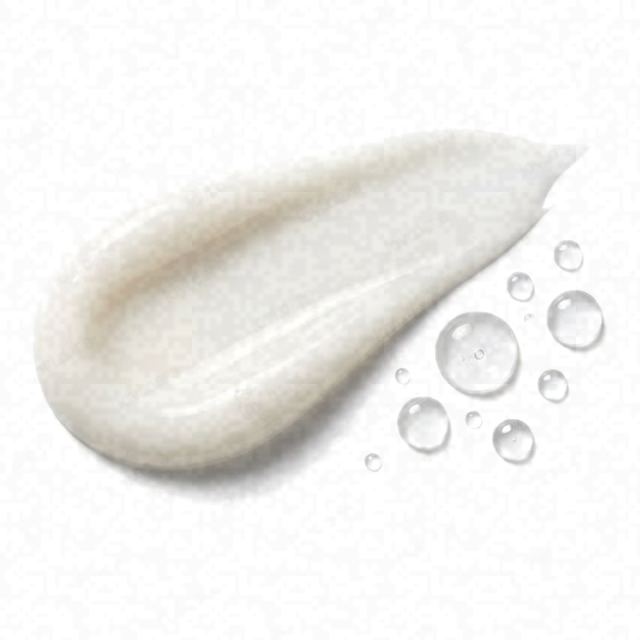 Octisalate
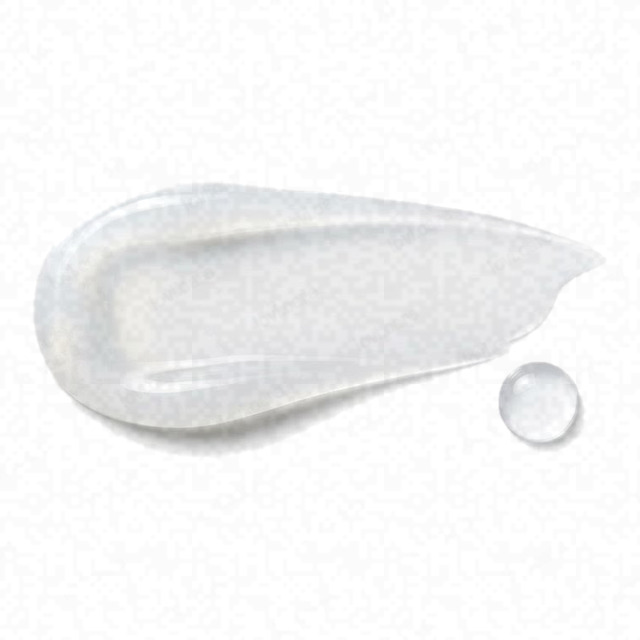 Dimethicone
 Glycerin
Superior
- SuperiorOily Skin Fit
- SuperiorEffectiveness
- ExcellentSafety
One of the best sunscreens for oily skin.
This fit is calculated for the concerns frequently associated with oily skin: shine, enlarged pores, blackheads, and blemishes. For scores and recommendations based on your full skin profile, including your 12D face scan results and any goals or preferences you have, please use the Lovi app.
Page built Nov 8, 2026How the Fit score works
Lovi Assistant explains
- Excellent suitability for your oily skin is provided by silica and dimethicone, which absorb excess sebum and reduce shine, aligning perfectly with your main goal of managing oily shine.
- The formula offers superior UV protection with homosalate, octisalate, and zinc oxide, ensuring your skin is shielded from sun damage.
- This product is safe for your skin, as it contains soothing glycerin and lacks harsh ingredients, minimizing any risk of irritation.
How to apply
- Apply this sunscreen during your AM routine every single day. Reapply every two hours if you are staying outdoors.
- Apply the sunscreen as the final step of your morning skincare routine after your moisturizer. Allow your moisturizer to absorb fully before putting it on.
- Squeeze a generous amount and pat it gently all over your face and neck. Avoid rubbing the product harshly into your skin.
- Apply the sunscreen directly onto dry skin to ensure it forms an even and protective layer against the sun.
- Avoid getting the product directly into your eyes and stop using it if any irritation occurs.
People Say
★3.8Overall rating based on 800+ reviewsUsers with oily or acne-prone skin frequently praise this sunscreen for its matte finish and reliable sun protection, noting it works well under makeup. However, a significant number of recent reviews report a concerning gritty or sandy texture that makes application difficult, alongside some complaints about formula inconsistency and a white cast.
Highlights
Matte finish Mostly Mentioned
- “Dries down completely matte”
- “No greasy residue”
- “Keeps oil at bay all day”
- “Perfect non-shiny finish”
Acne-safe Often Mentioned
- “Doesn't clog my pores”
- “Safe for my acne-prone skin”
- “Only sunscreen that doesn't break me out”
- “Great for sensitive skin”
Excellent protection Often Mentioned
- “Never burn when I wear this”
- “Helps prevent dark spots”
- “Great for harsh Texas sun”
- “Protected my melasma”
Gritty texture Often Mentioned
- “Feels like rubbing sand on face”
- “Texture is gritty and painful”
- “Formula has become grainy”
- “Exfoliates my skin while applying”
Makeup friendly Sometimes Noted
- “Foundation sits well on top”
- “Works like a primer”
- “No pilling under makeup”
- “Smooth canvas for application”
Formula inconsistency Sometimes Noted
- “New formula is terrible”
- “Product separates in the tube”
- “Not the same as it used to be”
- “Consistency is watery and clumpy”
White cast Sometimes Noted
- “Leaves a ghostly white cast”
- “Hard to blend the white out”
- “Looks chalky on my skin”
- “Visible white residue”
Drying effect Rarely Noted
- “Emphasized my dry patches”
- “Felt tight on my face”
- “Too drying for winter use”
- “Sucked moisture out of my skin”
Sources: lovi.care, obagi.com, dermstore.com, lovelyskin.com, askderm.com, amazon.com, and more
Questions and answers
What makes Obagi Sun Shield Matte SPF 50 one of the best fits for oily skin?
This sunscreen is one of the best fits for your oily skin because silica and dimethicone absorb excess oil and reduce shine. It also shields your skin from sun damage with zinc oxide while using soothing glycerin to keep irritation unlikely.
Which ingredients make this cream a good fit for oily skin?
Silica and dimethicone make this cream a great fit for oily skin because they absorb excess oil and reduce shine. Glycerin also helps soothe your skin while keeping irritation unlikely.
What does Zinc Oxide do for oily skin?
Zinc oxide helps calm oily and breakout-prone skin by reducing redness and targeting bacteria that cause blemishes. It is unlikely to cause irritation and may help balance skin oil production.
What does Homosalate do for oily skin?
Homosalate helps protect oily skin from sun damage by filtering out harmful UV rays without feeling too heavy. Chemical sunscreens containing ingredients like homosalate are unlikely to cause skin irritation or reactions.
Where does this cream go in a skincare routine for oily skin?
This sunscreen goes last in your morning skincare routine after your moisturizer. It is a great fit for oily skin because silica and dimethicone soak up excess oil and reduce shine, while soothing glycerin helps keep irritation away.
Can I use it with retinol, and in what order?
You can use this product with retinol by applying your retinol treatment first and finishing your morning routine with this sunscreen last. Its gentle formula helps shield your skin from UV rays while keeping your routine safe from extra irritation.
How often should I use it?
This product is designed for daily use in the morning as the final step of your skincare routine to shield your skin from sun damage. Its lightweight, oil-absorbing ingredients make it comfortable for everyday wear without adding extra shine.
Can it clog pores, cause breakouts or purging for oily skin?
This product is unlikely to clog pores or cause breakouts on oily skin, as it contains soothing glycerin and lacks heavy ingredients that trap oil. It helps keep skin calm and hydrated while managing unwanted shine throughout the day.
Is it fragrance-free and alcohol-free?
Yes, it has no fragrance and no drying alcohol.
What the research says
A single application of a moisturizing fluid containing hyaluronic acid 1%, glycerin 5%, and Centella asiatica stem cells extract significantly increased skin hydration by 29% and reduced transepidermal water loss at 24 hours compared to baseline and an untreated control site in twenty healthy women.
Clinical, Cosmetic and Investigational Dermatology, 2017Topical 0.5% hyaluronic-ZnO nanogel applied twice daily reduced inflammatory-lesion counts by 58% at week four in human subjects compared to baseline without causing erythema.
Biomedicines, 2025Nels cream achieved a similar reduction in inflammatory and noninflammatory lesion counts compared to 5% benzoyl peroxide in acne vulgaris patients, but caused significantly fewer side-effects such as peeling and dryness.
Clinical and Experimental Dermatology, 2000Topically applied coated and uncoated zinc oxide nanoparticles under flexing and massage are retained in the stratum corneum with no significant penetration into the viable epidermis and no cellular toxicity in human skin.
Nanomedicine, 2016Dermal application of a sunscreen containing 10% homosalate in four volunteers resulted in delayed elimination with terminal half-times around 24 h and a bioavailability of cis-homosalate a factor of 2 lower than trans-homosalate, while metabolite ratios supported using oral-route urinary excretion fractions for dermal exposure assessments.
Archives of Toxicology, 2024Chemical sunscreens containing avobenzone, octocrylene, homosalate, and octisalate showed no to minimal risks of dermal irritation, sensitization, photo-allergy, and photo-irritation in human subjects.
Journal of Drugs in Dermatology, 2025Homosalate exhibited the highest permeation among tested filters with a relative permeability rate of 4.2% and a depth of 60 um, and specific thickeners and emulsifiers successfully reduced its permeation without inhibiting the skin permeation of niacinamide.
Photodermatology, Photoimmunology & Photomedicine, 2026Simulated real-life dermal sunscreen exposure in twenty human volunteers leads to the systemic bioavailability and urinary excretion of the UV filter 2-ethylhexyl salicylate and its metabolite, reaching concentration peaks at 7 to 8 hours with 70-80% of overall excretion within 24 hours.
Archives of Toxicology, 2019The application of a sunscreen formulation containing ethylhexyl methoxycinnamate, ethylhexyl salicylate, methyl anthranilate, and octocrylene does not significantly affect critical acne-related species such as Cutibacterium acnes and Staphylococcus epidermidis, refuting the induction of facial dysbiosis in men.
Archives of Dermatological Research, 2024Controlled single dermal exposure to an EHS-containing sunscreen in three volunteers resulted in delayed systemic resorption with elimination half-lives between 6.6 and 9.7 hours, where the parent compound EHS occurred as the dominant urinary parameter.
Archives of Toxicology, 2024Wearing an N95 mask alone compared to using dimethicone cream or hydrocolloid dressing caused more adverse skin reactions among 73 military health care workers, with no significant differences in fit test failure rates between groups.
Military Medicine, 2024A dimethicone skin protectant lotion significantly decreased visual scoring and transepidermal water loss compared to vehicle control and SLS-only treated sites in 12 healthy humans exposed to sodium lauryl sulfate.
Skin Research and Technology, 2000Treatment with a moisturizer containing dimethicone and glycerine increased epidermal thickness by 0.019 mm, improved barrier function by decreasing transepidermal water loss by 13%, decreased melanin intensity, and induced keratins 6 and 16 in fifteen women with moderately photoaged forearms.
Clinical and Experimental Dermatology, 2007The emollient V0034CR significantly reduced TEWL compared to vehicle and vehicle plus glycerol, and significantly increased corneometry scores compared to vehicle and vehicle plus petrolatum in healthy volunteers with dry skin, demonstrating combined barrier function improvement from petrolatum and hydration improvement from glycerol.
Journal of Cosmetic Dermatology, 2020Ten days of treatment with a cream containing 20% glycerin significantly increased skin hydration measured by corneometer values in 17 healthy volunteers compared to a placebo cream, but showed no influence on transepidermal water loss or skin sensitivity to an irritating surfactant.
International Journal of Cosmetic Science, 2001Niacinamide/glycerin body moisturizers provided better rapid and prolonged improvement of cosmetic xerosis through functional improvement of stratum corneum barrier function compared to no treatment and conventional moisturizers in female subjects.
Journal of Drugs in Dermatology, 2012
Ingredients
Water, C15-19 Alkane, Octyldodecyl Neopentanoate, Polymethylsilsesquioxane, Sorbitan Olivate, Silica, Polyglyceryl-6 Polyrininoleate, Sodium Chloride, Xanthan Gum, Glycerin, Hydroxyacetophenone, Disodium Edta, 1,2-Hexanediol, Caprylyl Glycol, Sodium Hydroxide, Triethoxycaprylsilane, Polyhydroxystearic Acid, Disteardimonium Hectorite, Polyglyceryl-2 Isostearate, Candelilla Wax, Beeswax, Dimethicone, Homosalate, Octisalate, Zinc Oxide
Behind this fit score
Lovi calculates every fit score from the full ingredient list with brand-independent rules our dermatologists and cosmetic chemists build and review, and personalizes every pick with AI trained on the real results of millions of users. Lovi trains its fit score models on a proprietary dataset built from more than 10,000 expert-labeled products and more than 100,000 simulated examples, following an internally consistent methodology presented at Cosmoprof, AMWC, and Skin of Color Update.
-

Co-founder, Medical Director
Cosmetic chemist, cosmetologist, aesthetic products developer
-

Co-founder, CEO and CTO
PhD in computer science, 3x US patent holder, ex-Google, ex-Yandex
-

Dr. Sofía Perea Pérez, MD, MSc
Medical Board
Aesthetic medicine practitioner, MSc in Longevity and Anti-Aging Medicine
-

Medical Board
Specialist dermatologist, MBBS, MD, IFAAD
-

Medical Board
Cosmetic chemist, SCS, IFSCC member
-

Medical Board, Medical Advisor
Dermatology MD
-

Elina Nazarenko, MD
Medical Board
Dermatology and diagnostic consultant
-

Victoria Derkova, MS
Medical Board
Cosmetic chemist, cosmetic development technologist


How does it fit your skin?
Scan your face, then any product: Lovi shows how well it fits you and what fits even better.