HERBIVORE Botanicals Blue Tansy BHA and Enzyme Pore Refining Mask for oily acne-prone skin

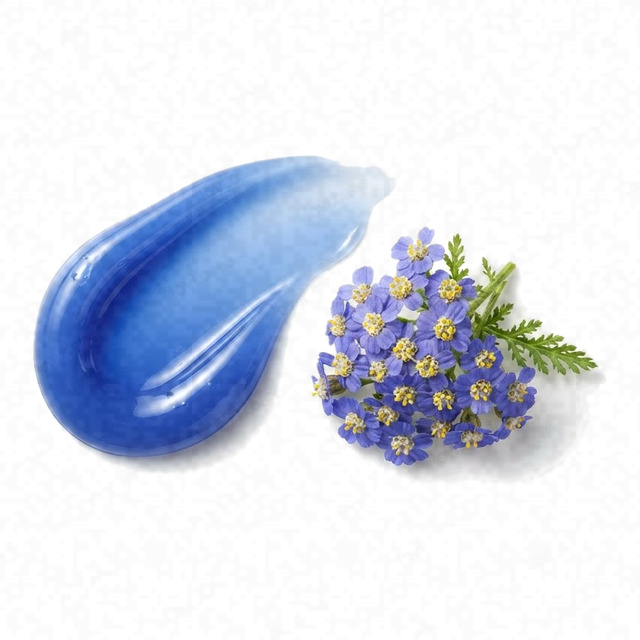 Blue Tansy
 Bha Beta Hydroxy Acid
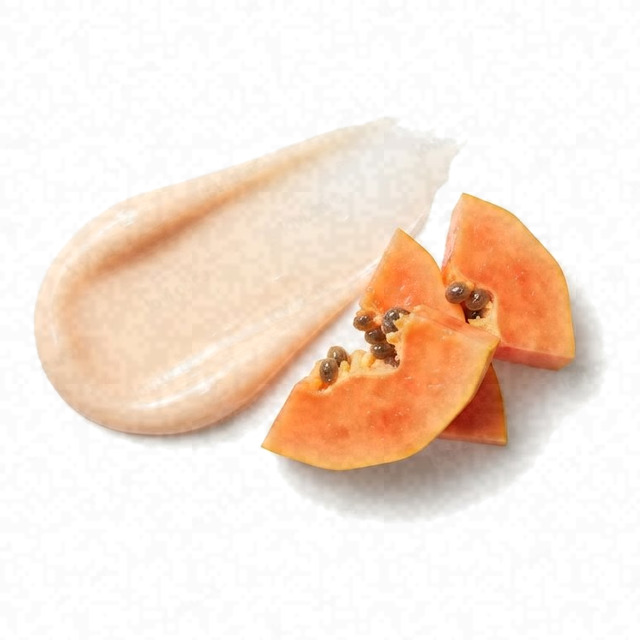 Enzymes
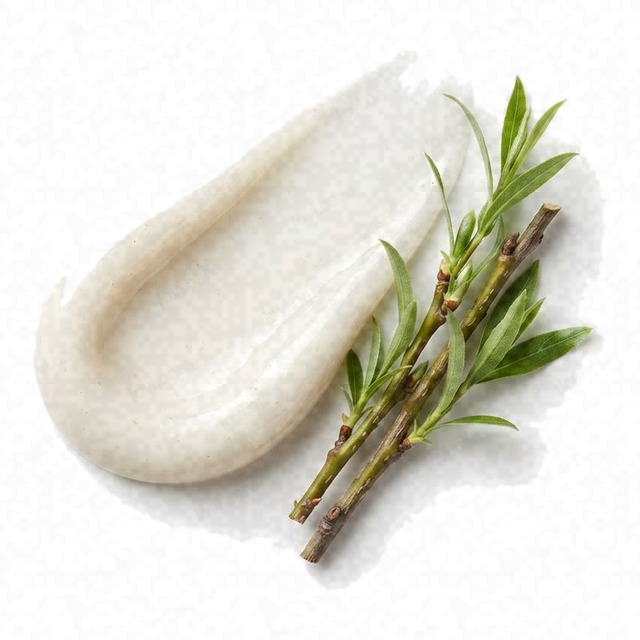 Willow Bark Extract
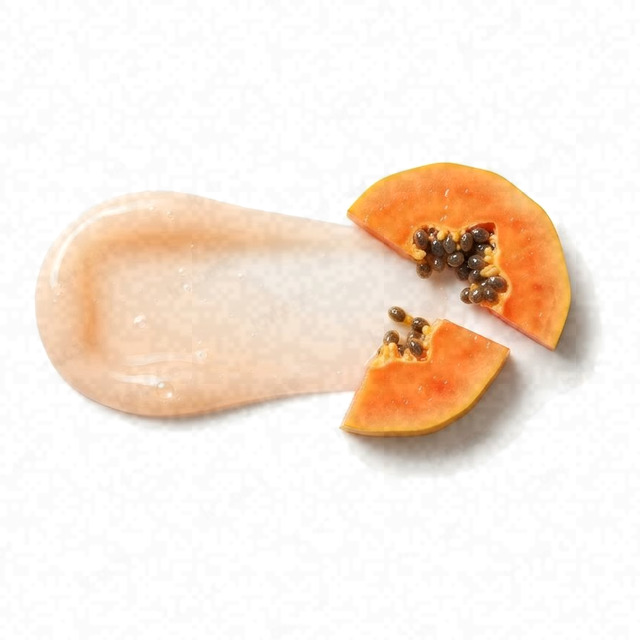 Enzymes Fruit
Superior
- SuperiorOily Skin Fit
- SuperiorEffectiveness
- ExcellentSafety
One of the best cleansing masks for oily acne-prone skin.
This fit is calculated for the concerns frequently associated with oily acne-prone skin: shine, breakouts, blemishes, and enlarged pores. For scores and recommendations based on your full skin profile, including your 12D face scan results and any goals or preferences you have, please use the Lovi app.
Page built Nov 8, 2026How the Fit score works
Lovi Assistant explains
- Excellent suitability for your oily skin is provided by Willow Bark Extract and Gluconolactone, which offer effective keratolytic action and mild exfoliation to address acne, blemishes, and breakouts. Blue Tansy Oil further complements these ingredients by providing potent anti-inflammatory effects, calming your skin and reducing redness.
- The inclusion of fruit enzymes, such as those from Carica Papaya, enhances pore cleansing and decongestion, working synergistically with Willow Bark Extract to refine skin texture and manage oiliness.
- The product demonstrates a high safety profile, with no reported risks of irritation for oily skin due to the absence of harsh ingredients and the presence of soothing components like Blue Tansy Oil and Aloe Barbadensis Leaf Juice.
How to apply
- Use your cleansing mask PM as part of your weekly routine. Start 1×/week and increase carefully if your oily skin tolerates it well.
- Apply this step after your enzyme powder and before your hydrating toner. Follow the standard weekly order to keep your skin balanced.
- Spread an even layer of the cleansing mask across your face while avoiding the eye area. Let it sit for the recommended time without rubbing .
- Apply the mask on clean and dry skin for the best purifying effect on your breakouts. Clean skin allows the formula to target blemishes directly.
- Always do a patch test before your first use to check for sensitivity. Avoid combining this mask with strong acids or retinoids in the same routine .
People Say
★4.4Overall rating based on 2.4k+ reviewsBased on a very large amount of data, users with acne-prone, oily, and sensitive skin frequently praise this mask for its ability to gently exfoliate and clarify without causing irritation. Many report immediate results such as reduced redness, smoother texture, and diminished breakouts. A subset of users find the medicinal scent off-putting and the liquid consistency difficult to apply.
Highlights
Reduces redness Mostly Mentioned
- “Erases my redness overnight”
- “Soothes angry hormonal acne”
- “Calms inflammation immediately”
Clears pores Often Mentioned
- “Shrinks my pores significantly”
- “Helps clean out blackheads”
- “Zits appeared smaller the next day”
Smoothes texture Often Mentioned
- “Skin felt baby soft”
- “Texture is much smoother”
- “Got rid of rough patches”
Gentle on skin Sometimes Noted
- “No irritation on my sensitive skin”
- “Gentle but effective”
- “Doesn't sting like other peels”
Runny texture Sometimes Noted
- “Drips everywhere”
- “Hard to apply because it's so thin”
- “Very watery consistency”
Unpleasant smell Sometimes Noted
- “Smells like taco meat”
- “Strong medicinal scent”
- “Smell is hard to get past”
High price Rarely Noted
- “Too expensive for the size”
- “Pricey for a small jar”
Product spoilage Rarely Noted
- “Turned green after a month”
- “Product oxidized quickly”
- “Looked spoiled upon opening”
Sources: lovi.care, sephora.my, ulta.com, dermstore.com, influenster.com, walmart.com, and more
Questions and answers
What makes Herbivore Blue Tansy Mask one of the best fits for oily acne-prone skin?
This mask is one of the best fits for your oily acne-prone skin because willow bark extract and gluconolactone gently clear out pores and blemishes while fruit enzymes refine your skin texture. Blue tansy oil and aloe leaf juice further help calm your skin and reduce redness safely without harsh ingredients.
The Australasian Journal of Dermatology, 1992Journal of Cosmetic Dermatology, 2019
Which ingredients make this cleansing mask a good fit for oily acne-prone skin?
This cleansing mask is a great fit for oily acne-prone skin because willow bark extract and gluconolactone gently clear out pores and breakouts, while fruit enzymes help refine skin texture and manage oiliness. Blue tansy oil and aloe leaf juice further calm the skin and reduce redness without causing irritation.
The Australasian Journal of Dermatology, 1992Journal of Cosmetic Dermatology, 2019
What does Blue Tansy do for oily acne-prone skin?
Blue Tansy helps calm redness and balances oily skin to keep pores clear. It is unlikely to clog pores and may soothe breakouts.
What does Bha do for oily acne-prone skin?
BHA helps clear up breakouts and keeps oily skin balanced by reducing excess oil and calming redness. It works deep inside pores to clear away dirt and oil while keeping skin smooth and comfortable.
BioMed Research International, 2020Journal of Cosmetic Dermatology, 2024
Where does this cleansing mask go in a skincare routine for oily acne-prone skin?
This cleansing mask fits into your weekly routine after your cleanser and enzyme powder, and before your toner and moisturizer. It is unlikely to cause irritation on oily skin due to its soothing ingredients.
Journal of Cosmetic Dermatology, 2019Clinical, Cosmetic and Investigational Dermatology, 2019
Can I use this cleansing mask with retinol, and in what order?
You can use this cleansing mask with retinol by applying the mask first during your weekly routine on a night when you are skipping retinol, or by using them on separate days. Because both the mask and retinol help clear pores and smooth skin, alternating them helps you avoid dryness and irritation.
How often should I use this cleansing mask?
You can use this cleansing mask once a week as part of your weekly routine, and if your oily skin tolerates it well and sees good results, you may carefully use it more often. It helps clear pores and manage oiliness safely without harsh irritation.
Can this cleansing mask clog pores, cause breakouts or purging for oily acne-prone skin?
This cleansing mask is unlikely to clog pores or cause breakouts because it features willow bark extract and fruit enzymes that gently clear away dead skin and oil. Blue tansy and aloe vera help calm the skin, and the formula has a high safety profile with no harsh ingredients.
Journal of Cosmetic Dermatology, 2019Giornale Italiano Di Dermatologia E Venereologia, 2015
Is this cleansing mask fragrance-free and alcohol-free?
Yes, it has no fragrance and no drying alcohol.
What the research says
Gluconolactone 14% solution significantly improved mild to moderate acne by reducing inflamed and non-inflamed lesions similarly to 5% benzoyl peroxide, but with fewer side-effects in 150 patients.
The Australasian Journal of Dermatology, 1992A botanical face cleanser with hops and willow bark extract continuously reduced skin sebum levels without reactive seborrhea after treatment in 21 healthy volunteers compared to a sodium laureth sulfate cleanser, with neither cleanser causing skin irritation.
Journal of Cosmetic Dermatology, 2019Glycolic acid, salicylic acid, gluconolactone, and licochalcone A combined with 0.1% adapalene showed no hindrance compared to adapalene monotherapy and provided benefits in reducing complications in 25 subjects with mild-to-moderate acne vulgaris.
Clinical, Cosmetic and Investigational Dermatology, 2019A fixed combination of hydroxypinacolone retinoate, retinol glycospheres, and papain glycospheres in aqueous gel applied once daily for 12 weeks achieved a 41% mean reduction in GAGS score and a 40.8% mean reduction in total lesions, with 15.3% of patients experiencing mild to moderate local side effects, in 94 evaluable patients with comedonal-papular, mild to moderate acne of the face.
Giornale Italiano Di Dermatologia E Venereologia, 2015A cream combining propolis, tea tree oil, and Aloe vera reduced erythema scars, acne severity index, and total lesion count better than erythromycin cream in sixty patients with mild to moderate acne vulgaris compared to placebo.
Clinical Pharmacology, 2018Topical chamazulene treatment mitigates UVB-induced photoaging in mouse skin by upregulating fatty acid metabolism genes, restoring fatty acid homeostasis, enhancing non-essential amino acid metabolism, and downregulating the p38 MAPK/COX-2 pathway, likely via PPARα/γ activation.
Antioxidants, 2025Cryotherapy with liquid nitrogen achieved a higher cure rate (39%) than salicylic acid (24%) and a wait-and-see approach (16%) for cutaneous warts at 13 weeks in primary care patients.
CMAJ, 2010A moisturizer containing licochalcone A, 1,2-decanediol, L-carnitine, and salicylic acid significantly reduced noninflammatory, inflammatory, and total acne lesion counts compared to a vehicle control in Thai patients during a 12-week maintenance phase.
BioMed Research International, 2020Treatment with 2% supramolecular salicylic acid hydrogel resulted in a regression and markedly improvement rate of 51.01% compared to 43.10% for Adapaline gel in patients with mild to moderate facial acne vulgaris, showing no significant difference in efficacy.
Journal of Cosmetic Dermatology, 2024Bioactive lipid nanocarriers co-loaded with willow bark or ivy leaf extracts and UV-filters provided pronounced UVA photoprotection up to an SPF-equivalent value of 13 and a maximum in vivo skin hydration effect of 97% when prepared with pomegranate oil.
Nanomaterials, 2022A topical serum containing 0.5% salicin applied twice daily reduced visible signs of skin aging, including wrinkles and tactile roughness, in 30 female subjects over 12 weeks compared to baseline.
Journal of Cosmetic Dermatology, 2010A novel emulsion containing niacinamide, lens esculenta seed extract, and white willow bark extract effectively improved acne, blackheads, and conspicuous facial pores in 30 subjects with oily skin.
Journal of Cosmetic Dermatology, 2024
Ingredients
Willow Bark Extract, Enzymes Fruit, Blue Tansy Oil, Water, Aloe Barbadensis Leaf Juice, Glycerin, Carica Papaya Fruit Extract, Carica Papaya Leaf Extract, Pineapple Fruit Extract, Leuconostoc Radish Root Ferment Filtrate, Salix Nigra Bark Extract Willow Bark Extract, Sodium Hyaluronate, Gluconolactone, Sodium Phytate, Melia Azadirachta Leaf Extract, Melia Azadirachta Flower Extract, Corallina Officinalis Extract, Coccinia Indica Fruit Extract, Solanum Melongena Fruit Extract, Aloe Barbadensis Flower Extract, Ocimum Sanctum Leaf Extract, Ocimum Basilicum Leaf Extract Flower, Curcuma Longa Root Extract, Tanacetum Annuum Oil Flower, Jasminum Sambac Floral Extract
Behind this fit score
Lovi calculates every fit score from the full ingredient list with brand-independent rules our dermatologists and cosmetic chemists build and review, and personalizes every pick with AI trained on the real results of millions of users. Lovi trains its fit score models on a proprietary dataset built from more than 10,000 expert-labeled products and more than 100,000 simulated examples, following an internally consistent methodology presented at Cosmoprof, AMWC, and Skin of Color Update.
-

Co-founder, Medical Director
Cosmetic chemist, cosmetologist, aesthetic products developer
-

Co-founder, CEO and CTO
PhD in computer science, 3x US patent holder, ex-Google, ex-Yandex
-

Dr. Sofía Perea Pérez, MD, MSc
Medical Board
Aesthetic medicine practitioner, MSc in Longevity and Anti-Aging Medicine
-

Medical Board
Specialist dermatologist, MBBS, MD, IFAAD
-

Medical Board
Cosmetic chemist, SCS, IFSCC member
-

Medical Board, Medical Advisor
Dermatology MD
-

Elina Nazarenko, MD
Medical Board
Dermatology and diagnostic consultant
-

Victoria Derkova, MS
Medical Board
Cosmetic chemist, cosmetic development technologist


How does it fit your skin?
Scan your face, then any product: Lovi shows how well it fits you and what fits even better.