Eucerin Intensive Repair Lotion for oily acne-prone skin

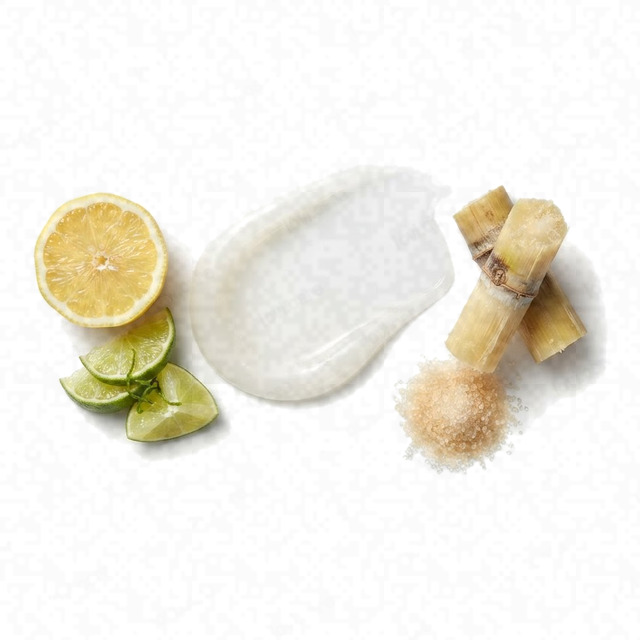 Alpha Hydroxy
 Moisturizing Factors
 Urea
 Glycerin
 Lactic Acid
Caution
- LowOily Skin Fit
- HighEffectiveness
- ConcerningSafety
A poor match for oily acne-prone skin; the moisturizers alongside fit it better.
- Clinical, Cosmetic and Investigational Dermatology, 2017
- American Journal of Clinical Dermatology, 2002
This fit is calculated for the concerns frequently associated with oily acne-prone skin: shine, breakouts, blemishes, and enlarged pores. For scores and recommendations based on your full skin profile, including your 12D face scan results and any goals or preferences you have, please use the Lovi app.
Page built Nov 8, 2026How the Fit score works
Lovi Assistant explains
- Offers moderate exfoliation for your acne and blemishes due to lactic acid promoting skin renewal, but the presence of mineral oil and dimethicone is moderately unsuitable for your oily skin as these ingredients can clog pores and contribute to excess oiliness.
- While the formula provides moderate moisturizing with glycerin and enhances barrier resilience, its oil-controlling benefits are limited.
How to apply
- Use this AM and PM routine every day to help clear your skin. Always remember to finish with SPF in the morning.
- Apply the moisturizer after your cleanser and toner, right before your SPF during the day.
- Gently press a small amount into your skin and avoid rubbing to keep pores clear.
- Apply on clean, slightly damp skin to help the product absorb better and control oil.
- Avoid the sensitive eye area and do a simple patch test before your first use.
People Say
★4.2Overall rating based on 55.7k+ reviewsUsers frequently report softened skin and soothed irritation. A significant number of reviews mention a thick, greasy texture and slow absorption as drawbacks.
Highlights
Deep hydration Mostly Mentioned
- “Intensely replenishes moisture”
- “Works great for repairing dry skin”
- “Keeps skin baby smooth”
Long-lasting Often Mentioned
- “Lasts all day”
- “Maintains skin hydration”
- “Provides long-lasting relief”
Soothes itchiness Often Mentioned
- “Provides relief from itchy skin”
- “Reduces itchiness”
- “Soothes irritation and redness”
Greasy texture Often Mentioned
- “Kinda greasy”
- “Leaves me feeling greasy”
- “Thick and greasy”
Works on rough areas Sometimes Noted
- “Perfect for feet and elbows”
- “Repairs dry skin on heels”
- “Great for arms”
Slow absorption Sometimes Noted
- “Not easily absorbed”
- “Have to wait for skin to absorb”
- “Takes time to sink in”
Sun sensitivity Rarely Noted
- “Concerned about sunscreen label”
- “Must use sunscreen”
- “Avoid sun after use”
Sources: lovi.care, iherb.com, walmart.com, target.com, shespeaks.com, farmandfleet.com, and more
Questions and answers
Why does Lovi advise caution with Eucerin Intensive Repair for oily acne-prone skin?
Lovi advises caution because mineral oil and dimethicone in this formula can clog pores and contribute to excess oiliness on your skin. A moisturizing treatment for oily acne-prone skin needs lightweight hydrating agents and peptides without heavy oils to support the skin barrier and maintain hydration without causing breakouts.
Which ingredients make this cream a poor fit for oily acne-prone skin?
Mineral oil and dimethicone make this cream a poor fit because they can clog pores and contribute to excess oiliness on your skin. A moisturizing treatment for oily acne-prone skin needs lightweight hydrating ingredients and an absence of heavy oils that do not trigger breakouts.
What does Alpha Hydroxy Acid do for oily acne-prone skin?
Alpha hydroxy acid helps clear blemishes and keeps skin smooth by gently removing dead surface skin cells. It is a safe and effective option for acne-prone skin that may also help improve overall skin texture.
Molecules, 2023International Journal of Cosmetic Science, 1996
What do Natural Moisturizing Factors do for oily acne-prone skin?
Natural Moisturizing Factors help keep oily acne-prone skin hydrated without adding heavy oils or clogging pores. A product for this skin type needs lightweight hydrating ingredients that balance moisture while keeping the surface feeling fresh and clear.
Journal of Drugs in Dermatology, 2024Dermatologic Therapy, 2004
Where does it go in a skincare routine for oily acne-prone skin?
This product is a poor match for your oily acne-prone skin because heavy ingredients like mineral oil and dimethicone may clog your pores and add extra oiliness. To care for this skin type properly, a product needs lightweight hydrators and oil-controlling ingredients that keep skin clear without heavy oils.
Can I use this cream with retinol, and in what order?
You should use caution when applying this cream with retinol, as heavy ingredients like mineral oil and dimethicone may clog your pores and add excess oil. To use them together safely, apply your retinol first, let it absorb fully, and then apply this moisturizer to help keep your skin soft. Oily acne-prone skin needs a lightweight, oil-free moisturizer with gentle hydrators and clear pores instead.
How often should I use it?
This lotion is a poor match for your oily acne-prone skin because heavy ingredients like mineral oil and dimethicone may clog your pores and add excess oil, even though lactic acid gives mild exfoliation. This skin type needs light, non-clogging hydrators and oil-controlling ingredients rather than heavy lotions.
Can this cream clog pores, cause breakouts or purging for oily acne-prone skin?
This lotion may clog pores and contribute to breakouts on oily skin because it contains heavy ingredients like mineral oil and dimethicone. While it offers some exfoliation, oily acne-prone skin generally needs lightweight, oil-free hydrators and non-clogging ingredients that control excess oil without feeling greasy.
Can I use it around the eyes or on my body?
This moisturizing treatment works well on the body, but it is not suitable for the thin skin around the eyes.
Is this cream fragrance-free and alcohol-free?
It has no drying alcohol and contains fragrance (benzyl alcohol).
What the research says
A single application of a moisturizing fluid containing hyaluronic acid 1%, glycerin 5%, and Centella asiatica stem cells extract significantly increased skin hydration by 29% and reduced transepidermal water loss at 24 hours compared to baseline and an untreated control site in twenty healthy women.
Clinical, Cosmetic and Investigational Dermatology, 2017Topical 40% urea cream achieved improvement in less time and showed superiority over 12% ammonium lactate lotion in skin roughness, fissure reduction, thickness, and dryness at day 14 in patients treated for moderate to severe xerosis.
American Journal of Clinical Dermatology, 2002Topical treatment with K101 achieved a significantly higher mycological cure rate compared to placebo in patients with ≤50% nail involvement (27.2% vs 10.4%), while showing early visible improvements in nail appearance and no safety issues.
Mycoses, 2012The emollient V0034CR significantly reduced TEWL compared to vehicle and vehicle plus glycerol, and significantly increased corneometry scores compared to vehicle and vehicle plus petrolatum in healthy volunteers with dry skin, demonstrating combined barrier function improvement from petrolatum and hydration improvement from glycerol.
Journal of Cosmetic Dermatology, 2020Ten days of treatment with a cream containing 20% glycerin significantly increased skin hydration measured by corneometer values in 17 healthy volunteers compared to a placebo cream, but showed no influence on transepidermal water loss or skin sensitivity to an irritating surfactant.
International Journal of Cosmetic Science, 2001Niacinamide/glycerin body moisturizers provided better rapid and prolonged improvement of cosmetic xerosis through functional improvement of stratum corneum barrier function compared to no treatment and conventional moisturizers in female subjects.
Journal of Drugs in Dermatology, 2012Application of a cream containing lactic acid 12% and pramoxine HCl 1% significantly improved skin dryness, hydration, and itch compared with a nontreated control in 24 women with a history of dry itchy skin.
Cutis, 2004Topical 12% ammonium lactate produced a significant sparing of epidermal and dermal atrophy induced by clobetasol propionate in human volunteers, without influencing the corticosteroid's bioavailability or antiinflammatory properties.
Journal of the American Academy of Dermatology, 1992A lactic acid/ceramide lotion significantly improved skin moisturization and desquamation compared to no treatment in women with dry, rough skin on the anterior shins.
The Journal of Clinical and Aesthetic Dermatology, 2020
Ingredients
Water, Mineral Oil, Octyldodecanol, Caprylic Capric Triglyceride, Isopropyl Palmitate, Sodium Lactate, Urea, Glycerin, Peg-7 Hydrogenated Castor Oil, Benzyl Alcohol, Dimethicone, Methoxy Peg-22 Dodecyl Glycol Copolymer, Peg-45 Dodecyl Glycol Copolymer, Magnesium Sulfate, Lactic Acid, Ozokerite, Peg-2 Hydrogenated Castor Oil, Sorbitan Isostearate, Hydrogenated Castor Oil
Behind this fit score
Lovi calculates every fit score from the full ingredient list with brand-independent rules our dermatologists and cosmetic chemists build and review, and personalizes every pick with AI trained on the real results of millions of users. Lovi trains its fit score models on a proprietary dataset built from more than 10,000 expert-labeled products and more than 100,000 simulated examples, following an internally consistent methodology presented at Cosmoprof, AMWC, and Skin of Color Update.
-

Co-founder, Medical Director
Cosmetic chemist, cosmetologist, aesthetic products developer
-

Co-founder, CEO and CTO
PhD in computer science, 3x US patent holder, ex-Google, ex-Yandex
-

Dr. Sofía Perea Pérez, MD, MSc
Medical Board
Aesthetic medicine practitioner, MSc in Longevity and Anti-Aging Medicine
-

Medical Board
Specialist dermatologist, MBBS, MD, IFAAD
-

Medical Board
Cosmetic chemist, SCS, IFSCC member
-

Medical Board, Medical Advisor
Dermatology MD
-

Elina Nazarenko, MD
Medical Board
Dermatology and diagnostic consultant
-

Victoria Derkova, MS
Medical Board
Cosmetic chemist, cosmetic development technologist


How does it fit your skin?
Scan your face, then any product: Lovi shows how well it fits you and what fits even better.