
CeraVe Resurfacing Retinol Serum

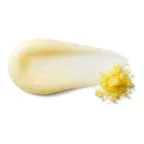 Encapsulated Retinol
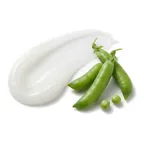 Niacinamide
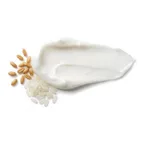 3 Essential Ceramides
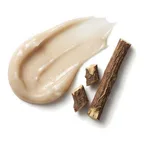 Licorice Root Extract
With encapsulated retinol, niacinamide, and 3 essential ceramides, it smooths texture, regulates oil, and brightens dark spots, so it suits combination skin, acne-prone skin, and skin with dark spots best. For skin that needs soothing, serums with panthenol and madecassoside get higher fit scores. Where to buy in the UK: Amazon.co.uk, Notino, and Lookfantastic, £14.57 to £23.50.
Each fit is calculated for the concerns frequently associated with that skin type. For scores and recommendations based on your full skin profile, including your 12D face scan results and goals, use the Lovi app.
Updated How the Fit score works
Where it fits best and least
Best fit High
Combination Skin, Acne-Prone Skin, Skin with Dark Spots
A great choice for combination skin; a few serums fit it even better.
- This serum is highly suitable for your combination skin, as retinol and niacinamide work synergistically to regulate oil production and promote skin resurfacing, effectively addressing your oily shine and improving skin texture.
Lowest fit Low
A weak match for dry skin.
- Offers excellent skin resurfacing for your dry skin due to retinol and niacinamide, which smooth texture and reduce post-acne marks, though sodium hyaluronate provides only moderate hydration without sufficient emollients to fully address dryness.
Other skin types
Buy online


Prices checked 22 Nov 2026
The Lovi Fit is the same in every country; only the stores and prices differ, and the ones here are for the United Kingdom.
How to apply
- Apply this serum PM, starting 3×/week and working up to daily use as your skin adjusts.
- Place the serum after cleansing and toner, but right before your moisturizer.
- Gently press 2-3 drops of the serum into your skin and let it absorb for a minute.
- Apply the serum on slightly damp skin to help lock in extra moisture.
- Avoid the eye area and do a patch test before your first use.
People Say
★4.6Overall rating based on 4.6k+ reviewsBased on a very large amount of data, this serum is highly regarded as a gentle introduction to retinol, effectively smoothing skin texture and reducing the appearance of post-acne marks with minimal irritation. Many users observe a radiant complexion and diminished pores, though significant improvements in hyperpigmentation typically require consistent application over several weeks to months.
Highlights
Gentle and non-irritating Mostly Mentioned
- “no burning sensation”
- “didn't dry me out”
- “zero irritation experienced”
Fades acne marks Often Mentioned
- “lightened dark spots”
- “faded acne scars”
- “helped with hyperpigmentation”
Improves skin texture Often Mentioned
- “smoother complexion”
- “softens rough patches”
- “reduces pore visibility”
Affordable value Sometimes Noted
- “great price”
- “budget-friendly retinol”
- “good value for money”
Lightweight formula Sometimes Noted
- “absorbs instantly”
- “non-greasy finish”
- “lightweight gel texture”
Slow results Sometimes Noted
- “takes a few months”
- “slow progress”
- “not an overnight miracle”
Initial breakouts Rarely Noted
- “caused small whiteheads”
- “skin purged initially”
- “broke me out first”
Initial dryness Rarely Noted
- “slight peeling”
- “dry patches around nose”
- “needs good moisturizer”
Packaging issues Rarely Noted
- “pump stopped working”
- “can't see product amount”
- “hard to get last bit”
Too mild Rarely Noted
- “too weak”
- “didn't do enough”
- “need stronger percentage”
Sources: lovi.care, ulta.com, walmart.com, cerave.com, influenster.com, cosmopolitan.com, and more
Questions and answers
What makes CeraVe Resurfacing Retinol Serum a great fit for combination skin?
This serum is a great fit because retinol and niacinamide work together to balance oily shine and smooth your skin texture. Ceramides and hydrogenated lecithin help keep your skin barrier strong and comfortable while the product works.
International Journal of Pharmaceutics, 2019International Journal of Pharmaceutics, 2020
How well does CeraVe Resurfacing Retinol work for oily skin?
CeraVe Resurfacing Retinol Serum works moderately well for oily skin, as retinol and niacinamide help control oil and smooth texture, though alcohol may cause mild irritation. Oily skin needs a formulation rich in sebum-controlling ingredients like niacinamide and soothing extracts that manage shine and improve radiance without any risk of irritation.
How well does CeraVe Resurfacing Retinol Serum work for sensitive skin?
This serum works moderately well for sensitive skin, as it contains soothing niacinamide and licorice root extract alongside retinol to help smooth lines while keeping irritation unlikely. To fit sensitive skin even better, a treatment of this type needs calming ingredients that actively soothe redness and repair the skin barrier without any risk of irritation.
Why is CeraVe Resurfacing Retinol Serum a weak match for dry skin?
This serum is a weak match because it focuses heavily on skin cell turnover and smooth texture rather than providing enough rich, soothing hydration for dry skin. While ingredients like retinol and niacinamide help smooth the surface, dry skin needs products rich in deep hydrators, strong skin barrier supporters, and nourishing ingredients like propolis, ceramides, and peptides to stay comfortable.
The British Journal of Dermatology, 2002Journal of Cosmetic Dermatology, 2016
How often should I use it?
Use this treatment in your evening routine, starting once a week to see how your skin responds. If your skin feels comfortable and you see good results, you can carefully use it more often.
Facial Plastic Surgery, 2014Journal of Cosmetic Dermatology, 2024
Is it fragrance-free and alcohol-free?
It has no fragrance and contains drying alcohol (alcohol).
What makes CeraVe Resurfacing Retinol Serum a great fit for acne-prone skin?
CeraVe Resurfacing Retinol Serum is a great fit because it helps clear acne and smooth fine lines using retinol and niacinamide, which encourage skin renewal and calm redness. Its ceramides and soothing ingredients also support your skin barrier for a healthy, smooth feel.
How well does CeraVe Resurfacing Retinol work for mature skin?
CeraVe Resurfacing Retinol Serum works moderately well for mature skin, as retinol and niacinamide help smooth fine lines and support the skin barrier, though certain ingredients may cause mild irritation. To care for mature skin best, a product needs high-quality ingredients that target wrinkles safely and effectively, combined with powerful antioxidants, peptides, and deep hydration components.
Why is CeraVe Resurfacing Retinol Serum a weak match for dry sensitive skin?
This serum is a weak match because the retinol inside may cause dryness and irritation on sensitive skin. A product of this type needs effective moisturizing ingredients that provide deep hydration and skin barrier support without any risk of irritation.
What makes CeraVe Resurfacing Retinol Serum a great fit for skin with dark spots?
CeraVe Resurfacing Retinol Serum is a great fit for skin with dark spots because it uses retinol and niacinamide to brighten dark spots and promote skin renewal. It is also very safe for your skin, as it includes soothing ceramides and licorice root extract to prevent irritation while smoothing your skin.
The British Journal of Dermatology, 2002Journal of Cosmetic Dermatology, 2016
How well does CeraVe Resurfacing Retinol work for oily acne-prone skin?
This product works moderately well for your oily acne-prone skin, as niacinamide helps control oil while retinol and alcohol may cause irritation. To fit this skin type better, a treatment needs targeted ingredients like niacinamide and propolis or vitamin C that manage acne and excess oil without any risk of irritation.
What the research says
Topical bakuchiol 0.5% applied twice daily compared with retinol 0.5% applied daily significantly decreased wrinkle surface area and hyperpigmentation with no statistical difference between the compounds in 44 patients over 12 weeks, while retinol users reported more facial skin scaling and stinging.
The British Journal of Dermatology, 2019Topical 0.3% and 1% retinol comparably improved biomarkers of cutaneous photoageing in photoaged volunteers, while 0.3% retinol demonstrated better tolerance with fewer and milder adverse events compared to 1% retinol in a daily escalation regimen.
International Journal of Cosmetic Science, 2022Daily application of 0.3% and 0.5% retinol serums in 37 volunteers over 12 weeks reduced skin hyperpigmentation, unevenness, and wrinkles on both sides of the face, with the 0.5% concentration causing more frequent and intense skin irritation.
Skin Pharmacology and Physiology, 2020Topical nicotinamide prevented solar-simulated UV-induced immunosuppression in healthy volunteers, and men experienced immunosuppression at solar-simulated UV doses three times lower than those required for women.
The Journal of Investigative Dermatology, 2008Topical 5% niacinamide applied twice daily for 12 weeks reduced fine lines and wrinkles, hyperpigmented spots, red blotchiness, and skin sallowness, and improved skin elasticity compared to vehicle control in 50 female white subjects with facial photoaging.
Dermatologic Surgery, 2005Topical 2% niacinamide significantly decreased sebum excretion rate in Japanese individuals and casual sebum levels in Caucasian individuals compared to placebo or baseline.
Journal of Cosmetic and Laser Therapy, 2006Ceramide and niacinamide-containing moisturizer combined with anti-acne treatment significantly improved non-inflammatory, inflammatory, and total acne lesions compared to hydrophilic cream in 40 patients with mild to moderate acne vulgaris after 8 weeks.
Journal of Cosmetic Dermatology, 2024Topical application of a pseudo-ceramide-containing spray improved stratum corneum water content, transepidermal water loss, cell area, and scaling score, and normalized the ceramide profile in patients with dry and sensitive skin compared to a control spray.
Journal of Cosmetic Dermatology, 2025Combining 755 nm alexandrite laser with topical licorice gel significantly reduces terminal hair counts compared to alexandrite laser with placebo in women with idiopathic hirsutism.
Evidence-based Complementary and Alternative Medicine, 2015Licochalcone A activated Nrf2 signaling, elevated cytoprotective enzymes, increased the reduced-to-oxidized glutathione ratio, and decreased reactive oxygen species in human fibroblasts and neutrophils, while a LicA-rich licorice extract lowered UVA-induced oxidative processes in vivo.
Experimental Dermatology, 2015Mesoporous silica nanoparticles entrapping licorice polysaccharide and coated with polydopamine showed 76% entrapment efficiency, 89% in vitro release at pH 5, increased sebocytes' cellular uptake, and mediated inflammatory response by inhibiting pro-inflammatory cytokines and regulating anti-inflammatory cytokines.
Carbohydrate Polymers, 2024Topical application of retinol and retinoic acid both increased epidermal thickness and upregulated collagen genes and proteins in human skin, with retinol producing similar histological and molecular changes to retinoic acid alongside a significant reduction in facial wrinkles after 12 weeks.
Journal of Cosmetic Dermatology, 2016Topical application of 0.1% retinol induced CRABP2 and HBEGF gene expression, increased keratinocyte proliferation and epidermal thickness ex vivo, and improved major skin aging signs without significant adverse reactions in 48 volunteers compared to placebo.
Skin Pharmacology and Physiology, 2009Niacinamide significantly decreased hyperpigmentation and increased skin lightness compared with vehicle alone after 4 weeks of use in women by inhibiting melanosome transfer.
The British Journal of Dermatology, 2002Topical 0.4% retinol significantly increased epidermal thickness, dermal vascularity, and extracellular matrix production by stimulating keratinocyte proliferation, endothelial cell proliferation, and fibroblast activation in naturally aged human skin compared to vehicle.
International Journal of Cosmetic Science, 2017Topical treatment of nicotinamide, alone or in combination with other active ingredients, reduces the progression of skin aging and hyperpigmentation in clinical trials while being well tolerated.
Antioxidants, 2021Lecithin-based nanoemulsions result in significantly higher viability rates in human epidermal keratinocytes and dermal fibroblasts compared to anionic and non-ionic surfactants, while showing intermediate skin permeation.
International Journal of Pharmaceutics, 2019Lecithin-based nanoemulsions showed superior viability in human skin cells compared to SDS-based formulations, with components remaining in superficial stratum corneum layers indicating low skin irritation risk.
International Journal of Pharmaceutics, 2020Glycerosomes formulated with a hydrogenated soy phosphatidylcholine mixture and high glycerol content (20 and 30%) improved the local delivery of encapsulated diclofenac and showed high in vitro biocompatibility toward human keratinocytes.
International Journal of Pharmaceutics, 2016Treatment with a combination of niacinamide and hyaluronic acid improved skin aging signs and demonstrated a senomorphic effect by decreasing SASP and autocrine signaling genes in women.
Scientific Reports, 2024
Ingredients
Water, Propanediol, Dimethicone, Cetearyl Ethylhexanoate, Niacinamide, Ammonium Polyacryloyldimethyl Taurate, Dipotassium Glycyrrhizate, Hydrogenated Lecithin, Potassium Phosphate, Ceramide Np, Ceramide Ap, Ceramide Eop, Carbomer, Cetearyl Alcohol, Behentrimonium Methosulfate, Dimethiconol, Lecithin, Sodium Citrate, Retinol, Sodium Hyaluronate, Sodium Lauroyl Lactylate, Cholesterol, Phenoxyethanol, Alcohol, Isopropyl Myristate, Caprylyl Glycol, Citric Acid, Trisodium Ethylenediamine Disuccinate, Pentylene Glycol, Phytosphingosine, Xanthan Gum, Polysorbate 20, Ethylhexylglycerin
Behind these fit scores
Lovi calculates every fit score from the full ingredient list with brand-independent rules our dermatologists and cosmetic chemists build and review, and personalizes every pick with AI trained on the real results of millions of users. Lovi trains its fit score models on a proprietary dataset built from more than 10,000 expert-labeled products and more than 100,000 simulated examples, following an internally consistent methodology presented at Cosmoprof, AMWC, and Skin of Color Update.
-

Co-founder, Medical Director
Cosmetic chemist, cosmetologist, aesthetic products developer
-

Co-founder, CEO and CTO
PhD in computer science, 3x US patent holder, ex-Google, ex-Yandex
-

Dr. Sofía Perea Pérez, MD, MSc
Medical Board
Aesthetic medicine practitioner, MSc in Longevity and Anti-Aging Medicine
-

Medical Board
Specialist dermatologist, MBBS, MD, IFAAD
-

Medical Board
Cosmetic chemist, SCS, IFSCC member
-

Medical Board, Medical Advisor
Dermatology MD
-

Elina Nazarenko, MD
Medical Board
Dermatology and diagnostic consultant
-

Victoria Derkova, MS
Medical Board
Cosmetic chemist, cosmetic development technologist


How does it fit your skin?
Scan your face, then any product: Lovi shows how well it fits you and what fits even better.