CELL BY CELL Soft Enzyme Powder for acne-prone skin

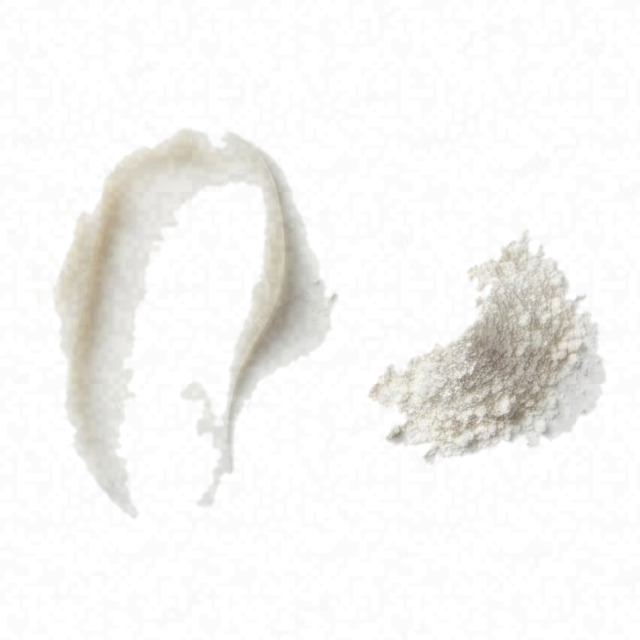 Sodium Cocoyl Isethionate
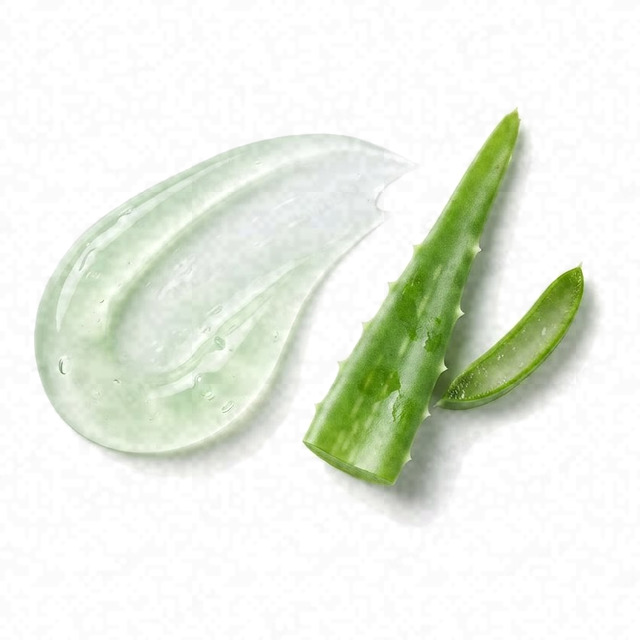 Aloe Barbadensis Leaf Juice
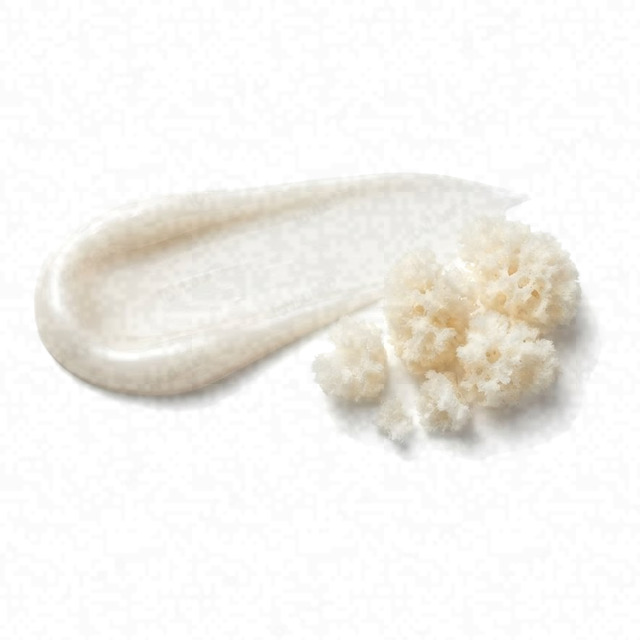 Collagen
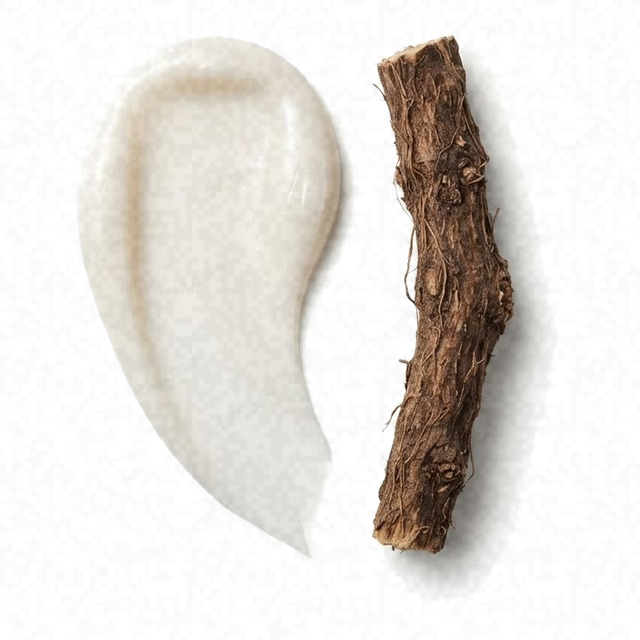 Allantoin
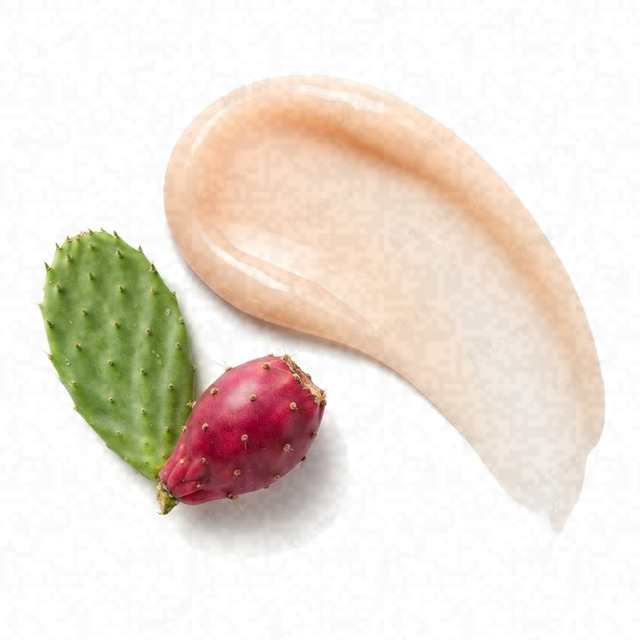 Opuntia Ficus-Indica Stem Extract
Average
- HighCombination Skin Fit
- AverageEffectiveness
- HighSafety
Works for acne-prone skin; other products fit it better.
This fit is calculated for the concerns frequently associated with acne-prone skin: breakouts, blackheads, and post-acne marks. For scores and recommendations based on your full skin profile, including your 12D face scan results and any goals or preferences you have, please use the Lovi app.
Page built Nov 8, 2026How the Fit score works
Lovi Assistant explains
- Offers moderate cleansing for your combination skin, as Sodium Cocoyl Isethionate and Sodium Lauroyl Glutamate help remove impurities without causing irritation. Zea Mays Starch and Aloe Barbadensis Leaf Juice further support oil absorption and hydration, making it generally suitable for your skin type.
- While beneficial for general cleansing, the formula does not directly target your primary concerns of acne, blemishes, and breakouts.
- The product is safe for your acne-prone skin, containing no harsh or prohibited ingredients that would cause irritation.
How to apply
- Use your enzyme powder cleanser as part of your PM weekly routine. Start by using it once a week and build up slowly if your skin is happy.
- Place this step after your regular cleanser and before applying your hydrating toner. Follow the weekly routine order for the best results.
- Mix the powder with a little water in your hands to create a soft foam. Gently massage onto your face and avoid rubbing too hard.
- Apply the enzyme powder cleanser on slightly damp skin to help activate the formula evenly. Make sure your face is clean before applying.
- Avoid the sensitive eye area during application. Do a patch test first and do not combine this with strong acids on the same night.
People Say
★4.7Overall rating based on 100+ reviewsBased on limited data, users consistently describe this cleanser as an exceptionally gentle powder-to-foam exfoliant that effectively smooths skin texture without stripping moisture. It is frequently recommended for sensitive, acne-prone, and oily skin types, with many users reporting a reduction in small bumps and a baby-soft finish after use.
Highlights
Gentle exfoliation Mostly Mentioned
- “Gentle enough for my sensitive skin”
- “Mild daily exfoliation”
- “No reaction even on super sensitive skin”
Skin texture improvement Often Mentioned
- “Skin feels like baby-smooth”
- “Transformed my skin tone”
- “Leaves face brighter and smoother”
Deep cleansing Sometimes Noted
- “Cleanses deep into pores”
- “Removes hidden impurities”
- “Helps reduce excess oil”
Non-stripping Sometimes Noted
- “Leaves it super hydrated”
- “No tightness after washing”
- “Maintains moisture balance”
Packaging design Sometimes Noted
- “Pours out too quickly”
- “Hard to control the amount”
- “Tends to scatter a bit”
Clumping issues Rarely Noted
- “Solidifies if water gets in”
- “Small clumps form and fall off”
- “Difficult to use if wet”
Messy application Rarely Noted
- “Scatters when applied”
- “Can get messy if sprinkled”
Price vs. quantity Rarely Noted
- “Price a tad on the higher side”
- “Runs out faster than expected”
- “Amount is a bit small”
Sources: lovi.care, cellbycell.com, hwahae.co.kr, ebay.com, and more
Questions and answers
How well does CELL BY CELL Soft Enzyme Powder work for acne-prone skin?
CELL BY CELL Soft Enzyme Powder works moderately well for acne-prone skin by gently removing impurities without irritation, though it does not directly target breakouts. An enzyme powder cleanser for this skin needs ingredients like Niacinamide or Licorice Root Extract to actively target blemishes alongside safe, soothing, and hydrating care.
Which ingredients make this cleanser a good fit for acne-prone skin?
Aloe Barbadensis Leaf Juice and Sodium Cocoyl Isethionate help make this cleanser a good fit because they gently wash away dirt and calm the skin without causing irritation. To truly clear acne-prone skin, a cleanser of this type needs soothing and gentle ingredients that actively target blemishes and breakouts while keeping the skin balanced.
Journal of Cosmetic Science, 2007Clinical Pharmacology, 2018
What does Sodium Cocoyl Isethionate do for acne-prone skin?
Sodium cocoyl isethionate helps wash acne-prone skin gently because its large size keeps it from getting deep into the skin to cause irritation or dryness. This ingredient keeps your skin calm and clean while maintaining your skin barrier, which a cleanser for breakouts needs to do without stripping dry or sensitive skin.
What does Aloe Vera Leaf Juice do for acne-prone skin?
Aloe Vera Leaf Juice helps calm acne-prone skin and may reduce redness, bumps, and spots when used consistently. Studies show it helps clear breakouts and keeps skin smooth by fighting blemish-causing factors.
Clinical Pharmacology, 2018The Journal of Dermatological Treatment, 2014
Where does it go in a skincare routine for acne-prone skin?
This enzyme powder cleanser goes in your weekly routine, used once a week as an exfoliating step after your cleanser. While it is safe and gentle for your skin, it does not directly target acne and breakouts, so a product for this skin needs active blemish-fighting ingredients like salicylic acid or benzoyl peroxide.
Can I use this cleanser with retinol, and in what order?
You can use this cleanser in your routine when using retinol, applying it in the evening before your retinol treatment. It is unlikely to irritate your skin, but an acne-prone skin routine needs targeted ingredients like salicylic acid or benzoyl peroxide to directly treat breakouts and blemishes.
Journal of Cosmetic Dermatology, 2024American Family Physician, 2012
How often should I use it?
Start by using this enzyme powder cleanser once a week as part of your routine. If your skin tolerates it well and you see good results, you may carefully use it more often.
Can this cleanser clog pores, cause breakouts or purging for acne-prone skin?
CELL BY CELL Soft Enzyme Powder is unlikely to clog pores or cause breakouts on acne-prone skin because it contains gentle cleansers like Sodium Cocoyl Isethionate and soothing ingredients like Aloe Barbadensis Leaf Juice. However, since the formula does not directly target acne, blemishes, or breakouts, skin prone to breakouts generally needs a cleanser with targeted acne-fighting ingredients like salicylic acid or benzoyl peroxide.
Is it fragrance-free and alcohol-free?
Yes, it has no fragrance and no drying alcohol.
What the research says
Sodium cocoyl isethionate micelles are too large to penetrate stratum corneum aqueous pores, resulting in significant steric hindrance that prevents skin barrier perturbation and explains its skin mildness.
Journal of Cosmetic Science, 2007A cream combining propolis, tea tree oil, and Aloe vera reduced erythema scars, acne severity index, and total lesion count better than erythromycin cream in sixty patients with mild to moderate acne vulgaris compared to placebo.
Clinical Pharmacology, 2018Topical aloe vera gel significantly accelerated split-thickness skin graft donor-site healing compared to placebo in 12 patients, but showed no significant difference in pain relief.
Plastic and Reconstructive Surgery, 2018Topical application of Aloe vera cream reduced postoperative pain at rest and during defecation, accelerated wound healing at two weeks, and decreased analgesic requirements in patients after open hemorrhoidectomy compared to placebo.
Journal of Alternative and Complementary Medicine, 2010Formulations containing 0.10%, 0.25%, and 0.50% freeze-dried Aloe vera extract increased stratum corneum water content compared with the vehicle in 20 female subjects, while transepidermal water loss was not modified.
Skin Research and Technology, 2006Topical application of TAC/Collagen postbiotics gel improved skin moisture score and inflammation index, and reduced porphyrins and brown spots in 20 volunteers with acne vulgaris.
Journal of Cosmetic Dermatology, 2022Topical collagen tripeptide application improved skin wrinkles, elasticity, and density while reducing advanced glycated end products in 22 Asian women over 4 weeks.
International Journal of Molecular Sciences, 2022Marine collagen extracted from Greenland halibut skin showed a non-cytotoxic effect on fibroblast cells and provided a slight skin hydration effect when incorporated into cosmetic hydrogel formulations at dosages of 0.1, 0.25, and 0.5% in 23 healthy volunteers.
Marine Drugs, 2023Topical gel containing chitosan, 0.2% chlorhexidine, allantoin and dexpanthenol did not improve postoperative comfort regarding swelling and pain, but improved the wound's aesthetic appearance following impacted lower third molar extraction compared to no gel.
Medicina Oral, Patologia Oral Y Cirugia Bucal, 2016A topical gel containing chitosan, chlorhexidine, allantoin, and dexpanthenol significantly reduced postoperative pain, trismus, swelling, and analgesic consumption, while improving wound healing after third molar surgery compared to a placebo.
Medicina Oral, Patologia Oral Y Cirugia Bucal, 2020An overnight patch containing Allium cepa extract and allantoin safely promotes scar healing after dermatologic surgery, resulting in significantly greater reductions in observer- and patient-assessed POSAS scores compared to no treatment.
Aesthetic Plastic Surgery, 2018Opuntia ficus-indica extract and its isorhamnetin-glucosyl-rhamnoside suppressed nitric oxide, COX-2, TNF-alpha, and IL-6 production in vitro and inhibited croton oil-induced ear edema in vivo.
BioMed Research International, 2015Opuntia ficus-indica extract activated AHR-NRF2 signaling, inhibited reactive oxygen species generation, and upregulated filaggrin and loricrin expression in human keratinocytes.
Journal of Medicinal Food, 2015Pre-treating normal human keratinocytes with an Opuntia ficus-indica cladode water extract protected against UVA-induced oxidative stress and apoptosis by inhibiting free radicals, lipid peroxidation, and GSH depletion.
Bioorganic & Medicinal Chemistry Letters, 2017
Why other products fit acne-prone skin better
A fixed combination of hydroxypinacolone retinoate, retinol glycospheres, and papain glycospheres in aqueous gel applied once daily for 12 weeks achieved a 41% mean reduction in GAGS score and a 40.8% mean reduction in total lesions, with 15.3% of patients experiencing mild to moderate local side effects, in 94 evaluable patients with comedonal-papular, mild to moderate acne of the face.
Giornale Italiano Di Dermatologia E Venereologia, 2015
Ingredients
Zea Mays Starch, Sodium Cocoyl Isethionate, Sodium Lauroyl Glutamate, Aloe Barbadensis Leaf Juice, Opuntia Ficus-Indica Stem Extract, Allantoin, Collagen, Sorbitol, Ascorbyl Palmitate, Isopropyl Palmitate, Grapefruit Seed Extract, Pollen Extract, Titanium Dioxide, Citric Acid, Disodium Edta
Behind this fit score
Lovi calculates every fit score from the full ingredient list with brand-independent rules our dermatologists and cosmetic chemists build and review, and personalizes every pick with AI trained on the real results of millions of users. Lovi trains its fit score models on a proprietary dataset built from more than 10,000 expert-labeled products and more than 100,000 simulated examples, following an internally consistent methodology presented at Cosmoprof, AMWC, and Skin of Color Update.
-

Co-founder, Medical Director
Cosmetic chemist, cosmetologist, aesthetic products developer
-

Co-founder, CEO and CTO
PhD in computer science, 3x US patent holder, ex-Google, ex-Yandex
-

Dr. Sofía Perea Pérez, MD, MSc
Medical Board
Aesthetic medicine practitioner, MSc in Longevity and Anti-Aging Medicine
-

Medical Board
Specialist dermatologist, MBBS, MD, IFAAD
-

Medical Board
Cosmetic chemist, SCS, IFSCC member
-

Medical Board, Medical Advisor
Dermatology MD
-

Elina Nazarenko, MD
Medical Board
Dermatology and diagnostic consultant
-

Victoria Derkova, MS
Medical Board
Cosmetic chemist, cosmetic development technologist


How does it fit your skin?
Scan your face, then any product: Lovi shows how well it fits you and what fits even better.