
Vivier Sheer Broad Spectrum SPF 45 for combination skin

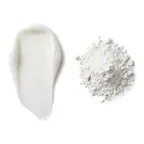 Zinc Oxide
 Octocrylene
 Ethylhexyl Methoxycinnamate Octinoxate
 Ethylhexyl Salicylate
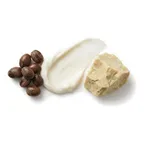 Butyrospermum Parkii Butter Shea Butter
High
- HighCombination Skin Fit
- HighEffectiveness
- HighSafety
A great choice for combination skin; a few sunscreens fit it even better. Where to buy in Singapore: Amazon.sg, S$119.36.
This fit is calculated for the concerns frequently associated with combination skin: an oily T-zone, enlarged pores, and dry cheeks. For scores and recommendations based on your full skin profile, including your 12D face scan results and any goals or preferences you have, please use the Lovi app.
Updated How the Fit score works
Lovi Assistant explains
- Offers excellent UV protection for your combination skin, with zinc oxide and octocrylene providing broad-spectrum defense while silica absorbs excess oil to manage shine.
- Tocopherol offers antioxidant benefits, complementing the anti-inflammatory action of zinc oxide to support your skin's barrier function.
- The formula is safe for your combination skin, as it lacks harsh ingredients and poses no irritation risk.
Buy online

Prices checked 22 Nov 2026
The Lovi Fit is the same in every country; only the stores and prices differ, and the ones here are for Singapore.
How to apply
- Apply this sunscreen during your AM routine every single day. Make sure to reapply ⏱ every two hours if you stay outside.
- Apply this sunscreen as the very last step of your morning routine after your moisturizer. Allow your moisturizer to ⏳ sink in for a minute first.
- Smooth an even layer over your face and gently pat it into the skin without harsh rubbing. Be sure to cover all exposed areas thoroughly.
- For the best finish on your combination skin, apply the sunscreen on completely dry skin over your moisturizer. This helps control any oily shine throughout the day.
- Avoid getting the product directly into your eyes. Do a small patch test before your first full application.
People Say
★4.5Overall rating based on 100+ reviewsBased on limited data, users highly praise this sunscreen for its lightweight, silky texture that dries to a matte finish, making it an excellent primer for makeup and suitable for oily or acne-prone skin. Most find it invisible and non-irritating, though a small number of reviewers with specific skin types report issues with a white cast, pilling, or dryness.
Highlights
Elegant matte finish Mostly Mentioned
- “amazing matte finish”
- “silky soft texture”
- “non-greasy and fast-absorbing”
- “feels like nothing”
Makeup compatibility Often Mentioned
- “layers perfectly under makeup”
- “acts like a primer”
- “makeup stays in place”
- “doesn't pill under foundation”
Effective protection Sometimes Noted
- “great protection”
- “prevented sunburn”
- “reliable daily SPF”
- “good for sun-sensitive skin”
Sensitive skin friendly Sometimes Noted
- “great for sensitive skin”
- “didn't cause breakouts”
- “no stinging”
Drying effect Rarely Noted
- “leaves skin tight”
- “a little dry”
- “not hydrating enough”
- “clings to dry patches”
High price point Rarely Noted
- “waste of money”
- “overpriced for the amount”
- “expensive tube”
- “not worth the cost”
Texture issues Rarely Noted
- “pills so bad”
- “very runny consistency”
- “thick and not easily spreadable”
- “balling up”
Visible white cast Rarely Noted
- “leaves a very apparent white cast”
- “looked pale”
- “white residue left behind”
- “hard to rub in”
Sources: lovi.care, vivierpharma.com, lovelyskin.com, edcskincare.com, reddit.com, eskinstore.com, and more
Questions and answers
What makes Vivier Sheer Broad Spectrum SPF 45 a great fit for combination skin?
This sunscreen is a great fit because zinc oxide and octocrylene offer strong sun defense while silica absorbs excess oil to keep shine under control. Tocopherol and zinc oxide also work together to support your skin's barrier and calm the skin without causing irritation.
Which ingredients make this cream a good fit for combination skin?
Zinc oxide and octocrylene provide broad-spectrum sun protection while silica absorbs excess oil to keep shine under control. Tocopherol and shea butter help support your skin barrier without causing irritation.
What does Zinc Oxide do for combination skin?
Zinc oxide helps calm red spots, balances oily shine, and protects dry areas without clogging pores. This ingredient is unlikely to cause irritation and is generally well tolerated by balanced yet reactive skin types.
What does Octocrylene do for combination skin?
Octocrylene is a UV filter used in sunscreens to help protect combination skin from sun damage with a low likelihood of irritation. This ingredient is generally safe for daily use, though it may rarely cause sensitivity in some individuals.
Journal of Drugs in Dermatology, 2025Journal of the European Academy of Dermatology and Venereology, 2019
Where does it go in a skincare routine for combination skin?
This product goes as the final step of your morning skincare routine, right after your moisturizer. It provides broad-spectrum sun defense while silica absorbs excess oil to help manage shine on combination skin.
Can I use this cream with retinol, and in what order?
You can use this sunscreen in the morning as the final step of your daytime routine, applied after your moisturizer. It is unlikely to irritate combination skin and helps protect against UV rays while managing shine.
How often should I use it?
You should use this sunscreen every morning as the final step of your daytime routine. It helps protect your combination skin from the sun while silica absorbs excess oil to keep shine managed.
Can this cream clog pores, cause breakouts or purging for combination skin?
This cream is unlikely to clog pores or cause breakouts for combination skin because it lacks harsh ingredients and poses no irritation risk. The formula includes silica to absorb excess oil and manage shine, and studies show that sunscreens with these filters do not disrupt normal skin bacteria.
Is it fragrance-free and alcohol-free?
Yes, it has no fragrance and no drying alcohol. Behenyl alcohol and cetearyl alcohol are fatty alcohols, which soften the skin.
What the research says
Replacing microsized titanium dioxide and zinc oxide with nanoparticles in sunscreens eliminates opaqueness and alters UV protection balance while inducing (photo)cyto- and genotoxicity and penetrating viable skin layers during long-term exposures.
Nanotechnology, Science and Applications, 2011Chemical sunscreens containing avobenzone, octocrylene, homosalate, and octisalate showed no to minimal risks of dermal irritation, sensitization, photo-allergy, and photo-irritation in human subjects.
Journal of Drugs in Dermatology, 2025A topical antioxidant serum significantly reduced air pollution-induced skin pigmentation and proinflammatory gene expression ex vivo, and improved skin aging signs in 40 healthy adult females after 90 days of daily use.
Journal of Cosmetic Dermatology, 2022Topical 0.5% hyaluronic-ZnO nanogel applied twice daily reduced inflammatory-lesion counts by 58% at week four in human subjects compared to baseline without causing erythema.
Biomedicines, 2025The application of a sunscreen formulation containing ethylhexyl methoxycinnamate, ethylhexyl salicylate, methyl anthranilate, and octocrylene does not significantly affect critical acne-related species such as Cutibacterium acnes and Staphylococcus epidermidis, refuting the induction of facial dysbiosis in men.
Archives of Dermatological Research, 2024Daily use of a deep cleansing gel containing salicylic acid 2%, zinc gluconate 0.2% and lipohydroxy acid 0.05% significantly reduced total lesion count by 56.3% after 84 days in 35 subjects with mild to moderate truncal acne.
Clinical, Cosmetic and Investigational Dermatology, 2023Topical zinc oxide nanogels formulated using Dendrobium anosmum showed greater effectiveness against Gram-positive acne-causing bacteria compared to chemogenic nanoparticles.
Molecules, 2023Dermal sunscreen exposure in 20 healthy volunteers led to plasma concentrations of avobenzone, octocrylene, and its metabolite CDAA reaching up to 11 μg/L, 25 μg/L, and 1352 μg/L, respectively.
Environment International, 2019Incorporating rosmarinic acid into sunscreens enhanced the in vivo SPF of octocrylene by over 157% and reduced lipid peroxidation in the human stratum corneum.
Antioxidants, 2025UV filters octocrylene, octylmethoxycinnamate, and benzophenone-3 increase the generation of UV-induced reactive oxygen species in the nucleated epidermis above control levels when left on the skin surface for 60 minutes.
Free Radical Biology & Medicine, 2006Replacing 20% of the chemical UV filter octyl methoxycinnamate with urucum oil in solid lipid nanoparticles maintained the skin protection factor without inducing toxic responses or significant skin penetration in human volunteers.
Skin Pharmacology and Physiology, 2018Liposomal encapsulation of octyl methoxycinnamate increases its safety, skin affinity, and in vivo solar photoprotection factor while slowing its release and enhancing retention in the stratum corneum compared to a conventional formulation.
International Journal of Nanomedicine, 2013Encapsulation of ethylhexyl methoxycinnamate and butyl methoxydibenzoylmethane in lipid microparticles significantly reduced their in vivo human skin penetration compared to nonencapsulated filters.
Skin Pharmacology and Physiology, 2011Simulated real-life dermal sunscreen exposure in twenty human volunteers leads to the systemic bioavailability and urinary excretion of the UV filter 2-ethylhexyl salicylate and its metabolite, reaching concentration peaks at 7 to 8 hours with 70-80% of overall excretion within 24 hours.
Archives of Toxicology, 2019Controlled single dermal exposure to an EHS-containing sunscreen in three volunteers resulted in delayed systemic resorption with elimination half-lives between 6.6 and 9.7 hours, where the parent compound EHS occurred as the dominant urinary parameter.
Archives of Toxicology, 2024LC-MS/MS reassessment of human urine samples after dermal sunscreen application identified EHS and several new metabolites, with EHS accounting for 34% of the cumulative excretion within 24 hours.
Toxicology Letters, 2024A skin barrier restoring cream with shea butter, silkflo, and vitamin E increased type I procollagen synthesis, enhanced antioxidant enzyme activity, decreased reactive oxygen species generation, and promoted hyaluronic acid production in H2O2-stimulated human keratinocyte cells compared to untreated cells.
International Journal of Cosmetic Science, 2025
Ingredients
Zinc Oxide, Octocrylene, Ethylhexyl Methoxycinnamate Octinoxate, Ethylhexyl Salicylate, Behenyl Alcohol, Butylparaben, Butyrospermum Parkii Butter Shea Butter, C12-15 Alkyl Benzoate, Ceteareth-20, Cetearyl Alcohol, Cyclohexasiloxane, Cyclopentasiloxane, Ethylparaben, Methylparaben, Phenoxyethanol, Phenyl Trimethicone, Propylparaben, Silica, Tetrasodium Edta, Tocopherol, Triethoxycaprylylsilane, Water
Behind this fit score
Lovi calculates every fit score from the full ingredient list with brand-independent rules our dermatologists and cosmetic chemists build and review, and personalizes every pick with AI trained on the real results of millions of users. Lovi trains its fit score models on a proprietary dataset built from more than 10,000 expert-labeled products and more than 100,000 simulated examples, following an internally consistent methodology presented at Cosmoprof, AMWC, and Skin of Color Update.
-

Co-founder, Medical Director
Cosmetic chemist, cosmetologist, aesthetic products developer
-

Co-founder, CEO and CTO
PhD in computer science, 3x US patent holder, ex-Google, ex-Yandex
-

Dr. Sofía Perea Pérez, MD, MSc
Medical Board
Aesthetic medicine practitioner, MSc in Longevity and Anti-Aging Medicine
-

Medical Board
Specialist dermatologist, MBBS, MD, IFAAD
-

Medical Board
Cosmetic chemist, SCS, IFSCC member
-

Medical Board, Medical Advisor
Dermatology MD
-

Elina Nazarenko, MD
Medical Board
Dermatology and diagnostic consultant
-

Victoria Derkova, MS
Medical Board
Cosmetic chemist, cosmetic development technologist


How does it fit your skin?
Scan your face, then any product: Lovi shows how well it fits you and what fits even better.