Versed Doctor's Visit Instant Resurfacing Mask for acne-prone skin

 Glycolic Acid
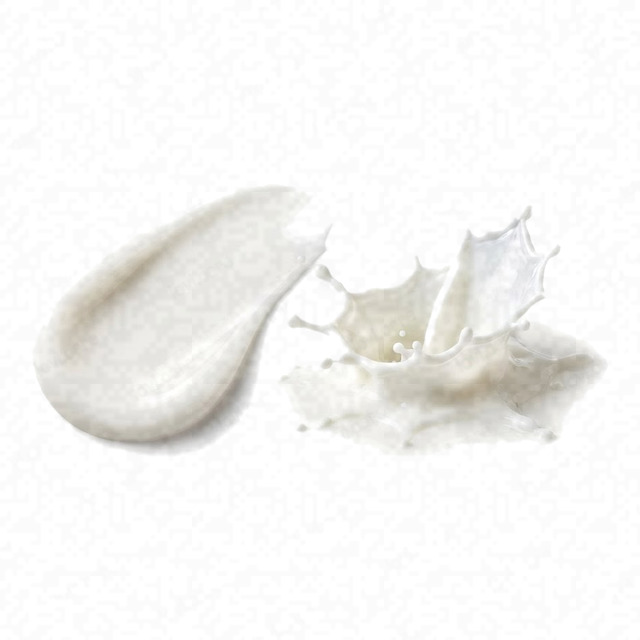 Lactic Acid
 Salicylic Acid
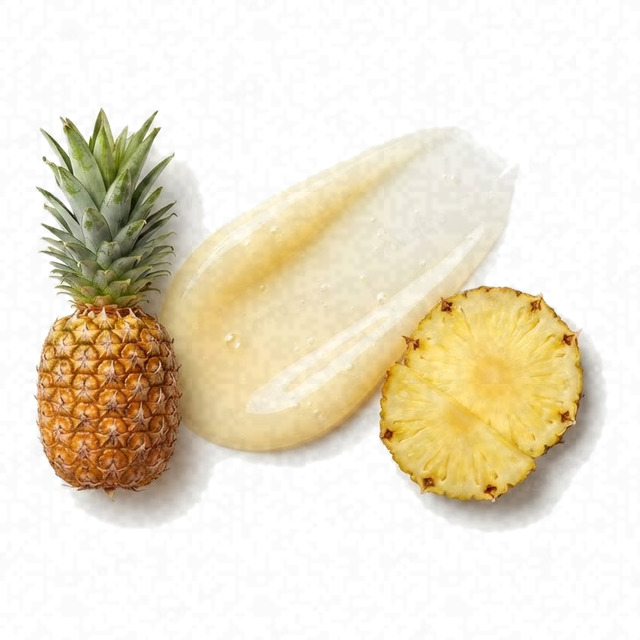 Pineapple Enzymes
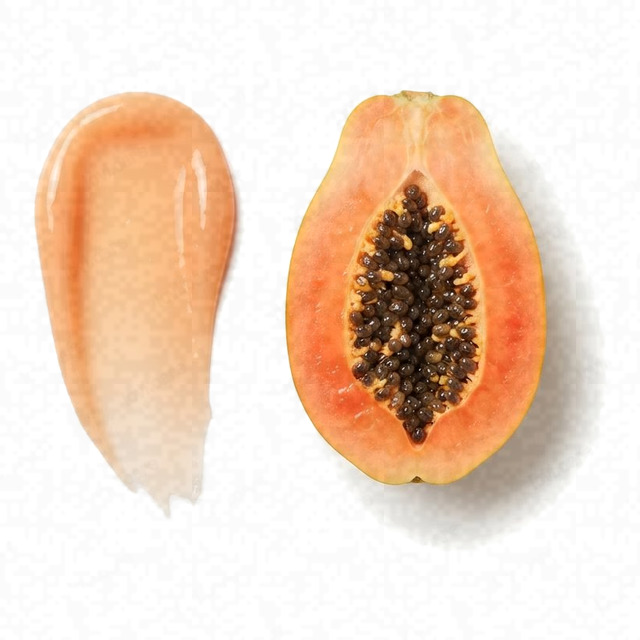 Carica Papaya Extract Fruit Ferment
High
- HighCombination Skin Fit
- HighEffectiveness
- HighSafety
A great choice for acne-prone skin; a few products fit it even better.
This fit is calculated for the concerns frequently associated with acne-prone skin: breakouts, blackheads, and post-acne marks. For scores and recommendations based on your full skin profile, including your 12D face scan results and any goals or preferences you have, please use the Lovi app.
Page built Nov 8, 2026How the Fit score works
Lovi Assistant explains
- Offers high suitability for your combination skin, as lactic acid, glycolic acid, and salicylic acid provide effective keratolytic action and exfoliation to manage oiliness and improve texture.
- These acids also offer moderate exfoliation for your acne, blemishes, and breakouts by promoting skin resurfacing.
- The formula is safe for your combination skin, with no risks of irritation due to the absence of prohibited or harsh ingredients.
How to apply
- Use this exfoliant PM once a week to start, and gradually increase if your combination skin tolerates it well. Always apply SPF the next morning to protect your clear skin.
- Apply the exfoliant after cleansing and toning, but right before your moisturizer step. This ensures the treatment targets blemishes effectively.
- Gently press 2-3 drops of the exfoliant into your skin without rubbing. Let it absorb for a minute before moving to the next step.
- Apply the exfoliant on clean, dry skin to help control breakouts safely. Since your skin is not sensitive, this dry application method ensures good product absorption.
- Avoid the sensitive eye area and do a patch test before your first use. Do not mix this exfoliant with other strong acids in the same routine.
People Say
★4.4Overall rating based on 3.2k+ reviewsThis exfoliating jelly mask is widely praised for delivering an "instant facial" effect, transforming dull and textured skin into a smoother, brighter complexion in just 2-3 minutes. Users with hyperpigmentation, acne scars, and aging concerns report visible improvements in tone and softness, though results are best maintained with weekly use. This summary is based on a very large amount of data and should definitely be taken into account.
Highlights
Instant glow Mostly Mentioned
- “gives me a radiant glow”
- “skin is noticeably brighter”
- “looks like a glazed donut”
- “removed dullness instantly”
Smoother skin Mostly Mentioned
- “cheeks looked so smooth”
- “skin smooth as glass”
- “texture is super smooth”
- “softened rough areas”
Quick and convenient Often Mentioned
- “only takes 2-3 minutes”
- “quick pick-me-up”
- “fastest mask I own”
- “great for busy moms”
Gentle but effective Sometimes Noted
- “no tingling or burning”
- “gentle enough for sensitive skin”
- “didn't dry me out”
- “no redness after use”
Unique jelly texture Sometimes Noted
- “jelly-like texture”
- “feels like pineapple jello”
- “applies smoothly”
- “cooling sensation”
Unpleasant scent Sometimes Noted
- “smells medicinal”
- “weird herbal scent”
- “faint pineapple but odd”
- “scent is off-putting”
Caused irritation Rarely Noted
- “made my face red”
- “caused a breakout”
- “slight burning sensation”
- “too strong for me”
Small packaging Rarely Noted
- “jar is tiny”
- “finished it quickly”
- “wish it was bigger”
- “expensive for the size”
Sticky residue Rarely Noted
- “hard to wash off”
- “feels sticky”
- “residue left behind”
- “messy jar application”
Underwhelming results Rarely Noted
- “didn't see a difference”
- “underwhelmed by results”
- “expected more glow”
- “just okay”
Sources: lovi.care, target.com, versedskin.com, amazon.com, ulta.com, boots.com, and more
Questions and answers
What makes Versed Doctor's Visit Instant Resurfacing Mask a great fit for acne-prone skin?
Versed Doctor's Visit Instant Resurfacing Mask is a great fit for acne-prone skin because its glycolic, lactic, and salicylic acids help manage oiliness and improve texture. These ingredients also provide helpful exfoliation to resurface the skin and manage breakouts safely without harsh irritation.
Clinical, Cosmetic and Investigational Dermatology, 2019BioMed Research International, 2020
Which ingredients make this exfoliant a good fit for acne-prone skin?
Glycolic acid, lactic acid, and salicylic acid make this mask a great fit because they manage oiliness, clear away dead skin, and help smooth out blemishes and breakouts. Pineapple and papaya enzymes gently support this resurfacing action to keep your skin looking clear and smooth.
Clinical, Cosmetic and Investigational Dermatology, 2019BioMed Research International, 2020
What does Glycolic Acid do for acne-prone skin?
Glycolic acid helps clear acne-prone skin by reducing pimples and breakouts. It also helps fade dark spots left behind by acne and controls skin oiliness, with very few side effects when used properly.
Journal of Cosmetic Dermatology, 2021Dermatologic Surgery, 2014
What does Lactic Acid do for acne-prone skin?
Lactic acid helps clear acne-prone skin by reducing both inflammatory and non-inflammatory lesions with regular topical use. It works well to smooth and calm the skin while managing breakouts safely over time.
Indian Journal of Dermatology, Venereology and Leprology, 2002
Where does it go in a skincare routine for acne-prone skin?
This treatment goes in your evening routine, starting at once a week before moving to more frequent use if your skin tolerates it well. It helps manage oiliness and clear breakouts safely by removing dead skin cells without harsh ingredients.
Can I use this exfoliant with retinol, and in what order?
It is best to use this exfoliant on a separate night from your retinol to help prevent irritation on your acne-prone skin. Applying them on alternate evenings allows the glycolic, lactic, and salicylic acids to clear your pores safely without overwhelming your skin.
How often should I use it?
Use this exfoliant treatment once a week in your evening routine, and carefully use it more often only if your skin handles it well and shows good results. It uses a mix of acids to clear away dead skin and manage oiliness, helping to keep breakouts under control.
Dermatologic Surgery, 2003Journal of Cosmetic Dermatology, 2021
Can this exfoliant clog pores, cause breakouts or purging for acne-prone skin?
This exfoliant is a great fit for acne-prone skin because glycolic acid, lactic acid, and salicylic acid help clear oil and smooth texture, while supporting skin resurfacing to manage breakouts with a low risk of irritation. It is unlikely to cause clogged pores or breakouts, though the active acids may cause initial purging as they clear out the skin.
Clinical, Cosmetic and Investigational Dermatology, 2019Giornale Italiano Di Dermatologia E Venereologia, 2015
Is it fragrance-free and alcohol-free?
Yes, it has no fragrance and no drying alcohol.
What the research says
A moisturizer containing licochalcone A, 1,2-decanediol, L-carnitine, and salicylic acid significantly reduced noninflammatory, inflammatory, and total acne lesion counts compared to a vehicle control in Thai patients during a 12-week maintenance phase.
BioMed Research International, 2020Twice daily application of a multitargeted dermocosmetic cream provided comparable efficacy to benzoyl peroxide 5% gel in reducing inflammatory, non-inflammatory, and total lesions in 150 Caucasian subjects with mild-to-moderate acne over 56 days, while demonstrating superior skin tolerability.
Journal of Cosmetic Dermatology, 2024Glycolic acid, salicylic acid, gluconolactone, and licochalcone A combined with 0.1% adapalene showed no hindrance compared to adapalene monotherapy and provided benefits in reducing complications in 25 subjects with mild-to-moderate acne vulgaris.
Clinical, Cosmetic and Investigational Dermatology, 2019A fixed combination of hydroxypinacolone retinoate, retinol glycospheres, and papain glycospheres in aqueous gel applied once daily for 12 weeks achieved a 41% mean reduction in GAGS score and a 40.8% mean reduction in total lesions, with 15.3% of patients experiencing mild to moderate local side effects, in 94 evaluable patients with comedonal-papular, mild to moderate acne of the face.
Giornale Italiano Di Dermatologia E Venereologia, 2015Incorporating 1, 2, and 5 percent papain into starch- and carboxymethyl cellulose-based films preserved proteolytic and skin exfoliation activity while improving mechanical properties and water solubility compared to control films, with immobilized enzyme maintaining stability for up to 90 days.
International Journal of Biological Macromolecules, 2023Repeated short-contact 70% glycolic acid peels provided superior results in atrophic acne scars compared to daily low-strength glycolic acid cream or placebo in 58 women over 24 weeks.
International Journal of Dermatology, 2000Serial glycolic acid peels combined with a modified Kligman formula significantly reduced facial PIH severity in Indian patients compared to the modified Kligman formula alone.
Dermatologic Surgery, 2017Application of a cream containing lactic acid 12% and pramoxine HCl 1% significantly improved skin dryness, hydration, and itch compared with a nontreated control in 24 women with a history of dry itchy skin.
Cutis, 2004Topical 12% ammonium lactate produced a significant sparing of epidermal and dermal atrophy induced by clobetasol propionate in human volunteers, without influencing the corticosteroid's bioavailability or antiinflammatory properties.
Journal of the American Academy of Dermatology, 1992A lactic acid/ceramide lotion significantly improved skin moisturization and desquamation compared to no treatment in women with dry, rough skin on the anterior shins.
The Journal of Clinical and Aesthetic Dermatology, 2020Cryotherapy with liquid nitrogen achieved a higher cure rate (39%) than salicylic acid (24%) and a wait-and-see approach (16%) for cutaneous warts at 13 weeks in primary care patients.
CMAJ, 2010Treatment with 2% supramolecular salicylic acid hydrogel resulted in a regression and markedly improvement rate of 51.01% compared to 43.10% for Adapaline gel in patients with mild to moderate facial acne vulgaris, showing no significant difference in efficacy.
Journal of Cosmetic Dermatology, 2024Topical 5% benzoyl peroxide plus salicylic acid achieved the greatest lesion reduction at early 2 to 4 week time points compared to benzoyl peroxide, clindamycin, and combination benzoyl peroxide/clindamycin, while 5% benzoyl peroxide plus salicylic acid and combination benzoyl peroxide/clindamycin showed similar efficacy at 10 to 12 weeks in acne patients.
Journal of the American Academy of Dermatology, 2010Oral bromelain slightly reduced pain compared to controls (mean difference -0.27) and topical bromelain reduced time to complete debridement by 6.89 days, with no major health risks reported.
Nutrition and Health, 2023An upcycled pineapple leaf fibre crosspolymer forms a physical barrier that protects against environmental aggressors while providing antioxidant, anti-inflammatory, antipollution, UV protection, hydration, and hair benefits.
International Journal of Cosmetic Science, 2026A coaxial electrospun core-shell nanofiber scaffold delivering bromelain and salvianolic acid B demonstrated sustained drug release, in vitro endothelial cell migration, increased capillary formation in an in ovo assay, and in vivo efficacy for skin regeneration and wound healing.
Biomedical Materials, 2017Topical papain treatment may slightly decrease pain within 30 minutes in humans stung by Chrysaora chinensis compared to placebo.
Wilderness & Environmental Medicine, 2016Reflux extraction of Carica papaya leaves yielded higher antioxidant capacity and superior in vitro wound-healing activities including fibroblast proliferation, cell migration, and collagen synthesis in human skin fibroblasts compared to ultrasonic-assisted extraction and agitation.
Molecules, 2020Carica papaya leaf extracts obtained via supercritical fluid and conventional methods demonstrated antioxidant and cytoprotective effects on skin fibroblasts against oxidative stress, driven by their respective lipophilic and hydrophilic constituents.
Molecules, 2021
Ingredients
Water, Glycerin, Polyacrylate Crosspolymer-6, Propanediol, Lactic Acid, Glycolic Acid, Lactobacillus Papaya Extract Fruit Ferment, Pineapple Fruit Extract, Salicylic Acid, Melia Azadirachta Leaf Extract, Evodia Rutaecarpa Fruit Extract, Melia Azadirachta Flower Extract, Curcuma Longa Root Extract, Lactobacillus Ferment, Leuconostoc Radish Root Ferment Filtrate, Ocimum Basilicum Leaf Extract Flower, Ocimum Sanctum Leaf Extract, Corallina Officinalis Extract, Potassium Hydroxide, 1,2-Hexanediol, Caprylhydroxamic Acid, T-Butyl Alcohol
Behind this fit score
Lovi calculates every fit score from the full ingredient list with brand-independent rules our dermatologists and cosmetic chemists build and review, and personalizes every pick with AI trained on the real results of millions of users. Lovi trains its fit score models on a proprietary dataset built from more than 10,000 expert-labeled products and more than 100,000 simulated examples, following an internally consistent methodology presented at Cosmoprof, AMWC, and Skin of Color Update.
-

Co-founder, Medical Director
Cosmetic chemist, cosmetologist, aesthetic products developer
-

Co-founder, CEO and CTO
PhD in computer science, 3x US patent holder, ex-Google, ex-Yandex
-

Dr. Sofía Perea Pérez, MD, MSc
Medical Board
Aesthetic medicine practitioner, MSc in Longevity and Anti-Aging Medicine
-

Medical Board
Specialist dermatologist, MBBS, MD, IFAAD
-

Medical Board
Cosmetic chemist, SCS, IFSCC member
-

Medical Board, Medical Advisor
Dermatology MD
-

Elina Nazarenko, MD
Medical Board
Dermatology and diagnostic consultant
-

Victoria Derkova, MS
Medical Board
Cosmetic chemist, cosmetic development technologist


How does it fit your skin?
Scan your face, then any product: Lovi shows how well it fits you and what fits even better.