Tata Harper Resurfacing Mask for acne-prone skin

 Aloe Barbadensis Leaf Juice
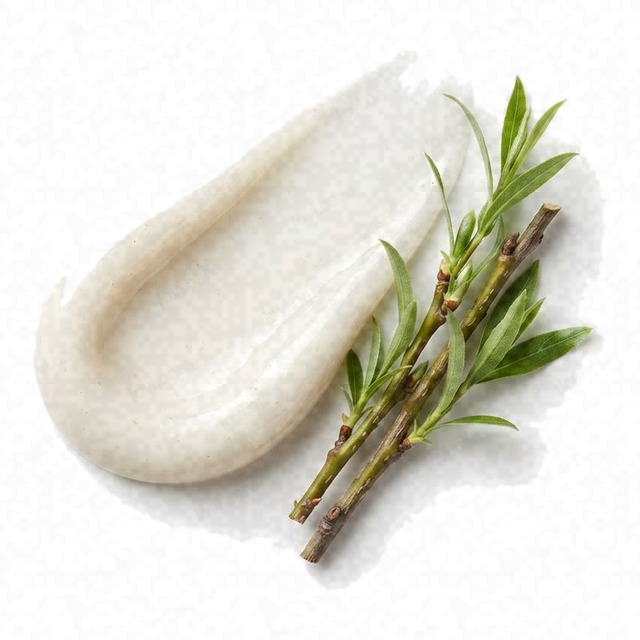 Willow Bark Extract
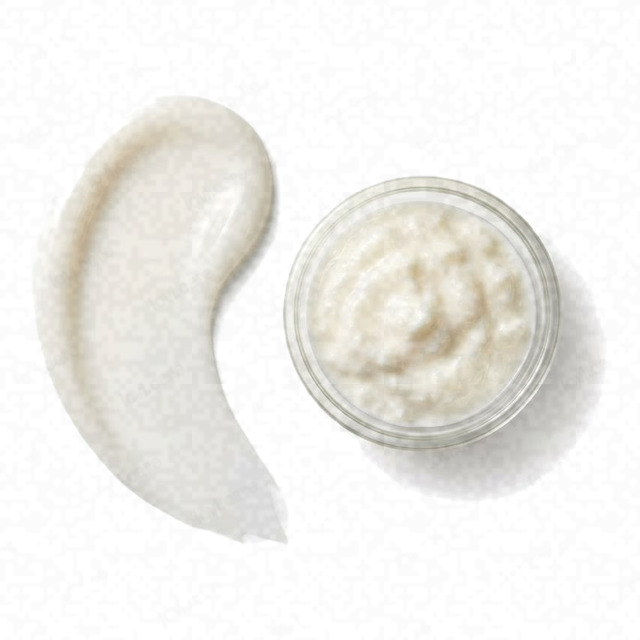 Lactobacillus Ferment
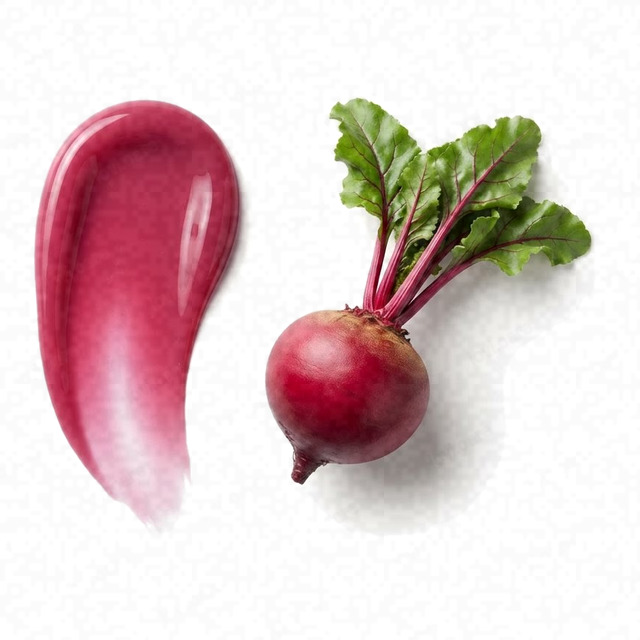 Beta Vulgaris Root Extract
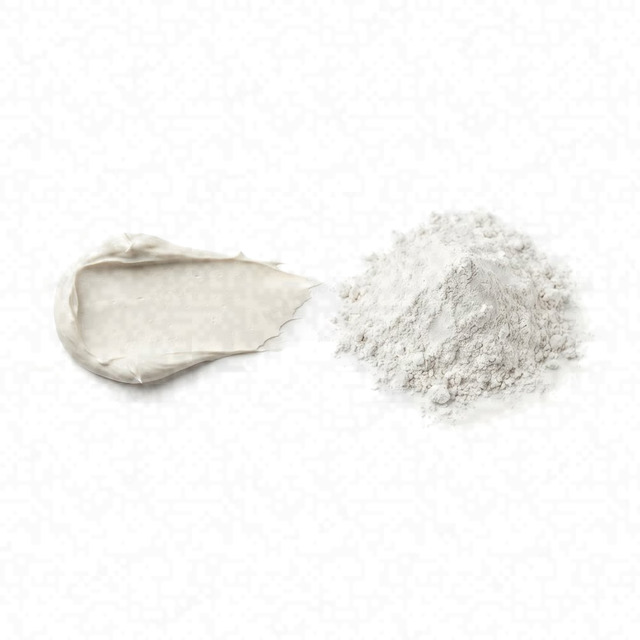 Kaolin Clay
Average
- AverageCombination Skin Fit
- AverageEffectiveness
- HighSafety
Works for acne-prone skin; other cleansing masks fit it better.
This fit is calculated for the concerns frequently associated with acne-prone skin: breakouts, blackheads, and post-acne marks. For scores and recommendations based on your full skin profile, including your 12D face scan results and any goals or preferences you have, please use the Lovi app.
Page built Nov 8, 2026How the Fit score works
Lovi Assistant explains
- Offers moderate suitability for your combination skin, as willow bark extract and kaolin clay provide mild exfoliation and oil absorption, but may lack sufficient ingredients for optimal results in all areas.
- While aloe and calendula extracts offer general hydration and soothing benefits, they are not specifically targeted for your acne, blemishes, and breakouts.
- The formula is safe for your acne-prone skin, with no risks of irritation due to the absence of harsh ingredients and the presence of soothing components.
How to apply
- Use this cleansing mask during your PM weekly routine. Start 1x/week and increase if your skin tolerates it well.
- Apply this cleansing mask after using your pre-cleanser and cleanser , and before your hydrating toner.
- Spread an even layer of the cleansing mask over your face , avoiding any rubbing to protect your skin.
- Apply the cleansing mask to clean and dry skin to help clear up your blemishes effectively.
- Avoid the eye area and do a patch test before your first use.
People Say
★4.8Overall rating based on 3.1k+ reviewsBased on a very large amount of data, this mask is widely celebrated as a "facial in a jar" for its ability to instantly transform dull, rough skin into a glowing, smooth complexion without the irritation often associated with chemical exfoliants. While highly effective for most skin types, including sensitive skin, some users find the high price point and strong herbal scent to be significant drawbacks.
Highlights
Instant radiant glow Mostly Mentioned
- “skin looks glowing”
- “immediate radiance boost”
- “brightens dull complexion”
- “glass skin effect”
- “post-facial glow”
Smooths skin texture Mostly Mentioned
- “baby soft skin”
- “removes rough patches”
- “texture feels refined”
- “smooths unevenness”
- “softens skin instantly”
Gentle exfoliation Often Mentioned
- “no stinging sensation”
- “great for sensitive skin”
- “doesn't strip skin”
- “gentle but effective”
- “no redness after”
Expensive price tag Often Mentioned
- “very pricey”
- “hard to justify cost”
- “luxury splurge”
- “expensive for amount”
- “wish it was cheaper”
Refines pores Sometimes Noted
- “pores look smaller”
- “tightens pores”
- “clears congestion”
- “minimized pore appearance”
- “clean feeling pores”
Strong herbal scent Sometimes Noted
- “smells like rotting fruit”
- “strong floral smell”
- “overpowering scent”
- “scent lingers”
- “medicinal smell”
Breakouts or purging Rarely Noted
- “caused cystic acne”
- “broke me out”
- “skin purging”
- “tiny bumps appeared”
- “clogged my pores”
Sticky texture Rarely Noted
- “feels tacky”
- “sticky jelly texture”
- “hard to wash off”
- “glue-like consistency”
- “residue left behind”
Sources: lovi.care, tataharperskincare.com, cultbeauty.co.uk, sephora.com, spacenk.com, amazon.com, and more
Questions and answers
How well does the Tata Harper Resurfacing Mask work for acne-prone skin?
Tata Harper Resurfacing Mask works moderately well for acne-prone skin because willow bark extract and kaolin clay offer mild exfoliation and oil absorption, though it lacks targeted ingredients for breakouts. While it is safe and unlikely to irritate, this skin type needs masks with effective ingredients that target blemishes, clear pores, and balance oil.
Which ingredients make this mask a good fit for acne-prone skin?
Willow bark extract and kaolin clay make this mask a good fit for acne-prone skin because they provide mild exfoliation and oil absorption. This type of skin needs a cleansing mask with powerful ingredients that directly target breakouts and blemishes while keeping the skin calm and balanced.
What does Aloe Vera Leaf Juice do for acne-prone skin?
Aloe Vera Leaf Juice helps calm acne-prone skin and may reduce redness, bumps, and spots when used consistently. Studies show it helps clear breakouts and keeps skin smooth by fighting blemish-causing factors.
Clinical Pharmacology, 2018The Journal of Dermatological Treatment, 2014
What does Willow Bark Extract do for acne-prone skin?
Willow bark extract helps calm inflammation and clears excess oil to improve acne and blackheads. This ingredient is unlikely to cause skin irritation while working to keep your skin smooth and clear.
Where does this mask go in a skincare routine for acne-prone skin?
Use this mask once a week as part of your weekly routine, after cleansing and before toning and moisturizing. This type of product for acne-prone skin needs ingredients like salicylic acid or benzoyl peroxide for better breakout control.
Can I use this mask with retinol, and in what order?
You can use this mask in your weekly routine, but it should not be applied on the same nights you use retinol to avoid overwhelming your skin. This product helps clear oil with willow bark and clay, but an acne-prone skin type also needs targeted blemish-fighting ingredients and deeper balancing care for optimal results.
How often should I use this mask?
This cleansing mask is used once a week as part of a weekly routine for acne-prone skin. It is safe for this skin type and is unlikely to cause irritation, but an acne-prone skin product of this type needs stronger targeted ingredients like salicylic acid and specialized blemish-fighting agents for optimal results.
Can this mask clog pores, cause breakouts or purging for acne-prone skin?
Tata Harper Resurfacing Mask is unlikely to cause breakouts or clogging for acne-prone skin, as its formula is gentle and free of harsh ingredients that typically trigger irritation. While it absorbs excess oil and provides mild exfoliation with willow bark extract and kaolin clay, acne-prone skin often needs a product with more targeted blemish-fighting ingredients for the best results.
Is this mask fragrance-free and alcohol-free?
It has no drying alcohol and contains fragrance (citral, citronellol, limonene, benzyl alcohol, eugenol, geraniol, and linalool).
What the research says
A cream combining propolis, tea tree oil, and Aloe vera reduced erythema scars, acne severity index, and total lesion count better than erythromycin cream in sixty patients with mild to moderate acne vulgaris compared to placebo.
Clinical Pharmacology, 2018Topical aloe vera gel significantly accelerated split-thickness skin graft donor-site healing compared to placebo in 12 patients, but showed no significant difference in pain relief.
Plastic and Reconstructive Surgery, 2018Topical application of Aloe vera cream reduced postoperative pain at rest and during defecation, accelerated wound healing at two weeks, and decreased analgesic requirements in patients after open hemorrhoidectomy compared to placebo.
Journal of Alternative and Complementary Medicine, 2010A botanical face cleanser with hops and willow bark extract continuously reduced skin sebum levels without reactive seborrhea after treatment in 21 healthy volunteers compared to a sodium laureth sulfate cleanser, with neither cleanser causing skin irritation.
Journal of Cosmetic Dermatology, 2019Bioactive lipid nanocarriers co-loaded with willow bark or ivy leaf extracts and UV-filters provided pronounced UVA photoprotection up to an SPF-equivalent value of 13 and a maximum in vivo skin hydration effect of 97% when prepared with pomegranate oil.
Nanomaterials, 2022A topical serum containing 0.5% salicin applied twice daily reduced visible signs of skin aging, including wrinkles and tactile roughness, in 30 female subjects over 12 weeks compared to baseline.
Journal of Cosmetic Dermatology, 2010Probiotic-derived lotion successfully reduced inflammatory acne lesion counts and erythema index comparably to 2.5% benzoyl peroxide in patients with mild-to-moderate acne vulgaris, while causing fewer side effects.
Journal of Cosmetic Dermatology, 2022Topical application of Lactobacillus plantarum-GMNL6 enhanced collagen synthesis and SPTSSA gene expression while reducing melanin synthesis, Staphylococcus aureus biofilm, and Cutibacterium acnes proliferation, leading to clinical improvements in skin moisture, color, spots, wrinkles, UV spots, and porphyrins in human volunteers.
International Journal of Medical Sciences, 2021Lactobacillus plantarum extracellular vesicles modulated extracellular matrix related gene expression in vitro and suppressed wrinkle formation and pigmentation in clinical trials.
Current Issues in Molecular Biology, 2022Co-culturing mesenchymal stem cells and human keratinocytes on nylon66 electrospun scaffolds loaded with Beta vulgaris extract enhanced cell proliferation and promoted epithelial differentiation compared to mono-cell culturing.
Materials Science & Engineering. C, Materials for Biological Applications, 2017An aqueous extract of Beta vulgaris reduced lipid accumulation and reactive oxygen species in human HaCaT keratinocyte cells treated with palmitic/oleic acids or hydrogen peroxide.
International Journal of Molecular Sciences, 2026Vectorization of high molecular weight hyaluronic acid with clay enabled its penetration into deeper skin layers and led to a significant clinical reduction in fine lines in the crow's feet area compared to placebo after 28 days.
Skin Research and Technology, 2024Twice-weekly use of a clay mask over 4 weeks in 75 adults with oily or combination skin improved acne-related outcomes, sebum content, skin evenness, hydration, and reduced dryness and irritation.
Skin Research and Technology, 2023Clay jojoba oil facial masks reduced total skin lesions by a mean of 54% after 6 weeks in 133 participants with acne-prone, lesioned skin and mild acne compared to baseline.
Forschende Komplementarmedizin, 2012
Why other cleansing masks fit acne-prone skin better
A 30% supramolecular salicylic acid peel improved the global acne grading score and skin barrier indicators, decreased cutaneous microbiome richness and evenness along with Staphylococcus proportion, reduced inflammatory cytokines, and increased caveolin-1 expression in 28 patients with moderate-to-severe acne vulgaris.
Dermatology and Therapy, 2023Treatment with 45% mandelic acid peel showed nearly equal overall efficacy as 30% salicylic acid peel in patients with mild-to-moderate facial acne vulgaris, but with fewer adverse effects.
Journal of Cosmetic Dermatology, 2020Clay jojoba oil facial masks reduced total skin lesions by a mean of 54% after 6 weeks in 133 participants with acne-prone, lesioned skin and mild acne compared to baseline.
Forschende Komplementarmedizin, 2012
Ingredients
Aloe Barbadensis Leaf Juice, Water, Willow Bark Extract, Sclerotium Gum, Lactobacillus Ferment, Leuconostoc Radish Ferment Filtrate, Maltooligosyl Glucoside, Hydrogenated Hydrolysate Starch, Hydrolyzed Corn Starch, Beta Vulgaris Root Extract, Kaolin Clay, Punica Granatum Extract Fruit Ferment, Arnica Montana Extract, Borago Officinalis Leaf Extract, Calendula Officinalis Flower Extract, Medicago Sativa Extract, Spiraea Ulmaria Extract, Sambucus Nigra Fruit Extract, Rosa Damascena Oil Flower Rose Oil Flower, Olea Europaea Oil Olive Oil, Citrus Aurantium Amara Peel Oil Bergamot Peel Oil, Citral, Citronellol, Limonene, Benzyl Alcohol, Eugenol, Geraniol, Linalool, Sodium Phytate, Ci 77491
Behind this fit score
Lovi calculates every fit score from the full ingredient list with brand-independent rules our dermatologists and cosmetic chemists build and review, and personalizes every pick with AI trained on the real results of millions of users. Lovi trains its fit score models on a proprietary dataset built from more than 10,000 expert-labeled products and more than 100,000 simulated examples, following an internally consistent methodology presented at Cosmoprof, AMWC, and Skin of Color Update.
-

Co-founder, Medical Director
Cosmetic chemist, cosmetologist, aesthetic products developer
-

Co-founder, CEO and CTO
PhD in computer science, 3x US patent holder, ex-Google, ex-Yandex
-

Dr. Sofía Perea Pérez, MD, MSc
Medical Board
Aesthetic medicine practitioner, MSc in Longevity and Anti-Aging Medicine
-

Medical Board
Specialist dermatologist, MBBS, MD, IFAAD
-

Medical Board
Cosmetic chemist, SCS, IFSCC member
-

Medical Board, Medical Advisor
Dermatology MD
-

Elina Nazarenko, MD
Medical Board
Dermatology and diagnostic consultant
-

Victoria Derkova, MS
Medical Board
Cosmetic chemist, cosmetic development technologist


How does it fit your skin?
Scan your face, then any product: Lovi shows how well it fits you and what fits even better.