OSEA Ocean Cleansing Mudd for acne-prone skin

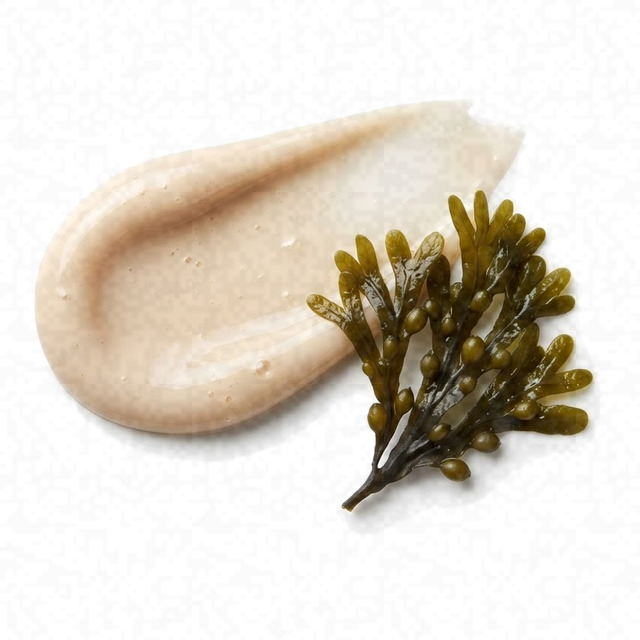 Fucus Vesiculosus Powder
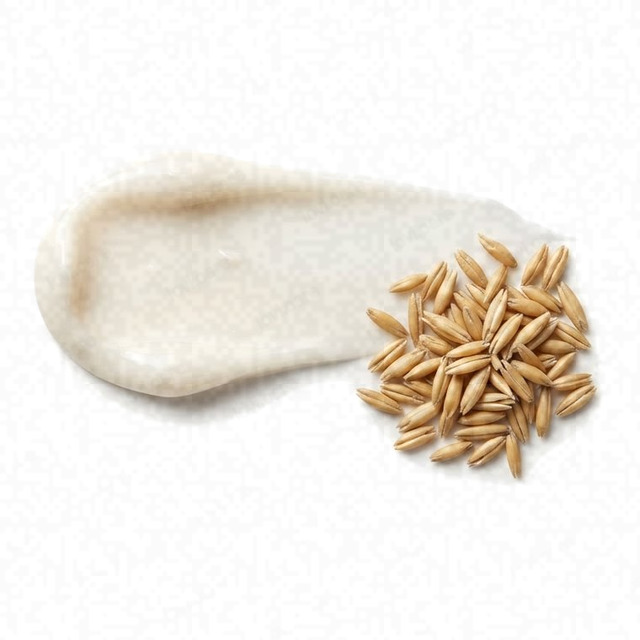 Sodium Lauroyl Oat Amino Acids
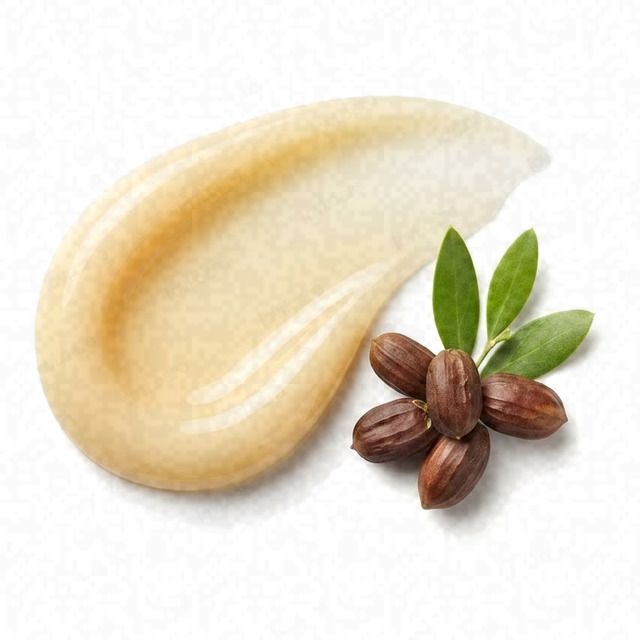 Jojoba Seed Oil
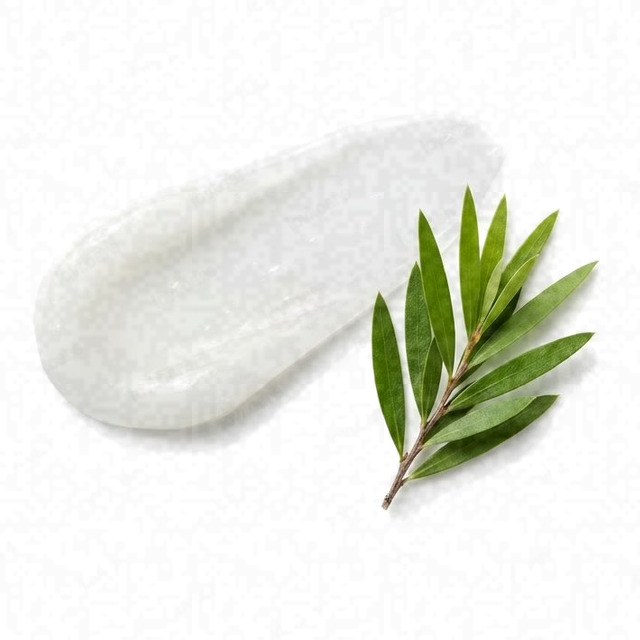 Melaleuca Alternifolia Tree Oil Leaf
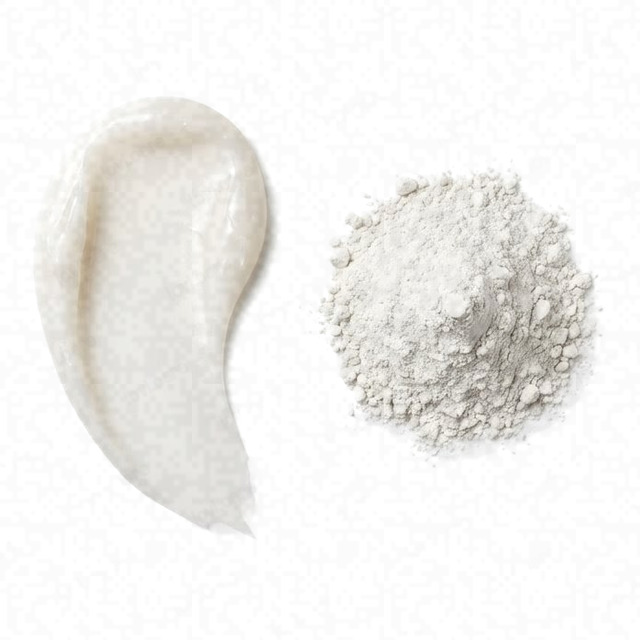 Magnesium Aluminum Silicate
Average
- AverageCombination Skin Fit
- AverageEffectiveness
- HighSafety
Works for acne-prone skin; other cleansing masks fit it better.
This fit is calculated for the concerns frequently associated with acne-prone skin: breakouts, blackheads, and post-acne marks. For scores and recommendations based on your full skin profile, including your 12D face scan results and any goals or preferences you have, please use the Lovi app.
Page built Nov 8, 2026How the Fit score works
Lovi Assistant explains
- Offers moderate cleansing and mild exfoliation for your combination skin, with decyl glucoside and sea silt helping to decongest pores and provide mineral enrichment. Glycerin and sea silt offer humectant action and mild exfoliation, but the formula lacks sufficient ingredients for optimal results across all areas of your combination skin.
- The presence of Fucus Vesiculosus Powder and Laminaria Digitata Powder offers general soothing benefits for your acne, blemishes, and breakouts.
- The product is safe for your combination skin, with no risks of irritation due to the absence of prohibited or harsh ingredients.
How to apply
- Use this cleansing mask during your PM weekly routine. Start 1x/week and increase if your skin tolerates it well.
- Apply this cleansing mask after using your pre-cleanser and cleanser , and before your hydrating toner.
- Spread an even layer of the cleansing mask over your face , avoiding any rubbing to protect your skin.
- Apply the cleansing mask to clean and dry skin to help clear up your blemishes effectively.
- Avoid the eye area and do a patch test before your first use.
People Say
★4.7Overall rating based on 200+ reviewsUsers with oily, combination, and blemish-prone skin frequently praise this cleanser for its deep pore cleansing and oil balancing properties, noting a pleasant, non-stripping cooling sensation. Some users find the peppermint intensity to be overwhelming or potentially irritating.
Highlights
Cooling sensation Mostly Mentioned
- “The cooling sensation feels nice and really wakes me up.”
- “Love the tingle and the way my skin feels after using.”
- “First thing you will notice is the cool minty tingle.”
Deep pore cleansing Often Mentioned
- “Really felt like it was getting down deep to clean everything out.”
- “Unclogs pores and removes excess oils.”
- “Does a decent job keeping my pores clear.”
Effective for blemishes Sometimes Noted
- “Hardly ever breakout anymore.”
- “Seems to help new breakouts from forming.”
- “Controls my teenagers blemishes and leaves his skin glowing.”
Non-stripping formula Sometimes Noted
- “Leaves skin feeling clean but never too dry.”
- “Nourished afterward, not dried out and tight.”
- “Leaves my skin very happy, not dried at all.”
Intense minty sensation Sometimes Noted
- “So minty I feel like mint oil has been applied directly to my body.”
- “The tingle may be too much for some people.”
- “Slightly intense while using.”
Poor makeup removal Rarely Noted
- “Doesn't even take my tinted moisturizer off.”
- “I use an oil cleanser to wash away makeup first.”
Potential irritation Rarely Noted
- “Burns.”
- “Keep the cleanser away from your eyes!”
Stains washcloths Rarely Noted
- “The brown product will stain white washcloths.”
- “I've had to train myself to wash it off... prior to exfoliating.”
Sources: lovi.care, oseamalibu.com, ulta.com, nordstrom.com, cleanbeautycritic.com, thepurist.life, and more
Questions and answers
How well does OSEA Ocean Cleansing Mudd work for acne-prone skin?
OSEA Ocean Cleansing Mudd works reasonably well for acne-prone skin, providing moderate cleansing and soothing benefits, though other products fit this skin type better. A product of this type needs acne-fighting ingredients like salicylic acid and zinc oxide to effectively target blemishes and control oil.
Forschende Komplementarmedizin, 2012Indian Journal of Dermatology, Venereology and Leprology, 2007
Which ingredients make this cleanser a good fit for acne-prone skin?
This cleanser works for acne-prone skin because Fucus Vesiculosus Powder, tea tree oil, and sea silt help calm breakouts and clear pores. To be a better fit for this skin, a product of this type needs effective acne-fighting ingredients like Salicylic Acid, Zinc Oxide, or Niacinamide along with hydrating agents.
Indian Journal of Dermatology, Venereology and Leprology, 2007Clinical Pharmacology, 2018
What does Bladderwrack Powder do for acne-prone skin?
Bladderwrack Powder helps calm acne-prone skin by reducing redness and swelling. It is unlikely to clog pores and supports a clear, smooth complexion.
What do Sodium Lauroyl Oat Amino Acids do for acne-prone skin?
Where does it go in a skincare routine for acne-prone skin?
This cleansing mask fits into a weekly routine for acne-prone skin, used after cleansing and before a hydrating toner. To work best for this skin, a product of this type needs stronger pore-clearing ingredients and targeted blemish treatments.
Can I use this cleanser with retinol, and in what order?
You can use this cleanser in your routine, but acne-prone skin often does better with a product that includes targeted blemish treatments and barrier-supporting ingredients alongside your retinol. Use this cleanser before applying your retinol treatment to help keep your skin calm and clean.
How often should I use it?
You can use this cleansing mask once a week as part of your weekly routine. This type of skin needs a product that provides gentle pore-clearing ingredients and soothing plant extracts to help keep breakouts calm.
Can this cleanser clog pores, cause breakouts or purging for acne-prone skin?
This cleanser is unlikely to clog pores or cause breakouts for your acne-prone skin, as it contains soothing seaweed powders and tea tree oil that help calm blemishes. However, because it lacks sufficient ingredients for optimal results across all areas of your skin, an acne-prone skin type needs a product with targeted pore-clearing and oil-balancing ingredients for best results.
Indian Journal of Dermatology, Venereology and Leprology, 2007Clinical Pharmacology, 2018
Is it fragrance-free and alcohol-free?
Yes, it has no fragrance and no drying alcohol.
What the research says
A single application of a moisturizing fluid containing hyaluronic acid 1%, glycerin 5%, and Centella asiatica stem cells extract significantly increased skin hydration by 29% and reduced transepidermal water loss at 24 hours compared to baseline and an untreated control site in twenty healthy women.
Clinical, Cosmetic and Investigational Dermatology, 2017Topical low molecular weight fucoidan (LMF) promoted dermal wound healing in a dose-dependent manner by increasing wound contraction, granular tissue formation, collagen distribution, angiogenesis, and antioxidant activities, while reducing inflammation compared to distilled water.
Marine Drugs, 2017Clay jojoba oil facial masks reduced total skin lesions by a mean of 54% after 6 weeks in 133 participants with acne-prone, lesioned skin and mild acne compared to baseline.
Forschende Komplementarmedizin, 2012Topical 5% tea tree oil gel significantly improved total acne lesions and acne severity index compared to placebo in 60 patients with mild to moderate acne vulgaris, showing 3.55 times and 5.75 times greater efficacy respectively.
Indian Journal of Dermatology, Venereology and Leprology, 2007A cream combining propolis, tea tree oil, and Aloe vera reduced erythema scars, acne severity index, and total lesion count better than erythromycin cream in sixty patients with mild to moderate acne vulgaris compared to placebo.
Clinical Pharmacology, 2018Topical application of 1% Fucus vesiculosus extract gel twice daily for five weeks significantly decreased skin thickness and improved elasticity in human cheek skin compared with controls.
Journal of Cosmetic Science, 2002Topical application of jojoba wax reduced LPS-induced secretion of IL-6, IL-8, and TNFα by approximately 30% and increased the synthesis of pro-collagen III and hyaluronic acid compared to untreated skin in an ex-vivo human skin organ culture model.
Frontiers in Pharmacology, 2024Topical jojoba oil application in male mice decreased exercise-induced pro-inflammatory gene expression (Il-1b and Il-6 in soleus, Il-1b in gastrocnemius) compared to untreated exercised mice.
Biomolecules, 2025Nanolipidgel formulations with argan or jojoba oil and humectants demonstrate good sensory attributes, instrumental properties, and moisturizing efficacy for cosmetic application.
International Journal of Cosmetic Science, 2014Tea tree oil nanoemulsion containing adapalene gel demonstrated significantly greater reductions in total, inflammatory, and non-inflammatory acne lesions as well as acne severity index compared to adapalene marketed gel in 100 patients with acne vulgaris over 12 weeks.
Archives of Dermatological Research, 2022Topical tea tree oil treatment confirmed efficacy on Demodex mite blepharitis across fourteen papers evaluating chronic blepharitis compared to no treatment or alternative management.
BioMed Research International, 2022Weekly treatment with tea tree oil-saturated human amniotic membrane showed superior efficacy in healing pityriasis versicolor lesions and fungicidal activity compared to daily application of 1% tioconazole cream in 120 patients.
Cell and Tissue Banking, 2020
Why other cleansing masks fit acne-prone skin better
A 30% supramolecular salicylic acid peel improved the global acne grading score and skin barrier indicators, decreased cutaneous microbiome richness and evenness along with Staphylococcus proportion, reduced inflammatory cytokines, and increased caveolin-1 expression in 28 patients with moderate-to-severe acne vulgaris.
Dermatology and Therapy, 2023A moisturizer containing licochalcone A, 1,2-decanediol, L-carnitine, and salicylic acid significantly reduced noninflammatory, inflammatory, and total acne lesion counts compared to a vehicle control in Thai patients during a 12-week maintenance phase.
BioMed Research International, 2020Treatment with 45% mandelic acid peel showed nearly equal overall efficacy as 30% salicylic acid peel in patients with mild-to-moderate facial acne vulgaris, but with fewer adverse effects.
Journal of Cosmetic Dermatology, 2020
Ingredients
Water, Decyl Glucoside, Glycerin, Fucus Vesiculosus Powder, Sea Silt, Magnesium Aluminum Silicate, Sorbitan Olivate, Propanediol, Sodium Lauroyl Oat Amino Acids, Laminaria Digitata Powder, Jojoba Seed Oil, Carthamus Tinctorius Seed Oil, Rice Bran Extract, Rosmarinus Officinalis Leaf Extract Rosemary Leaf Extract, Helianthus Annuus Extract Sunflower Extract, Tocopherol, Mentha Arvensis Oil Leaf, Peppermint Oil, 1,2-Hexanediol, Caprylhydroxamic Acid, Trisodium Ethylenediamine Disuccinate, Xanthan Gum, Potassium Sorbate, Citric Acid
Behind this fit score
Lovi calculates every fit score from the full ingredient list with brand-independent rules our dermatologists and cosmetic chemists build and review, and personalizes every pick with AI trained on the real results of millions of users. Lovi trains its fit score models on a proprietary dataset built from more than 10,000 expert-labeled products and more than 100,000 simulated examples, following an internally consistent methodology presented at Cosmoprof, AMWC, and Skin of Color Update.
-

Co-founder, Medical Director
Cosmetic chemist, cosmetologist, aesthetic products developer
-

Co-founder, CEO and CTO
PhD in computer science, 3x US patent holder, ex-Google, ex-Yandex
-

Dr. Sofía Perea Pérez, MD, MSc
Medical Board
Aesthetic medicine practitioner, MSc in Longevity and Anti-Aging Medicine
-

Medical Board
Specialist dermatologist, MBBS, MD, IFAAD
-

Medical Board
Cosmetic chemist, SCS, IFSCC member
-

Medical Board, Medical Advisor
Dermatology MD
-

Elina Nazarenko, MD
Medical Board
Dermatology and diagnostic consultant
-

Victoria Derkova, MS
Medical Board
Cosmetic chemist, cosmetic development technologist


How does it fit your skin?
Scan your face, then any product: Lovi shows how well it fits you and what fits even better.