Origins Out of Trouble 10 Minute Mask for acne-prone skin

 Salicylic Acid
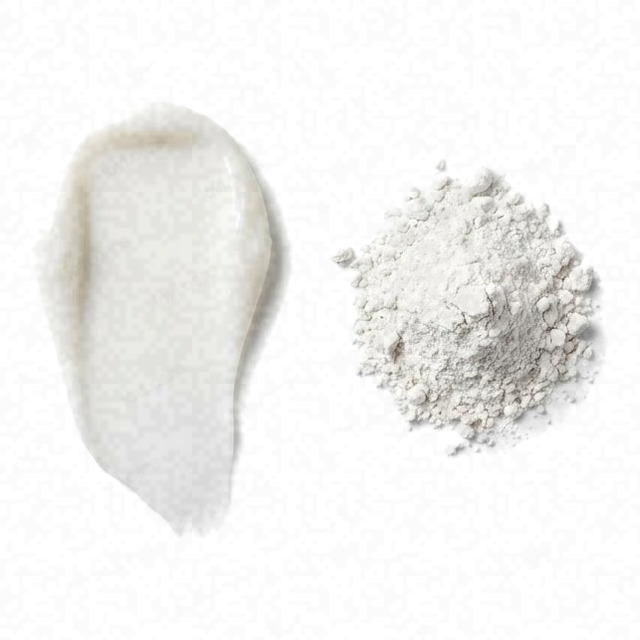 Zinc Oxide
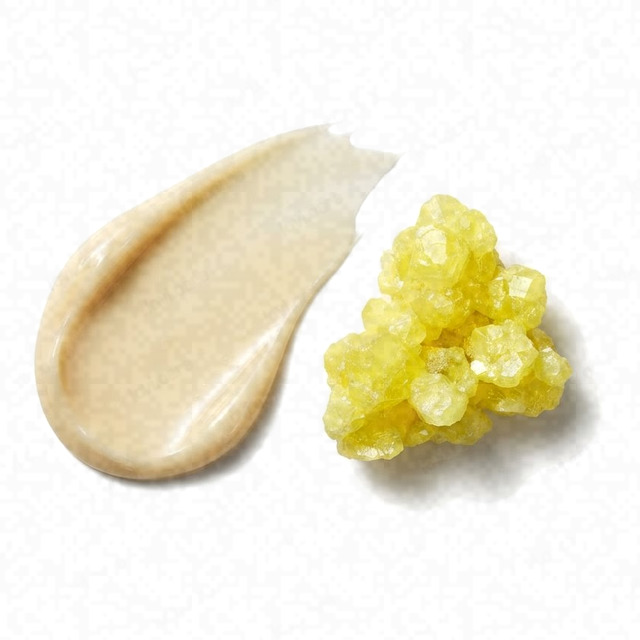 Colloidal Sulfur
 Glycerin
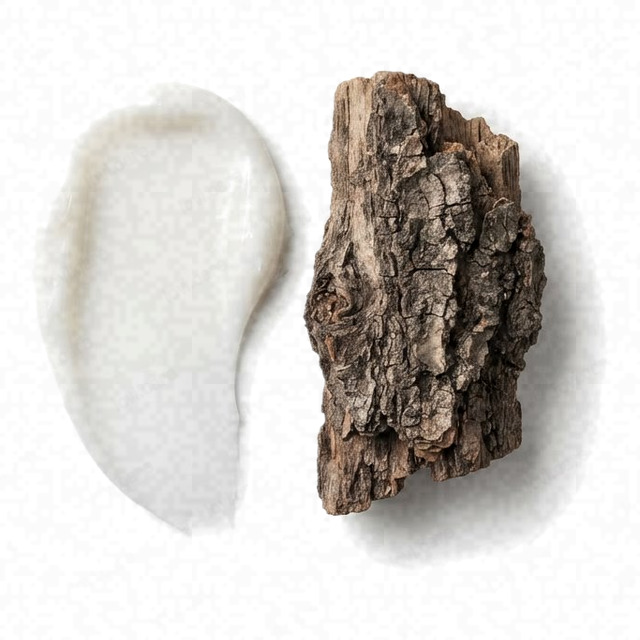 Camphor
Average
- HighCombination Skin Fit
- AverageEffectiveness
- ExcellentSafety
Works for acne-prone skin; other cleansing masks fit it better.
This fit is calculated for the concerns frequently associated with acne-prone skin: breakouts, blackheads, and post-acne marks. For scores and recommendations based on your full skin profile, including your 12D face scan results and any goals or preferences you have, please use the Lovi app.
Page built Nov 8, 2026How the Fit score works
Lovi Assistant explains
- Offers moderate pore cleansing and exfoliation for your acne-prone skin, as salicylic acid and colloidal sulfur help decongest pores and target blemishes.
- This formula is moderately suitable for your combination skin, with camphor and salicylic acid providing a soothing and keratolytic action, though concentrations may not be optimal for all areas.
- The safety profile is good, with no risks of irritation due to the absence of harsh ingredients and the presence of soothing components.
How to apply
- Use this cleansing mask during your PM weekly routine. Start 1x/week and increase if your skin tolerates it well.
- Apply this cleansing mask after using your pre-cleanser and cleanser , and before your hydrating toner.
- Spread an even layer of the cleansing mask over your face , avoiding any rubbing to protect your skin.
- Apply the cleansing mask to clean and dry skin to help clear up your blemishes effectively.
- Avoid the eye area and do a patch test before your first use.
People Say
★4.5Overall rating based on 1.5k+ reviewsBased on a very large amount of data, this mask is highly praised by users with oily and acne-prone skin for its ability to rapidly calm redness and shrink active breakouts. While effective at absorbing excess oil and refining texture, many users note its potent medicinal scent and potential to dry out the skin if overused.
Highlights
Medicinal smell Mostly Mentioned
- “smells terrible”
- “strong medicinal scent”
- “smells like sulfur”
Absorbs oil Often Mentioned
- “sops up oily shine”
- “T-zones less greasy”
- “absorbs excess oil”
Reduces redness Often Mentioned
- “calms angry red spots”
- “soothes angry breakouts”
- “reduces redness”
Shrinks pimples Often Mentioned
- “zits level out”
- “pimples greatly reduced”
- “lumps disappear”
Cooling sensation Sometimes Noted
- “instantly cools pain”
- “feels very refreshing”
- “cooling sensation”
Soft skin Sometimes Noted
- “face soft and smooth”
- “skin feels lovely”
- “refines rough texture”
Difficult removal Sometimes Noted
- “hard to wash off”
- “takes effort to remove”
- “messy to remove”
Drying effect Sometimes Noted
- “leaves skin dry”
- “very drying”
- “need moisturizer after”
Burning sensation Rarely Noted
- “slight burning sensation”
- “irritating for sensitive skin”
- “burns upon application”
High price Rarely Noted
- “expensive”
- “pricey to some”
- “costly for size”
Sources: lovi.care, macys.com, lookfantastic.com, influenster.com, marksandspencer.com, walmart.com, and more
Questions and answers
How well does Origins Out of Trouble 10 Minute Mask work for acne-prone skin?
Origins Out of Trouble 10 Minute Mask works moderately well for your acne-prone skin, as salicylic acid and colloidal sulfur help clear pores and target blemishes. It is a reasonable fit, though a product of this type needs high-quality acne-fighting ingredients like salicylic acid and zinc oxide for oil control, alongside hydrating agents to balance dry areas without causing irritation.
Journal of Cosmetic Dermatology, 2024Journal of Drugs in Dermatology, 2023
Which ingredients make this mask a good fit for acne-prone skin?
Salicylic acid and colloidal sulfur help clear pores and target blemishes, while zinc oxide helps control oil. To fit acne-prone skin best, a cleansing mask of this type needs high-quality salicylic acid and zinc oxide for effective blemish and oil control without causing irritation.
Journal of Cosmetic Dermatology, 2024Journal of Drugs in Dermatology, 2023
What does Salicylic Acid do for acne-prone skin?
Salicylic acid helps clear acne-prone skin by reducing pimples and calming redness without causing many side effects. It works by dipping deep into pores to clear out blockages and control oil, making it a reliable choice for keeping skin smooth and clear.
BioMed Research International, 2020Journal of Cosmetic Dermatology, 2024
What does Zinc Oxide do for acne-prone skin?
Zinc oxide helps calm acne-prone skin by reducing breakouts, redness, and the bacteria linked to pimples. Studies show that using it on your skin is generally safe and unlikely to cause irritation.
Where does it go in a skincare routine for acne-prone skin?
This cleansing mask is used weekly in your routine, placed after a makeup remover, cleanser, and enzyme powder, and before a hydrating toner and treatment. For the best fit for acne-prone skin, this type of product needs ingredients like salicylic acid and sulfur to help clear pores and target blemishes.
Can I use this mask with retinol, and in what order?
You can use this mask in your weekly routine, but it is best to avoid applying it on the same nights you use retinol to prevent irritation. This mask provides moderate pore cleansing and exfoliation with salicylic acid and sulfur, so an acne-prone skin type needs gentle barrier-restoring ingredients and soothing hydrators on retinol nights.
How often should I use it?
This cleansing mask works best used once a week as part of your weekly routine, though you may use it more often if your skin tolerates it well. Its ingredients help clear pores and calm blemishes safely without causing irritation.
Journal of Cosmetic Dermatology, 2024Journal of Drugs in Dermatology, 2023
Can this mask clog pores, cause breakouts or purging for acne-prone skin?
This mask is unlikely to clog pores or cause breakouts on acne-prone skin, as it contains salicylic acid and colloidal sulfur to help decongest pores and target blemishes. However, to work best for this skin, a product of this type needs more targeted oil control and optimal concentrations of soothing ingredients.
Journal of Cosmetic Dermatology, 2024Journal of Drugs in Dermatology, 2023
Is it fragrance-free and alcohol-free?
Yes, it has no fragrance and no drying alcohol. Cetyl alcohol and cetearyl alcohol are fatty alcohols, which soften the skin.
What the research says
Twice daily application of a multitargeted dermocosmetic cream provided comparable efficacy to benzoyl peroxide 5% gel in reducing inflammatory, non-inflammatory, and total lesions in 150 Caucasian subjects with mild-to-moderate acne over 56 days, while demonstrating superior skin tolerability.
Journal of Cosmetic Dermatology, 2024The use of a salicylic acid-based dermocosmetic significantly reduces the needed quantity of benzoyl peroxide without impacting efficacy in mild to moderate acne, and as maintenance post-benzoyl peroxide allows a significant reduction of acne relapse compared to vehicle.
Journal of Drugs in Dermatology, 2023A moisturizer containing licochalcone A, 1,2-decanediol, L-carnitine, and salicylic acid significantly reduced noninflammatory, inflammatory, and total acne lesion counts compared to a vehicle control in Thai patients during a 12-week maintenance phase.
BioMed Research International, 2020Topical application of a methyl salicylate gel with turpentine essence, camphor, and menthol achieved skin penetration and significantly reduced pro-inflammatory gene expression compared to untreated controls in human skin explants.
Farmaceuticos Comunitarios, 2024Biomimetic hyaluronic acid-stabilized zinc oxide nanoparticles selectively inhibited C. acnes, outperformed erythromycin in preclinical acne models, and safely reduced acne lesions and redness in a clinical trial.
Journal of Controlled Release, 2025Cryotherapy with liquid nitrogen achieved a higher cure rate (39%) than salicylic acid (24%) and a wait-and-see approach (16%) for cutaneous warts at 13 weeks in primary care patients.
CMAJ, 2010Treatment with 2% supramolecular salicylic acid hydrogel resulted in a regression and markedly improvement rate of 51.01% compared to 43.10% for Adapaline gel in patients with mild to moderate facial acne vulgaris, showing no significant difference in efficacy.
Journal of Cosmetic Dermatology, 2024Topical 5% benzoyl peroxide plus salicylic acid achieved the greatest lesion reduction at early 2 to 4 week time points compared to benzoyl peroxide, clindamycin, and combination benzoyl peroxide/clindamycin, while 5% benzoyl peroxide plus salicylic acid and combination benzoyl peroxide/clindamycin showed similar efficacy at 10 to 12 weeks in acne patients.
Journal of the American Academy of Dermatology, 2010Topical 0.5% hyaluronic-ZnO nanogel applied twice daily reduced inflammatory-lesion counts by 58% at week four in human subjects compared to baseline without causing erythema.
Biomedicines, 2025Nels cream achieved a similar reduction in inflammatory and noninflammatory lesion counts compared to 5% benzoyl peroxide in acne vulgaris patients, but caused significantly fewer side-effects such as peeling and dryness.
Clinical and Experimental Dermatology, 2000Topically applied coated and uncoated zinc oxide nanoparticles under flexing and massage are retained in the stratum corneum with no significant penetration into the viable epidermis and no cellular toxicity in human skin.
Nanomedicine, 2016Azelaic acid was probably less effective than benzoyl peroxide in acne treatment response, while showing little or no difference compared to tretinoin, and adverse events were mild and transient across evaluated topical treatments.
Journal of Evidence-based Medicine, 2020Topical application of precipitated sulphur 2-8% petrolatum achieved a 95% clinical and ectoparasitological cure rate in 40 ambulatory scabies patients without relevant adverse effects.
Revista de Investigacion Clinica; Organo Del Hospital de Enfermedades de la Nutricion, 2004Topical 10% benzoyl peroxide and 2%-5% sulfur cream achieved "good" to "excellent" results with no undesirable side effects in 113 consecutive patients with acne.
Canadian Medical Association Journal, 1966A single application of a moisturizing fluid containing hyaluronic acid 1%, glycerin 5%, and Centella asiatica stem cells extract significantly increased skin hydration by 29% and reduced transepidermal water loss at 24 hours compared to baseline and an untreated control site in twenty healthy women.
Clinical, Cosmetic and Investigational Dermatology, 2017The emollient V0034CR significantly reduced TEWL compared to vehicle and vehicle plus glycerol, and significantly increased corneometry scores compared to vehicle and vehicle plus petrolatum in healthy volunteers with dry skin, demonstrating combined barrier function improvement from petrolatum and hydration improvement from glycerol.
Journal of Cosmetic Dermatology, 2020Ten days of treatment with a cream containing 20% glycerin significantly increased skin hydration measured by corneometer values in 17 healthy volunteers compared to a placebo cream, but showed no influence on transepidermal water loss or skin sensitivity to an irritating surfactant.
International Journal of Cosmetic Science, 2001Volatile compounds including 1,8-cineole, borneol, camphor, and thujone reduce PMA/I-stimulated IL-6 and IL-8 release by more than 50% in human gingival fibroblasts, proving more effective than rosmarinic acid.
Journal of Agricultural and Food Chemistry, 2013Camphor induced human primary dermal fibroblast proliferation and collagen expression while reducing UV-induced MMP1 expression and wrinkle formation in mouse skin.
Phytotherapy Research, 2015A topical sunscreen containing octyl triazone, phenylbenzimidazole sulfonic acid, and methylbenzylidene camphor prevented UVB-induced suppression of intercellular adhesion molecule-1 expression and mixed-lymphocyte reaction in epidermal cell cultures compared to control sunscreens with comparable SPF lacking octyl triazone.
Toxicology in Vitro, 1994
Ingredients
Water, Cetyl Esters, Zinc Oxide, Titanium Dioxide, Cetyl Alcohol, Cetearyl Alcohol, Glycerin, Glyceryl Stearate, Peg-100 Stearate, Camphor, Ceteareth-20, Salicylic Acid, Colloidal Sulfur, Butylene Glycol, Bentonite, Caprylyl Glycol, Hexylene Glycol, Phenoxyethanol
Behind this fit score
Lovi calculates every fit score from the full ingredient list with brand-independent rules our dermatologists and cosmetic chemists build and review, and personalizes every pick with AI trained on the real results of millions of users. Lovi trains its fit score models on a proprietary dataset built from more than 10,000 expert-labeled products and more than 100,000 simulated examples, following an internally consistent methodology presented at Cosmoprof, AMWC, and Skin of Color Update.
-

Co-founder, Medical Director
Cosmetic chemist, cosmetologist, aesthetic products developer
-

Co-founder, CEO and CTO
PhD in computer science, 3x US patent holder, ex-Google, ex-Yandex
-

Dr. Sofía Perea Pérez, MD, MSc
Medical Board
Aesthetic medicine practitioner, MSc in Longevity and Anti-Aging Medicine
-

Medical Board
Specialist dermatologist, MBBS, MD, IFAAD
-

Medical Board
Cosmetic chemist, SCS, IFSCC member
-

Medical Board, Medical Advisor
Dermatology MD
-

Elina Nazarenko, MD
Medical Board
Dermatology and diagnostic consultant
-

Victoria Derkova, MS
Medical Board
Cosmetic chemist, cosmetic development technologist


How does it fit your skin?
Scan your face, then any product: Lovi shows how well it fits you and what fits even better.