
Neutrogena Ultra Sheer Dry-Touch Sunscreen

 Helioplex Technology
 Octocrylene
 Avobenzone
 Oxybenzone
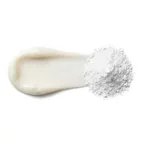 Titanium Dioxide
Avobenzone, oxybenzone, and octocrylene protect against UV rays, so it suits combination skin and sensitive skin best. For skin that needs oil control, sunscreens with zinc and niacinamide get higher fit scores. Where to buy in Singapore: Amazon.sg, S$28.17.
Each fit is calculated for the concerns frequently associated with that skin type. For scores and recommendations based on your full skin profile, including your 12D face scan results and goals, use the Lovi app.
Updated How the Fit score works
Where it fits best and least
Best fit Superior
Combination Skin, Sensitive Skin
One of the best sunscreens for combination skin.
- Excellent suitability for your combination skin and oily shine concerns, as silica and dimethicone effectively absorb excess oil for a matte, dry-touch finish. The combination of UV filters like avobenzone and octisalate provides superior sun protection, aligning perfectly with your needs.
Lowest fit Average
Dry Skin, Acne-Prone Skin, Dry Sensitive Skin, Oily Acne-Prone Skin
Works for dry skin; other sunscreens fit it better.
- Offers moderate protection against UV rays due to avobenzone, homosalate, octisalate, octocrylene, and oxybenzone, but lacks sufficient humectants and occlusives for optimal hydration for your dry skin.
Other skin types
Buy online

Prices checked 22 Nov 2026
The Lovi Fit is the same in every country; only the stores and prices differ, and the ones here are for Singapore.
How to apply
- Apply this sunscreen during your AM routine every single day. Reapply every two hours if you are staying outdoors.
- Apply the sunscreen as the final step of your morning skincare routine after your moisturizer. Allow your moisturizer to absorb fully before putting it on.
- Squeeze a generous amount and pat it gently all over your face and neck. Avoid rubbing the product harshly into your skin.
- Avoid getting the product directly into your eyes and stop using it if any irritation occurs.
People Say
★4.4Overall rating based on 11.1k+ reviewsBased on a very large amount of data, users frequently praise this sunscreen for its reliable broad-spectrum protection and unique dry-touch matte finish that avoids a greasy residue. However, a significant number of reviewers with darker skin tones report a visible white cast, and others note issues with the formula pilling under makeup or stinging sensitive eyes.
Highlights
Matte finish Mostly Mentioned
- “dries down completely matte”
- “doesn't leave me looking like an oil slick”
- “feels like nothing on my skin”
- “perfect for humid weather”
Reliable sun protection Often Mentioned
- “never burned once in Hawaii”
- “great for fair skin”
- “blocks sun effectively at the beach”
- “trusted by my dermatologist”
Eye irritation Often Mentioned
- “burns my eyes terribly”
- “makes eyes water when sweating”
- “can't use it on my forehead”
- “stings for hours”
Visible white cast Often Mentioned
- “leaves a purple/blue tint”
- “makes me look like a ghost”
- “takes forever to rub in”
- “not sheer on brown skin”
Lightweight texture Sometimes Noted
- “goes on like a lotion”
- “breathable on the face”
- “doesn't clog my pores”
- “easy to spread”
Pilling or flaking Sometimes Noted
- “balls up under foundation”
- “pills if you rub it too much”
- “flakes off like eraser dust”
- “doesn't layer well”
Mild scent Rarely Noted
- “smell is not overpowering”
- “light fresh scent”
- “doesn't smell like chemicals”
- “fragrance fades quickly”
Stains clothing Rarely Noted
- “ruined my white collar”
- “left yellow stains on my swimsuit”
- “transferred onto my car seat”
- “hard to wash out of clothes”
Sources: lovi.care, iherb.com, target.com, walmart.com, makeupalley.com, influenster.com, and more
Questions and answers
What makes Neutrogena Ultra Sheer one of the best fits for combination skin?
Neutrogena Ultra Sheer Dry-Touch Sunscreen is an exceptional fit for combination skin because silica and dimethicone effectively absorb excess oil for a matte finish while avobenzone and octisalate provide superior sun protection. Triethanolamine also helps soothe your non-sensitive skin to ensure comfort, and the formula has an excellent safety profile with no harsh ingredients.
What makes Neutrogena Ultra Sheer Sunscreen one of the best fits for sensitive skin?
Neutrogena Ultra Sheer Sunscreen is one of the best fits for sensitive skin because it avoids harsh or prohibited ingredients that could trigger discomfort. It also contains dimethicone and silica, which help keep your skin feeling calm and smooth without upsetting its natural balance.
What makes Neutrogena Ultra Sheer a great fit for oily skin?
Neutrogena Ultra Sheer Dry-Touch Sunscreen is a great fit for oily skin because it uses silica and dimethicone to give you a matte finish without feeling heavy. It also provides strong sun protection while keeping a very safe profile that is unlikely to cause irritation.
What makes Neutrogena Ultra Sheer Dry-Touch a great fit for skin with dark spots?
Neutrogena Ultra Sheer Dry-Touch Sunscreen is a great fit because it provides strong UV protection to help prevent dark spots from worsening, while its gentle formula avoids harsh irritants. It also includes ingredients like dimethicone and silica to keep your skin smooth without feeling greasy.
Journal of Drugs in Dermatology, 2025Clinical and Experimental Dermatology, 2007
How well does Neutrogena Ultra Sheer work for dry skin?
Neutrogena Ultra Sheer Dry-Touch Sunscreen works moderately well for dry skin, though other sunscreens fit this skin type better. While it provides sun protection, it lacks enough hydrating and moisture-locking ingredients to properly care for dry or flaky areas. To work best for dry skin, a sunscreen of this type needs added moisturizing ingredients that deeply hydrate and soothe dryness.
How well does Neutrogena Ultra Sheer Dry-Touch Sunscreen work for acne-prone skin?
Neutrogena Ultra Sheer Dry-Touch Sunscreen works moderately well for acne-prone skin, providing sun protection and managing excess oil without causing irritation, though it lacks targeted ingredients for breakouts. Sunscreen for this skin needs ingredients that actively address acne and blemishes while offering lightweight, non-greasy protection.
Archives of Dermatological Research, 2024Photodermatology, Photoimmunology & Photomedicine, 2008
Can I use this sunscreen with retinol, and in what order?
You can use this sunscreen in the morning as the final step of your skincare routine after applying your moisturizer. It is unlikely to irritate your skin and works well to protect your face throughout the day.
How often should I use this sunscreen?
Use this sunscreen every morning as the final step of your daytime routine. Its formula with silica and dimethicone absorbs excess oil to keep your skin matte and protected all day.
Is this sunscreen fragrance-free and alcohol-free?
It has no drying alcohol and contains fragrance (benzyl alcohol).
What makes Neutrogena Ultra Sheer a great fit for mature skin?
Neutrogena Ultra Sheer is a great fit for mature skin because it shields against sun damage with avobenzone and homosalate to address wrinkles and fine lines. Silica adds a mattifying finish while dimethicone helps keep the skin comfortable and smooth, and the formula is safe with a low risk of irritation.
How well does Neutrogena Ultra Sheer work for dry sensitive skin?
Neutrogena Ultra Sheer Dry-Touch Sunscreen works moderately well for dry sensitive skin because dimethicone and stearic acid help soften the skin, but it lacks enough hydrating ingredients for your main goal. Oxybenzone in the formula may also pose a slight irritation risk. Sunscreens for dry sensitive skin need soothing, highly moisturizing ingredients that prevent dryness and protect against UV rays without causing irritation.
How well does Neutrogena Ultra Sheer work for oily acne-prone skin?
Neutrogena Ultra Sheer Dry-Touch Sunscreen works moderately well for oily acne-prone skin by providing sun protection with a dry-touch finish, though it lacks specialized ingredients to directly address breakouts. It has a safe profile with a low risk of irritation, but sunscreen for this skin type needs lightweight, oil-free ingredients and oil-controlling or mattifying agents to optimize effectiveness.
Journal of Drugs in Dermatology, 2025Archives of Dermatological Research, 2024
What the research says
Topical application of sunscreen agents in human volunteers resulted in significant skin penetration of all agents and systemic absorption of oxybenzone and its metabolites.
Journal of Chromatography. B, Analytical Technologies in the Biomedical and Life Sciences, 2004Methoxy-monobenzoylmethane protects human skin against UV-induced damage by converting to avobenzone under UVB light irradiation and demonstrating antioxidant and radical scavenging properties in vitro and in cell assays.
Molecules, 2021Combined use of the insect repellent DEET and the sunscreen oxybenzone significantly enhanced percutaneous penetration percentages by 36% to 108% and increased their in vivo AUCP/MRT compared to separate applications.
Toxicology and Applied Pharmacology, 2007Dermal sunscreen exposure in 20 healthy volunteers led to plasma concentrations of avobenzone, octocrylene, and its metabolite CDAA reaching up to 11 μg/L, 25 μg/L, and 1352 μg/L, respectively.
Environment International, 2019The application of a sunscreen formulation containing ethylhexyl methoxycinnamate, ethylhexyl salicylate, methyl anthranilate, and octocrylene does not significantly affect critical acne-related species such as Cutibacterium acnes and Staphylococcus epidermidis, refuting the induction of facial dysbiosis in men.
Archives of Dermatological Research, 2024Chemical sunscreens containing avobenzone, octocrylene, homosalate, and octisalate showed no to minimal risks of dermal irritation, sensitization, photo-allergy, and photo-irritation in human subjects.
Journal of Drugs in Dermatology, 2025Encapsulation of ethylhexyl methoxycinnamate and butyl methoxydibenzoylmethane in lipid microparticles significantly reduced their in vivo human skin penetration compared to nonencapsulated filters.
Skin Pharmacology and Physiology, 2011Microencapsulation of the BMDBM/HP-beta-CD complex in lipid microparticles significantly decreased the percutaneous penetration of the UV filter into the stratum corneum of human volunteers compared to the non-encapsulated sunscreen agent.
Journal of Pharmaceutical and Biomedical Analysis, 2011Following human skin application of an O/W emulsion containing 2% BMDBM loaded in lipospheres, 15% of the sunscreen accumulated in the uppermost layers of the stratum corneum without remarkably modifying skin permeation compared to unencapsulated sunscreen.
Skin Pharmacology and Physiology, 2008Daily whole-body topical application of sunscreens benzophenone-3, octyl-methoxycinnamate, and 3-(4-methylbenzylidene) camphor results in systemic absorption in healthy human volunteers but does not alter endogenous reproductive hormone levels.
The Journal of Investigative Dermatology, 2004Sunscreen containing 5.72% benzophenone-3 (BP3) permeated the stratum corneum within 60 to 120 minutes during in vivo skin exposure, and was rapidly metabolized and excreted in urine, peaking at 6 hours for BP3 and 9 hours for its metabolite BP1.
Environmental Pollution (Barking, Essex, 2024Benzophenone-3 applied via commercial sunscreen is percutaneously absorbed and excreted in urine, with an average total excreted amount of 11 mg in eleven volunteers.
Clinical and Experimental Dermatology, 2002Microfine titanium dioxide does not penetrate human skin when formulated in an oil-in-water emulsion with the pigment dispersed in the aqueous phase, compared to oily dispersions and liposomal encapsulation which allow deeper skin penetration.
International Journal of Cosmetic Science, 2000Replacing microsized titanium dioxide and zinc oxide with nanoparticles in sunscreens eliminates opaqueness and alters UV protection balance while inducing (photo)cyto- and genotoxicity and penetrating viable skin layers during long-term exposures.
Nanotechnology, Science and Applications, 2011Hyaluronic acid-grafted titanium dioxide nanoparticles increased SPF from 13.3 to 19.1 while demonstrating low photocatalytic activity, exceptional thermal stability with >95% SPF retention, enhanced moisturization with >80% hydration retention, and minimal cytotoxicity with 88.5% cell viability in HaCaT keratinocytes compared to unmodified nanoparticles.
International Journal of Biological Macromolecules, 2025Treatment with a moisturizer containing dimethicone and glycerine increased epidermal thickness by 0.019 mm, improved barrier function by decreasing transepidermal water loss by 13%, decreased melanin intensity, and induced keratins 6 and 16 in fifteen women with moderately photoaged forearms.
Clinical and Experimental Dermatology, 2007Sunscreen products formulated with 1-6% oxybenzone yielded a mean rate of dermal irritation or sensitization of 0.26% and a contact allergy rate of 0.07% in participants from the general population.
Photodermatology, Photoimmunology & Photomedicine, 2008Incorporating rosmarinic acid into sunscreens enhanced the in vivo SPF of octocrylene by over 157% and reduced lipid peroxidation in the human stratum corneum.
Antioxidants, 2025Parsol 1789 and Eusolex 8020 provided slightly better photoprotection than oxybenzone in both normal and sensitized human skin when assessed using pigmentation end points, whereas all three sunscreens performed similarly against UVA-induced erythema.
Journal of the American Academy of Dermatology, 1987Polymeric lipid carriers including NPLC and NC significantly reduced BP-3 skin permeation while exhibiting the highest SPF compared to solid lipid nanoparticles and nanostructured lipid carriers.
International Journal of Pharmaceutics, 2016The BZ-3-HPCD complex formulation reduced percutaneous penetration and adverse skin effects while improving the photoprotective profile of benzophenone-3 compared to the uncomplexed sunscreen.
European Journal of Pharmaceutics and Biopharmaceutics, 2011Combined treatment with aluminium chloride hexahydrate and triethanolamine reduced skin irritation but was also less effective in reducing sweat production compared to treatment with aluminium chloride hexahydrate alone in 30 volunteers with axillary hyperhidrosis.
Acta Dermato-venereologica, 1988Mesoporous silica nanoparticles entrapping licorice polysaccharide and coated with polydopamine showed 76% entrapment efficiency, 89% in vitro release at pH 5, increased sebocytes' cellular uptake, and mediated inflammatory response by inhibiting pro-inflammatory cytokines and regulating anti-inflammatory cytokines.
Carbohydrate Polymers, 2024The combination of anionic and nonionic surfactants with silica nanoparticles generally mitigates surfactant toxicity and can reduce skin irritation, although nanoparticles reduce biodegradation efficacy.
Toxics, 2025UV filters octocrylene, octylmethoxycinnamate, and benzophenone-3 increase the generation of UV-induced reactive oxygen species in the nucleated epidermis above control levels when left on the skin surface for 60 minutes.
Free Radical Biology & Medicine, 2006
Ingredients
Avobenzone, Homosalate, Octisalate, Octocrylene, Oxybenzone, Water, Silica, Dimethicone, Styrene Acrylates Copolymer, Ethylhexylglycerin, Caprylyl Glycol, Phenoxyethanol, Acrylates Dimethicone Copolymer, Benzyl Alcohol, Bht, Disodium Edta, Glyceryl Stearate, Peg-100 Stearate, Polyester-8, Sodium Polyacrylate, Stearic Acid, Triethanolamine
Behind these fit scores
Lovi calculates every fit score from the full ingredient list with brand-independent rules our dermatologists and cosmetic chemists build and review, and personalizes every pick with AI trained on the real results of millions of users. Lovi trains its fit score models on a proprietary dataset built from more than 10,000 expert-labeled products and more than 100,000 simulated examples, following an internally consistent methodology presented at Cosmoprof, AMWC, and Skin of Color Update.
-

Co-founder, Medical Director
Cosmetic chemist, cosmetologist, aesthetic products developer
-

Co-founder, CEO and CTO
PhD in computer science, 3x US patent holder, ex-Google, ex-Yandex
-

Dr. Sofía Perea Pérez, MD, MSc
Medical Board
Aesthetic medicine practitioner, MSc in Longevity and Anti-Aging Medicine
-

Medical Board
Specialist dermatologist, MBBS, MD, IFAAD
-

Medical Board
Cosmetic chemist, SCS, IFSCC member
-

Medical Board, Medical Advisor
Dermatology MD
-

Elina Nazarenko, MD
Medical Board
Dermatology and diagnostic consultant
-

Victoria Derkova, MS
Medical Board
Cosmetic chemist, cosmetic development technologist


How does it fit your skin?
Scan your face, then any product: Lovi shows how well it fits you and what fits even better.