Neostrata Resurface Lotion Plus for acne-prone skin

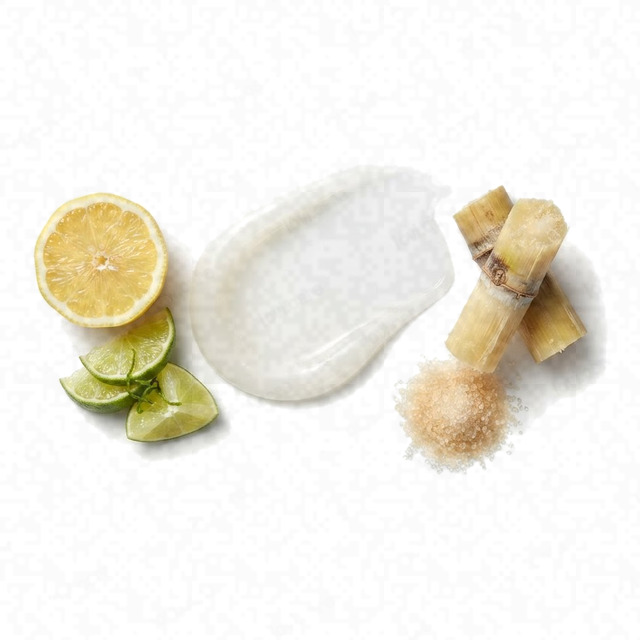 Aha Alpha Hydroxy Acid
 Glycolic Acid
 Dimethicone
 Cholesterol
 Propylene Glycol
Average
- HighCombination Skin Fit
- AverageEffectiveness
- ConcerningSafety
Works for acne-prone skin; other products fit it better.
This fit is calculated for the concerns frequently associated with acne-prone skin: breakouts, blackheads, and post-acne marks. For scores and recommendations based on your full skin profile, including your 12D face scan results and any goals or preferences you have, please use the Lovi app.
Page built Nov 8, 2026How the Fit score works
Lovi Assistant explains
- Offers moderate exfoliation for your combination skin due to the presence of glycolic acid, which promotes skin renewal and addresses acne and blemishes.
- Dimethicone provides emollient action, enhancing overall skin comfort and suitability for your skin type.
How to apply
- Use this exfoliant PM once a week to start, and gradually increase if your combination skin tolerates it well. Always apply SPF the next morning to protect your clear skin.
- Apply the exfoliant after cleansing and toning, but right before your moisturizer step. This ensures the treatment targets blemishes effectively.
- Gently press 2-3 drops of the exfoliant into your skin without rubbing. Let it absorb for a minute before moving to the next step.
- Apply the exfoliant on clean, dry skin to help control breakouts safely. Since your skin is not sensitive, this dry application method ensures good product absorption.
- Avoid the sensitive eye area and do a patch test before your first use. Do not mix this exfoliant with other strong acids in the same routine.
Questions and answers
How well does Neostrata Lotion Plus work for acne-prone skin?
Neostrata Resurface Lotion Plus works for acne-prone skin, though other products fit it better. Glycolic acid helps renew the skin and address blemishes, while dimethicone enhances comfort. An exfoliant treatment for this skin needs ingredients like niacinamide, propolis, or zinc PCA that target breakouts and control oil without irritation.
Journal of Cosmetic Dermatology, 2019Clinical, Cosmetic and Investigational Dermatology, 2019
Which ingredients make this exfoliant a good fit for acne-prone skin?
Glycolic acid makes this exfoliant work for acne-prone skin by helping renew the skin and clear blemishes, while dimethicone adds comfort. However, because other products fit this skin better, an acne-prone skin type needs a product with soothing ingredients like niacinamide, zinc PCA, or propolis, along with balanced hydration that controls oil without causing dryness.
Clinical, Cosmetic and Investigational Dermatology, 2019Journal of Cosmetic Dermatology, 2019
What does Alpha Hydroxy Acid do for acne-prone skin?
Alpha hydroxy acid helps clear acne-prone skin by gently removing dead surface cells and fighting bacteria to reduce breakouts and inflammation. It is unlikely to cause irritation when used regularly, leaving your skin looking much clearer and smoother.
What does Glycolic Acid do for acne-prone skin?
Glycolic acid helps clear acne-prone skin by reducing pimples and breakouts. It also helps fade dark spots left behind by acne and controls skin oiliness, with very few side effects when used properly.
Journal of Cosmetic Dermatology, 2021Dermatologic Surgery, 2014
Where does it go in a skincare routine for acne-prone skin?
This exfoliant treatment goes in the evening routine, starting at once a week so your skin can adjust. Acne-prone skin works best with products that offer gentle exfoliation to clear blemishes alongside soothing ingredients to keep the skin calm and comfortable.
Can I use this exfoliant with retinol, and in what order?
You can use this exfoliant with retinol by alternating nights to avoid irritation, as both renew the skin strongly. When your skin is acne-prone, using an exfoliant of this type needs gentle soothing ingredients and lighter hydration to keep the skin calm and smooth without clogging pores.
Journal of Cosmetic Dermatology, 2019Clinical, Cosmetic and Investigational Dermatology, 2019
How often should I use it?
Start by using this exfoliant treatment once a week in the evening, and if your skin feels comfortable and you see good results, you may carefully use it more often. Acne-prone skin works best with products that offer gentle skin renewal along with comforting moisturizers.
Journal of Cosmetic Dermatology, 2021Journal of Cosmetic Dermatology, 2021
Can this exfoliant clog pores, cause breakouts or purging for acne-prone skin?
This exfoliant may cause some initial purging or breakouts as glycolic acid speeds up skin renewal to help clear acne and blemishes. To work well for acne-prone skin, a product of this type needs soothing ingredients like dimethicone to keep skin comfortable while clearing pores.
Journal of Cosmetic Dermatology, 2019Clinical, Cosmetic and Investigational Dermatology, 2019
Is it fragrance-free and alcohol-free?
Yes, it has no fragrance and no drying alcohol. Cetyl alcohol is a fatty alcohol, which soften the skin.
What the research says
A combination of dermapen and glycolic acid peel significantly decreased acne scar grades and resulted in higher patient satisfaction compared to either monotherapy in 30 patients.
Journal of Cosmetic Dermatology, 2019Glycolic acid, salicylic acid, gluconolactone, and licochalcone A combined with 0.1% adapalene showed no hindrance compared to adapalene monotherapy and provided benefits in reducing complications in 25 subjects with mild-to-moderate acne vulgaris.
Clinical, Cosmetic and Investigational Dermatology, 2019Topical application of 1-1.5% glycolic acid suppresses UVB-induced inflammation by modulating NF-κB signaling pathways in human keratinocytes and mouse dorsal skin.
Journal of Dermatological Science, 2017Wearing an N95 mask alone compared to using dimethicone cream or hydrocolloid dressing caused more adverse skin reactions among 73 military health care workers, with no significant differences in fit test failure rates between groups.
Military Medicine, 2024Repeated short-contact 70% glycolic acid peels provided superior results in atrophic acne scars compared to daily low-strength glycolic acid cream or placebo in 58 women over 24 weeks.
International Journal of Dermatology, 2000Serial glycolic acid peels combined with a modified Kligman formula significantly reduced facial PIH severity in Indian patients compared to the modified Kligman formula alone.
Dermatologic Surgery, 2017Treatment with a moisturizer containing dimethicone and glycerine increased epidermal thickness by 0.019 mm, improved barrier function by decreasing transepidermal water loss by 13%, decreased melanin intensity, and induced keratins 6 and 16 in fifteen women with moderately photoaged forearms.
Clinical and Experimental Dermatology, 2007Externally applied substances such as ceramides, hyaluronic acid, licorice extracts, dimethicone, petrolatum, and paraffin wax treat skin disease resulting from damage to the skin barrier.
Clinics in Dermatology, 2012Vehicle additives such as silicates, dimethicone, and glycerin reduce skin irritation associated with benzoyl peroxide 5%/clindamycin 1% gel and topical retinoid combination therapy by maintaining barrier integrity.
Journal of Drugs in Dermatology, 2006Botulinum toxin-A encapsulated in phosphatidylcholine/cholesterol nanoliposomes delivered transdermally achieved a diffusion depth of 380 μm and showed a nonsignificant advantage in relieving post-acne scarring compared to hyaluronic acid hydrogel treatment in 12 facial patients.
Journal of Materials Science. Materials in Medicine, 2024Topical application of cholesterol sulfate increases stratum corneum thickness and inhibits protease-induced cell dissociation by competitively inhibiting serine proteases in mice and human stratum corneum.
The Journal of Investigative Dermatology, 1998Topical lovastatin treatment impairs the recovery of cutaneous permeability barrier function and stratum corneum cholesterol levels after acetone disruption in mice, an effect normalized by simultaneous treatment with mevalonate or cholesterol.
The Journal of Clinical Investigation, 1990Treatment with a combination of propylene glycol, ethanol, water, and shampoo was found effective, easy to use, and cosmetically attractive with no observed side effects in patients with dandruff.
Cutis, 1988A moisturizer containing glycerol and propylene glycol reduced transepidermal water loss, decreased epidermal thickness, increased stratum corneum thickness, and reduced dermal inflammatory infiltrate compared to untreated disrupted skin in six healthy beagle dogs.
Veterinary Dermatology, 2020
Ingredients
Water, Glycolic Acid, Propylene Glycol, Ammonium Hydroxide, Hydroxyethylcellulose, Cholesterol, Dimethicone, Petrolatum, Palmitic Acid, Stearic Acid, Myristic Acid, Glyceryl Stearate, Peg-100 Stearate, Peg-40 Stearate, Isopropyl Palmitate, Cetyl Alcohol, Sorbitan Stearate, Magnesium Aluminum Silicate, Stearamidopropyl Dimethylamine, Isostearic Acid, Tetrasodium Edta
Behind this fit score
Lovi calculates every fit score from the full ingredient list with brand-independent rules our dermatologists and cosmetic chemists build and review, and personalizes every pick with AI trained on the real results of millions of users. Lovi trains its fit score models on a proprietary dataset built from more than 10,000 expert-labeled products and more than 100,000 simulated examples, following an internally consistent methodology presented at Cosmoprof, AMWC, and Skin of Color Update.
-

Co-founder, Medical Director
Cosmetic chemist, cosmetologist, aesthetic products developer
-

Co-founder, CEO and CTO
PhD in computer science, 3x US patent holder, ex-Google, ex-Yandex
-

Dr. Sofía Perea Pérez, MD, MSc
Medical Board
Aesthetic medicine practitioner, MSc in Longevity and Anti-Aging Medicine
-

Medical Board
Specialist dermatologist, MBBS, MD, IFAAD
-

Medical Board
Cosmetic chemist, SCS, IFSCC member
-

Medical Board, Medical Advisor
Dermatology MD
-

Elina Nazarenko, MD
Medical Board
Dermatology and diagnostic consultant
-

Victoria Derkova, MS
Medical Board
Cosmetic chemist, cosmetic development technologist


How does it fit your skin?
Scan your face, then any product: Lovi shows how well it fits you and what fits even better.