Nature Republic Soothing & Moisture Aloe Vera 92% Soothing Gel Mist for mature skin

 Aloe Barbadensis
 Sodium Hyaluronate
 Glycerin
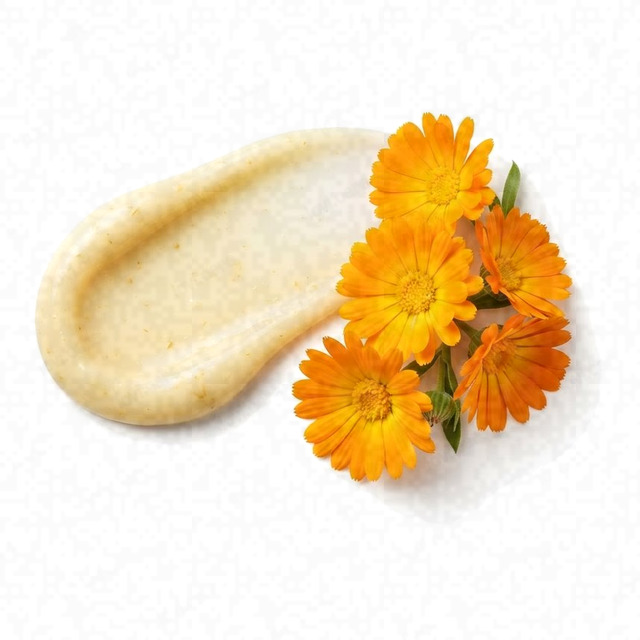 Calendula Officinalis Flower Extract
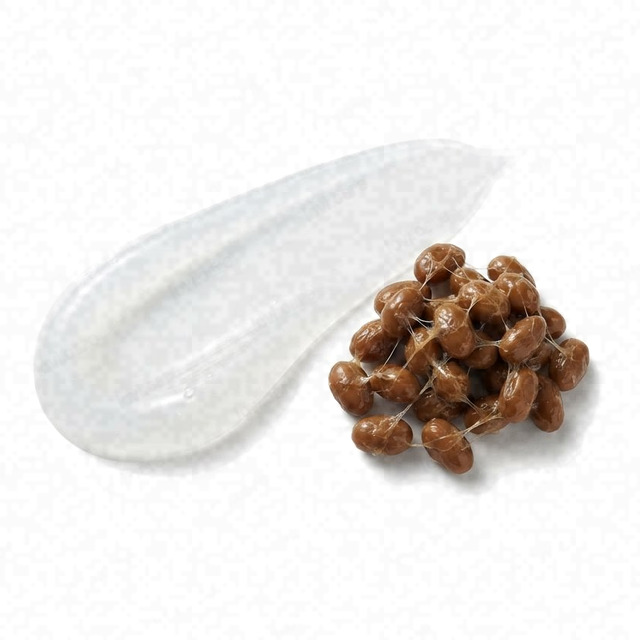 Polyglutamic Acid
Warning
- HighNormal Skin Fit
- AverageEffectiveness
- WarningSafety
A poor match for mature skin; the toners alongside fit it better.
This fit is calculated for the concerns frequently associated with mature skin: fine lines, wrinkles, and loss of firmness. For scores and recommendations based on your full skin profile, including your 12D face scan results and any goals or preferences you have, please use the Lovi app.
Page built Nov 8, 2026How the Fit score works
How to apply
- Could be used as part of your AM or PM routine. Start using it 3 times a week and move to daily use if your skin tolerates it well.
- Apply this soothing toner right after cleansing and before your moisturizer or SPF .
- Gently press 2-3 drops of the soothing toner into your skin and let it absorb for a minute.
- Apply the soothing toner on slightly damp skin to help with better absorption.
- Avoid the sensitive eye area and do a patch test before your very first use .
Questions and answers
Why does Lovi advise against Nature Republic Aloe Vera 92% Soothing Gel Mist for mature skin?
This product is a poor match for mature skin because it lacks the rich nourishing ingredients and targeted wrinkle-fighting benefits that this skin type needs to stay smooth and firm.
Which ingredients make this toner a poor fit for mature skin?
This toner is a poor fit for mature skin mainly because it contains alcohol, which can dry out dry skin and make fine lines more noticeable. Mature skin needs soothing toners with rich moisturizers and firming ingredients to keep it smooth and plump.
What does Aloe Vera do for mature skin?
What does Hyaluronic Acid do for mature skin?
Hyaluronic acid helps mature skin by deeply boosting moisture, improving elasticity, and smoothing the appearance of fine lines and wrinkles. Regular use keeps the skin looking plump and soft while supporting overall firmness and hydration.
Journal of Drugs in Dermatology, 2011Skin Research and Technology, 2024
Where does this toner go in a skincare routine for mature skin?
This toner is a poor match for mature skin, and a product of this type needs richer hydrators and nourishing oils to keep dry skin soft and smooth.
Can I use this toner with retinol, and in what order?
This toner is a poor match for mature skin, so you should avoid using it alongside retinol. Mature skin needs rich, nourishing hydrators and barrier-protecting ingredients like ceramides and rich oils to stay soft and smooth.
How often should I use this toner?
This toner is a poor match for mature skin, so you should avoid using it. Mature skin needs products with rich moisturizers, nourishing oils, and firming ingredients to keep it soft and smooth.
Can this toner clog pores, cause breakouts or purging for mature skin?
This toner is unlikely to clog pores or cause purging, but alcohol high in the ingredient list may dry out mature skin. Mature skin needs hydrating ingredients like hyaluronic acid and glycerin along with nourishing oils to stay soft and smooth.
Is this toner fragrance-free and alcohol-free?
It contains fragrance (parfum, limonene, and linalool) and drying alcohol (alcohol).
What the research says
A cream combining propolis, tea tree oil, and Aloe vera reduced erythema scars, acne severity index, and total lesion count better than erythromycin cream in sixty patients with mild to moderate acne vulgaris compared to placebo.
Clinical Pharmacology, 2018Topical aloe vera gel significantly accelerated split-thickness skin graft donor-site healing compared to placebo in 12 patients, but showed no significant difference in pain relief.
Plastic and Reconstructive Surgery, 2018Topical application of Aloe vera cream reduced postoperative pain at rest and during defecation, accelerated wound healing at two weeks, and decreased analgesic requirements in patients after open hemorrhoidectomy compared to placebo.
Journal of Alternative and Complementary Medicine, 2010Topical application of 0.1% hyaluronic acid formulations of different molecular weights led to significant improvements in skin hydration and elasticity, with low-molecular-weight formulations also significantly reducing wrinkle depth in seventy-six female subjects compared to a vehicle control.
Journal of Drugs in Dermatology, 2011Topical application of hyaluronic acid in conjunction with free gingival graft significantly reduced donor site postoperative pain until day 7 compared to normal saline, with no significant differences in graft dimensions or patient satisfaction.
Clinical Oral Investigations, 2022Treatment with a hyaluronic acid-containing mouth rinse or topical gel led to significant lesion reduction, pain relief, and normalization of lesion color in adult patients with minor recurrent aphthous stomatitis, with the gel formulation showing an earlier healing onset at 3 days.
BMC Oral Health, 2019A single application of a moisturizing fluid containing hyaluronic acid 1%, glycerin 5%, and Centella asiatica stem cells extract significantly increased skin hydration by 29% and reduced transepidermal water loss at 24 hours compared to baseline and an untreated control site in twenty healthy women.
Clinical, Cosmetic and Investigational Dermatology, 2017The emollient V0034CR significantly reduced TEWL compared to vehicle and vehicle plus glycerol, and significantly increased corneometry scores compared to vehicle and vehicle plus petrolatum in healthy volunteers with dry skin, demonstrating combined barrier function improvement from petrolatum and hydration improvement from glycerol.
Journal of Cosmetic Dermatology, 2020Ten days of treatment with a cream containing 20% glycerin significantly increased skin hydration measured by corneometer values in 17 healthy volunteers compared to a placebo cream, but showed no influence on transepidermal water loss or skin sensitivity to an irritating surfactant.
International Journal of Cosmetic Science, 2001Topical application of Calendula officinalis extract cream significantly improved skin hydration and firmness (reflected in significant changes in R0 and R6 parameters) in 21 healthy human volunteers compared to a base cream.
Acta Poloniae Pharmaceutica, 2011Treatment with standardized extract of Calendula officinalis L. led to a shorter epithelization time and faster healing speed compared to mineral oil in patients with acute skin loss wounds of the hand and fingers healing by secondary intention.
Tissue Barriers, 2022Topical administration of Calendula provides weak evidence of effectiveness in acute and chronic wounds compared to standard treatments based on a narrative review of available trials.
Wounds, 2008Curcumin-loaded polyglutamic acid and gum arabic electrospun nanofibers accelerated wound healing, increased TGF-beta1 and VEGF expression, reduced inflammatory factors, and enhanced re-epithelialization and tissue regeneration in a mouse model with acute full-thickness skin defects.
International Journal of Biological Macromolecules, 2024Polyglutamic acid and polylysine composite hydrogels promote wound repair and hemostasis through high water absorption, bioadhesion, calcium ion-mediated coagulation factor activation, and inherent antibacterial properties in a deep skin defect model.
Macromolecular Bioscience, 2021
Ingredients
Aloe Barbadensis Leaf Extract, Alcohol, Glyceryl Polyacrylate, Dipropylene Glycol, Butylene Glycol, Glycerin, Propylene Glycol, 1,2-Hexanediol, Polyglutamic Acid, Betaine, Sodium Hyaluronate, Calendula Officinalis Flower Extract, Spearmint Extract, Melissa Officinalis Extract, Carbomer, Peg-60 Hydrogenated Castor Oil, Polyester-5, Polyquaternium-51, Triethanolamine, Phenoxyethanol, Water, Parfum, Disodium Edta, Limonene, Linalool, Butylphenyl Methylpropional
Behind this fit score
Lovi calculates every fit score from the full ingredient list with brand-independent rules our dermatologists and cosmetic chemists build and review, and personalizes every pick with AI trained on the real results of millions of users. Lovi trains its fit score models on a proprietary dataset built from more than 10,000 expert-labeled products and more than 100,000 simulated examples, following an internally consistent methodology presented at Cosmoprof, AMWC, and Skin of Color Update.
-

Co-founder, Medical Director
Cosmetic chemist, cosmetologist, aesthetic products developer
-

Co-founder, CEO and CTO
PhD in computer science, 3x US patent holder, ex-Google, ex-Yandex
-

Dr. Sofía Perea Pérez, MD, MSc
Medical Board
Aesthetic medicine practitioner, MSc in Longevity and Anti-Aging Medicine
-

Medical Board
Specialist dermatologist, MBBS, MD, IFAAD
-

Medical Board
Cosmetic chemist, SCS, IFSCC member
-

Medical Board, Medical Advisor
Dermatology MD
-

Elina Nazarenko, MD
Medical Board
Dermatology and diagnostic consultant
-

Victoria Derkova, MS
Medical Board
Cosmetic chemist, cosmetic development technologist


How does it fit your skin?
Scan your face, then any product: Lovi shows how well it fits you and what fits even better.