ma:nyo Galactomy Clearskin Pad for oily acne-prone skin

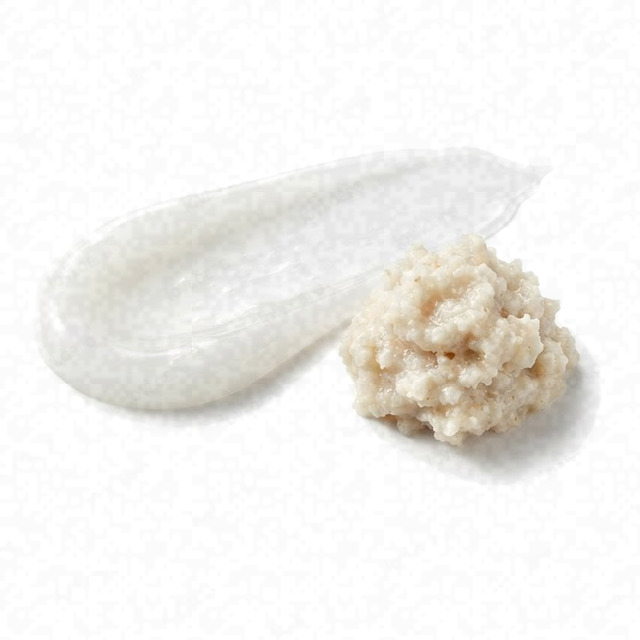 Galactomyces Ferment Filtrate
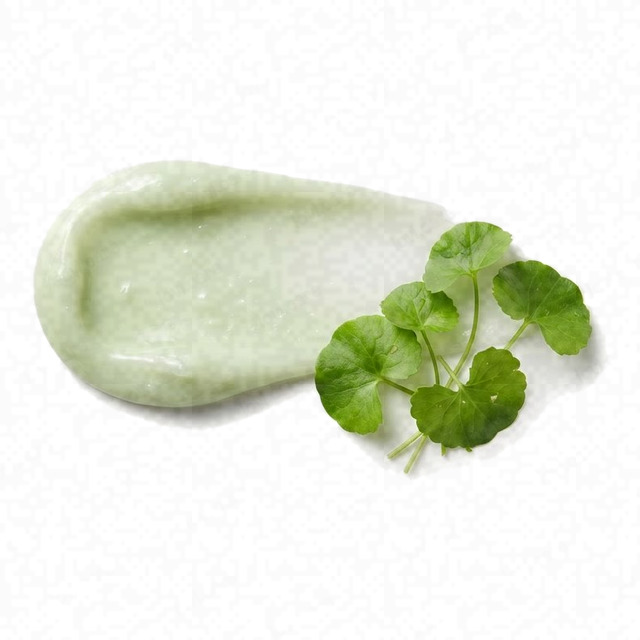 Centella Asiatica Extract
 Niacinamide
 Aloe Barbadensis Leaf Extract
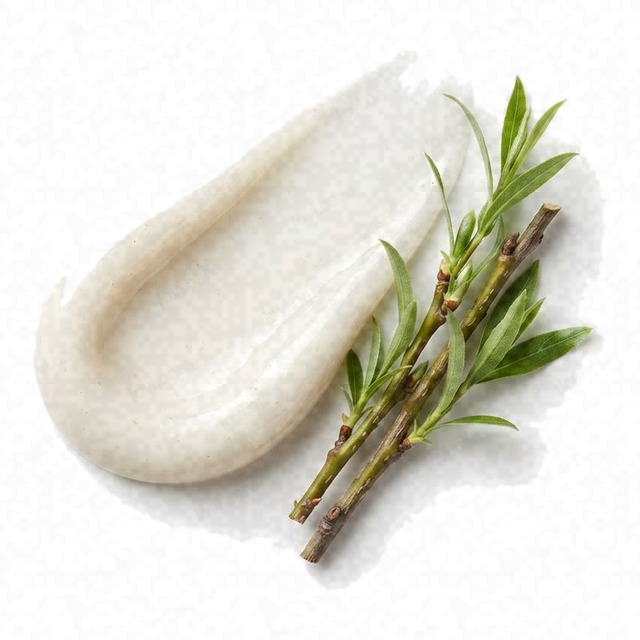 Willow Bark Extract
Superior
- SuperiorOily Skin Fit
- SuperiorEffectiveness
- HighSafety
One of the best toners for oily acne-prone skin.
This fit is calculated for the concerns frequently associated with oily acne-prone skin: shine, breakouts, blemishes, and enlarged pores. For scores and recommendations based on your full skin profile, including your 12D face scan results and any goals or preferences you have, please use the Lovi app.
Page built Nov 8, 2026How the Fit score works
Lovi Assistant explains
- Excellent suitability for your oily skin is provided by the combination of lactic acid, citric acid, malic acid, gluconolactone, and capryloyl salicylic acid, which effectively exfoliate and regulate oil production, complemented by niacinamide for enhanced sebum control.
- The formula also offers targeted benefits for your acne, blemishes, and breakouts through willow bark extract, which aids in pore cleansing and texture refinement.
- The safety profile is excellent, with soothing ingredients like Centella Asiatica Extract and Aloe Barbadensis Leaf Extract ensuring no irritation for your oily skin.
How to apply
- Could be used as part of your PM routine. Start using your exfoliating toner once a week and slowly increase frequency if your skin tolerates it well.
- Apply your exfoliating toner after cleansing and before your moisturizer or other treatments.
- Gently press 2-3 drops of the exfoliating toner into your skin with your hands. Avoid any harsh rubbing .
- Apply the exfoliating toner on clean and completely dry skin to ensure the best results .
- Avoid the sensitive eye area and always use daily SPF while using exfoliating active products.
People Say
★4.8Overall rating based on 1.2k+ reviewsBased on a very large amount of data, users highly recommend these toner pads for their ability to gently exfoliate and refine skin texture, making them particularly beneficial for oily and combination skin types struggling with enlarged pores and dullness. Many appreciate the convenience and the radiant glow they provide, which serves as an excellent base for makeup. However, some users with dry or sensitive skin have noted that the embossed side can be too rough and that the pads may not provide sufficient hydration.
Highlights
Gentle exfoliation Mostly Mentioned
- “removes dead skin cells”
- “skin feels smoother”
- “improves skin texture”
- “gentle daily exfoliation”
Pore & sebum control Often Mentioned
- “manages pores”
- “tightens pores”
- “refines pores”
- “balances oil”
Brightening effect Sometimes Noted
- “brightens skin”
- “clearer complexion”
- “nice glow”
- “removes dullness”
Convenient & hygienic Sometimes Noted
- “perfect for travel”
- “sealed tight”
- “tweezers included”
- “hygienic packaging”
Great makeup prep Sometimes Noted
- “fantastic foundation product”
- “makeup goes on flawlessly”
- “smooth base”
Insufficient essence Sometimes Noted
- “not generously soaked”
- “dried out quickly”
- “needs more essence”
- “slightly dry”
Rough pad texture Sometimes Noted
- “embossed side harsh”
- “left marks”
- “scratchy texture”
- “too rough”
Potential dryness Rarely Noted
- “hydration feels lacking”
- “dried me out”
- “not for dry skin”
- “felt tight”
Price point Rarely Noted
- “bit pricey”
- “wish it was cheaper”
- “expensive for quantity”
- “wait for sale”
Tweezer usability Rarely Noted
- “tweezers hard to use”
- “hard to pick up”
- “fiddly tool”
Sources: lovi.care, yesstyle.com, hwahae.co.kr, manyo.us, shopee.sg, and more
Questions and answers
What makes ma:nyo Galactomy Clearskin Pad one of the best fits for oily acne-prone skin?
This exfoliating toner is an excellent fit because a mix of gentle acids controls oil production while willow bark extract cleanses pores and smooths texture. Soothing ingredients like Centella Asiatica and aloe vera also help keep your oily skin calm and protected from irritation.
Journal of Cosmetic Dermatology, 2021Skin Research and Technology, 2023
Which ingredients make this toner a good fit for oily acne-prone skin?
This toner is a great fit for your oily acne-prone skin because the mix of lactic, citric, malic, and other exfoliating acids helps clear pores, control oil, and smooth your texture. Soothing ingredients like Centella Asiatica and aloe vera also help keep your skin calm and make irritation unlikely.
Journal of Cosmetic Dermatology, 2021Skin Research and Technology, 2023
What does Galactomyces Ferment Filtrate do for oily acne-prone skin?
Galactomyces Ferment Filtrate helps calm redness, smooth rough spots, and balance oily skin while keeping it hydrated. It also helps fade dark spots left behind by acne and supports a clear, even look.
Journal of Clinical Medicine, 2021Journal of Clinical Medicine, 2022
What does Centella Asiatica Extract do for oily acne-prone skin?
Centella Asiatica Extract helps calm red spots and supports skin healing in oily, acne-prone skin. It may also help balance moisture and reduce breakouts by soothing irritated areas.
Indian Journal of Pharmaceutical Sciences, 2016Molecules, 2023
Where does this toner go in a skincare routine for oily acne-prone skin?
This exfoliating toner fits into an evening routine right after cleansing and before your treatment and moisturizer. You should start using it just once a week, and if your skin tolerates it well and shows good results, you can carefully use it more often.
Can I use this toner with retinol, and in what order?
You can use this toner in the evening routine before your treatment step, but it is best to use them on alternate nights or introduce them slowly to avoid irritation on your oily skin.
How often should I use this toner?
Start using this exfoliating toner once a week in your evening routine, and if your skin tolerates it well and sees good results, you may carefully use it more often. This gentle approach helps your oily acne-prone skin adjust safely without irritation.
Can this toner clog pores, cause breakouts or purging for oily acne-prone skin?
This toner is unlikely to clog pores or cause breakouts for your oily skin because it contains multiple acids and niacinamide that help clear out pores and control oil production. Soothing ingredients like Centella Asiatica and aloe extract also help keep irritation low.
Journal of Cosmetic Dermatology, 2021Skin Research and Technology, 2023
Is this toner fragrance-free and alcohol-free?
Yes, it has no fragrance and no drying alcohol.
What the research says
Daily treatment with a facial serum containing multiple acids reduced post-inflammatory hyperchromia lesion grade and number by 29.4% at 56 days, and decreased skin oiliness by 30.7% at 7 days in Brazilian patients with acne vulgaris.
Journal of Cosmetic Dermatology, 2021Combining 10% gluconolactone chemical peeling with oxybrasion or microneedle mesotherapy increased skin hydration and decreased sebum, pH, and TEWL in twenty-one Caucasian women, with no significant differences between the two methods.
Skin Research and Technology, 2023A botanical face cleanser with hops and willow bark extract continuously reduced skin sebum levels without reactive seborrhea after treatment in 21 healthy volunteers compared to a sodium laureth sulfate cleanser, with neither cleanser causing skin irritation.
Journal of Cosmetic Dermatology, 2019A cream combining propolis, tea tree oil, and Aloe vera reduced erythema scars, acne severity index, and total lesion count better than erythromycin cream in sixty patients with mild to moderate acne vulgaris compared to placebo.
Clinical Pharmacology, 2018Co-delivery of paeonol and madecassoside via nanoemulsions improved transdermal delivery, promoted barrier repair proteins, inhibited inflammatory cytokine secretion in cellular and 3D models, and reduced transepidermal water loss and acne in human facial skin compared to free components.
Molecules, 2023A combination serum containing galactomyces ferment filtrate, dexpanthenol, and Centella asiatica effectively treated post-acne hyperpigmentation in subjects with colored skin by significantly increasing lightness scores in Fitzpatrick skin type V and reducing the melanin index in Fitzpatrick skin type IV compared to placebo.
Skinmed, 2021Application of Galactomyces ferment filtrate skin care formula significantly reduced the net values and daily fluctuation of facial pore area, roughness, and redness in young Japanese women.
Journal of Clinical Medicine, 2021Galactomyces ferment filtrate promotes epidermal interconnectivity, barrier development, cell adhesion, keratinocyte differentiation and proliferation, and protects cellular bioenergetics against stress in keratinocytes and ex vivo skin explants compared to untreated controls.
International Journal of Cosmetic Science, 2024Topical application of 0.05% w/w ECa 233 gel reduced erythema index by 0.03 U and improved early crusting and general wound appearance compared to placebo in thirty individuals undergoing facial laser resurfacing.
Journal of Alternative and Complementary Medicine, 2020A single application of a moisturizing fluid containing hyaluronic acid 1%, glycerin 5%, and Centella asiatica stem cells extract significantly increased skin hydration by 29% and reduced transepidermal water loss at 24 hours compared to baseline and an untreated control site in twenty healthy women.
Clinical, Cosmetic and Investigational Dermatology, 2017Moisturizer containing 5% panthenol, madecassoside, and copper-zinc-manganese decreased adverse reactions and downtime after ablative fractional carbon dioxide laser resurfacing with comparable efficacy to 0.02% triamcinolone acetonide cream in 20 subjects.
Journal of Cosmetic Dermatology, 2019Topical post-laser application of human adipocyte-derived mesenchymal stem cell media combined with niacinamide significantly improved wrinkle index, melanin index, patient satisfaction, and investigator esthetic improvement scores compared to vehicle cream in patients with aging skin.
Journal of Cosmetic Dermatology, 2021Topical nicotinamide prevented solar-simulated UV-induced immunosuppression in healthy volunteers, and men experienced immunosuppression at solar-simulated UV doses three times lower than those required for women.
The Journal of Investigative Dermatology, 2008Topical 5% niacinamide applied twice daily for 12 weeks reduced fine lines and wrinkles, hyperpigmented spots, red blotchiness, and skin sallowness, and improved skin elasticity compared to vehicle control in 50 female white subjects with facial photoaging.
Dermatologic Surgery, 2005Topical aloe vera gel significantly accelerated split-thickness skin graft donor-site healing compared to placebo in 12 patients, but showed no significant difference in pain relief.
Plastic and Reconstructive Surgery, 2018Topical application of Aloe vera cream reduced postoperative pain at rest and during defecation, accelerated wound healing at two weeks, and decreased analgesic requirements in patients after open hemorrhoidectomy compared to placebo.
Journal of Alternative and Complementary Medicine, 2010Formulations containing 0.10%, 0.25%, and 0.50% freeze-dried Aloe vera extract increased stratum corneum water content compared with the vehicle in 20 female subjects, while transepidermal water loss was not modified.
Skin Research and Technology, 2006Bioactive lipid nanocarriers co-loaded with willow bark or ivy leaf extracts and UV-filters provided pronounced UVA photoprotection up to an SPF-equivalent value of 13 and a maximum in vivo skin hydration effect of 97% when prepared with pomegranate oil.
Nanomaterials, 2022A topical serum containing 0.5% salicin applied twice daily reduced visible signs of skin aging, including wrinkles and tactile roughness, in 30 female subjects over 12 weeks compared to baseline.
Journal of Cosmetic Dermatology, 2010A novel emulsion containing niacinamide, lens esculenta seed extract, and white willow bark extract effectively improved acne, blackheads, and conspicuous facial pores in 30 subjects with oily skin.
Journal of Cosmetic Dermatology, 2024
Ingredients
Water, Galactomyces Ferment Filtrate, Rice Bran Extract, Chamaecyparis Obtusa Leaf Extract, Aloe Barbadensis Leaf Extract, Centella Asiatica Extract, Witch Hazel Extract, Willow Bark Extract, 1,2-Hexanediol, Butylene Glycol, Lactic Acid, Sea Water, Camellia Sinensis Leaf Extract, Citric Acid, Malic Acid, Rosa Centifolia Flower Water, Carica Papaya Fruit Extract, Scutellaria Baicalensis Root Extract, Illicium Verum Fruit Extract Anise Fruit Extract, Allantoin, Dipotassium Glycyrrhizate, Potassium Hydroxide, Rosa Damascena Oil Flower, Glycerin, Dipropylene Glycol, Methylpropanediol, Chlorella Vulgaris Extract, Ethylhexylglycerin, Tricholoma Matsutake Extract, Broussonetia Kazinoki Root Extract, Morus Alba Bark Extract, Pyrus Malus Fruit Extract, Camellia Japonica Leaf Extract, Sodium Hyaluronate, Betaine, Panthenol, Hydroxyacetophenone, Glucose, Propanediol, Gluconolactone, Fructooligosaccharides, Capryloyl Salicylic Acid, Fructose, Sodium Citrate, Caprylyl Glycol, Polyglyceryl-10 Laurate, Pentylene Glycol, Niacinamide, Glyceryl Acrylate Acrylic Acid Copolymer, Galactoarabinan, Acetyl Glucosamine, Pvm Ma Copolymer, Sodium Hyaluronate Crosspolymer, Caffeine, Xanthan Gum, Disodium Edta
Behind this fit score
Lovi calculates every fit score from the full ingredient list with brand-independent rules our dermatologists and cosmetic chemists build and review, and personalizes every pick with AI trained on the real results of millions of users. Lovi trains its fit score models on a proprietary dataset built from more than 10,000 expert-labeled products and more than 100,000 simulated examples, following an internally consistent methodology presented at Cosmoprof, AMWC, and Skin of Color Update.
-

Co-founder, Medical Director
Cosmetic chemist, cosmetologist, aesthetic products developer
-

Co-founder, CEO and CTO
PhD in computer science, 3x US patent holder, ex-Google, ex-Yandex
-

Dr. Sofía Perea Pérez, MD, MSc
Medical Board
Aesthetic medicine practitioner, MSc in Longevity and Anti-Aging Medicine
-

Medical Board
Specialist dermatologist, MBBS, MD, IFAAD
-

Medical Board
Cosmetic chemist, SCS, IFSCC member
-

Medical Board, Medical Advisor
Dermatology MD
-

Elina Nazarenko, MD
Medical Board
Dermatology and diagnostic consultant
-

Victoria Derkova, MS
Medical Board
Cosmetic chemist, cosmetic development technologist


How does it fit your skin?
Scan your face, then any product: Lovi shows how well it fits you and what fits even better.