JKosmmune Enzyme Cleansing Powder for oily skin

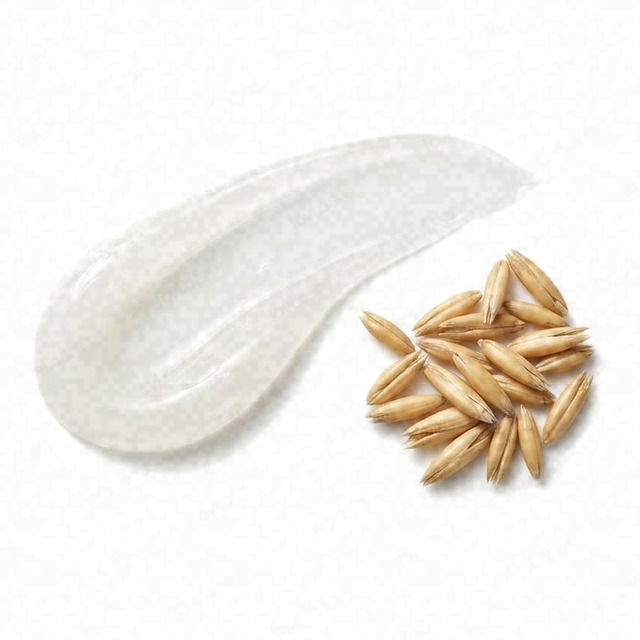 Beta-Glucan
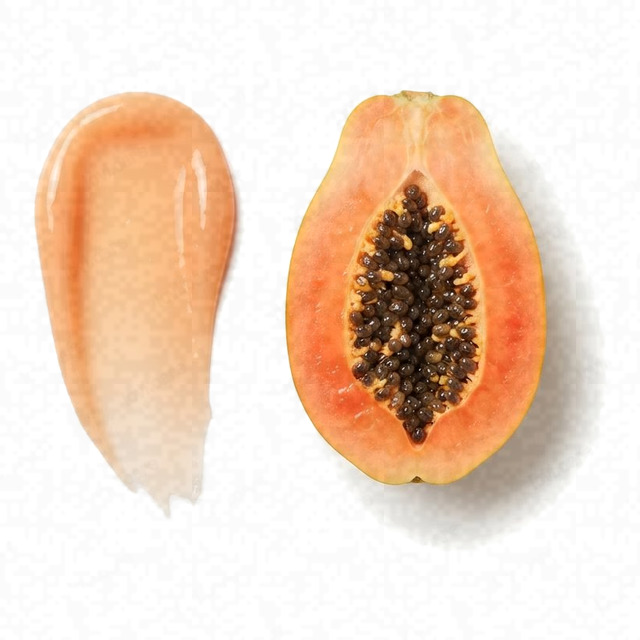 Papain
 Aloe Barbadensis Leaf Juice
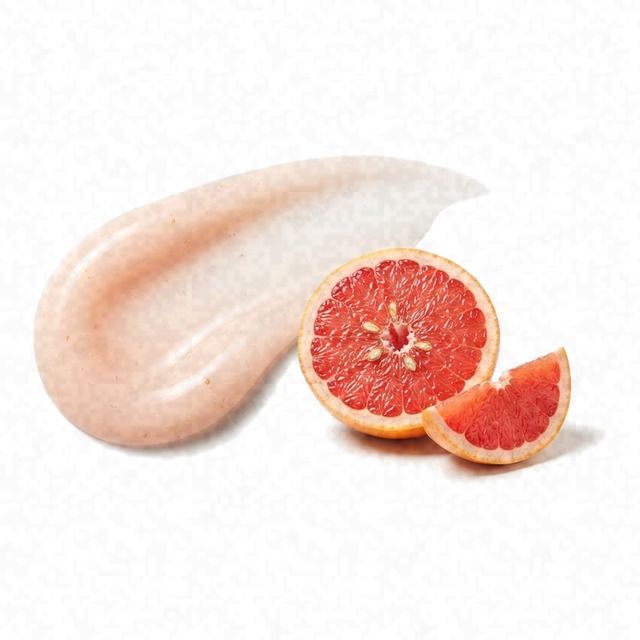 Grapefruit Seed Extract
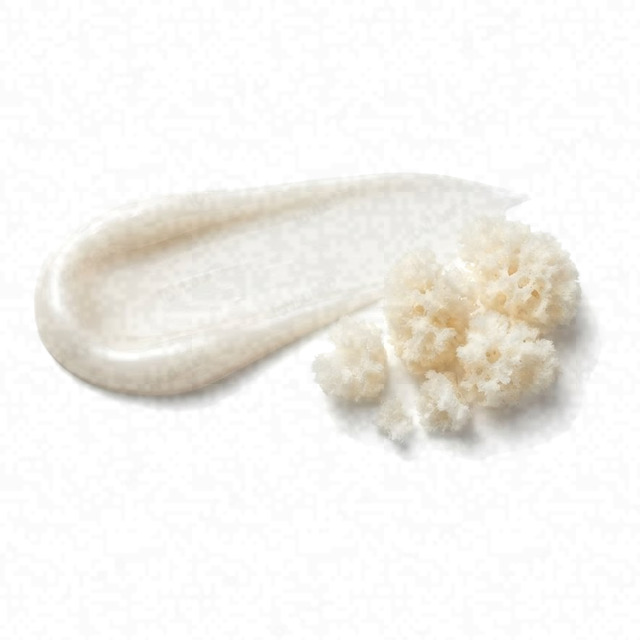 Collagen
Average
- AverageOily Skin Fit
- AverageEffectiveness
- ExcellentSafety
Works for oily skin; other products fit it better.
This fit is calculated for the concerns frequently associated with oily skin: shine, enlarged pores, blackheads, and blemishes. For scores and recommendations based on your full skin profile, including your 12D face scan results and any goals or preferences you have, please use the Lovi app.
Page built Nov 8, 2026How the Fit score works
Lovi Assistant explains
- Offers moderate suitability for oily skin due to the presence of papain and grapefruit seed extract, which provide mild keratolytic action for general cleansing and soothing benefits from Beta-Glucan and Aloe Barbadensis Leaf Juice.
- While Sodium Cocoyl Isethionate and Allantoin effectively exfoliate and cleanse pores, the formula lacks stronger ingredients for comprehensive oil control to specifically address oily shine.
- The product is safe for your oily skin, with no risks of irritation due to the absence of harsh ingredients and the inclusion of soothing components.
How to apply
- Use your enzyme powder cleanser as part of your AM or PM weekly routine. Start using it 1x per week and increase to daily use if your skin tolerates it well.
- Apply this enzyme powder cleanser in your routine after the regular cleanser and before the hydrating toner, serum, and moisturizer.
- Gently mix the enzyme powder cleanser with water in your hands to create a lather. Massage it softly over your face without rubbing .
- Apply the enzyme powder cleanser to clean, slightly damp skin for the best results .
- Avoid the sensitive eye area and do a patch test before your first use to ensure your skin is happy.
People Say
★4.8Overall rating based on 100+ reviewsBased on limited data, this powder cleanser is highly praised by users with sensitive, oily, and combination skin for its ability to gently exfoliate and hydrate, leaving skin feeling soft, smooth, and bright. Many users report it is non-irritating and safe for sensitive skin, with some noting its convenient travel-friendly packaging. A few users mention a learning curve for lathering and concerns about packaging waste, while availability is also noted as a moderate issue.
Highlights
Non-stripping hydration Mostly Mentioned
- “Does not strip skin”
- “moisturizing power”
- “skin feels soft”
Gentle exfoliation Often Mentioned
- “Skin feels so smooth”
- “mildly exfoliates”
- “removes dead skin cells”
Travel-friendly packaging Often Mentioned
- “Perfect for travel”
- “TSA-friendly”
- “convenient individual sticks”
Soothing for sensitive skin Sometimes Noted
- “Non-irritating”
- “calms redness”
- “gentle enough for daily use”
Availability issues Sometimes Noted
- “Hard to find”
- “often sold out”
- “niche availability”
Lathering difficulty Rarely Noted
- “Struggle with ratios”
- “hard to lather initially”
- “need to adjust water amount”
Packaging waste Rarely Noted
- “Individual packets create waste”
- “lot of packaging”
- “wish it came in a bottle”
Sources: lovi.care, influenster.com, skintory.co, unboxing-beauty.com, theskinstudy.com, youtube.com, and more
Questions and answers
How well does JKosmmune Enzyme Cleansing Powder work for oily skin?
JKosmmune Enzyme Cleansing Powder works moderately well for oily skin, offering gentle cleansing and soothing benefits, but it lacks stronger ingredients for comprehensive oil control. To best manage oily shine, an enzyme powder cleanser for this skin type needs stronger ingredients that specifically control excess oil.
Which ingredients make this cleanser a good fit for oily skin?
Papain and grapefruit seed extract give this cleanser mild clearing action, while beta-glucan and aloe juice help calm your skin. For a better fit on oily skin, a cleanser of this type needs stronger oil-controlling ingredients to specifically address oily shine.
What does Beta-Glucan do for oily skin?
This product is an average fit for oily skin because it lacks lightweight hydration and oil-controlling ingredients. Oily skin needs balancing ingredients like niacinamide or lightweight hydrators such as hyaluronic acid to stay smooth without feeling heavy.
What does Papain do for oily skin?
Papain helps clear oily skin by gently lifting away dead cells and surface buildup to leave your face feeling smooth. This ingredient helps reduce clogged pores and flakes, though it may occasionally cause mild irritation if your skin barrier is sensitive.
Giornale Italiano Di Dermatologia E Venereologia, 2015Archives of Dermatological Research, 2001
Where does this cleanser go in a skincare routine for oily skin?
This cleanser fits into your morning and evening routine, and you can use it as an enzyme powder once a week. Oily skin also needs stronger ingredients for comprehensive oil control to specifically address oily shine.
Can I use this cleanser with retinol, and in what order?
You can use this cleanser with retinol, but since it exfoliates, use them on different days or times to keep your skin calm and avoid irritation. When using both, apply your cleanser first to clean skin and follow with your retinol treatment later in your routine.
How often should I use this cleanser?
This enzyme powder works well once a week to gently clean and calm oily skin, though people who tolerate it well and see good results can carefully use it more often. To truly manage oily shine and deeply clean pores, an oily skin type needs stronger oil-controlling ingredients.
Can this cleanser clog pores, cause breakouts or purging for oily skin?
This cleanser is unlikely to clog pores or cause breakouts on oily skin, as it contains gentle cleansing ingredients that do not upset the skin barrier. An oily skin type needs stronger oil-controlling ingredients and deep pore-clearing actives to specifically target greasy shine.
Is this cleanser fragrance-free and alcohol-free?
Yes, it has no fragrance and no drying alcohol.
What the research says
A fixed combination of hydroxypinacolone retinoate, retinol glycospheres, and papain glycospheres in aqueous gel applied once daily for 12 weeks achieved a 41% mean reduction in GAGS score and a 40.8% mean reduction in total lesions, with 15.3% of patients experiencing mild to moderate local side effects, in 94 evaluable patients with comedonal-papular, mild to moderate acne of the face.
Giornale Italiano Di Dermatologia E Venereologia, 2015Sodium cocoyl isethionate micelles are too large to penetrate stratum corneum aqueous pores, resulting in significant steric hindrance that prevents skin barrier perturbation and explains its skin mildness.
Journal of Cosmetic Science, 2007Topical application of a naringenin-containing formulation protected hairless mice from ultraviolet B-induced skin damage by inhibiting edema, cytokine production, superoxide anion, and lipid hydroperoxides while maintaining antioxidant enzymes and glutathione levels.
PloS One, 2016Topical application of an aqueous gel containing 0.1% w/w naringenin demonstrated in vitro safety, significantly reduced UV-induced stratum corneum lipid peroxidation, and showed in vivo anti-inflammatory efficacy against methyl nicotinate-induced inflammation in human participants compared to a blank gel and untreated area, while chlorogenic acid, apigenin, and kaempferol displayed pro-oxidant profiles.
Frontiers in Chemistry, 2024Skin care regimens containing beta-glucan improved hemoglobin index, skin hydration, and transepidermal water loss compared to vehicle control in 20 patients undergoing fractional laser therapy.
Journal of Cosmetic Dermatology, 2021Treatment with topical formulations containing beta-glucan combined with nanofractional radiofrequency plus magnetic nanofractional radiofrequency showed the best efficacy and was tolerable and effective in Chinese women with abdominal stretch marks compared to control groups.
Dermatology and Therapy, 2023Topical beta-glucan mildly improved striae gravidarum, 1565-nm non-ablative fractional laser showed better results than topical beta-glucan, and the combined strategy further improved striae gravidarum atrophy compared to single treatment.
The Journal of Dermatology, 2022Topical papain treatment may slightly decrease pain within 30 minutes in humans stung by Chrysaora chinensis compared to placebo.
Wilderness & Environmental Medicine, 2016Reflux extraction of Carica papaya leaves yielded higher antioxidant capacity and superior in vitro wound-healing activities including fibroblast proliferation, cell migration, and collagen synthesis in human skin fibroblasts compared to ultrasonic-assisted extraction and agitation.
Molecules, 2020Carica papaya leaf extracts obtained via supercritical fluid and conventional methods demonstrated antioxidant and cytoprotective effects on skin fibroblasts against oxidative stress, driven by their respective lipophilic and hydrophilic constituents.
Molecules, 2021A cream combining propolis, tea tree oil, and Aloe vera reduced erythema scars, acne severity index, and total lesion count better than erythromycin cream in sixty patients with mild to moderate acne vulgaris compared to placebo.
Clinical Pharmacology, 2018Topical aloe vera gel significantly accelerated split-thickness skin graft donor-site healing compared to placebo in 12 patients, but showed no significant difference in pain relief.
Plastic and Reconstructive Surgery, 2018Topical application of Aloe vera cream reduced postoperative pain at rest and during defecation, accelerated wound healing at two weeks, and decreased analgesic requirements in patients after open hemorrhoidectomy compared to placebo.
Journal of Alternative and Complementary Medicine, 2010Encapsulating naringenin, nordihydroguaiaretic acid (NDGA), and kaempferol into nanostructured lipid carriers provided prolonged release, stability, and antioxidant protection against oxidative stress in human keratinocytes, with an NDGA and kaempferol mixture showing synergistic antioxidant effects.
Pharmaceutics, 2021Naringenin prevented UV-B radiation-induced mitochondrial fragmentation, oxidative stress, and inflammation in human dermal fibroblasts and Balb/c mice.
Journal of Photochemistry and Photobiology. B, Biology, 2024Naringin-loaded nanostructured lipid carrier gel achieved 2.36-fold higher skin permeation compared with plain gel and a 1.56-fold increase in oral bioavailability without causing skin irritation in animal models.
Biopolymers, 2025Topical application of TAC/Collagen postbiotics gel improved skin moisture score and inflammation index, and reduced porphyrins and brown spots in 20 volunteers with acne vulgaris.
Journal of Cosmetic Dermatology, 2022Topical collagen tripeptide application improved skin wrinkles, elasticity, and density while reducing advanced glycated end products in 22 Asian women over 4 weeks.
International Journal of Molecular Sciences, 2022Marine collagen extracted from Greenland halibut skin showed a non-cytotoxic effect on fibroblast cells and provided a slight skin hydration effect when incorporated into cosmetic hydrogel formulations at dosages of 0.1, 0.25, and 0.5% in 23 healthy volunteers.
Marine Drugs, 2023
Why other products fit oily skin better
A moisturizing cream containing 2% l-carnitine and 5% EGCG significantly reduced sebum levels and improved skin hydration in ninety subjects with seborrhea over 4 weeks, showing greater anti-sebum efficacy in the combination group compared to the l-carnitine group alone.
Journal of Cosmetic Dermatology, 2023
Ingredients
Disodium Edta, Beta-Glucan, Betaine, Sodium Lauroyl Glutamate, Sodium Cocoyl Isethionate, Sorbitol, Zea Mays Starch, Collagen, Pollen Extract, Citric Acid, Grapefruit Seed Extract, Allantoin, Papain, Opuntia Ficus-Indica Extract, Aloe Barbadensis Leaf Juice, Titanium Dioxide
Behind this fit score
Lovi calculates every fit score from the full ingredient list with brand-independent rules our dermatologists and cosmetic chemists build and review, and personalizes every pick with AI trained on the real results of millions of users. Lovi trains its fit score models on a proprietary dataset built from more than 10,000 expert-labeled products and more than 100,000 simulated examples, following an internally consistent methodology presented at Cosmoprof, AMWC, and Skin of Color Update.
-

Co-founder, Medical Director
Cosmetic chemist, cosmetologist, aesthetic products developer
-

Co-founder, CEO and CTO
PhD in computer science, 3x US patent holder, ex-Google, ex-Yandex
-

Dr. Sofía Perea Pérez, MD, MSc
Medical Board
Aesthetic medicine practitioner, MSc in Longevity and Anti-Aging Medicine
-

Medical Board
Specialist dermatologist, MBBS, MD, IFAAD
-

Medical Board
Cosmetic chemist, SCS, IFSCC member
-

Medical Board, Medical Advisor
Dermatology MD
-

Elina Nazarenko, MD
Medical Board
Dermatology and diagnostic consultant
-

Victoria Derkova, MS
Medical Board
Cosmetic chemist, cosmetic development technologist


How does it fit your skin?
Scan your face, then any product: Lovi shows how well it fits you and what fits even better.