Hanhoo T-Zone Pore Patch for acne-prone skin

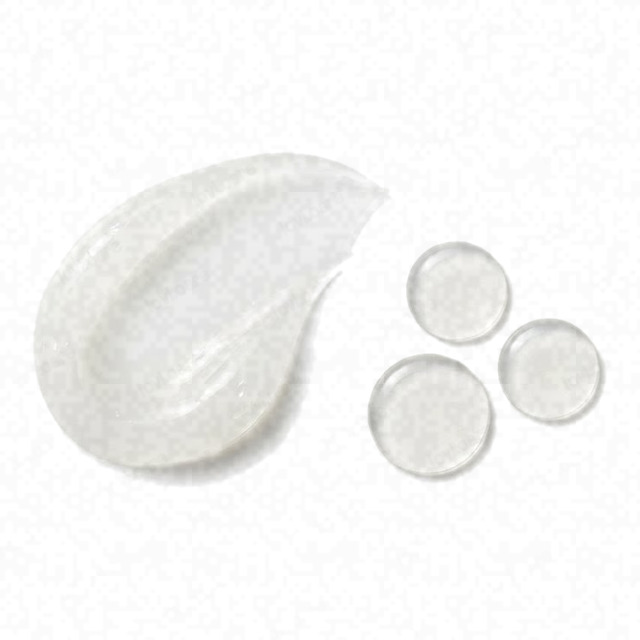 Non-Medicated Hydrocolloid
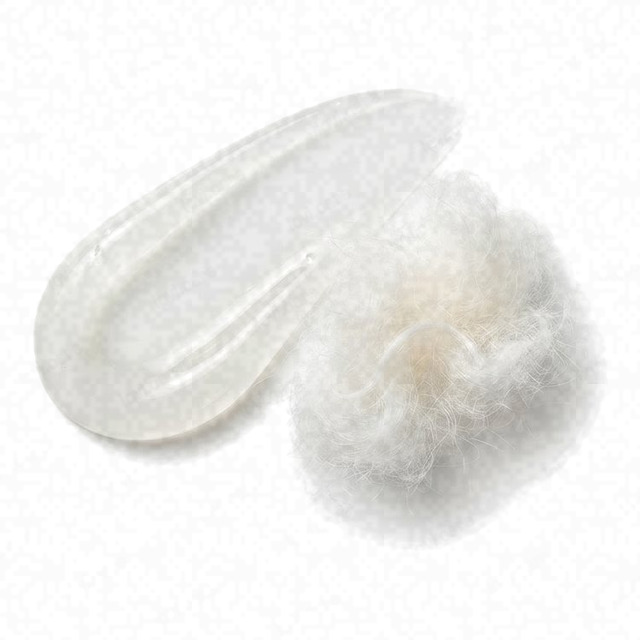 Carboxymethylcellulose Sodium Salt
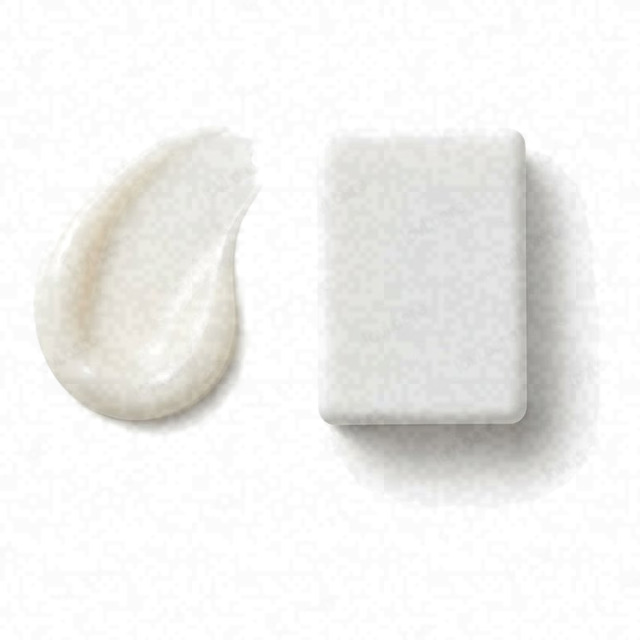 Synthetic Rubber
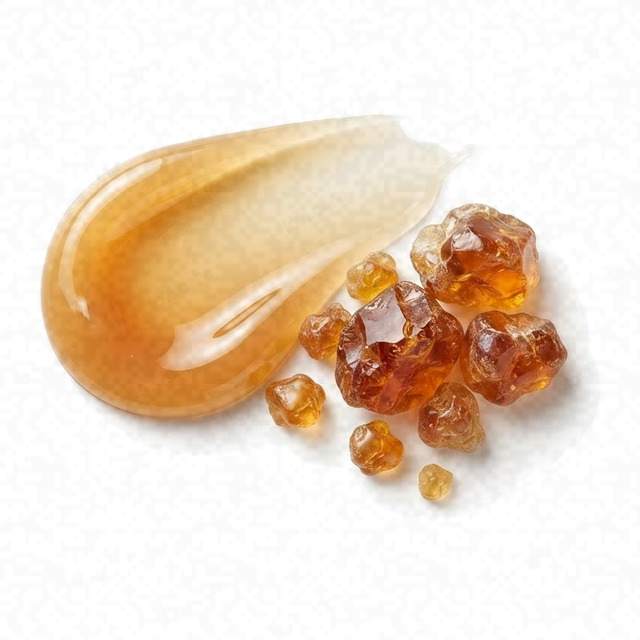 Hydrocarbon Resin
Low
- HighCombination Skin Fit
- AverageEffectiveness
- ConcerningSafety
A weak match for acne-prone skin; the serums alongside fit it better.
This fit is calculated for the concerns frequently associated with acne-prone skin: breakouts, blackheads, and post-acne marks. For scores and recommendations based on your full skin profile, including your 12D face scan results and any goals or preferences you have, please use the Lovi app.
Page built Nov 8, 2026How the Fit score works
Lovi Assistant explains
- Offers moderate pore decongestion for your combination skin due to sodium carboxymethylcellulose, but the inclusion of N-Dimethylformamide and Toluene poses significant risks of worsening your acne and blemishes.
- While ingredients like N-Dimethylformamide and Methylethylketone offer keratolytic action, their presence alongside Toluene is concerning for acne-prone skin.
How to apply
- Use your serum as part of your PM routine and start 3x/week before working up to daily use.
- Apply this treatment after cleansing and toner, and before your moisturizer.
- Gently press 2-3 drops of the serum into your skin and let it absorb for a minute.
- Apply the product on clean, dry skin to help manage your breakouts safely.
- Avoid the eye area and do a patch test before your first use.
People Say
★4.2Overall rating based on 600+ reviewsUsers with oily and acne-prone skin frequently report that these patches effectively absorb excess oil and impurities, clearing pores and reducing blemishes without irritation. While most users experience smoother, less oily skin, some note inconsistent results regarding pore size reduction and that the patches may not work for every skin type.
Highlights
Effective oil absorption Mostly Mentioned
- “Visibly see the oil they soaked up”
- “skin had less shine”
- “significantly decreased oiliness”
Affordable price Often Mentioned
- “Much cheaper than name brand”
- “great value”
- “price point makes them perfect”
Gentle on skin Often Mentioned
- “Not painful to remove”
- “no irritation”
- “without the dryness of other brands”
Easy to use Sometimes Noted
- “Super easy to apply”
- “stayed in place”
- “sturdy and stayed on all night”
Inconsistent results Sometimes Noted
- “Didn't see a change in my pores”
- “limited results in reducing pore size”
Small patch size Sometimes Noted
- “Wish it was a little bit bigger”
- “have to use 2 since these are tiny”
Plastic smell Rarely Noted
- “Distinct plastic smell”
- “off-putting”
Specific wear time Rarely Noted
- “Odd amount of time to keep them applied”
- “not meant to keep on longer”
Sources: lovi.care, walmart.com, hanhoousa.com, target.com, and more
Questions and answers
Why is the Hanhoo T-Zone Pore Patch a weak match for acne-prone skin?
This treatment is a weak match for your acne-prone skin because, although it offers some pore decongestion, it contains toluene and N-Dimethylformamide which carry significant risks of worsening blemishes and causing irritation. Acne-prone skin needs a treatment that is highly effective for targeting blemishes without harmful or irritating ingredients, while also maintaining skin balance and hydration.
Which ingredients make this patch a poor fit for acne-prone skin?
This patch is a weak match for your acne-prone skin mainly because it contains N-Dimethylformamide and toluene, which pose significant risks of worsening your blemishes and causing irritation. Treatments that are a better fit for this skin need ingredients that effectively treat acne and absorb excess oil without including harsh solvents that can trigger flare-ups.
What does Hydrocolloid do for acne-prone skin?
Hydrocolloid helps calm breakouts, reduce redness, and absorb excess oil on acne-prone skin. It creates a protective barrier over spots to keep them clean while they heal.
Journal of Cosmetic Science, 2006Journal of Clinical Medicine, 2025
What does Sodium Carboxymethylcellulose do for acne-prone skin?
Sodium carboxymethylcellulose helps bind formulas and hold moisture on the skin without clogging pores, keeping dry areas comfortable. Because this type of product is an average fit for acne-prone skin, it needs added soothing ingredients and lightweight hydrators to keep breakouts calm.
Where does this patch go in a skincare routine for acne-prone skin?
This patch is a weak match for your acne-prone skin because certain ingredients in its formula may worsen breakouts and blemishes. Acne-prone skin needs treatment products containing soothing and gentle clarifying ingredients that help clear pores without harsh chemicals.
Can I use it with salicylic acid, and in what order?
This product is a weak match for your acne-prone skin, so using it with salicylic acid may increase the likelihood of irritation and breakouts. To safely care for acne-prone skin, a treatment of this type needs gentle pore-clearing ingredients and soothing agents that calm redness without harsh solvents.
How often should I use this patch?
This patch is not a great match for your acne-prone skin because certain ingredients like toluene may worsen breakouts and cause irritation. An acne-prone skin needs products with gentle pore-clearing ingredients that do not carry significant risks of irritation.
Can it clog pores, cause breakouts or purging for acne-prone skin?
Yes, this patch may worsen breakouts on your acne-prone skin because it contains ingredients like toluene that pose significant risks of irritation. Acne-prone skin needs products with gentle, non-irritating ingredients that unclog pores without harsh solvents or chemicals.
Is this patch fragrance-free and alcohol-free?
Yes, it has no fragrance and no drying alcohol.
What the research says
Concurrent application of SLS and toluene induced stronger skin reactions than single irritants in 20 volunteers, while a protective cream showed significant protective effects against SLS/SLS and SLS/toluene treatment combinations.
Acta Dermato-venereologica, 2002Using a tandem repeated irritation test in healthy volunteers, a potentiation of skin irritation was demonstrated for combinations of irritants including sodium lauryl sulfate with toluene, mechanical stress, or hot airflow, and a protective cream proved effective against SLS and toluene.
Current Problems in Dermatology, 2007Daily application of hydrocolloid dressing completely prevented nasogastric tube-related pressure injuries, whereas skin care interventions showed no significant preventive effect compared to the control group in intensive care unit patients.
Journal of Tissue Viability, 2024Hydration of scars for 2 months resulted in significantly reduced itching, somewhat reduced pain, and increased pliability by 10% for both hydrocolloid dressing and moisturizer treatments in patients with keloids or hypertrophic scars, with no change in physical parameters.
Dermatologic Surgery, 1996Adjunctive hydrocolloid dressing with 0.1% mometasone furoate cream significantly increased treatment efficacy and cost-effectiveness compared to topical steroid alone in patients with moderate to severe lichen simplex chronicus.
Skin Health and Disease, 2023Biocellulose and carboxymethyl cellulose wound dressings significantly reduced healing times and wound areas compared to normal saline dressings in epidermolysis bullosa skin wounds.
Journal of Wound Care, 2019Cross-linked carboxymethyl cellulose hydrogel provided excellent correction of facial defects, high tolerance, and absence of side effects or migration issues in 84 healthy volunteers.
Clinical Interventions in Aging, 2010Polymeric bioadhesive microparticles composed of sodium carboxymethyl cellulose and Soluplus and loaded with 18beta-glycyrrhetinic acid form an in situ hydrogel upon contact with wound exudate, enabling controlled drug release that stimulates keratinocyte growth.
International Journal of Pharmaceutics, 2021
Ingredients
Synthetic Rubber, Plasticizer, Hydrocarbon Resin, Carboxymethylcellulose Sodium Salt, Polyurethane, N-Dimethylformamide, Methylethylketone, Toluene
Behind this fit score
Lovi calculates every fit score from the full ingredient list with brand-independent rules our dermatologists and cosmetic chemists build and review, and personalizes every pick with AI trained on the real results of millions of users. Lovi trains its fit score models on a proprietary dataset built from more than 10,000 expert-labeled products and more than 100,000 simulated examples, following an internally consistent methodology presented at Cosmoprof, AMWC, and Skin of Color Update.
-

Co-founder, Medical Director
Cosmetic chemist, cosmetologist, aesthetic products developer
-

Co-founder, CEO and CTO
PhD in computer science, 3x US patent holder, ex-Google, ex-Yandex
-

Dr. Sofía Perea Pérez, MD, MSc
Medical Board
Aesthetic medicine practitioner, MSc in Longevity and Anti-Aging Medicine
-

Medical Board
Specialist dermatologist, MBBS, MD, IFAAD
-

Medical Board
Cosmetic chemist, SCS, IFSCC member
-

Medical Board, Medical Advisor
Dermatology MD
-

Elina Nazarenko, MD
Medical Board
Dermatology and diagnostic consultant
-

Victoria Derkova, MS
Medical Board
Cosmetic chemist, cosmetic development technologist


How does it fit your skin?
Scan your face, then any product: Lovi shows how well it fits you and what fits even better.