Eucerin Urea Repair Face Cream for combination skin

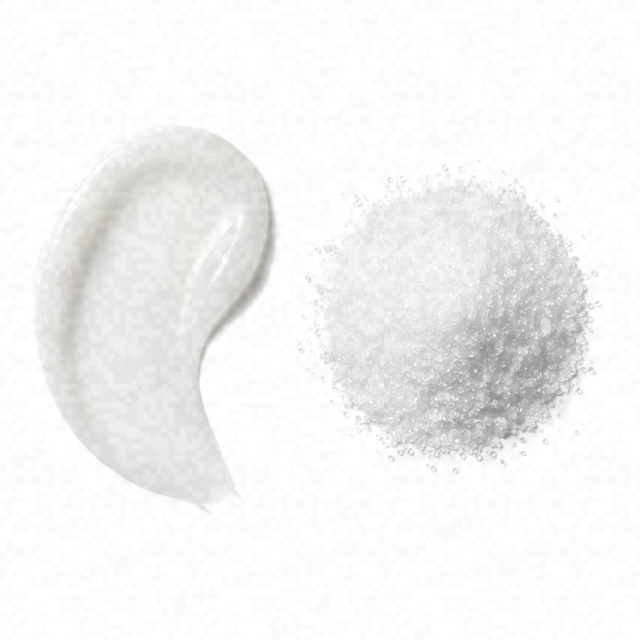 Urea
 Glycerin
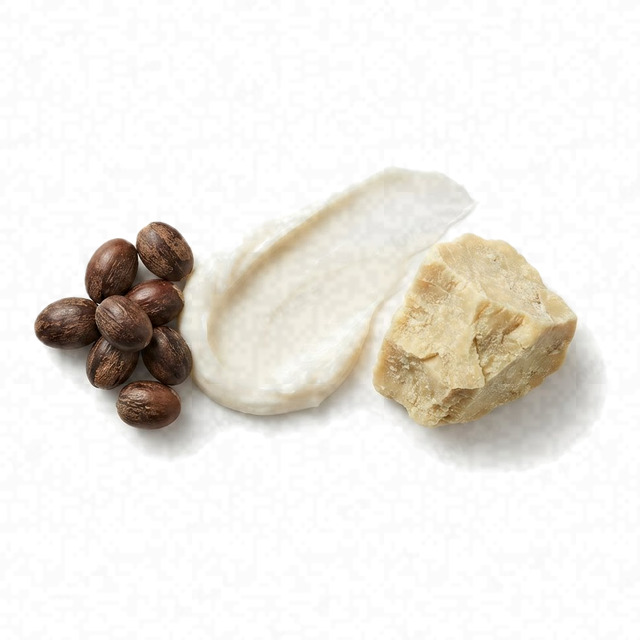 Butyrospermum Parkii Butter
Low
- LowCombination Skin Fit
- AverageEffectiveness
- Low RiskSafety
A weak match for combination skin; the moisturizers alongside fit it better.
- Clinical, Cosmetic and Investigational Dermatology, 2017
- American Journal of Clinical Dermatology, 2002
This fit is calculated for the concerns frequently associated with combination skin: an oily T-zone, enlarged pores, and dry cheeks. For scores and recommendations based on your full skin profile, including your 12D face scan results and any goals or preferences you have, please use the Lovi app.
Page built Nov 8, 2026How the Fit score works
Lovi Assistant explains
- Offers excellent moisturizing for your combination skin due to glycerin and urea, which hydrate and enhance barrier resilience, but the formula lacks targeted ingredients for your oily shine concerns.
- While the absence of harsh ingredients ensures good safety for your combination skin, the presence of urea and lactic acid may be too rich for your oily areas.
How to apply
- Use this moisturizer in your AM and PM routine every day to control shine. Always pair with SPF in the morning.
- Apply this moisturizer after your cleanser and toner, right before your morning SPF.
- Gently press a small amount of the moisturizer into your skin and avoid harsh rubbing. Let it ⏳absorb for a minute.
- Apply the moisturizer on slightly damp skin to help it lock in moisture better. This keeps your combination skin balanced.
- Avoid the eye area when applying the moisturizer. Do a patch test before your first use.
Questions and answers
Why is Eucerin Urea Repair Face Cream a weak match for combination skin?
This moisturizer is a weak match because it lacks targeted ingredients to help reduce oily shine, and its rich ingredients may feel too heavy for your oily areas. A moisturizer for combination skin needs to provide hydration while managing excess oil, using brightening ingredients, soothing agents, and peptides without causing irritation.
Which ingredients make this cream a poor fit for combination skin?
Urea and lactic acid may feel too rich for your oily areas and the formula lacks targeted ingredients for your oily shine concerns. A moisturizer of this type needs effective brightening ingredients, soothing agents, and antioxidants that target hydration and brightness while reducing oily shine.
What does Urea do for combination skin?
Urea is a poor fit for combination skin because it is designed for very dry, scaly skin and may overwhelm oily areas. Combination skin needs lighter, balancing hydrators and gentle exfoliants that provide moisture without feeling heavy.
What does Glycerin do for combination skin?
Glycerin helps keep combination skin soft and smooth by pulling moisture in and keeping it there. It improves hydration and supports your skin barrier, which is unlikely to cause irritation.
The British Journal of Dermatology, 2008Clinical, Cosmetic and Investigational Dermatology, 2017
Where does this cream go in a skincare routine for combination skin?
This cream goes toward the end of your morning and evening routines, right before sunscreen in the morning and as your final step at night. Because it is a weak match for combination skin and may be too rich for oily areas, this skin type needs a lightweight, balancing moisturizer with oil-controlling ingredients.
Can I use this cream with retinol, and in what order?
You can use this cream with retinol by applying the retinol first and then following with this moisturizer. A moisturizer of this type helps keep your skin soft and comfortable, and using it alongside retinol is unlikely to cause irritation while helping your skin adjust to the treatment.
How often should I use this cream?
You can use this cream twice a day as part of your morning and evening routine, though the rich ingredients may feel too heavy on oily areas of combination skin. A combination skin moisturizer of this type needs lightweight hydrators and balancing ingredients to control shine while keeping dry areas soft and smooth.
Journal of Cosmetic Dermatology, 2020Skin Pharmacology and Physiology, 2026
Can this cream clog pores, cause breakouts or purging for combination skin?
This cream is unlikely to cause purging since it does not contain active ingredients that speed up cell turnover, but its rich ingredients like shea butter and urea may feel too heavy for the oily areas of combination skin and could potentially lead to clogged pores or breakouts. To better suit combination skin, a product of this type needs lightweight hydrators and oil-balancing ingredients that keep dry areas soft without adding extra shine.
Can I use this cream around the eyes or on my body?
This cream is generally safe to use around the eyes and on the body, though the thin skin around the eyes requires lightweight hydration while body skin often benefits from richer moisturizers. Because the skin on the eyelids is much thinner than on other areas, a product of this type needs a gentle, lightweight formula that absorbs easily without feeling heavy.
Is this cream fragrance-free and alcohol-free?
Yes, it has no fragrance and no drying alcohol. Cetyl alcohol is a fatty alcohol, which soften the skin.
What the research says
A single application of a moisturizing fluid containing hyaluronic acid 1%, glycerin 5%, and Centella asiatica stem cells extract significantly increased skin hydration by 29% and reduced transepidermal water loss at 24 hours compared to baseline and an untreated control site in twenty healthy women.
Clinical, Cosmetic and Investigational Dermatology, 2017Topical 40% urea cream achieved improvement in less time and showed superiority over 12% ammonium lactate lotion in skin roughness, fissure reduction, thickness, and dryness at day 14 in patients treated for moderate to severe xerosis.
American Journal of Clinical Dermatology, 2002Topical treatment with K101 achieved a significantly higher mycological cure rate compared to placebo in patients with ≤50% nail involvement (27.2% vs 10.4%), while showing early visible improvements in nail appearance and no safety issues.
Mycoses, 2012The emollient V0034CR significantly reduced TEWL compared to vehicle and vehicle plus glycerol, and significantly increased corneometry scores compared to vehicle and vehicle plus petrolatum in healthy volunteers with dry skin, demonstrating combined barrier function improvement from petrolatum and hydration improvement from glycerol.
Journal of Cosmetic Dermatology, 2020Ten days of treatment with a cream containing 20% glycerin significantly increased skin hydration measured by corneometer values in 17 healthy volunteers compared to a placebo cream, but showed no influence on transepidermal water loss or skin sensitivity to an irritating surfactant.
International Journal of Cosmetic Science, 2001Niacinamide/glycerin body moisturizers provided better rapid and prolonged improvement of cosmetic xerosis through functional improvement of stratum corneum barrier function compared to no treatment and conventional moisturizers in female subjects.
Journal of Drugs in Dermatology, 2012A combination cream of stimu-tex AS and saccharide isomerate reduced erythema, increased skin capacitance, and reduced transepidermal water loss compared to placebo in 20 subjects after fractional CO2 laser procedure without causing serious adverse events.
Lasers in Medical Science, 2025A skin barrier restoring cream with shea butter, silkflo, and vitamin E increased type I procollagen synthesis, enhanced antioxidant enzyme activity, decreased reactive oxygen species generation, and promoted hyaluronic acid production in H2O2-stimulated human keratinocyte cells compared to untreated cells.
International Journal of Cosmetic Science, 2025
Ingredients
Water, Glycerin, Urea, Butyrospermum Parkii Butter, Caprylic Capric Triglyceride, Cetyl Alcohol, Glyceryl Stearate, Dimethicone, Sodium Lactate, Arginine Hcl, Lactic Acid, Sodium Pca, Sodium Chloride, Sodium Cetearyl Sulfate, Phenoxyethanol, Ethylhexylglycerin
Behind this fit score
Lovi calculates every fit score from the full ingredient list with brand-independent rules our dermatologists and cosmetic chemists build and review, and personalizes every pick with AI trained on the real results of millions of users. Lovi trains its fit score models on a proprietary dataset built from more than 10,000 expert-labeled products and more than 100,000 simulated examples, following an internally consistent methodology presented at Cosmoprof, AMWC, and Skin of Color Update.
-

Co-founder, Medical Director
Cosmetic chemist, cosmetologist, aesthetic products developer
-

Co-founder, CEO and CTO
PhD in computer science, 3x US patent holder, ex-Google, ex-Yandex
-

Dr. Sofía Perea Pérez, MD, MSc
Medical Board
Aesthetic medicine practitioner, MSc in Longevity and Anti-Aging Medicine
-

Medical Board
Specialist dermatologist, MBBS, MD, IFAAD
-

Medical Board
Cosmetic chemist, SCS, IFSCC member
-

Medical Board, Medical Advisor
Dermatology MD
-

Elina Nazarenko, MD
Medical Board
Dermatology and diagnostic consultant
-

Victoria Derkova, MS
Medical Board
Cosmetic chemist, cosmetic development technologist


How does it fit your skin?
Scan your face, then any product: Lovi shows how well it fits you and what fits even better.