Clindamycin Phosphate Topical Solution for dry skin

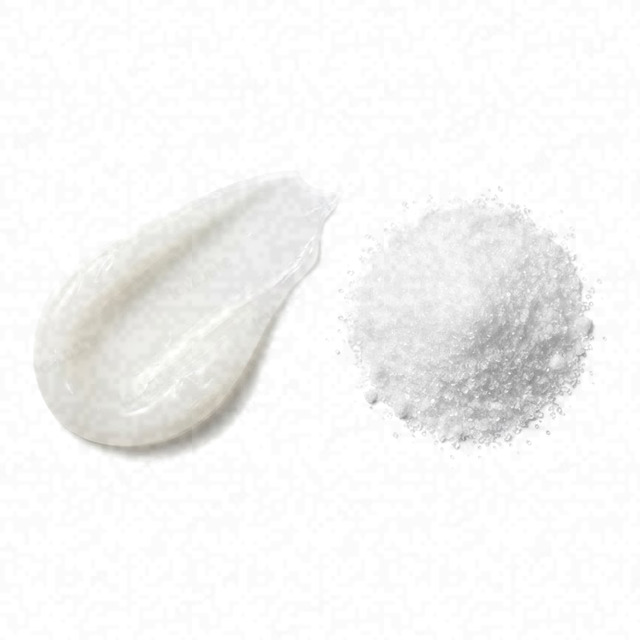 Clindamycin Phosphate
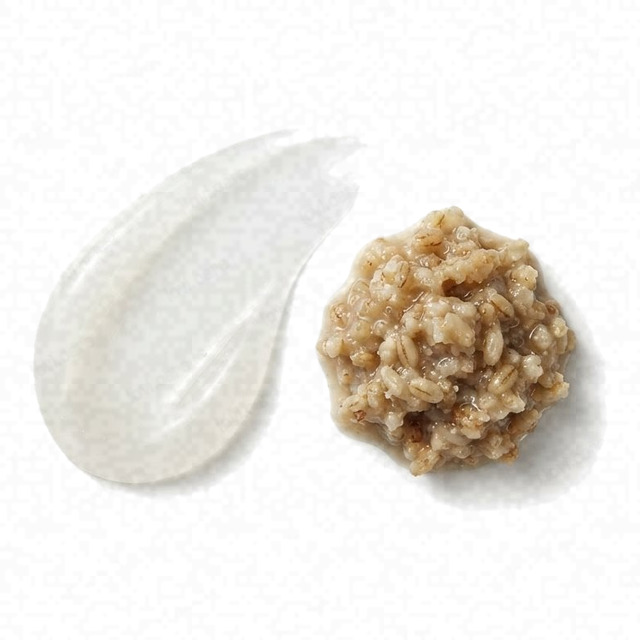 Ethanol
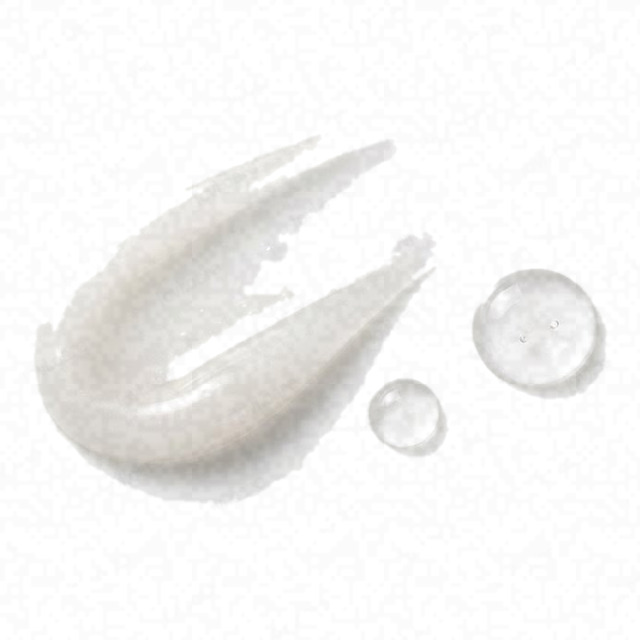 Propylene Glycol
Caution
- CautionDry Skin Fit
- AverageEffectiveness
- RiskySafety
A poor match for dry skin; the serums alongside fit it better.
This fit is calculated for the concerns frequently associated with dry skin: flakiness, tightness, dehydration, fine lines, and wrinkles. For scores and recommendations based on your full skin profile, including your 12D face scan results and any goals or preferences you have, please use the Lovi app.
Page built Nov 8, 2026How the Fit score works
Lovi Assistant explains
- Offers moderate treatment for acne lesions due to clindamycin phosphate, but is unsuitable for your dry skin because isopropyl alcohol and propylene glycol can cause dryness and irritation.
- The formulation lacks humectant and emollient ingredients to support your skin barrier, and the moderate exfoliation it provides may be too drying.
How to apply
- Apply this serum PM, starting 3×/week and working up to daily use as your skin adjusts.
- Place the serum after cleansing and toner, but right before your moisturizer.
- Gently press 2-3 drops of the serum into your skin and let it absorb for a minute.
- Apply the serum on slightly damp skin to help lock in extra moisture.
- Avoid the eye area and do a patch test before your first use.
People Say
★3.5Overall rating based on 400+ reviewsUsers report this solution is effective for mild to moderate acne, with many experiencing significant clearing of inflammation and pustules, leading to long-term clear skin. However, a number of users note an initial purging phase or severe dryness before seeing results.
Highlights
Effective acne clearance Often Mentioned
- “cleared my cystic acne completely”
- “bumps gone in a week”
- “skin hasn't been this clear in years”
- “miracle for adult acne”
Excessive dryness Often Mentioned
- “face peeled like a sunburn”
- “extremely dry and flaky”
- “dried out my skin barrier”
- “skin felt tight and cracked”
Fast acting results Sometimes Noted
- “swelling went down overnight”
- “saw results in 3 days”
- “significant improvement within a week”
- “redness faded immediately”
Works in combination Sometimes Noted
- “perfect combo with benzoyl peroxide”
- “derm prescribed with tretinoin”
- “works great alongside my night cream”
- “boosts my other acne meds”
Burning sensation Sometimes Noted
- “burns like heck”
- “stings when applied”
- “felt like a chemical burn”
- “intense burning sensation”
Initial worsening Sometimes Noted
- “acne tripled in the first week”
- “got worse before it got better”
- “broke out in a rash initially”
- “caused more bumps at first”
Easy to apply Rarely Noted
- “easy to dab on spots”
- “roll-on applicator is convenient”
- “liquid absorbs quickly”
- “doesn't leave a mess”
Effectiveness wears off Rarely Noted
- “stopped working after 3 months”
- “skin got used to it”
- “great at first but effect faded”
- “acne came back after a while”
Sources: lovi.care, drugs.com, webmd.com, and more
Questions and answers
Why does Lovi advise caution with Clindamycin Topical Solution for dry skin?
Lovi advises caution because isopropyl alcohol and propylene glycol can cause dryness and irritation on dry skin. This treatment lacks soothing and moisturizing ingredients to support your skin barrier, meaning a product of this type needs nourishing hydrators like ceramides, niacinamide, and propolis to properly care for dry skin.
Which ingredients make it a poor fit for dry skin?
Isopropyl alcohol and propylene glycol make this a poor fit because they can cause dryness and irritation on dry skin. This product needs ingredients that provide significant hydration and support the skin barrier, such as soothing agents, ceramides, peptides, and niacinamide.
What does Clindamycin Phosphate do for dry skin?
Clindamycin phosphate is not meant for dry skin and is unlikely to help it, as acne treatments of this type tend to cause dryness and peeling. To care for dry skin while treating acne, a product needs gentle cleansers and soothing moisturizers with ceramides to protect the skin barrier and prevent irritation.
Journal of Drugs in Dermatology, 2011Journal of Cosmetic Dermatology, 2023
What does Alcohol do for dry skin?
Alcohol may cause skin dryness and affect skin barrier integrity when used in certain ways, though some formulas are well tolerated. For dry skin, a product of this type needs added nourishing oils and hydrating ingredients to keep the skin soft and smooth.
Where does it go in a skincare routine for dry skin?
This treatment goes in the evening routine for dry skin, applied after cleansing and before moisturizing. Because it contains alcohol that may cause dryness and irritation, a product of this type for dry skin needs gentle ingredients that add moisture and protect the skin barrier.
Can I use it with benzoyl peroxide, and in what order?
You should use clindamycin and benzoyl peroxide with caution on dry skin because this product contains alcohols that may dry and irritate your skin further. A treatment of this type needs soothing and moisturizing ingredients like ceramides and hyaluronic acid to support your skin barrier.
How often should I use it?
You should use this treatment in the evening as part of your routine. Because this product contains ingredients that can cause dryness and irritation, a product of this type for dry skin needs gentle ingredients that add moisture and support the skin barrier.
Can it clog pores, cause breakouts or purging for dry skin?
This treatment is unlikely to clog pores, but it can cause breakouts or extra dryness and irritation on dry skin because it contains alcohol and propylene glycol. A product of this type needs soothing, hydrating ingredients like glycerin or hyaluronic acid to protect dry skin.
What the research says
Clindamycin-BPO 2.5% aqueous gel applied once daily provided statistically significant greater efficacy than individual active ingredients and vehicle in reducing inflammatory and noninflammatory lesions and acne severity in 2813 patients with moderate to severe acne vulgaris.
Journal of the American Academy of Dermatology, 2008Once-daily fixed-dose clindamycin phosphate 1.2%/benzoyl peroxide 3.1%/adapalene 0.15% gel achieved superior treatment success (52.5%) and greater reductions in inflammatory and noninflammatory lesions compared to vehicle (8.1%) and dyad component gels in participants with moderate-to-severe acne over 12 weeks.
American Journal of Clinical Dermatology, 2022Topical clindamycin phosphate 1.2%/adapalene 0.15%/benzoyl peroxide 3.1% gel achieved significantly greater treatment success and lesion reductions compared to vehicle in participants with moderate-to-severe acne.
Journal of the American Academy of Dermatology, 2023Ethanol enhances skin lipid bilayer permeability through the dual actions of lipid extraction and increasing lipid chain mobility, driven by its superior ability to form hydrogen bonds with lipid headgroups.
RSC Advances, 2020Topical 4% nicotinamide and 1% clindamycin gels showed similar overall efficacy in reducing acne grade in patients with moderate inflammatory facial acne vulgaris over 8 weeks, with nicotinamide being more effective for oily skin and clindamycin for non-oily skin.
International Journal of Dermatology, 2013The incidence of gastrointestinal adverse events and colitis in patients exposed to topical clindamycin for acne vulgaris is extremely low across pharmacovigilance, retrospective, and clinical trial data.
The Journal of Dermatological Treatment, 2024Once-daily benzoyl peroxide 3% and clindamycin 1% gel demonstrated a significantly greater reduction in inflammatory lesions compared to twice-daily azelaic acid 20% cream in patients with mild-to-moderate acne vulgaris.
Journal of the European Academy of Dermatology and Venereology, 2016Topical cyproterone acetate alcohol lotion at 0.5% and 1% reduced total acne lesions and acne severity index significantly more than placebo in female patients with mild to moderate acne vulgaris.
Dermatology Online Journal, 2006Topical patchouli alcohol significantly accelerated the recovery of UV-induced skin lesions in mice through antioxidant and anti-inflammatory actions and down-regulation of MMP-1 and MMP-3 expression compared to vehicle.
European Journal of Pharmaceutical Sciences, 2014Treatment with a combination of propylene glycol, ethanol, water, and shampoo was found effective, easy to use, and cosmetically attractive with no observed side effects in patients with dandruff.
Cutis, 1988A moisturizer containing glycerol and propylene glycol reduced transepidermal water loss, decreased epidermal thickness, increased stratum corneum thickness, and reduced dermal inflammatory infiltrate compared to untreated disrupted skin in six healthy beagle dogs.
Veterinary Dermatology, 2020
Ingredients
Clindamycin Phosphate, Isopropyl Alcohol, Propylene Glycol, Water
Behind this fit score
Lovi calculates every fit score from the full ingredient list with brand-independent rules our dermatologists and cosmetic chemists build and review, and personalizes every pick with AI trained on the real results of millions of users. Lovi trains its fit score models on a proprietary dataset built from more than 10,000 expert-labeled products and more than 100,000 simulated examples, following an internally consistent methodology presented at Cosmoprof, AMWC, and Skin of Color Update.
-

Co-founder, Medical Director
Cosmetic chemist, cosmetologist, aesthetic products developer
-

Co-founder, CEO and CTO
PhD in computer science, 3x US patent holder, ex-Google, ex-Yandex
-

Dr. Sofía Perea Pérez, MD, MSc
Medical Board
Aesthetic medicine practitioner, MSc in Longevity and Anti-Aging Medicine
-

Medical Board
Specialist dermatologist, MBBS, MD, IFAAD
-

Medical Board
Cosmetic chemist, SCS, IFSCC member
-

Medical Board, Medical Advisor
Dermatology MD
-

Elina Nazarenko, MD
Medical Board
Dermatology and diagnostic consultant
-

Victoria Derkova, MS
Medical Board
Cosmetic chemist, cosmetic development technologist


How does it fit your skin?
Scan your face, then any product: Lovi shows how well it fits you and what fits even better.