Bioderma Sébium H2O for acne-prone skin

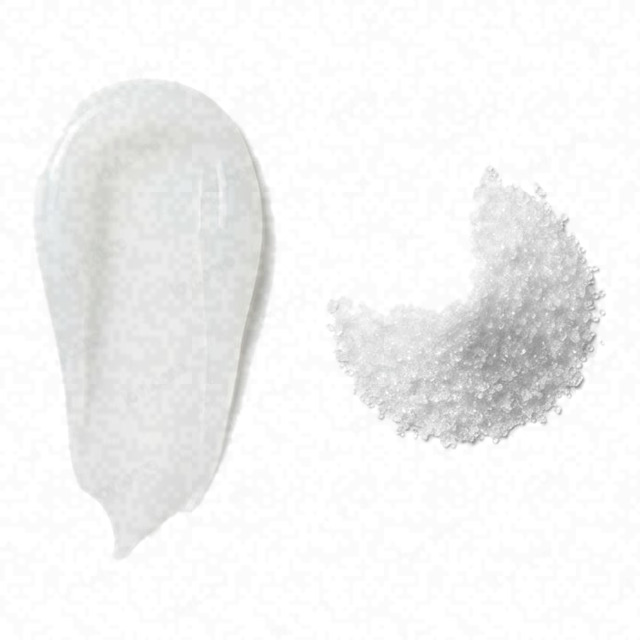 Zinc Gluconate
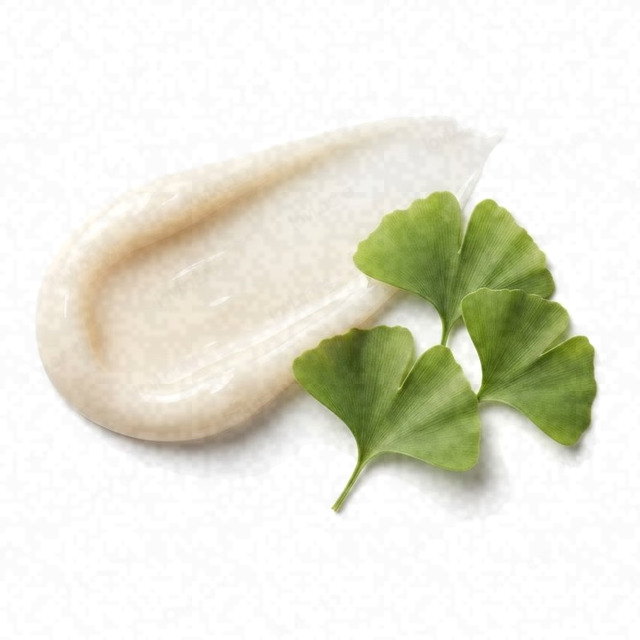 Ginkgo Biloba Leaf Extract
 Peg-6 Caprylic Capric Glycerides
 Fluidactiv Patent
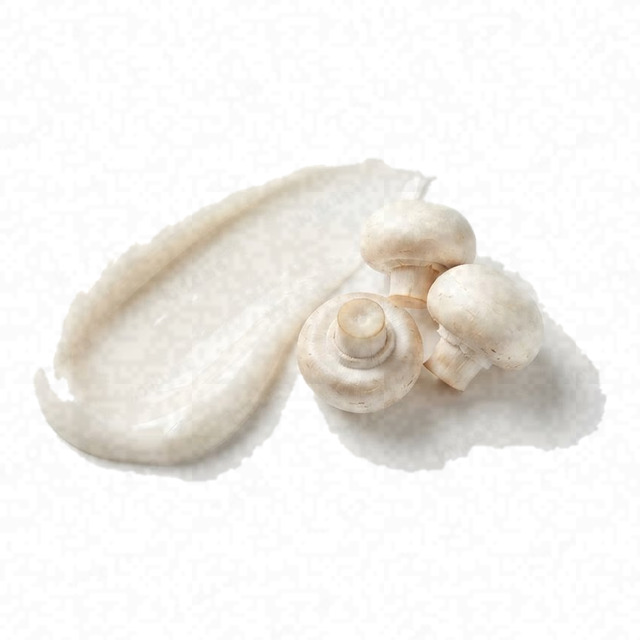 Mannitol
Average
- AverageCombination Skin Fit
- HighEffectiveness
- Low RiskSafety
Works for acne-prone skin; other products fit it better.
This fit is calculated for the concerns frequently associated with acne-prone skin: breakouts, blackheads, and post-acne marks. For scores and recommendations based on your full skin profile, including your 12D face scan results and any goals or preferences you have, please use the Lovi app.
Page built Nov 8, 2026How the Fit score works
Lovi Assistant explains
- Offers moderate suitability for your combination skin, as zinc gluconate and copper sulfate help decongest oily pores and regulate sebum, but it lacks sufficient humectants for drier areas.
- Ginkgo biloba leaf extract provides antioxidant benefits, which are relevant for your acne and blemishes by helping to reduce inflammation.
- The product is generally safe for your skin, though the inclusion of fragrance carries a slight risk of irritation.
How to apply
- Use your micellar water in both your AM and PM routines daily. Always pair it with SPF in the morning to protect clear skin.
- Apply the micellar water as your pre-cleanser step before your regular cleanser and toner.
- Pour onto a cotton pad and gently swipe across your face to remove impurities without harsh rubbing.
- Apply the micellar water on completely dry skin to effectively target blemishes and breakouts.
- Do a patch test before first use and avoid getting the product directly into your eyes.
People Say
★4.6Overall rating based on 800+ reviewsUsers with combination, oily, and acne-prone skin highly recommend this micellar water for its ability to effectively remove makeup and excess sebum without stripping the moisture barrier. Many reviewers note that it helps regulate oil production and prevents breakouts, leaving the skin feeling fresh and balanced rather than tight or dry.
Highlights
Effective oil control Mostly Mentioned
- “Helps control excess oil”
- “keeps my T-zone matte”
- “regulates sebum well”
Gentle and non-stripping Often Mentioned
- “Skin feels clean but not tight”
- “doesn't strip my skin”
- “gentle enough for daily use”
Thorough cleansing Often Mentioned
- “Removes sunscreen effortlessly”
- “takes off all foundation”
- “leaves no residue”
Helps clear acne Sometimes Noted
- “Helps with my millia”
- “keeps breakouts at bay”
- “clears clogged pores”
Price point Sometimes Noted
- “Price is a little steep”
- “expensive for a water”
- “good but pricey”
Waterproof makeup removal Sometimes Noted
- “Won't budge waterproof mascara”
- “struggles with heavy eye makeup”
- “need a separate eye remover”
Contains fragrance Rarely Noted
- “Has a cucumber scent”
- “wish it was fragrance-free”
- “smell is a bit strong”
Slightly drying Rarely Noted
- “Left my cheeks dry”
- “a bit drying in winter”
- “better for summer use”
Sources: lovi.care, ulta.com, boots.com, dermstore.com, walgreens.com, target.com, and more
Questions and answers
How well does Bioderma Sébium H2O work for acne-prone skin?
Bioderma Sébium H2O works moderately well for acne-prone skin because zinc gluconate and copper sulfate help clear oily pores, though it lacks enough hydrating ingredients for drier areas. A product of this type needs soothing properties, gentle cleansing agents, and hydrating ingredients like glycerin or plant oils to keep this skin balanced and calm without over-drying.
Clinical, Cosmetic and Investigational Dermatology, 2023Journal of Cosmetic Dermatology, 2026
Which ingredients make this cleanser a good fit for acne-prone skin?
Zinc gluconate and copper sulfate help clear oily pores and control oil, while ginkgo biloba leaf extract helps calm inflammation for acne-prone skin. To fit this skin even better, a cleanser of this type needs nourishing oils and plant extracts that hydrate dry areas without irritating oily zones.
Clinical, Cosmetic and Investigational Dermatology, 2023Journal of Cosmetic Dermatology, 2026
What does Zinc Gluconate do for acne-prone skin?
Zinc gluconate helps calm red, angry blemishes and supports skin healing in acne-prone skin. It is unlikely to irritate and may help reduce breakouts and bacterial resistance when used consistently.
Journal of Cosmetic Dermatology, 2026European Journal of Dermatology, 2005
What does Ginkgo Biloba Leaf Extract do for acne-prone skin?
Ginkgo Biloba leaf extract helps acne-prone skin by calming redness and reducing inflammation. It is unlikely to cause irritation and may help protect the skin against everyday oxidative stress.
Archives of Dermatological Research, 2010Journal of Ethnopharmacology, 2022
Where does it go in a skincare routine for acne-prone skin?
Bioderma Sébium H2O is used in the evening as a makeup remover before cleansing your skin. While zinc gluconate and copper sulfate help clear oily pores, this micellar water lacks enough hydrating ingredients for drier areas, so acne-prone skin of this type needs added gentle hydrators to keep drier zones comfortable.
Clinical, Cosmetic and Investigational Dermatology, 2023Clinical, Cosmetic and Investigational Dermatology, 2015
Can I use this cleanser with retinol, and in what order?
You can use this micellar water as a makeup remover in your evening routine before applying your cleanser and retinol treatment. It helps clear oily pores and calm blemishes, though a product of this type for acne-prone skin also needs enough hydrating ingredients to keep drier areas comfortable.
Clinical, Cosmetic and Investigational Dermatology, 2023Journal of Cosmetic Dermatology, 2026
How often should I use it?
This micellar water works as a makeup remover in your evening routine for acne-prone skin. Because it lacks sufficient hydrators for drier areas, this type of skin needs soothing hydrators and gentle moisturizers to keep dry spots comfortable.
Clinical, Cosmetic and Investigational Dermatology, 2015Clinical, Cosmetic and Investigational Dermatology, 2023
Can this cleanser clog pores, cause breakouts or purging for acne-prone skin?
This micellar water is unlikely to clog pores or cause breakouts because zinc gluconate and copper sulfate help clear oily pores and regulate oil. However, because it lacks enough hydrating ingredients for dry spots and contains fragrance, it may occasionally cause mild dryness or irritation on sensitive areas. Acne-prone skin of this type needs a cleanser that balances oil control with extra hydration and soothing ingredients.
Clinical, Cosmetic and Investigational Dermatology, 2023Journal of Cosmetic Dermatology, 2026
Is it fragrance-free and alcohol-free?
It has no drying alcohol and contains fragrance (parfum).
What the research says
Daily use of a deep cleansing gel containing salicylic acid 2%, zinc gluconate 0.2% and lipohydroxy acid 0.05% significantly reduced total lesion count by 56.3% after 84 days in 35 subjects with mild to moderate truncal acne.
Clinical, Cosmetic and Investigational Dermatology, 2023A dermocosmetic cream containing Punica granatum Pericarp extract, Salicylic acid, Niacinamide, Zinc gluconate, and Aqua Posae Filiformis significantly decreased inflammatory, non-inflammatory, and total lesion counts in subjects with mild to moderate acne compared to untreated hemi-faces after 15 days.
Journal of Cosmetic Dermatology, 2026A dermocosmetic containing bakuchiol, Ginkgo biloba extract, and mannitol improves inflammatory lesions, Investigator Global Assessment, and seborrhea intensity when added to adapalene 0.1% gel in patients with acne vulgaris.
Clinical, Cosmetic and Investigational Dermatology, 2015Different strains of Propionibacterium acnes modulate cutaneous innate immunity with varying pro-inflammatory potentials, with P. acnes type III showing the highest and P. avidum the weakest, and zinc gluconate down-regulates the expression of most induced immune markers.
Experimental Dermatology, 2013Zinc gluconate induced alpha2, alpha3, alphaV, and alpha6 integrins, copper gluconate induced alpha2, alpha6, and beta1, and manganese gluconate induced most studied integrins in cultured keratinocytes.
The British Journal of Dermatology, 1999Topical application of a 2% cream containing combined fruit extracts for 56 days significantly reduced wrinkle depth by 11.5%, length by 10.07%, and area by 29.55% in 21 female subjects compared to a placebo.
Clinical, Cosmetic and Investigational Dermatology, 2015Topical application of Ginkgo biloba cream for two weeks reduced wrinkles and improved skin shape, texture, and tautness in human volunteers compared to baseline.
Drug Development and Industrial Pharmacy, 2023A cosmetic formulation combining green tea and Ginkgo biloba extracts synergistically improved skin elasticity and skin barrier function in 48 volunteers compared to individual extracts.
Journal of Drugs in Dermatology, 2014Combining ectoine and mannitol with UV filters significantly improved protection of squalene oxidation, catalase activity, and trans-UCA compared to UV filters alone in 10 subjects on irradiated areas.
Journal of Cosmetic Dermatology, 2024Topical mannitol cream reduced self-reported pain scores compared to a control cream in 25 adults with capsaicin-induced lip pain.
PM & R, 2015A hyaluronic acid dermal filler containing mannitol improved nasolabial folds in 61% to 89% of Middle Eastern participants through 24 weeks, significantly decreasing wrinkle area and volume compared with baseline.
Dermatologic Surgery, 2025
Ingredients
Water, Peg-6 Caprylic Capric Glycerides, Sodium Citrate, Zinc Gluconate, Copper Sulfate, Ginkgo Biloba Leaf Extract, Mannitol, Xylitol, Rhamnose, Fructooligosaccharides, Propylene Glycol, Citric Acid, Disodium Edta, Cetrimonium Bromide, Parfum
Behind this fit score
Lovi calculates every fit score from the full ingredient list with brand-independent rules our dermatologists and cosmetic chemists build and review, and personalizes every pick with AI trained on the real results of millions of users. Lovi trains its fit score models on a proprietary dataset built from more than 10,000 expert-labeled products and more than 100,000 simulated examples, following an internally consistent methodology presented at Cosmoprof, AMWC, and Skin of Color Update.
-

Co-founder, Medical Director
Cosmetic chemist, cosmetologist, aesthetic products developer
-

Co-founder, CEO and CTO
PhD in computer science, 3x US patent holder, ex-Google, ex-Yandex
-

Dr. Sofía Perea Pérez, MD, MSc
Medical Board
Aesthetic medicine practitioner, MSc in Longevity and Anti-Aging Medicine
-

Medical Board
Specialist dermatologist, MBBS, MD, IFAAD
-

Medical Board
Cosmetic chemist, SCS, IFSCC member
-

Medical Board, Medical Advisor
Dermatology MD
-

Elina Nazarenko, MD
Medical Board
Dermatology and diagnostic consultant
-

Victoria Derkova, MS
Medical Board
Cosmetic chemist, cosmetic development technologist


How does it fit your skin?
Scan your face, then any product: Lovi shows how well it fits you and what fits even better.