Augustinus Bader The Face Oil for acne-prone skin

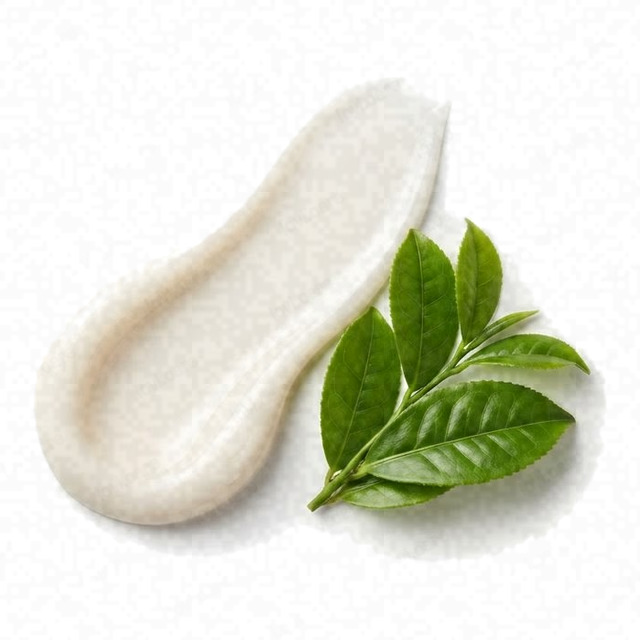 Tfc8 Trigger Factor Complex 8
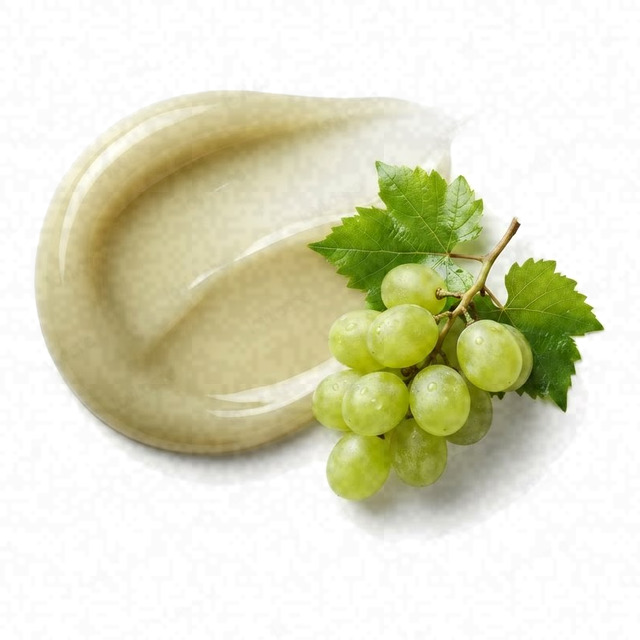 Vitis Vinifera Seed Oil Grape Seed Oil
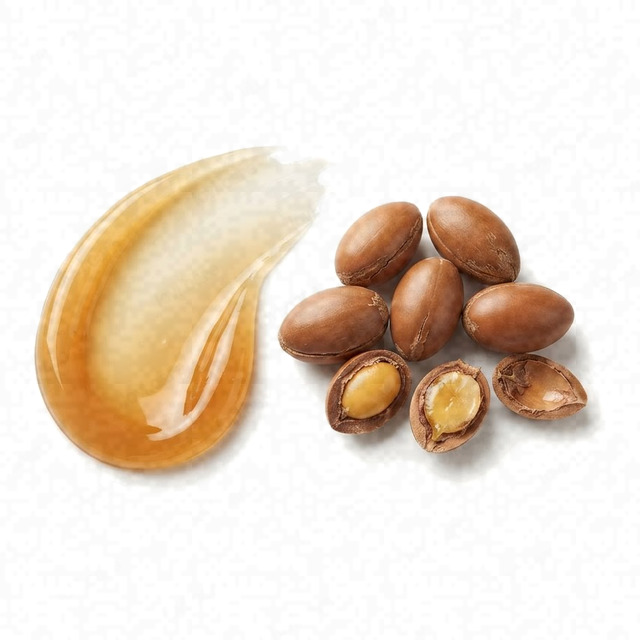 Argania Spinosa Kernel Oil
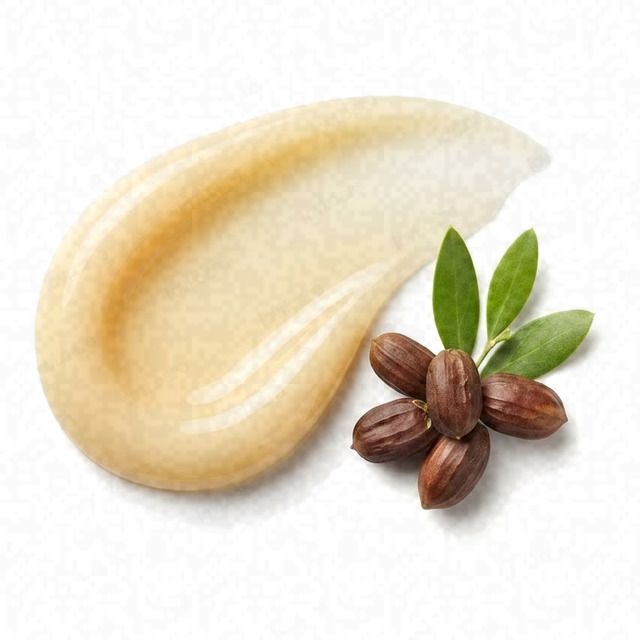 Jojoba Seed Oil
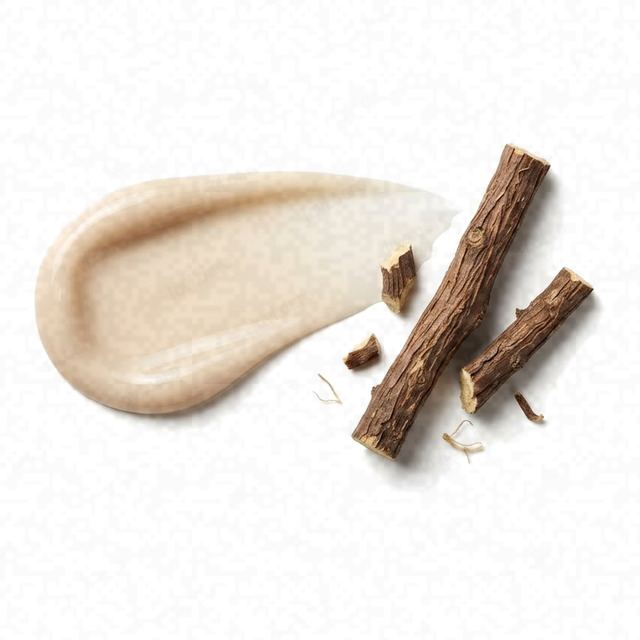 Glycyrrhiza Glabra Root Extract Licorice Root Extract
Average
- AverageCombination Skin Fit
- AverageEffectiveness
- HighSafety
Works for acne-prone skin; other moisturizers fit it better.
This fit is calculated for the concerns frequently associated with acne-prone skin: breakouts, blackheads, and post-acne marks. For scores and recommendations based on your full skin profile, including your 12D face scan results and any goals or preferences you have, please use the Lovi app.
Page built Nov 8, 2026How the Fit score works
Lovi Assistant explains
- Offers moderate suitability for your combination skin, as Vitis Vinifera Seed Oil and Argania Spinosa Kernel Oil provide emollient action, but it lacks sufficient ingredients for strong seboregulation needed for your skin type.
- The formula provides general skincare benefits like hydration and soothing with ingredients such as Bisabolol and Licorice Root Extract, which are supportive but not targeted for your acne, blemishes, and breakouts.
- The product is safe for your acne-prone skin with no risks of irritation due to the absence of prohibited or harsh ingredients.
How to apply
- Use your moisturizer twice a day in your AM and PM routines. Apply it daily to help keep breakouts under control.
- Apply after your cleanser and toner, and make sure to use your SPF right after in the morning.
- Gently spread a small amount of moisturizer over your face using soft motions. Let it absorb into the skin for a minute before getting dressed or applying makeup.
- Apply on slightly damp skin to help lock in extra moisture. This keeps your combination skin balanced without feeling heavy.
- Avoid the eye area and do a patch test before your first use. Stop using if you feel any irritation.
People Say
★4.7Overall rating based on 100+ reviewsBased on limited data, users with dry to combination skin highly praise this oil for providing a radiant glow and deep hydration without feeling heavy. Many reviewers report it visibly plumps fine lines, calms redness, and locks in moisture, often describing it as a savior for dry or compromised skin barriers. A significant number of users find the price point to be high, while a low number of users mention an unpleasant scent or experiencing breakouts.
Highlights
Hydration and glow Mostly Mentioned
- “Instantly hydrated”
- “luminous skin”
- “healthy radiant glow”
- “glass skin finish”
Lightweight texture Often Mentioned
- “Fast-absorbing”
- “melts into skin”
- “non-greasy”
- “doesn't feel heavy”
High price point Often Mentioned
- “Very expensive”
- “costly splurge”
- “pricey investment”
Improves skin texture Sometimes Noted
- “Smoother skin”
- “plump feel”
- “calms redness”
- “softens texture”
Versatile application Rarely Noted
- “Mix with cream”
- “layer over makeup”
- “mix with foundation”
Caused breakouts Rarely Noted
- “Caused breakouts”
- “clogged pores”
- “small bumps”
Lack of results Rarely Noted
- “Incredibly average”
- “nothing special”
- “didn't absorb well”
Unpleasant scent Rarely Noted
- “Smells like vegetable oil”
- “rancid scent”
- “earthy smell”
- “foul odor”
Sources: lovi.care, sephora.com, cultbeauty.co.uk, spacenk.com, lovelyskin.com, nordstrom.com, and more
Questions and answers
How well does Augustinus Bader The Face Oil work for acne-prone skin?
Augustinus Bader The Face Oil works moderately well for acne-prone skin, providing soothing hydration with ingredients like licorice root extract and jojoba seed oil without causing irritation. However, it lacks targeted oil-balancing ingredients needed to fully manage breakouts. An acne-prone skin type needs a moisturizing treatment with dedicated blemish-fighting ingredients and oil control.
Which ingredients make this oil a good fit for acne-prone skin?
Jojoba seed oil, licorice root extract, and grape seed oil help soothe your skin and provide gentle hydration. To be a great fit for acne-prone skin, a product of this type needs targeted ingredients that manage oil and actively clear breakouts.
What does Tfc8 do for acne-prone skin?
Acne-prone skin needs a product that helps calm redness and clears pores without feeling heavy. Tfc8 is unlikely to clog pores, but products for this skin type work best when they also balance oil and soothe angry breakouts.
What does Grape Seed Oil do for acne-prone skin?
Grape seed oil helps keep acne-prone skin feeling soft and calm without feeling heavy or greasy. Because it is lightweight, it is unlikely to clog your pores and may help soothe redness. This type of skin needs lightweight moisture and soothing ingredients to stay balanced.
Where does this oil go in a skincare routine for acne-prone skin?
This moisturizing treatment goes in the evening routine after cleansing and before moisturizing, or after a hydrating toner and before moisturizing in the morning. It is safe for your acne-prone skin, but an average fit for this skin type because it lacks targeted ingredients for oil control and blemishes. A product of this type for acne-prone skin needs ingredients that help balance oil and keep pores clear.
Can I use this oil with retinol, and in what order?
You can use this moisturizing treatment with retinol by applying it either before or after your retinoid to help keep your face soft and calm. This product is unlikely to irritate acne-prone skin, but an average fit for this skin type needs targeted oil-controlling ingredients and blemish-fighting agents to properly manage breakouts.
How often should I use this oil?
You can use this moisturizing treatment daily to help keep your acne-prone skin soft and smooth, though an acne-prone skin type also needs ingredients for strong oil control.
Journal of Cosmetic Dermatology, 2020Health Science Reports, 2021
Can this oil clog pores, cause breakouts or purging for acne-prone skin?
Augustinus Bader The Face Oil is unlikely to cause irritation or breakouts on acne-prone skin because it lacks harsh ingredients, though reviewer complaints and its average fit show it may not actively help control oil or breakouts. This skin type needs targeted ingredients like salicylic acid or niacinamide to help clear blemishes and regulate oil effectively.
Can I use this oil around the eyes or on my body?
You can use this moisturizing treatment on your body, but the skin around the eyes requires products specially formulated for that thin area. It is unlikely to irritate, but acne-prone skin needs targeted ingredients that help control oil and breakouts.
Is this oil fragrance-free and alcohol-free?
Yes, it has no fragrance and no drying alcohol.
What the research says
Licochalcone A activated Nrf2 signaling, elevated cytoprotective enzymes, increased the reduced-to-oxidized glutathione ratio, and decreased reactive oxygen species in human fibroblasts and neutrophils, while a LicA-rich licorice extract lowered UVA-induced oxidative processes in vivo.
Experimental Dermatology, 2015Application of an alpha-bisabolol-containing cream produced a significant skin-lightening effect in pigmented skin compared to a vehicle control in the majority of female subjects after 8 weeks.
International Journal of Cosmetic Science, 2010Clay jojoba oil facial masks reduced total skin lesions by a mean of 54% after 6 weeks in 133 participants with acne-prone, lesioned skin and mild acne compared to baseline.
Forschende Komplementarmedizin, 2012Grapeseed oil-loaded dermocosmetic nanoemulgel applied on the cheeks of healthy volunteers significantly reduced skin melanin, erythema, sebum production, and pores while increasing moisture and elasticity compared to a placebo.
Journal of Cosmetic Dermatology, 2022Topical treatment with cranberry oil and grape oil improved wound healing in rats, with cranberry oil showing an 88.1% wound area reduction and grape oil showing 84.6% compared to 74.1% in controls and 78.4% in the mupirocin standard group on day 13.
Phytotherapy Research, 2011An ionic liquid-based grapeseed oil emulsion increased transdermal penetration by 4.63-fold and improved skin hydration, firmness, elasticity, and facial wrinkles after 28 days of continuous use compared to ordinary emulsion.
Pharmaceuticals, 2024A combination cream of stimu-tex AS and saccharide isomerate reduced erythema, increased skin capacitance, and reduced transepidermal water loss compared to placebo in 20 subjects after fractional CO2 laser procedure without causing serious adverse events.
Lasers in Medical Science, 2025Topical application of an argan oil NLC-based hydrogel formulation increased skin hydration in healthy volunteers over a one-month period through a synergistic effect of NLC occlusion and argan oil hydration.
International Journal of Nanomedicine, 2014Incorporating allantoin into argan oil enriched liposomes improved its accumulation in the dermis (~8.7μg/cm(2)) and permeation through the skin (~33μg/cm(2)) compared to conventional liposomes, water dispersion, and a commercial gel.
International Journal of Pharmaceutics, 2016Topical application of jojoba wax reduced LPS-induced secretion of IL-6, IL-8, and TNFα by approximately 30% and increased the synthesis of pro-collagen III and hyaluronic acid compared to untreated skin in an ex-vivo human skin organ culture model.
Frontiers in Pharmacology, 2024Topical jojoba oil application in male mice decreased exercise-induced pro-inflammatory gene expression (Il-1b and Il-6 in soleus, Il-1b in gastrocnemius) compared to untreated exercised mice.
Biomolecules, 2025Nanolipidgel formulations with argan or jojoba oil and humectants demonstrate good sensory attributes, instrumental properties, and moisturizing efficacy for cosmetic application.
International Journal of Cosmetic Science, 2014Combining 755 nm alexandrite laser with topical licorice gel significantly reduces terminal hair counts compared to alexandrite laser with placebo in women with idiopathic hirsutism.
Evidence-based Complementary and Alternative Medicine, 2015Bioactive glycyrrhizic acid and oxymatrine ionic liquid self-assembled nanomicelles significantly promoted the transdermal permeation, subcutaneous retention, and anti-photoaging efficacy of palmitoyl pentapeptide-4 in cellular and animal models compared to unformulated peptide.
Advanced Science, 2025Topical application of Glycyrrhiza glabra and Sophora japonica flavonoid-rich fractions individually and in combination significantly increased the wound healing rate and reduced oxidative stress compared to wound and Nolaver-treated groups.
Molecules, 2023
Why other moisturizers fit acne-prone skin better
Co-delivery of paeonol and madecassoside via nanoemulsions improved transdermal delivery, promoted barrier repair proteins, inhibited inflammatory cytokine secretion in cellular and 3D models, and reduced transepidermal water loss and acne in human facial skin compared to free components.
Molecules, 2023A panthenol-enriched mask improved skin hydration, regulated sebum, and reduced redness and TEWL across dry sensitive, oily sensitive, and oily acne skin subgroups with excellent tolerance and no adverse reactions.
Journal of Cosmetic Dermatology, 2024A facial serum containing snail secretion filtrate, Calendula officinalis, and Glycyrrhiza glabra root extract significantly reduced inflammatory acne lesions compared to placebo in 66 participants with mild-to-moderate maskne over 12 weeks.
Journal of Cosmetic Dermatology, 2022
Ingredients
Vitis Vinifera Seed Oil Grape Seed Oil, Orbignya Oleifera Seed Oil, Jojoba Seed Oil, Argania Spinosa Kernel Oil, Corylus Avellana Seed Oil, Helianthus Annuus Seed Oil Sunflower Seed Oil, Cranberry Seed Oil, Hippophae Rhamnoides Fruit Extract, Punica Granatum Seed Extract, Pongamia Glabra Seed Oil, Tocopheryl Acetate, Bisabolol, Aesculus Hippocastanum Seed Extract, Glycyrrhiza Glabra Root Extract Licorice Root Extract, Chamomilla Recutita Flower Extract Matricaria Flower Extract, Daucus Carota Sativa Root Extract Carrot Root Extract, Lecithin, Glycerin, Water, Hydrolyzed Rice Protein, Lithothamnion Calcareum Extract, Pentylene Glycol, Alanyl Glutamine, Arginine, Brassica Alba Oil, Oligopeptide-177, Oligopeptide-6, Potassium Sorbate, Sodium Hydroxide, Tocopherol
Behind this fit score
Lovi calculates every fit score from the full ingredient list with brand-independent rules our dermatologists and cosmetic chemists build and review, and personalizes every pick with AI trained on the real results of millions of users. Lovi trains its fit score models on a proprietary dataset built from more than 10,000 expert-labeled products and more than 100,000 simulated examples, following an internally consistent methodology presented at Cosmoprof, AMWC, and Skin of Color Update.
-

Co-founder, Medical Director
Cosmetic chemist, cosmetologist, aesthetic products developer
-

Co-founder, CEO and CTO
PhD in computer science, 3x US patent holder, ex-Google, ex-Yandex
-

Dr. Sofía Perea Pérez, MD, MSc
Medical Board
Aesthetic medicine practitioner, MSc in Longevity and Anti-Aging Medicine
-

Medical Board
Specialist dermatologist, MBBS, MD, IFAAD
-

Medical Board
Cosmetic chemist, SCS, IFSCC member
-

Medical Board, Medical Advisor
Dermatology MD
-

Elina Nazarenko, MD
Medical Board
Dermatology and diagnostic consultant
-

Victoria Derkova, MS
Medical Board
Cosmetic chemist, cosmetic development technologist


How does it fit your skin?
Scan your face, then any product: Lovi shows how well it fits you and what fits even better.