Nizoral Scalp Itch Relief for skin with dark spots

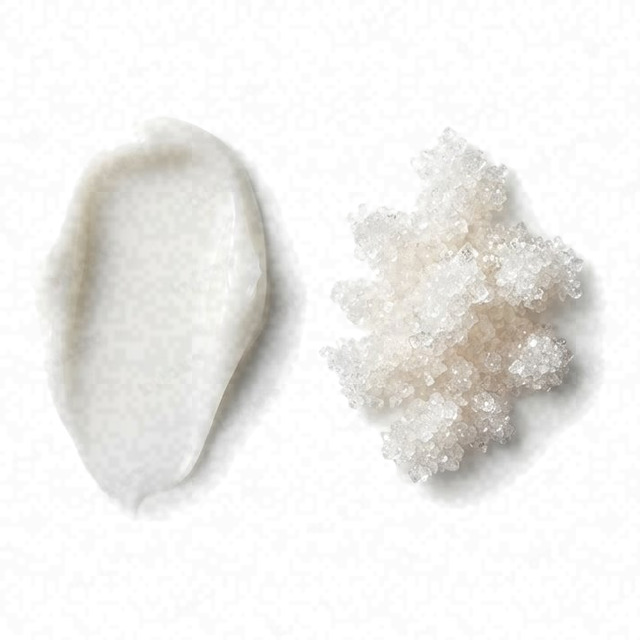 Hydrocortisone
 Aloe Barbadensis
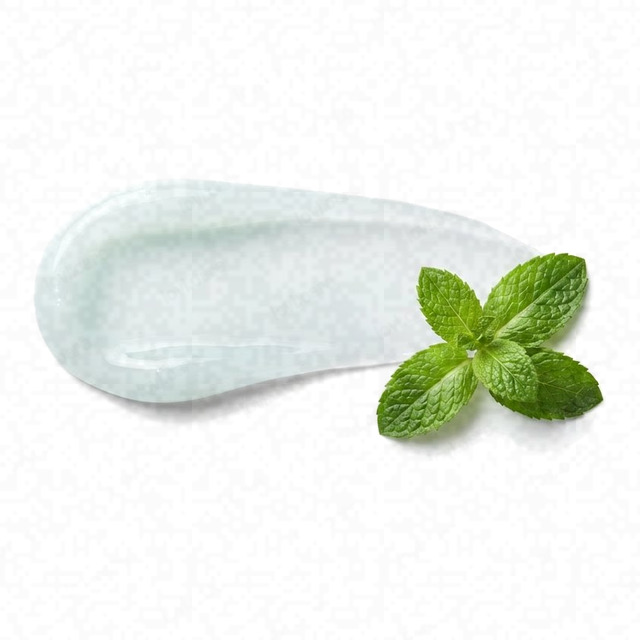 Menthol
Caution
- HighNormal Skin Fit
- AverageEffectiveness
- ConcerningSafety
A poor match for skin with dark spots; the products alongside fit it better.
This fit is calculated for the concerns frequently associated with dark spots: hyperpigmentation, sun spots, and uneven skin tone. For scores and recommendations based on your full skin profile, including your 12D face scan results and any goals or preferences you have, please use the Lovi app.
Page built Nov 8, 2026How the Fit score works
Lovi Assistant explains
- Offers moderate soothing itch relief for your normal skin due to hydrocortisone and aloe barbadensis, which provide mild anti-inflammatory and calming effects.
- Hyaluronic acid offers some benefits for pigmentation, but the presence of hydrocortisone poses major risks of worsening pigmentation, making it unsuitable for your main goal.
Questions and answers
Why does Lovi advise caution with Nizoral Scalp Itch Relief for skin with dark spots?
Lovi advises caution because hydrocortisone may worsen dark spots, making this a poor match for your main goal even though it has soothing ingredients like aloe. A product for this skin needs to be exceptionally safe with no irritation risk, address pigmentation with highly effective ingredients, and provide hydration and repair without allergens or unsuitability risks.
Which ingredients make this cream a poor fit for skin with dark spots?
Hydrocortisone is the main reason this scalp treatment is a poor fit for skin with dark spots, as it poses major risks of worsening pigmentation. A hair scalp treatment for this skin needs to be exceptionally safe with no risk of irritation and contain highly effective ingredients that target dark spots without causing unsuitability.
What does Hydrocortisone do for skin with dark spots?
Hydrocortisone is unlikely to improve dark spots and may actually cause unwanted pigment changes or skin thinning with regular use. When treating dark spots, skin needs soothing and brightening ingredients like vitamin C or niacinamide instead of steroids.
American Family Physician, 1986Journal of Biomedical Optics, 2012
What does Aloe Vera do for skin with dark spots?
Aloe vera helps fade dark spots and uneven skin tone by slowing down pigment production and reducing sun-induced discoloration. Using it regularly may gradually clear up stubborn marks and make the skin look more even and bright.
Where does this cream go in a skincare routine for skin with dark spots?
This cream is a poor match for your skin with dark spots because hydrocortisone may worsen dark spots. A suitable product for this skin needs gentle brighteners and dark spot fading ingredients instead.
Can I use this cream with salicylic acid, and in what order?
This product is a poor match for your skin with dark spots because hydrocortisone may worsen pigmentation, despite offering some soothing itch relief. Skin with dark spots needs brightening ingredients like vitamin C, niacinamide, or alpha arbutin to safely even out skin tone.
How often should I use this cream?
This product is a poor fit for your skin with dark spots because hydrocortisone may worsen dark spots, so it is best to avoid it for this goal. Skin with dark spots needs targeted treatments with brightening ingredients like vitamin C, niacinamide, or gentle acids to help fade discoloration and even out skin tone.
Can this cream clog pores, cause breakouts or purging for skin with dark spots?
This hair scalp treatment is unlikely to clog pores or cause breakouts for skin with dark spots. However, this product is a poor match because hydrocortisone poses major risks of worsening pigmentation. Skin with dark spots needs brightening ingredients like vitamin C or niacinamide to help fade dark spots safely without risking more discoloration.
What the research says
Topical preservative-free hydrocortisone 0.335% twice daily for 2 weeks significantly improves clinical signs and symptoms in patients with mild to moderate dry eye disease without affecting intraocular pressure or causing adverse events.
Clinical Ophthalmology, 2020A cream combining propolis, tea tree oil, and Aloe vera reduced erythema scars, acne severity index, and total lesion count better than erythromycin cream in sixty patients with mild to moderate acne vulgaris compared to placebo.
Clinical Pharmacology, 2018Topical aloe vera gel significantly accelerated split-thickness skin graft donor-site healing compared to placebo in 12 patients, but showed no significant difference in pain relief.
Plastic and Reconstructive Surgery, 2018Topical application of Aloe vera cream reduced postoperative pain at rest and during defecation, accelerated wound healing at two weeks, and decreased analgesic requirements in patients after open hemorrhoidectomy compared to placebo.
Journal of Alternative and Complementary Medicine, 2010Coadministration of 40% topical L-menthol with 10% trans-cinnamaldehyde reduced spontaneous pain intensity, neurogenic inflammation, primary and secondary mechanical hyperalgesia, and heat hyperalgesia, but not cold hyperalgesia, in 14 healthy volunteers.
The Journal of Pain, 2016Topical application of menthol-based cooling gel decreased intramuscular temperature by 1.9 °C and increased cutaneous blood flow by 0.3 ml/min in healthy males compared to placebo gel.
International Journal of Sports Physical Therapy, 2018Cooling skin temperature or applying topical menthol reduced histamine-induced itch intensity and flare diameters in healthy male volunteers.
Neuroscience Letters, 1995
Ingredients
Hydrocortisone, Aloe Barbadensis, Menthol, Hyaluronic Acid
Behind this fit score
Lovi calculates every fit score from the full ingredient list with brand-independent rules our dermatologists and cosmetic chemists build and review, and personalizes every pick with AI trained on the real results of millions of users. Lovi trains its fit score models on a proprietary dataset built from more than 10,000 expert-labeled products and more than 100,000 simulated examples, following an internally consistent methodology presented at Cosmoprof, AMWC, and Skin of Color Update.
-

Co-founder, Medical Director
Cosmetic chemist, cosmetologist, aesthetic products developer
-

Co-founder, CEO and CTO
PhD in computer science, 3x US patent holder, ex-Google, ex-Yandex
-

Dr. Sofía Perea Pérez, MD, MSc
Medical Board
Aesthetic medicine practitioner, MSc in Longevity and Anti-Aging Medicine
-

Medical Board
Specialist dermatologist, MBBS, MD, IFAAD
-

Medical Board
Cosmetic chemist, SCS, IFSCC member
-

Medical Board, Medical Advisor
Dermatology MD
-

Elina Nazarenko, MD
Medical Board
Dermatology and diagnostic consultant
-

Victoria Derkova, MS
Medical Board
Cosmetic chemist, cosmetic development technologist


How does it fit your skin?
Scan your face, then any product: Lovi shows how well it fits you and what fits even better.