Veetgold Turmeric Oil for acne-prone skin

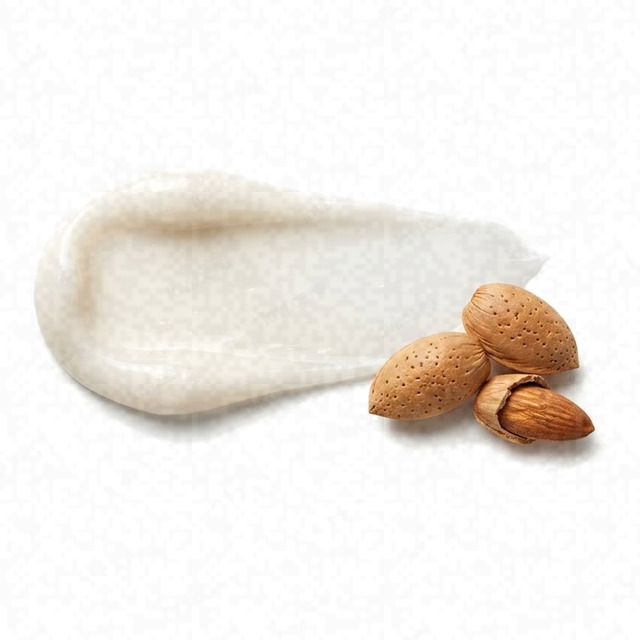 Prunus Amygdalus Dulcis Oil
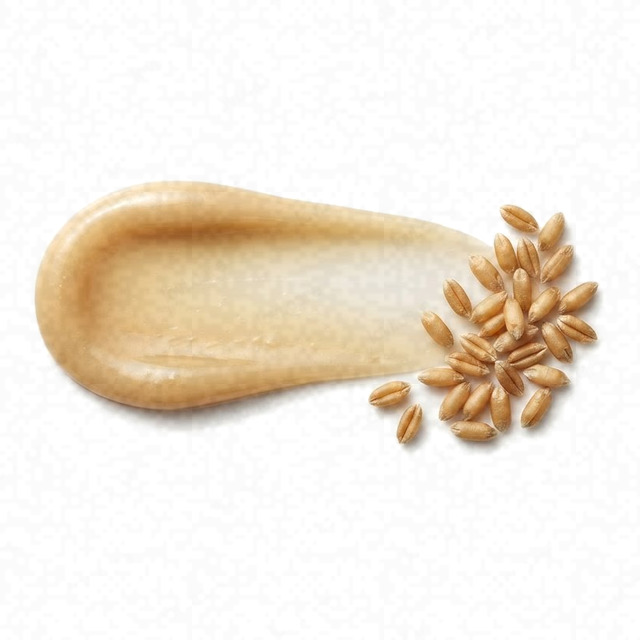 Wheat Germ Oil
 Vitamin E
Warning
- LowCombination Skin Fit
- AverageEffectiveness
- RiskySafety
A poor match for acne-prone skin; the moisturizers alongside fit it better.
This fit is calculated for the concerns frequently associated with acne-prone skin: breakouts, blackheads, and post-acne marks. For scores and recommendations based on your full skin profile, including your 12D face scan results and any goals or preferences you have, please use the Lovi app.
Page built Nov 8, 2026How the Fit score works
Lovi Assistant explains
- Extremely low suitability for your combination skin as Prunus Amygdalus Dulcis Oil and Wheat Germ Oil provide emollient action that may be too heavy for oily areas, potentially clogging pores and worsening acne.
- While Zingiber Officinale Root Extract and Curcuma Longa Root Extract offer anti-inflammatory benefits for blemishes, the heavy oil base presents a moderate risk of direct worsening for acne-prone skin.
How to apply
- Use your moisturizer twice a day in your AM and PM routines. Apply it daily to help keep breakouts under control.
- Apply after your cleanser and toner, and make sure to use your SPF right after in the morning.
- Gently spread a small amount of moisturizer over your face using soft motions. Let it absorb into the skin for a minute before getting dressed or applying makeup.
- Apply on slightly damp skin to help lock in extra moisture. This keeps your combination skin balanced without feeling heavy.
- Avoid the eye area and do a patch test before your first use. Stop using if you feel any irritation.
People Say
★3.9Overall rating based on 100+ reviewsBased on limited data, users report that this product does not deliver on whitening claims but is highly effective for moisturizing and creating a natural glow. It is frequently recommended for repairing damaged skin, smoothing rough textures, and gradually fading dark spots, performing best when mixed with other lotions rather than used alone.
Highlights
Deeply moisturizing Mostly Mentioned
- “softens dry skin”
- “hydration lasts all day”
- “makes skin very supple”
- “great for harmattan/winter”
Does not whiten Mostly Mentioned
- “does not whiten at all”
- “just a marketing strategy”
- “don't buy if you want to bleach”
- “only brightens, doesn't whiten”
Large quantity/value Often Mentioned
- “1000ml lasts for months”
- “huge bottle for the price”
- “economical for mixing”
- “best value body oil”
Promotes skin glow Often Mentioned
- “gives a natural glow”
- “leaves skin shiny”
- “brightens dull complexion”
- “makes skin look polished”
Fades dark spots Sometimes Noted
- “clears dark knuckles”
- “helps with inner thigh darkness”
- “fades acne scars slowly”
- “evens out skin tone”
Pleasant fragrance Sometimes Noted
- “smells like lemongrass”
- “calming turmeric scent”
- “nice herbal smell”
- “not overpowering”
Poor packaging Sometimes Noted
- “no flip cap”
- “hard to pour without spilling”
- “seal is difficult to remove”
- “messy bottle mouth”
Risk of counterfeits Sometimes Noted
- “lots of fakes in market”
- “be careful of dupes”
- “bought a fake that did nothing”
- “hard to find original”
Slow action Sometimes Noted
- “takes weeks to see results”
- “not a quick fix”
- “requires patience for spots”
- “very gradual changes”
Potential to darken Rarely Noted
- “darkened my skin when used alone”
- “made me sweat and darken”
- “needs to be mixed to avoid darkening”
Sources: lovi.care, jumia.com.ng, youtube.com, jiji.ug, konga.com, and more
Questions and answers
Why does Lovi advise against Veetgold Turmeric Oil for acne-prone skin?
This oil is a poor match for your acne-prone skin because its heavy oils may clog your pores and worsen breakouts. While its turmeric and ginger extracts help calm blemishes, acne-prone skin needs a lighter product packed with soothing, hydrating ingredients and peptides that balance moisture without clogging pores.
Which ingredients make this oil a poor fit for acne-prone skin?
Prunus Amygdalus Dulcis Oil and Wheat Germ Oil provide heavy oils that may clog pores and worsen acne on acne-prone skin. Acne-prone skin needs lightweight, non-clogging hydration, soothing ingredients, and helpful peptides that promote clarity and balance without causing irritation.
What does Sweet Almond Oil do for acne-prone skin?
Sweet almond oil helps strengthen the outer skin barrier and improves skin recovery, making it useful for managing various skin conditions. However, for acne-prone skin, a product of this type needs non-clogging, lightweight ingredients and antibacterial agents to help calm breakouts and keep pores clear.
What does Wheat Germ Oil do for acne-prone skin?
Wheat Germ Oil is generally a poor fit for acne-prone skin because it is very heavy and can easily block pores, leading to breakouts. Skin prone to acne needs lightweight, oil-free hydrators with ingredients like salicylic acid or niacinamide to keep pores clear and calm.
Where does this oil go in a skincare routine for acne-prone skin?
This oil is a poor match for acne-prone skin because its heavy oils may clog pores and worsen breakouts, despite its soothing ingredients. Skincare for this skin type needs lightweight, non-clogging moisturizers and targeted blemish treatments that keep pores clear.
Phytotherapy Research, 2016Skin Pharmacology and Physiology, 2023
Can I use this oil with retinol, and in what order?
This oil is a poor match for your acne-prone skin because its heavy oils may clog pores and worsen breakouts. Acne-prone skin needs lightweight, non-greasy moisturizers and targeted treatments that keep pores clear while calming blemishes.
How often should I use this oil?
This oil is a poor match for acne-prone skin because its heavy almond and wheat germ oils may clog pores and worsen breakouts, despite containing calming turmeric and ginger extracts. An acne-prone skin type needs lightweight, non-greasy hydrators and blemish-clearing ingredients that do not block pores.
Can this oil clog pores, cause breakouts or purging for acne-prone skin?
This oil is a poor match for acne-prone skin because its heavy oils may clog pores and worsen breakouts, despite the soothing turmeric and ginger inside. A product for this skin needs light ingredients that hydrate without feeling heavy or blocking pores.
Can I use this oil around the eyes or on my body?
You should avoid using this heavy oil around your eyes or on your face if you have acne-prone skin, as its rich oils may clog pores and worsen breakouts. However, rich moisturizing treatments of this type can work well on the body when they provide deep hydration and soothing plant extracts for dry skin.
What the research says
Turmeric and curcumin products, both oral and topical, showed statistically significant improvement in skin disease severity in ten out of eighteen studies compared with control groups.
Phytotherapy Research, 2016Topical application of curcumin or turmeric treats various skin conditions by leveraging antioxidant, anti-inflammatory, and antimicrobial properties.
Skin Pharmacology and Physiology, 2023Herbal moisturizers containing wheat germ oil, Aloe vera extract, and turmeric extract showed the greatest increase in skin hydration up to 168.125% in healthy human volunteers compared to other formulations.
Pharmacognosy Research, 2010A topical preparation containing urea, sunflower oil, evening primrose oil, wheat germ oil, and sodium pyruvate led to clinical improvement after a month in diverse hyperkeratotic skin conditions except pityriasis lichenoides.
Medicina Cutanea Ibero-latino-americana, 1986Topical application of wheat germ oil formulations induced dose-dependent wound healing in rats, with ointment formulations demonstrating significantly better activity than creams and the 20% WGO ointment achieving a 90% reduction in wound size diameter within three weeks compared to the control group.
Pakistan Journal of Biological Sciences, 2021Topical application of an antioxidant serum containing 15% ascorbic acid, 0.5% ferulic acid, and 1% tocopherol prevented particulate matter-induced degradation of extracellular matrix components, inflammation, and oxidative stress in the skin of 15 female volunteers compared to untreated controls.
Journal of Cosmetic Dermatology, 2025Dermatological products containing d-alpha tocopheryl acetate showed non-comedogenic potential with less than a 50% increase in microcomedones in 12 healthy male subjects compared to octyl palmitate.
Contemporary Clinical Trials Communications, 2021Topical application of an antioxidant mix containing 15% ascorbic acid, 0.5% ferulic acid, and 1% tocopherol prevented PM and UV-induced skin barrier perturbation, lipid peroxidation, inflammatory markers, MMP9 activation, and Type I collagen loss in 15 healthy females compared to untreated exposed skin.
Journal of Cosmetic Dermatology, 2024
Ingredients
Prunus Amygdalus Dulcis Oil, Wheat Germ Oil, Vitamin E, Collagen, Zingiber Officinale Root Extract, Curcuma Longa Root Extract
Behind this fit score
Lovi calculates every fit score from the full ingredient list with brand-independent rules our dermatologists and cosmetic chemists build and review, and personalizes every pick with AI trained on the real results of millions of users. Lovi trains its fit score models on a proprietary dataset built from more than 10,000 expert-labeled products and more than 100,000 simulated examples, following an internally consistent methodology presented at Cosmoprof, AMWC, and Skin of Color Update.
-

Co-founder, Medical Director
Cosmetic chemist, cosmetologist, aesthetic products developer
-

Co-founder, CEO and CTO
PhD in computer science, 3x US patent holder, ex-Google, ex-Yandex
-

Dr. Sofía Perea Pérez, MD, MSc
Medical Board
Aesthetic medicine practitioner, MSc in Longevity and Anti-Aging Medicine
-

Medical Board
Specialist dermatologist, MBBS, MD, IFAAD
-

Medical Board
Cosmetic chemist, SCS, IFSCC member
-

Medical Board, Medical Advisor
Dermatology MD
-

Elina Nazarenko, MD
Medical Board
Dermatology and diagnostic consultant
-

Victoria Derkova, MS
Medical Board
Cosmetic chemist, cosmetic development technologist


How does it fit your skin?
Scan your face, then any product: Lovi shows how well it fits you and what fits even better.