TULA 24-7 Moisture Hydrating Day & Night Cream for acne-prone skin

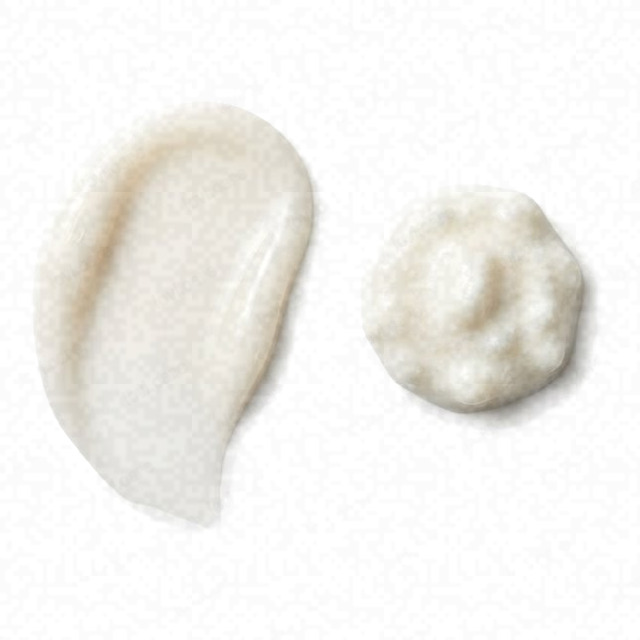 Probiotics
 Squalane
 Sodium Hyaluronate
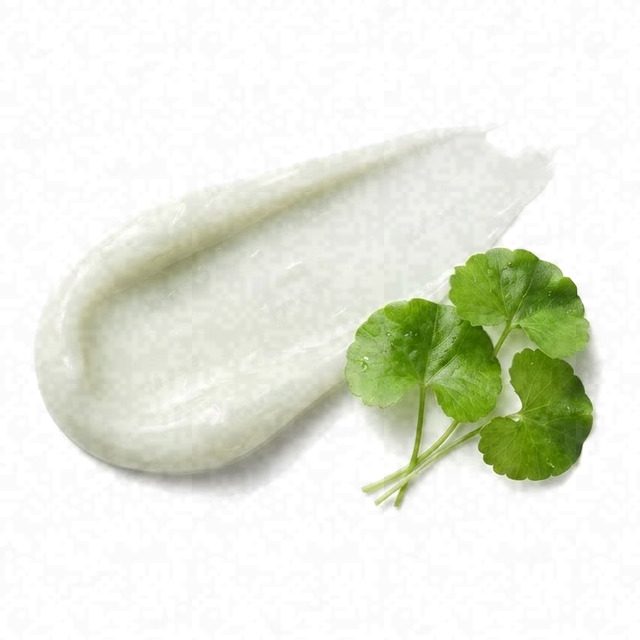 Superfoods
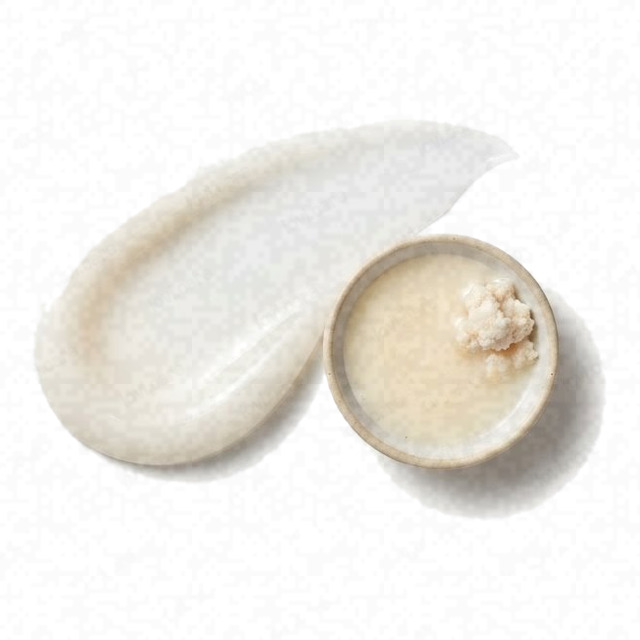 Bifida Lysate Ferment
Warning
- HighCombination Skin Fit
- AverageEffectiveness
- WarningSafety
A poor match for acne-prone skin; the moisturizers alongside fit it better.
This fit is calculated for the concerns frequently associated with acne-prone skin: breakouts, blackheads, and post-acne marks. For scores and recommendations based on your full skin profile, including your 12D face scan results and any goals or preferences you have, please use the Lovi app.
Page built Nov 8, 2026How the Fit score works
How to apply
- Use your moisturizer twice a day in your AM and PM routines. Apply it daily to help keep breakouts under control.
- Apply after your cleanser and toner, and make sure to use your SPF right after in the morning.
- Gently spread a small amount of moisturizer over your face using soft motions. Let it absorb into the skin for a minute before getting dressed or applying makeup.
- Apply on slightly damp skin to help lock in extra moisture. This keeps your combination skin balanced without feeling heavy.
- Avoid the eye area and do a patch test before your first use. Stop using if you feel any irritation.
People Say
★4.7Overall rating based on 8.5k+ reviewsBased on a very large amount of data, this lightweight moisturizer is highly praised for providing all-day hydration, leaving skin plump and glowing without pore clogging. It is generally effective for most skin types, though some users with sensitive or acne-prone skin reported irritation or breakouts, often linked to the fragrance and specific ingredients.
Highlights
Intense hydration Mostly Mentioned
- “keeps my skin feeling quenched all day”
- “deeply hydrating without feeling heavy”
- “leaves skin feeling hydrated, smooth and soft”
Lightweight texture Often Mentioned
- “slides on smoothly”
- “absorbs quickly and is not sticky”
- “lightweight yet nourishing”
Improves skin appearance Sometimes Noted
- “skin is plumper and more hydrated”
- “leaves a gorgeous glow”
- “fine lines appear less visible”
Makeup compatibility Sometimes Noted
- “perfect base for makeup”
- “makeup stays longer”
- “doesn't pill under foundation”
High price point Sometimes Noted
- “highway robbery”
- “disappointed in the price”
- “expensive for the amount you get”
Strong fragrance Sometimes Noted
- “heavily scented”
- “irritated by fragrance”
- “wish more brands had fragrance-free options”
Caused breakouts Rarely Noted
- “caused me to break out pretty bad”
- “cystic pimples”
- “clogged my pores”
Packaging issues Rarely Noted
- “pump is kind of iffy”
- “print on the container wore off”
- “packaging made me switch brands”
Sources: lovi.care, ulta.com, tula.com, sephora.com, target.com, amazon.com, and more
Questions and answers
Why does Lovi advise against TULA 24-7 Moisture Hydrating Day & Night Cream for acne-prone skin?
Lovi advises against using this moisturizer on acne-prone skin because it is a poor match for your skin type. A product of this type for acne-prone skin needs soothing extracts, zero allergens, and ingredients that provide hydration and blemish care without any risk of irritation.
Which ingredients make this cream a poor fit for acne-prone skin?
This cream is a poor match for acne-prone skin because it contains heavier oils and emollients like ethylhexyl palmitate, olive oil fruit oil, and hydrogenated oil that may clog pores and trigger breakouts. Acne-prone skin needs lightweight, non-pore-clogging hydrators and soothing ingredients that balance oil and calm redness without heavy oils.
What do Probiotics do for acne-prone skin?
For acne-prone skin, probiotics help reduce breakouts, soothe redness, and calm inflammation while balancing the skin microbiome. They also help improve skin barrier function and decrease inflammatory markers with fewer side effects than conventional treatments.
Journal of Experimental Pharmacology, 2025Journal of Cosmetic Dermatology, 2022
What does Squalane do for acne-prone skin?
Squalane may help keep acne-prone skin soft and smooth, but peroxidated forms can trigger inflammation in skin cells. For a better fit on acne-prone skin, products need non-clogging, soothing ingredients that balance oil without causing irritation.
Where does this cream go in a skincare routine for acne-prone skin?
This cream is a poor match for acne-prone skin, as Lovi advises against using it. An acne-prone skin routine needs a lightweight, non-greasy moisturizing treatment with ingredients like niacinamide to help keep skin clear and calm.
Can I use this cream with retinol, and in what order?
This cream is a poor match for your skin, so you should avoid using it with retinol. Acne-prone skin needs a lightweight moisturizer with soothing ingredients like ceramides and niacinamide to keep the skin calm and clear without clogging pores.
How often should I use this cream?
This cream is a poor match for acne-prone skin, so you may want to avoid using it. For this skin type, a moisturizing treatment needs to be oil-free and non-clogging to keep your face clear and calm.
Can this cream clog pores, cause breakouts or purging for acne-prone skin?
This cream is a poor match for acne-prone skin because it may clog pores and trigger breakouts. Acne-prone skin needs lightweight, non-comedogenic formulas with soothing ingredients and gentle exfoliants that keep pores clear without heavy oils.
Can I use this cream around the eyes or on my body?
You can use this moisturizing treatment around the eyes and on the body because its rich blend of squalane, sodium hyaluronate, and probiotics helps keep dry skin soft and smooth. Studies show that creams with similar nourishing ingredients and hyaluronic acid are well tolerated and help improve moisture and fine lines in thin areas like the eyes.
Is this cream fragrance-free and alcohol-free?
It has no drying alcohol and contains fragrance (parfum, linalool, and hexyl cinnamal). Cetyl alcohol and stearyl alcohol are fatty alcohols, which soften the skin.
What the research says
Squalane at 0.005-0.015% counteracts UVA-induced oxidative stress, inflammation, and collagen metabolism inhibition while stimulating fibroblast migration in human dermal fibroblasts.
Molecules, 2025Plant-derived squalane protected human dermal fibroblasts against UVA-induced damage by counteracting ROS formation, suppressing apoptosis-related proteins p53, caspase-3, caspase-9, and PARP, and restoring the pro-survival p-Akt/mTOR pathway.
Antioxidants, 2025Topical application of 0.1% hyaluronic acid formulations of different molecular weights led to significant improvements in skin hydration and elasticity, with low-molecular-weight formulations also significantly reducing wrinkle depth in seventy-six female subjects compared to a vehicle control.
Journal of Drugs in Dermatology, 2011Topical application of hyaluronic acid in conjunction with free gingival graft significantly reduced donor site postoperative pain until day 7 compared to normal saline, with no significant differences in graft dimensions or patient satisfaction.
Clinical Oral Investigations, 2022Treatment with a hyaluronic acid-containing mouth rinse or topical gel led to significant lesion reduction, pain relief, and normalization of lesion color in adult patients with minor recurrent aphthous stomatitis, with the gel formulation showing an earlier healing onset at 3 days.
BMC Oral Health, 2019Topical application of Bifida Ferment Lysate strengthens the skin barrier function by upregulating barrier and antimicrobial peptide genes, exhibiting strong antioxidant properties, and decreasing inflammatory cytokine secretion in vitro.
Journal of Cosmetic Dermatology, 2023
Ingredients
Water, Butylene Glycol, Ethylhexyl Palmitate, Squalane, Glycerin, Caprylic Capric Triglyceride, Cetyl Alcohol, Dimethicone, Hydrogenated Oil, Glyceryl Stearate, Peg-100 Stearate, Bifida Lysate Ferment, Lactose, Lactis Proteinum Protéine Du Lait Milk Protein, Yogurt Extract, Hydrolyzed Rice Protein, Cichorium Intybus Root Extract, Blueberry Fruit Extract, Olus Huile Oil, Camelina Sativa Seed Oil, Camellia Sinensis Leaf Extract, Curcuma Longa Root Extract, Tocopheryl Acetate, Ascorbyl Palmitate, Carthamus Tinctorius Seed Oil, Olea Europaea Oil Fruit Olive Oil Fruit, Pyrus Malus Fruit Extract, Watermelon Fruit Extract, Lens Esculenta Fruit Extract, Sodium Lactate, Sodium Pca, Carbomer, Sodium Hydroxide, Pentylene Glycol, Caprylyl Glycol, Bulnesia Sarmientoi Oil Wood, Lemon Oil Fruit, Citrus Aurantium Dulcis Oil, Juniperus Mexicana Oil, Cananga Odorata Oil Flower, Ethylhexylglycerin, Stearyl Alcohol, Disodium Edta, Citric Acid, Sorbic Acid, Phenethyl Alcohol, Sodium Benzoate, Potassium Sorbate, Phenoxyethanol, Parfum, Alpha-Isomethyl Ionone, Butylphenyl Methylpropional, Linalool, Hexyl Cinnamal
Behind this fit score
Lovi calculates every fit score from the full ingredient list with brand-independent rules our dermatologists and cosmetic chemists build and review, and personalizes every pick with AI trained on the real results of millions of users. Lovi trains its fit score models on a proprietary dataset built from more than 10,000 expert-labeled products and more than 100,000 simulated examples, following an internally consistent methodology presented at Cosmoprof, AMWC, and Skin of Color Update.
-

Co-founder, Medical Director
Cosmetic chemist, cosmetologist, aesthetic products developer
-

Co-founder, CEO and CTO
PhD in computer science, 3x US patent holder, ex-Google, ex-Yandex
-

Dr. Sofía Perea Pérez, MD, MSc
Medical Board
Aesthetic medicine practitioner, MSc in Longevity and Anti-Aging Medicine
-

Medical Board
Specialist dermatologist, MBBS, MD, IFAAD
-

Medical Board
Cosmetic chemist, SCS, IFSCC member
-

Medical Board, Medical Advisor
Dermatology MD
-

Elina Nazarenko, MD
Medical Board
Dermatology and diagnostic consultant
-

Victoria Derkova, MS
Medical Board
Cosmetic chemist, cosmetic development technologist


How does it fit your skin?
Scan your face, then any product: Lovi shows how well it fits you and what fits even better.