Thayers 2% AHA Toner for oily acne-prone skin

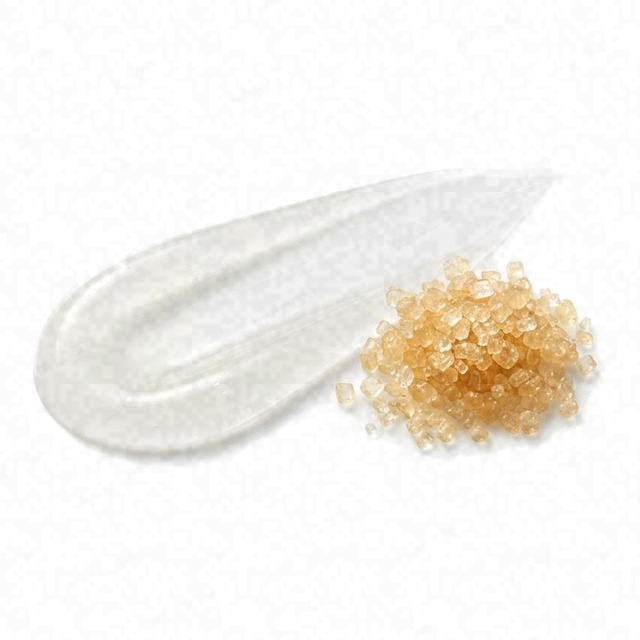 Glycolic Acid
 Lactic Acid
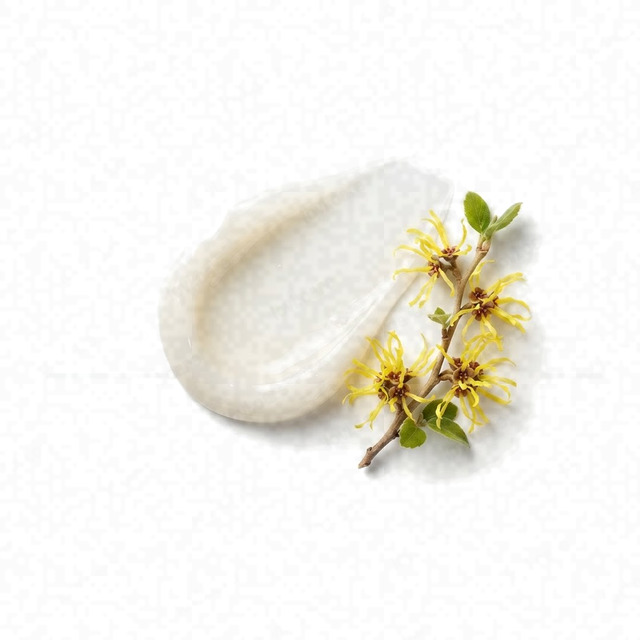 Witch Hazel
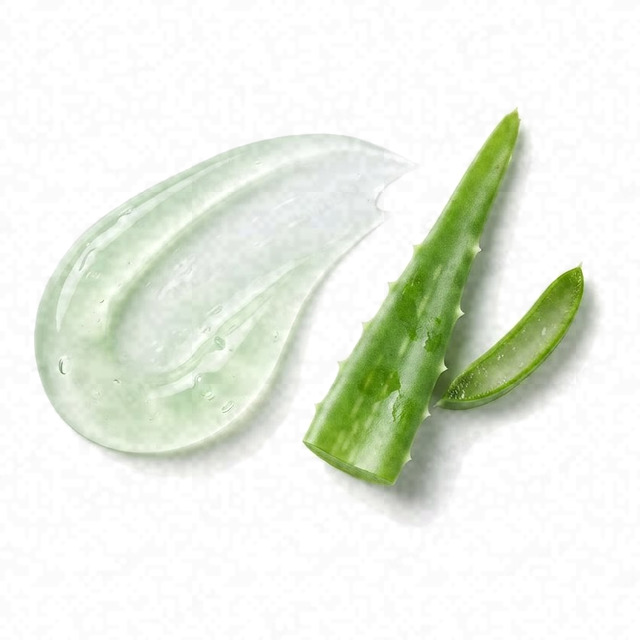 Aloe Barbadensis Leaf Juice
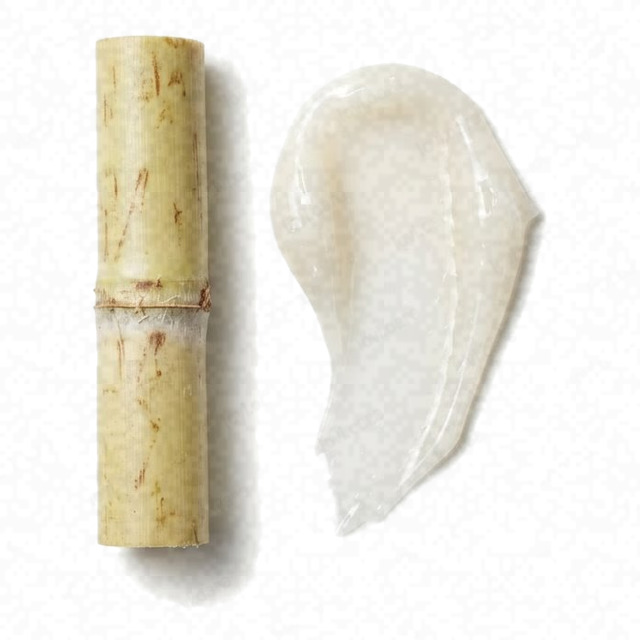 Saccharum Officinarum Extract
Superior
- SuperiorOily Skin Fit
- SuperiorEffectiveness
- ExcellentSafety
One of the best toners for oily acne-prone skin.
This fit is calculated for the concerns frequently associated with oily acne-prone skin: shine, breakouts, blemishes, and enlarged pores. For scores and recommendations based on your full skin profile, including your 12D face scan results and any goals or preferences you have, please use the Lovi app.
Page built Nov 8, 2026How the Fit score works
Lovi Assistant explains
- Excellent suitability for your oily skin and acne concerns is provided by the blend of AHAs, including Vaccinium Myrtillus Fruit Extract and Saccharum Officinarum Sugarcane Extract, which effectively exfoliate and clear pores. Citric Acid and Lactic Acid further enhance this action, helping to smooth texture and reduce breakouts.
- The inclusion of Aloe Barbadensis Leaf Juice and Chamomilla Recutita Flower Extract ensures a soothing experience, minimizing potential irritation for your oily skin.
- This formula is safe for your skin, with no risks of irritation due to the absence of harsh ingredients and the presence of calming botanical extracts.
How to apply
- Could be used as part of your PM routine. Start using your exfoliating toner once a week and slowly increase frequency if your skin tolerates it well.
- Apply your exfoliating toner after cleansing and before your moisturizer or other treatments.
- Gently press 2-3 drops of the exfoliating toner into your skin with your hands. Avoid any harsh rubbing .
- Apply the exfoliating toner on clean and completely dry skin to ensure the best results .
- Avoid the sensitive eye area and always use daily SPF while using exfoliating active products.
People Say
★4.8Overall rating based on 200+ reviewsThis toner is widely praised for its ability to gently exfoliate and smooth skin texture without causing dryness, making it a favorite for those with sensitive or combination skin. Users frequently report visible improvements in pore size and clarity, with many noting it effectively clears small bumps and acne scars, though a small minority experienced irritation or disliked the scent of recent batches.
Highlights
Refines pores Often Mentioned
- “pores look smaller”
- “refines visible pores”
- “pores look refined”
Smoother skin Often Mentioned
- “skin feels smoother”
- “smooths uneven skin”
- “skin felt cleaner and smooth”
Clears bumps Sometimes Noted
- “removed bumps completely”
- “cleared up some blemishes”
- “acne scars lighter”
Gentle, non-drying Sometimes Noted
- “not harsh on skin”
- “didn't dry my skin”
- “gentle and non-drying”
Pleasant scent Sometimes Noted
- “love the smell”
- “smells like citrus”
- “light citrusy scent”
Caused breakouts Rarely Noted
- “broke me out”
- “bumps appeared”
- “bad reaction”
No results Rarely Noted
- “did absolutely nothing”
- “barely seeing results”
- “didn't notice difference”
Skin irritation Rarely Noted
- “skin became very irritated”
- “felt like a chemical burn”
- “red, rough patches”
Unpleasant smell Rarely Noted
- “smells stale”
- “new bottle, bad smell”
- “smells awful”
Sources: lovi.care, ulta.com, target.com, walmart.com, thayers.com, reddit.com, and more
Questions and answers
What makes Thayers 2% AHA Toner one of the best fits for oily acne-prone skin?
This toner is one of the best fits for your oily acne-prone skin because its blend of glycolic acid, lactic acid, and other fruit extracts exfoliates dead cells and clears pores to reduce breakouts and smooth texture. At the same time, aloe and chamomile soothe the skin to help keep it calm and minimize irritation.
Journal of Cosmetic Dermatology, 2021Journal of Cosmetic Dermatology, 2011
Which ingredients make this toner a good fit for oily acne-prone skin?
This toner is a great fit for your oily, acne-prone skin because it uses glycolic acid, lactic acid, and other fruit and sugar extracts to clear out pores and smooth your texture. Witch hazel and aloe vera help calm your skin and soothe any potential irritation.
What does Glycolic Acid do for oily acne-prone skin?
Glycolic acid helps clear acne-prone skin by reducing pimples and soothing breakouts. It exfoliates the surface to keep pores clear and leaves the skin feeling smooth.
Clinical, Cosmetic and Investigational Dermatology, 2019Dermatologic Surgery, 2014
What does Lactic Acid do for oily acne-prone skin?
Lactic acid helps oily acne-prone skin by gently clearing pores and reducing breakouts, which supports a smoother and clearer face. Using appropriate cosmetic acids helps calm red bumps and works well alongside acne treatments.
Der Hautarzt; Zeitschrift Fur Dermatologie, Venerologie, und Verwandte Gebiete, 2010Clinical, Cosmetic and Investigational Dermatology, 2023
Where does this toner go in a skincare routine for oily acne-prone skin?
This exfoliating toner goes in the evening routine after cleansing, followed by a treatment and moisturizer. You should start using it once a week, and if your skin tolerates it well and you see good results, you may carefully use it more often.
Can I use this toner with retinol, and in what order?
You can use this exfoliating toner with retinol, but apply them on alternating nights to prevent dryness and irritation. Using them together may be too strong for your skin, so spacing them out helps keep your face smooth and calm.
How often should I use this toner?
Start using this exfoliating toner once a week in your evening routine, and if your skin tolerates it well and sees good results, you may carefully use it more often. The blend of exfoliating acids and soothing botanical extracts helps clear pores and smooth texture while keeping irritation unlikely.
Journal of Cosmetic Dermatology, 2021Journal of Cosmetic Dermatology, 2024
Can this toner clog pores, cause breakouts or purging for oily acne-prone skin?
This toner is unlikely to clog pores or cause breakouts for oily acne-prone skin because its glycolic and lactic acids clear out pores while soothing ingredients like aloe and chamomile keep irritation low. Some reviewers mention a low chance of breakouts, but the gentle acid blend generally helps smooth skin texture and reduce blemishes.
Journal of Cosmetic Dermatology, 2021Journal of Cosmetic Dermatology, 2011
Is this toner fragrance-free and alcohol-free?
It has no drying alcohol and contains fragrance (limonene).
What the research says
Daily treatment with a facial serum containing multiple acids reduced post-inflammatory hyperchromia lesion grade and number by 29.4% at 56 days, and decreased skin oiliness by 30.7% at 7 days in Brazilian patients with acne vulgaris.
Journal of Cosmetic Dermatology, 2021Combined sequential treatment with microneedling and 35% glycolic acid peels caused a significant improvement in superficial and moderately deep acne scars, skin texture, and postacne pigmentation in thirty patients compared to thirty patients receiving microneedling alone.
Journal of Cosmetic Dermatology, 2011A combination of dermapen and glycolic acid peel significantly decreased acne scar grades and resulted in higher patient satisfaction compared to either monotherapy in 30 patients.
Journal of Cosmetic Dermatology, 2019Hamamelis bark proanthocyanidins strongly increased the proliferation of cultured human keratinocytes and reduced transepidermal water loss and erythema formation in SLS-irritated skin, whereas the polysaccharide fraction had no effect.
Phytochemistry, 2001Repeated short-contact 70% glycolic acid peels provided superior results in atrophic acne scars compared to daily low-strength glycolic acid cream or placebo in 58 women over 24 weeks.
International Journal of Dermatology, 2000Serial glycolic acid peels combined with a modified Kligman formula significantly reduced facial PIH severity in Indian patients compared to the modified Kligman formula alone.
Dermatologic Surgery, 2017Application of a cream containing lactic acid 12% and pramoxine HCl 1% significantly improved skin dryness, hydration, and itch compared with a nontreated control in 24 women with a history of dry itchy skin.
Cutis, 2004Topical 12% ammonium lactate produced a significant sparing of epidermal and dermal atrophy induced by clobetasol propionate in human volunteers, without influencing the corticosteroid's bioavailability or antiinflammatory properties.
Journal of the American Academy of Dermatology, 1992A lactic acid/ceramide lotion significantly improved skin moisturization and desquamation compared to no treatment in women with dry, rough skin on the anterior shins.
The Journal of Clinical and Aesthetic Dermatology, 2020A Hamamelis virginiana leaf extract increased LOXL1 expression twofold, decreased elafin synthesis, restored functional elastic fibers, reduced nonfunctional elastin aggregates, decreased wrinkles, and improved skin firmness.
Journal of Cosmetic Science, 2018Witch hazel bark extract and hamamelitannin showed pronounced anti-inflammatory activity, supported keratinocyte migration in a wound healing assay, and inhibited Staphylococcus aureus growth, whereas their skin microbiota metabolite ellagic acid stimulated inflammatory mediator release.
Journal of Ethnopharmacology, 2025Hamamelis virginiana bark extract inhibited Cutibacterium acnes-induced IL-6 release and TNF-α-induced IL-8 release in human keratinocytes without showing antibacterial or antibiofilm activities.
Antioxidants, 2022A cream combining propolis, tea tree oil, and Aloe vera reduced erythema scars, acne severity index, and total lesion count better than erythromycin cream in sixty patients with mild to moderate acne vulgaris compared to placebo.
Clinical Pharmacology, 2018Topical aloe vera gel significantly accelerated split-thickness skin graft donor-site healing compared to placebo in 12 patients, but showed no significant difference in pain relief.
Plastic and Reconstructive Surgery, 2018Topical application of Aloe vera cream reduced postoperative pain at rest and during defecation, accelerated wound healing at two weeks, and decreased analgesic requirements in patients after open hemorrhoidectomy compared to placebo.
Journal of Alternative and Complementary Medicine, 2010
Ingredients
Water, Aloe Barbadensis Leaf Juice, Vaccinium Myrtillus Fruit Extract, Sodium Hydroxide, Hamamelis Virginiana Water Witch Hazel Water, Saccharum Officinarum Sugarcane Extrait De Canne À Sucre Extract, Chamomilla Recutita Flower Extract, Acer Saccharum Sugar Maple Extract, Citrus Aurantium Dulcis Orange Fruit Extract, Citrus Aurantium Dulcis Orange Peel Oil Oil, Citrus Limon Lemon Fruit Extract, Pvp, Isoceteth-20, Disodium Edta, Propylene Glycol, Citric Acid, Potassium Sorbate, Sodium Benzoate, Phenoxyethanol, Chlorphenesin, Limonene
Behind this fit score
Lovi calculates every fit score from the full ingredient list with brand-independent rules our dermatologists and cosmetic chemists build and review, and personalizes every pick with AI trained on the real results of millions of users. Lovi trains its fit score models on a proprietary dataset built from more than 10,000 expert-labeled products and more than 100,000 simulated examples, following an internally consistent methodology presented at Cosmoprof, AMWC, and Skin of Color Update.
-

Co-founder, Medical Director
Cosmetic chemist, cosmetologist, aesthetic products developer
-

Co-founder, CEO and CTO
PhD in computer science, 3x US patent holder, ex-Google, ex-Yandex
-

Dr. Sofía Perea Pérez, MD, MSc
Medical Board
Aesthetic medicine practitioner, MSc in Longevity and Anti-Aging Medicine
-

Medical Board
Specialist dermatologist, MBBS, MD, IFAAD
-

Medical Board
Cosmetic chemist, SCS, IFSCC member
-

Medical Board, Medical Advisor
Dermatology MD
-

Elina Nazarenko, MD
Medical Board
Dermatology and diagnostic consultant
-

Victoria Derkova, MS
Medical Board
Cosmetic chemist, cosmetic development technologist


How does it fit your skin?
Scan your face, then any product: Lovi shows how well it fits you and what fits even better.