Tatcha The Water Cream for oily acne-prone skin

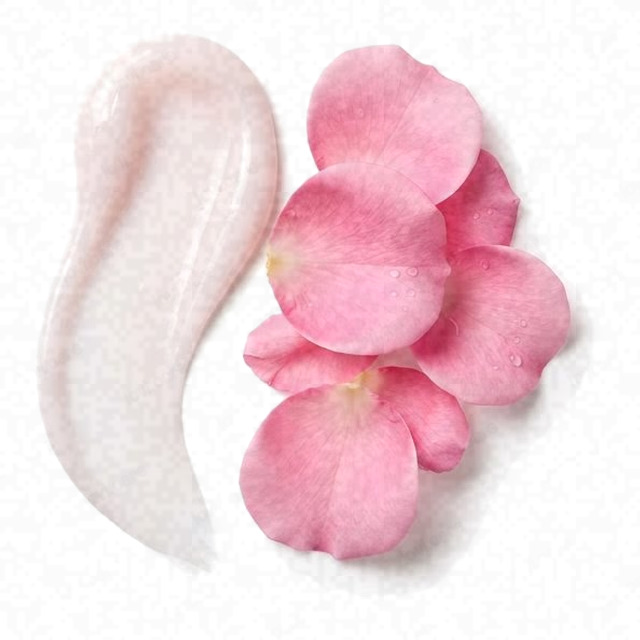 Japanese Rose
 Sodium Hyaluronate
 Saccharomyces Ferment Filtrate
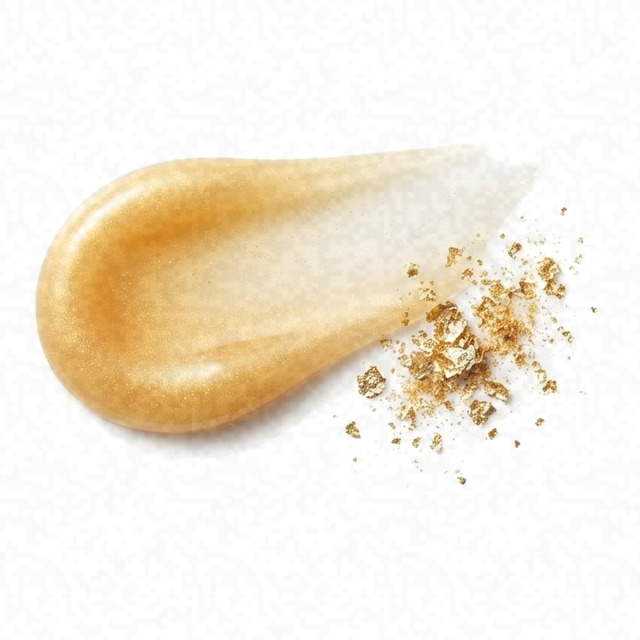 Gold
 Dimethicone
Average
- AverageOily Skin Fit
- AverageEffectiveness
- Low RiskSafety
Works for oily acne-prone skin; other moisturizers fit it better.
This fit is calculated for the concerns frequently associated with oily acne-prone skin: shine, breakouts, blemishes, and enlarged pores. For scores and recommendations based on your full skin profile, including your 12D face scan results and any goals or preferences you have, please use the Lovi app.
Page built Nov 8, 2026How the Fit score works
Lovi Assistant explains
- Offers moderate suitability for your oily skin, as dimethicone provides emollient action, but it lacks sufficient seboregulating ingredients to fully address oiliness.
- The formula provides excellent moisturizing due to glycerin and sodium hyaluronate, which hydrate and plump the skin, though the benefits are mostly supportive and irrelevant for your acne, blemishes, and breakouts.
- The product is generally safe for your oily skin, with some risks of irritation due to the presence of alcohol and fragrance.
How to apply
- Use this AM and PM routine every day to help clear your skin. Always remember to finish with SPF in the morning.
- Apply the moisturizer after your cleanser and toner, right before your SPF during the day.
- Gently press a small amount into your skin and avoid rubbing to keep pores clear.
- Apply on clean, slightly damp skin to help the product absorb better and control oil.
- Avoid the sensitive eye area and do a simple patch test before your first use.
People Say
★4.1Overall rating based on 4.5k+ reviewsBased on a very large amount of data, this moisturizer is highly recommended for oily and combination skin types due to its refreshing water-burst texture that hydrates without greasiness. Many users appreciate its lightweight feel and how it refines pores and works well under makeup. However, individuals with dry skin find it lacks sufficient moisture, and some sensitive users report irritation, possibly due to the fragrance.
Highlights
Lightweight gel texture Mostly Mentioned
- “feels like a drink of water for the skin”
- “absorbs super fast and feels luxe”
- “super light and refreshing”
- “melts into the skin almost instantly”
Expensive price point Mostly Mentioned
- “$68 a pot is expensive”
- “ridiculous price for what you get”
- “definitely doesn't come cheap”
- “not worth the money for the amount”
Non-greasy finish Often Mentioned
- “doesn't feel greasy or sticky”
- “leaves skin smoother, shine-free and balanced”
- “perfect for oily/combo skin”
- “no residue or shine”
Not for dry skin Often Mentioned
- “not rich enough for dry skin”
- “skin felt tight after a while”
- “need to layer it with a more emollient product”
- “left feeling greasy and congested”
Makeup compatibility Sometimes Noted
- “layers beautifully under makeup”
- “works as a lovely primer”
- “makeup lasts all day”
- “sat well under different SPF formulas”
Pore minimizing Sometimes Noted
- “helps visibly refine pores”
- “pores appear smaller after weeks of use”
- “skin texture looks improved”
- “helps to tighten pores”
Jar packaging Rarely Noted
- “ingredients degrade with exposure to air”
- “hygiene concerns with dipping into a jar”
- “hard to travel with”
Potential irritants Rarely Noted
- “contains fragrance which could be irritating”
- “caused breakouts on my sensitive skin”
- “strong floral scent”
- “redness after application”
Sources: lovi.care, sephora.com, tatcha.com, kohls.com, makeupalley.com, mecca.com.au, and more
Questions and answers
How well does Tatcha The Water Cream work for oily acne-prone skin?
Tatcha The Water Cream works moderately well for oily acne-prone skin, as it hydrates and softens the skin with glycerin and sodium hyaluronate, but it lacks enough oil-controlling ingredients to fully manage oiliness. Alcohol and fragrance are also present, which may bring some risk of irritation. A moisturizer for this skin type needs oil-balancing ingredients, soothing plant extracts, and lightweight hydration that does not clog pores or cause breakouts.
Which ingredients make this cream a good fit for oily acne-prone skin?
Sodium hyaluronate and glycerin make this cream a good fit for oily acne-prone skin by providing hydration, though other products fit better because it lacks ingredients to manage oiliness and includes alcohol and fragrance that may irritate. An ideal moisturizer for this skin needs oil-controlling ingredients, soothing plant extracts, and lightweight hydrators that do not clog pores.
What does Japanese Rose do for oily acne-prone skin?
Japanese Rose helps balance oil and tightens pores for oily acne-prone skin. It may also calm redness and keep your face feeling fresh and smooth all day.
What does Hyaluronic Acid do for oily acne-prone skin?
Hyaluronic acid helps calm oily acne-prone skin by reducing sebum production and lipid synthesis in sebaceous glands. It also supports skin barrier function and improves hydration while helping deliver treatments without causing irritation.
The Journal of Investigative Dermatology, 2017Journal of Cosmetic Dermatology, 2022
Where does this cream go in a skincare routine for oily acne-prone skin?
This cream goes toward the end of your morning and evening routines as your moisturizer, right after your treatments or toners. It provides hydration, but oily acne-prone skin also needs dedicated oil-controlling ingredients to properly manage breakouts and excess shine.
Can I use this cream with retinol, and in what order?
You can use this moisturizer with retinol by applying it after your retinol treatment to help soothe the skin. Using a moisturizer alongside retinol is unlikely to reduce the treatment's strength while helping manage potential dryness.
How often should I use this cream?
This moisturizer is suitable for twice-daily application in your morning and evening routines. It provides moderate suitability and hydration for your skin, though an oily acne-prone skin type needs a product that also includes oil-controlling ingredients to fully manage oiliness and breakouts.
Journal of Cosmetic Dermatology, 2020Health Science Reports, 2021
Can this cream clog pores, cause breakouts or purging for oily acne-prone skin?
This cream works for your oily acne-prone skin, though it lacks ingredients that balance oil and may cause irritation due to alcohol and fragrance. Oily acne-prone skin needs products with oil-balancing and blemish-clearing ingredients to stay clear.
Can I use this cream around the eyes or on my body?
You can use this moisturizer around the eyes and on the body, though the eyelids and intimate areas are very thin and need extra gentle care. The formula hydrates well and is generally safe, but its ingredients are primarily suited for facial use rather than specialized body or eye treatments.
Is this cream fragrance-free and alcohol-free?
It contains fragrance (parfum) and drying alcohol (alcohol).
What the research says
A single application of a moisturizing fluid containing hyaluronic acid 1%, glycerin 5%, and Centella asiatica stem cells extract significantly increased skin hydration by 29% and reduced transepidermal water loss at 24 hours compared to baseline and an untreated control site in twenty healthy women.
Clinical, Cosmetic and Investigational Dermatology, 2017Benzyl Alcohol, Benzoic Acid, and Sodium Benzoate can be used safely in cosmetic formulations at concentrations up to 5%, and Benzyl Alcohol is safe up to 10% in hair dyes, despite causing nonimmunologic contact reactions.
International Journal of Toxicology, 2001Treatment with a rose extract activated newly identified skin olfactory receptors and prevented epinephrine-induced skin stress responses in epidermal keratinocytes and human skin explants, while clinically decreasing the appearance of under-eye dark circles in stressed women.
Molecules, 2020Rose petal extract improves stratum corneum moisture levels in humans by upregulating HAS2 expression via the GLK-MAP2K-MAPK signaling pathway.
BioFactors, 2023Rosa gallica petal extract (RPE) exerts skin whitening by attenuating tyrosinase activity and melanin accumulation and exhibits anti-wrinkle activity by suppressing MMP-1 levels in human cells.
Journal of Medicinal Food, 2020Topical application of 0.1% hyaluronic acid formulations of different molecular weights led to significant improvements in skin hydration and elasticity, with low-molecular-weight formulations also significantly reducing wrinkle depth in seventy-six female subjects compared to a vehicle control.
Journal of Drugs in Dermatology, 2011Topical application of hyaluronic acid in conjunction with free gingival graft significantly reduced donor site postoperative pain until day 7 compared to normal saline, with no significant differences in graft dimensions or patient satisfaction.
Clinical Oral Investigations, 2022Treatment with a hyaluronic acid-containing mouth rinse or topical gel led to significant lesion reduction, pain relief, and normalization of lesion color in adult patients with minor recurrent aphthous stomatitis, with the gel formulation showing an earlier healing onset at 3 days.
BMC Oral Health, 2019Topical moisturizers improved skin barrier function and surface moisture, while a postbiotic moisturizer with yeast extract uniquely supported microbiome balance and modulated biomarkers of skin barrier, structure, and inflammation in participants and ex vivo explants exposed to environmental aggressors.
Journal of Clinical Medicine, 2023A maintenance therapy with a cosmeceutical formulation containing hydroxyphenoxy propionic acid, ellagic acid, yeast extract, and salicylic acid over 20 weeks significantly improved even skin tone, spot intensity, spot size, and overall hyperpigmentation in 33 healthy subjects with moderate facial dyspigmentation.
Journal of Drugs in Dermatology, 2015A methanol yeast extract increases proliferation and migration while decreasing entrance into senescence and apoptosis phases in 3T3 fibroblast cells.
Journal of Cosmetic Science, 2014Topically delivered gold-coated silica microparticles combined with laser pulses reduced inflammatory lesions compared with sham treatments in patients with moderate-to-severe facial acne.
The Journal of Investigative Dermatology, 2015Laser-activated gold microparticles combined with topical retinoids reduced inflammatory lesion counts by 68% at month 12 in 52 patients with mild-to-moderate inflammatory facial acne.
Journal of Drugs in Dermatology, 2023Combined treatment with a micro-diamond and micro-gold topical serum and a 1064 nm picosecond Nd:YAG laser produced moderate clinical improvement and high participant satisfaction in 40% of participants for facial skin rejuvenation with minimal side effects.
Dermatologic Therapy, 2022Wearing an N95 mask alone compared to using dimethicone cream or hydrocolloid dressing caused more adverse skin reactions among 73 military health care workers, with no significant differences in fit test failure rates between groups.
Military Medicine, 2024A dimethicone skin protectant lotion significantly decreased visual scoring and transepidermal water loss compared to vehicle control and SLS-only treated sites in 12 healthy humans exposed to sodium lauryl sulfate.
Skin Research and Technology, 2000Treatment with a moisturizer containing dimethicone and glycerine increased epidermal thickness by 0.019 mm, improved barrier function by decreasing transepidermal water loss by 13%, decreased melanin intensity, and induced keratins 6 and 16 in fifteen women with moderately photoaged forearms.
Clinical and Experimental Dermatology, 2007
Why other moisturizers fit oily acne-prone skin better
A panthenol-enriched mask improved skin hydration, regulated sebum, and reduced redness and TEWL across dry sensitive, oily sensitive, and oily acne skin subgroups with excellent tolerance and no adverse reactions.
Journal of Cosmetic Dermatology, 2024Co-delivery of paeonol and madecassoside via nanoemulsions improved transdermal delivery, promoted barrier repair proteins, inhibited inflammatory cytokine secretion in cellular and 3D models, and reduced transepidermal water loss and acne in human facial skin compared to free components.
Molecules, 2023
Ingredients
Water, Saccharomyces Camellia Sinensis Cladosiphon Okamuranus Rice Leaf Ferment Filtrate, Dimethicone, Propanediol, Glycerin, Diglycerin, Diphenylsiloxy Phenyl Trimethicone, Gold, Belamcanda Chinensis Root Extract, Rosa Multiflora Fruit Extract, Houttuynia Cordata Extract, Sophora Angustifolia Root Extract, Sodium Hyaluronate, Lecithin, Pistacia Lentiscus Gum, Sodium Chloride, Sodium Citrate, Mica, Peg-9 Polydimethylsiloxyethyl Dimethicone, Dimethicone Peg-10 15 Crosspolymer, Dimethicone Phenyl Vinyl Dimethicone Crosspolymer, Disodium Edta, Tin Oxide, Titanium Dioxide, Butylene Glycol, Ethylhexylglycerin, Parfum, Alcohol, Phenoxyethanol
Behind this fit score
Lovi calculates every fit score from the full ingredient list with brand-independent rules our dermatologists and cosmetic chemists build and review, and personalizes every pick with AI trained on the real results of millions of users. Lovi trains its fit score models on a proprietary dataset built from more than 10,000 expert-labeled products and more than 100,000 simulated examples, following an internally consistent methodology presented at Cosmoprof, AMWC, and Skin of Color Update.
-

Co-founder, Medical Director
Cosmetic chemist, cosmetologist, aesthetic products developer
-

Co-founder, CEO and CTO
PhD in computer science, 3x US patent holder, ex-Google, ex-Yandex
-

Dr. Sofía Perea Pérez, MD, MSc
Medical Board
Aesthetic medicine practitioner, MSc in Longevity and Anti-Aging Medicine
-

Medical Board
Specialist dermatologist, MBBS, MD, IFAAD
-

Medical Board
Cosmetic chemist, SCS, IFSCC member
-

Medical Board, Medical Advisor
Dermatology MD
-

Elina Nazarenko, MD
Medical Board
Dermatology and diagnostic consultant
-

Victoria Derkova, MS
Medical Board
Cosmetic chemist, cosmetic development technologist


How does it fit your skin?
Scan your face, then any product: Lovi shows how well it fits you and what fits even better.