Tatcha The Texture Tonic for combination skin

 Niacinamide
 Sodium Hyaluronate
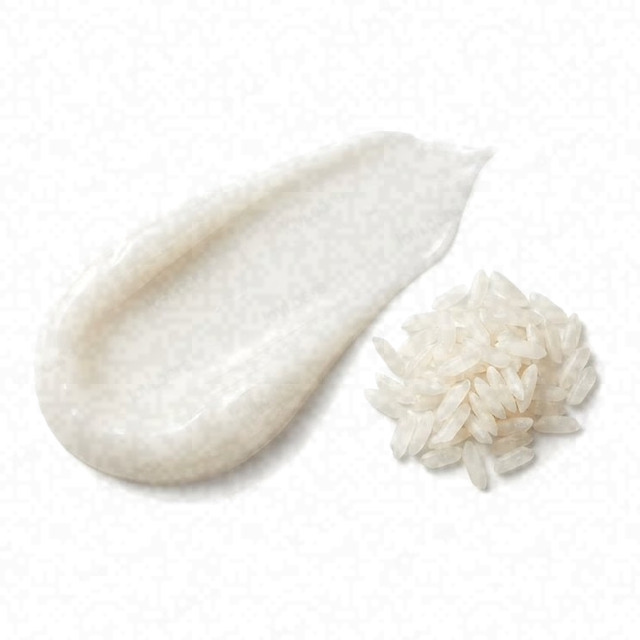 Saccharomyces Rice Ferment Filtrate
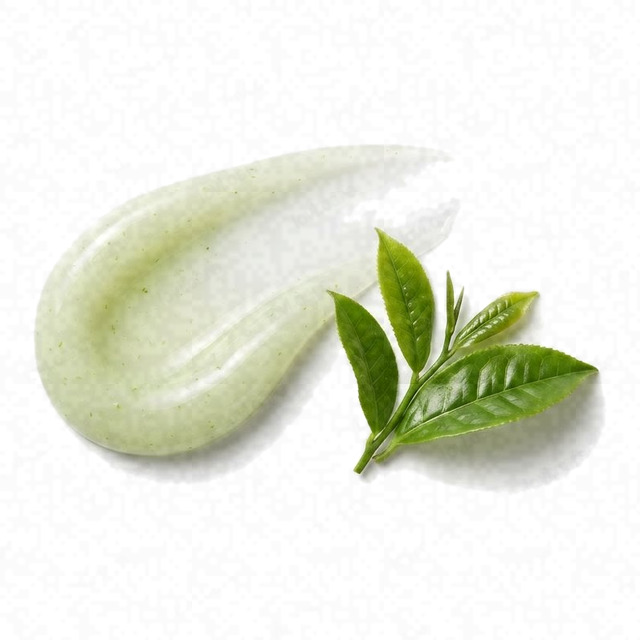 Camellia Sinensis Leaf Extract
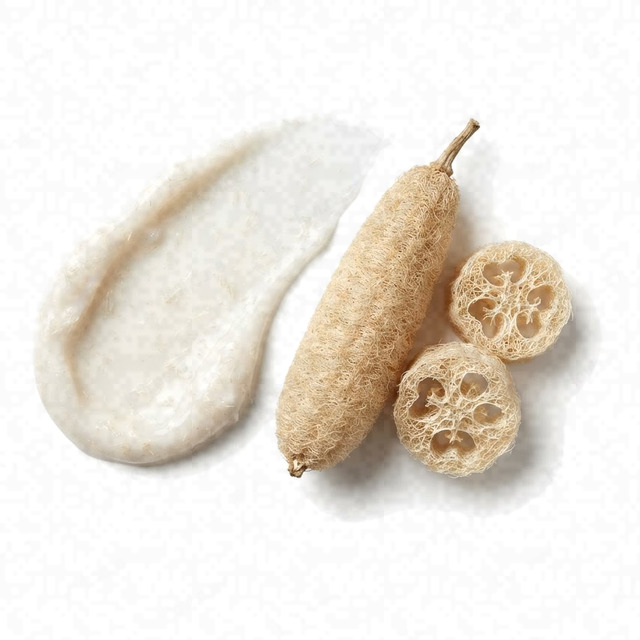 Luffa Cylindrica Extract
High
- AverageCombination Skin Fit
- HighEffectiveness
- HighSafety
A great choice for combination skin; a few toners fit it even better.
This fit is calculated for the concerns frequently associated with combination skin: an oily T-zone, enlarged pores, and dry cheeks. For scores and recommendations based on your full skin profile, including your 12D face scan results and any goals or preferences you have, please use the Lovi app.
Page built Nov 8, 2026How the Fit score works
Lovi Assistant explains
- Offers moderate suitability for your combination skin, as niacinamide and Saccharomyces Rice Ferment Filtrate help control oil and refine pores, while sodium hyaluronate provides excellent hydration.
- Camellia Sinensis Leaf Extract and Cladosiphon Okamuranus Extract offer additional soothing and antioxidant benefits, complementing the overall hydration and oil control.
- The product is safe for your combination skin, with no risks of irritation due to the absence of harsh ingredients and the presence of soothing components.
How to apply
- Use this hydrating toner in your AM and PM routines. Start 3 times a week and move to daily use if your skin likes it.
- Apply this hydrating toner after your cleanser and before your moisturizer or SPF. This keeps your skin balanced and ready.
- Gently press 2-3 drops of the hydrating toner into your skin with your hands. Let it ⏳absorb for a minute before the next step.
- Apply the hydrating toner on slightly damp skin to help it absorb better. Clean skin gives the best results for your oily shine goal.
- Avoid the eye area when using your hydrating toner. Always do a quick patch test before your first use.
People Say
★4.6Overall rating based on 900+ reviewsUsers with oily, combination, and textured skin report significant improvements in skin smoothness and clarity, often noting reduced pore visibility and balanced sebum production without the dryness associated with typical exfoliants. While highly effective for most in clearing blackheads and refining texture, a small minority of users with hypersensitive skin experienced irritation or purging.
Highlights
Gentle exfoliation Often Mentioned
- “smooths rough texture”
- “gentle enough for daily use”
- “no stinging sensation”
Pore and oil control Often Mentioned
- “reduced oiliness”
- “minimized look of pores”
- “cleared blackheads”
Expensive product Often Mentioned
- “pricey for the amount”
- “steep price tag”
- “luxury splurge”
Hydrating feel Sometimes Noted
- “doesn't dry out skin”
- “feels hydrating”
- “leaves skin plump”
Improved radiance Sometimes Noted
- “skin looks glowing”
- “evens skin tone”
- “brighter appearance”
Luxurious experience Sometimes Noted
- “spa-like herbal scent”
- “refreshing application”
- “beautiful glass packaging”
Polarizing scent Sometimes Noted
- “smells like fennel”
- “medicinal scent”
- “strong herbal fragrance”
Caused irritation Rarely Noted
- “caused breakouts”
- “burning sensation”
- “redness after use”
No results Rarely Noted
- “didn't see a difference”
- “average results”
- “not strong enough”
Sources: lovi.care, sephora.com, tatcha.com, ulta.com, mecca.com, influenster.com, and more
Questions and answers
What makes Tatcha The Texture Tonic a great fit for combination skin?
Tatcha The Texture Tonic is a great fit for combination skin because niacinamide and rice ferment help control oil and refine pores, while sodium hyaluronate keeps dry areas hydrated. Green tea and algae extracts add soothing benefits, and the formula is gentle enough to avoid irritation.
Which ingredients make this toner a good fit for combination skin?
Niacinamide and Saccharomyces Rice Ferment Filtrate help control oil and keep pores looking small, while sodium hyaluronate brings deep moisture to dry areas without feeling heavy. Camellia Sinensis Leaf Extract and Cladosiphon Okamuranus Extract also calm the skin and protect it with antioxidants.
What does Niacinamide do for combination skin?
Niacinamide helps balance oily areas by reducing excess shine and pore size while keeping dry patches hydrated and smooth. It also works to calm redness and even out skin tone, making it very suitable for combination skin.
What does Hyaluronic Acid do for combination skin?
Hyaluronic acid is a great fit for combination skin because it quenches dry areas with a boost of hydration while keeping oily zones balanced. Regular use helps smooth out fine lines and makes your skin feel soft and plump without causing irritation.
Dermatology and Therapy, 2021Journal of Drugs in Dermatology, 2011
Where does this toner go in a skincare routine for combination skin?
This hydrating toner is used right after cleansing in your morning routine, and after your cleansing mask in your weekly routine. It helps keep your skin balanced by managing oil while providing deep hydration.
International Journal of Cosmetic Science, 2020Journal of Clinical Medicine, 2021
Can I use this toner with retinol, and in what order?
Yes, you can use this hydrating toner with your retinol, applying the toner first to damp skin and following with your retinol once it absorbs. This helps keep your combination skin smooth and hydrated while minimizing any potential dryness from the retinol.
How often should I use this toner?
You can use this hydrating toner daily in your morning routine after cleansing and before your moisturizer. It helps control oil and keep your skin calm while providing great hydration.
International Journal of Cosmetic Science, 2020Journal of Clinical Medicine, 2021
Can this toner clog pores, cause breakouts or purging for combination skin?
This toner is a great fit and is unlikely to clog pores or cause breakouts on combination skin. Niacinamide and Saccharomyces Rice Ferment Filtrate help control oil and refine pores while keeping your skin calm.
Is this toner fragrance-free and alcohol-free?
It has no fragrance and contains drying alcohol (alcohol).
What the research says
Application of Galactomyces ferment filtrate skin care formula significantly reduced the net values and daily fluctuation of facial pore area, roughness, and redness in young Japanese women.
Journal of Clinical Medicine, 2021Topical low-dose green tea extract reduces UVB-induced p53 expression and apoptosis in human skin keratinocytes compared to placebo.
Experimental Dermatology, 2009An anti-acne hydrogel containing Aloe barbadensis, Garcinia mangostana, and Camellia sinensis extracts showed superior antiacne and antiblotch activities compared to 1% clindamycin gel in sixty subjects with mild-moderate acne.
Clinical, Cosmetic and Investigational Dermatology, 2019Topical low molecular weight fucoidan (LMF) promoted dermal wound healing in a dose-dependent manner by increasing wound contraction, granular tissue formation, collagen distribution, angiogenesis, and antioxidant activities, while reducing inflammation compared to distilled water.
Marine Drugs, 2017Topical post-laser application of human adipocyte-derived mesenchymal stem cell media combined with niacinamide significantly improved wrinkle index, melanin index, patient satisfaction, and investigator esthetic improvement scores compared to vehicle cream in patients with aging skin.
Journal of Cosmetic Dermatology, 2021Topical nicotinamide prevented solar-simulated UV-induced immunosuppression in healthy volunteers, and men experienced immunosuppression at solar-simulated UV doses three times lower than those required for women.
The Journal of Investigative Dermatology, 2008Topical 5% niacinamide applied twice daily for 12 weeks reduced fine lines and wrinkles, hyperpigmented spots, red blotchiness, and skin sallowness, and improved skin elasticity compared to vehicle control in 50 female white subjects with facial photoaging.
Dermatologic Surgery, 2005Topical application of 0.1% hyaluronic acid formulations of different molecular weights led to significant improvements in skin hydration and elasticity, with low-molecular-weight formulations also significantly reducing wrinkle depth in seventy-six female subjects compared to a vehicle control.
Journal of Drugs in Dermatology, 2011Topical application of hyaluronic acid in conjunction with free gingival graft significantly reduced donor site postoperative pain until day 7 compared to normal saline, with no significant differences in graft dimensions or patient satisfaction.
Clinical Oral Investigations, 2022Treatment with a hyaluronic acid-containing mouth rinse or topical gel led to significant lesion reduction, pain relief, and normalization of lesion color in adult patients with minor recurrent aphthous stomatitis, with the gel formulation showing an earlier healing onset at 3 days.
BMC Oral Health, 2019Daily application of a cream containing niosomes loaded with purple glutinous rice extract in 20 human volunteers for 28 days resulted in a significant decrease in melanin index and skin roughness by -14.05% and -9.95%, and increases in skin hydration and elastic recovery by +48.73% and +35.98% compared to initial values.
International Journal of Cosmetic Science, 2020The iontophoretic delivery of hyaluronic acid nanogel-loaded Saccharomyces/Rice Ferment Filtrate significantly reduced advanced glycation end products and mitigated skin stiffening in an ex vivo skin tissue glycation model.
International Journal of Nanomedicine, 2025Red rice extract suppressed UVB-induced inflammation and skin aging in human skin fibroblasts by inhibiting the MAPK signaling pathway, leading to decreased NF-kappa B and AP-1 activation, reduced ECM degradation, and increased ECM synthesis compared to UVB-irradiated controls.
Natural Product Communications, 2016Topical green tea extract significantly improved clinical symptoms, tear breakup times, and meibomian gland health compared to standard treatment in patients with dry eye and Meibomian Gland Dysfunction.
Journal of Clinical and Diagnostic Research, 2017Topical application of green tea extract encapsulated chitosan microparticles improved skin elasticity, melanin index, and facial wrinkles compared to a placebo in female volunteers without causing skin irritation.
Journal of Cosmetic Dermatology, 2022A moisturizing cream containing 2% l-carnitine and 5% EGCG significantly reduced sebum levels and improved skin hydration in ninety subjects with seborrhea over 4 weeks, showing greater anti-sebum efficacy in the combination group compared to the l-carnitine group alone.
Journal of Cosmetic Dermatology, 2023Topical Luffa cylindrica extract suppressed plasma IgE levels by 36% and histamine by 41%, and reduced AD-like skin lesions in Dermatophagoides farinae-sensitized Nc/Nga mice compared to untreated sensitized mice.
Pharmaceutical Biology, 2015Luffa cylindrica stem sap stimulated growth and migration, induced type I procollagen and elastin synthesis, downregulated proteinases, and reversed UV-A-induced damage in human skin fibroblasts.
Biochemical and Biophysical Research Communications, 2021
Ingredients
Water, Butylene Glycol, Pentylene Glycol, Niacinamide, Saccharomyces Rice Ferment Filtrate, Camellia Sinensis Leaf Extract, Cladosiphon Okamuranus Extract, Sodium Hyaluronate, Luffa Cylindrica Stem Extract Leaf Fruit, Salvia Sclarea Oil, Fennel Oil, Citrus Aurantifolia Juice, Eucalyptus Globulus Oil Leaf, Rosmarinus Officinalis Oil Leaf Rosemary Oil Leaf, Rosa Multiflora Fruit Extract, Citrus Aurantium Dulcis Juice, Artemisia Princeps Leaf Extract, Cymbopogon Martini Oil, Lemon Juice, Lavandula Angustifolia Oil Lavender Oil, Mentha Arvensis Oil Leaf, Cananga Odorata Oil Flower, Crataegus Cuneata Fruit Extract, Ziziphus Jujuba Fruit Extract, Grapefruit Fruit Extract, Pyrus Malus Fruit Extract, Belamcanda Chinensis Root Extract, Eriobotrya Japonica Leaf Extract, Houttuynia Cordata Extract, 1,2-Hexanediol, Ppg-6-Decyltetradeceth-20, Peg-30 Glyceryl Isostearate, Peg-50 Glyceryl Isostearate, Propanediol, Sodium Citrate, Pentasodium Pentetate, Citric Acid, Ethylhexylglycerin, Alcohol, Phenoxyethanol
Behind this fit score
Lovi calculates every fit score from the full ingredient list with brand-independent rules our dermatologists and cosmetic chemists build and review, and personalizes every pick with AI trained on the real results of millions of users. Lovi trains its fit score models on a proprietary dataset built from more than 10,000 expert-labeled products and more than 100,000 simulated examples, following an internally consistent methodology presented at Cosmoprof, AMWC, and Skin of Color Update.
-

Co-founder, Medical Director
Cosmetic chemist, cosmetologist, aesthetic products developer
-

Co-founder, CEO and CTO
PhD in computer science, 3x US patent holder, ex-Google, ex-Yandex
-

Dr. Sofía Perea Pérez, MD, MSc
Medical Board
Aesthetic medicine practitioner, MSc in Longevity and Anti-Aging Medicine
-

Medical Board
Specialist dermatologist, MBBS, MD, IFAAD
-

Medical Board
Cosmetic chemist, SCS, IFSCC member
-

Medical Board, Medical Advisor
Dermatology MD
-

Elina Nazarenko, MD
Medical Board
Dermatology and diagnostic consultant
-

Victoria Derkova, MS
Medical Board
Cosmetic chemist, cosmetic development technologist


How does it fit your skin?
Scan your face, then any product: Lovi shows how well it fits you and what fits even better.