Tatcha The Silk Sunscreen SPF 50 for sensitive skin

 Niacinamide
 Sodium Hyaluronate
 Zinc Oxide
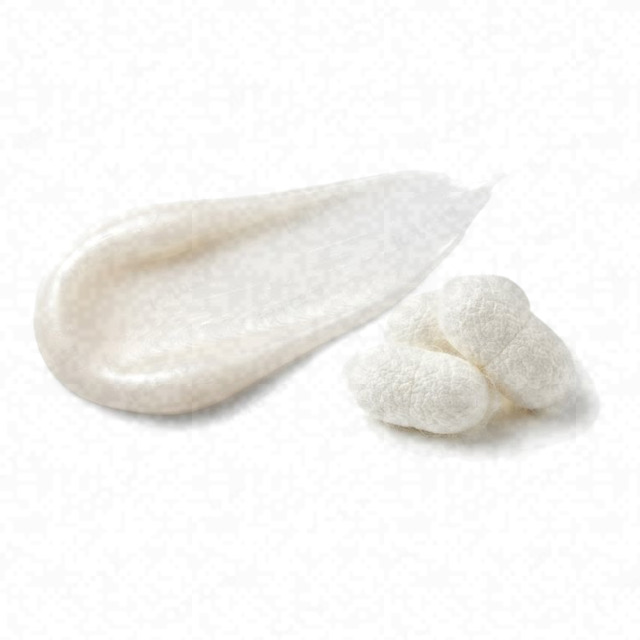 Hydrolyzed Silk
 Squalane
Average
- AverageNormal Skin Fit
- AverageEffectiveness
- Low RiskSafety
Works for sensitive skin; other sunscreens fit it better.
- Medicina Oral, Patologia Oral Y Cirugia Bucal, 2020
- Medicina Oral, Patologia Oral Y Cirugia Bucal, 2016
This fit is calculated for the concerns frequently associated with sensitive skin: redness, stinging, and reactions to new products. For scores and recommendations based on your full skin profile, including your 12D face scan results and any goals or preferences you have, please use the Lovi app.
Page built Nov 8, 2026How the Fit score works
Lovi Assistant explains
- Offers moderate suitability for normal skin, as ingredients like Bisabolol and Allantoin provide anti-inflammatory and barrier repair benefits, though it lacks sufficient humectants for optimal hydration.
- The high concentration of zinc oxide offers excellent UV protection, while squalane and sodium hyaluronate provide moisturizing benefits, supporting general skin health.
- The product is generally safe for your sensitive skin, with minimal risks of irritation from fragrance and essential oils.
How to apply
- Apply this moisturizing sunscreen AM daily as the final step of your morning routine. Always reapply every two hours when exposed to the sun.
- Apply after your regular moisturizer and before makeup. This product combines hydration and sun protection in one easy step.
- Gently smooth a nickel-sized amount evenly across your face and neck. Avoid rubbing harshly to keep sensitive skin calm.
- Apply the moisturizing sunscreen to clean , dry skin for the best protection. Let it absorb ⏱ fully before stepping outside.
- Avoid direct contact with your eyes. Do a patch test before your first use since your skin is sensitive.
People Say
★4.1Overall rating based on 1.2k+ reviewsBased on a very large amount of data, users consistently praise this mineral sunscreen for its ultra-lightweight, liquid texture that functions exceptionally well as a makeup primer, leaving skin with a radiant, dewy finish. The product faces significant criticism regarding its packaging, specifically a tendency for the bottle's purple coating to flake off onto hands and faces, as well as a white cast that can be problematic for deeper skin tones.
Highlights
Weightless texture Mostly Mentioned
- “feels like nothing”
- “liquid silk”
- “absorbs instantly”
- “serum-like consistency”
Hydrating finish Often Mentioned
- “dewy glow”
- “moisturizing”
- “radiant look”
- “not greasy”
Makeup compatibility Often Mentioned
- “great primer”
- “no pilling”
- “foundation glides on”
- “smooths pores”
Defective packaging Often Mentioned
- “purple paint flakes off”
- “bottle peeling”
- “flecks on face”
- “leaky cap”
High price Often Mentioned
- “too expensive”
- “small bottle”
- “pricey for amount”
- “$64 is steep”
Gentle formula Sometimes Noted
- “no irritation”
- “great for sensitive skin”
- “didn't break me out”
- “soothing zinc”
White cast Sometimes Noted
- “ghostly on dark skin”
- “purple tint”
- “ashy look”
- “needs blending”
Runny consistency Rarely Noted
- “spills easily”
- “too watery”
- “messy application”
- “hard to control”
Sources: lovi.care, sephora.com, ulta.com, influenster.com, amazon.com, spacenk.com, and more
Questions and answers
How well does Tatcha The Silk Sunscreen work for sensitive skin?
Tatcha The Silk Sunscreen SPF 50 works for sensitive skin, though other products fit it better. It is generally safe with minimal risk of irritation, but products of this type need extra soothing ingredients and deep moisture without heavy weights to truly calm and comfort sensitive skin.
Which ingredients make this sunscreen a good fit for sensitive skin?
Bisabolol and allantoin help calm your skin, while zinc oxide provides gentle sun protection. To work well for sensitive skin, this type of product also needs extra hydrating ingredients to keep the skin comfortable.
What does Niacinamide do for sensitive skin?
Niacinamide helps calm sensitive skin by strengthening the skin barrier and reducing redness and irritation. It is very well tolerated and may improve overall comfort and resilience with regular use.
What does Hyaluronic Acid do for sensitive skin?
Hyaluronic acid helps calm and hydrate sensitive skin while supporting the skin barrier to keep it soft and comfortable. Clinical studies show it improves surface moisture and reduces dryness, roughness, and redness without irritation.
Journal of Drugs in Dermatology, 2025Journal of Cosmetic Dermatology, 2018
Where does this sunscreen go in a skincare routine for sensitive skin?
This sunscreen goes in your morning routine as the final step after a cleanser and soothing toner. To work best for sensitive skin, this type of product needs extra hydrating ingredients like glycerin or hyaluronic acid to keep the skin comfortable all day.
Can I use this sunscreen with retinol, and in what order?
You can use this sunscreen in the morning after your retinol routine is complete, since retinol is strictly for nighttime use. This product is generally safe for your sensitive skin and lacks fragrance or essential oils, though a product for this skin needs extra hydrating humectants to keep skin fully soft and smooth.
How often should I use this sunscreen?
Use this sunscreen in the morning as part of your daily routine. Products of this type work best for sensitive skin when they include calming ingredients like bisabolol and allantoin alongside reliable UV protection.
Can this sunscreen clog pores, cause breakouts or purging for sensitive skin?
This sunscreen is unlikely to clog pores or cause purging for sensitive skin, as it is generally safe and free of typical irritation triggers like fragrance and essential oils. To work best for sensitive skin, a product of this type needs soothing ingredients like bisabolol and allantoin to calm the skin, along with enough moisture-binding ingredients for optimal hydration.
Is this sunscreen fragrance-free and alcohol-free?
Yes, it has no fragrance and no drying alcohol.
What the research says
A topical gel containing chitosan, chlorhexidine, allantoin, and dexpanthenol significantly reduced postoperative pain, trismus, swelling, and analgesic consumption, while improving wound healing after third molar surgery compared to a placebo.
Medicina Oral, Patologia Oral Y Cirugia Bucal, 2020Topical gel containing chitosan, 0.2% chlorhexidine, allantoin and dexpanthenol did not improve postoperative comfort regarding swelling and pain, but improved the wound's aesthetic appearance following impacted lower third molar extraction compared to no gel.
Medicina Oral, Patologia Oral Y Cirugia Bucal, 2016Squalane at 0.005-0.015% counteracts UVA-induced oxidative stress, inflammation, and collagen metabolism inhibition while stimulating fibroblast migration in human dermal fibroblasts.
Molecules, 2025Topical post-laser application of human adipocyte-derived mesenchymal stem cell media combined with niacinamide significantly improved wrinkle index, melanin index, patient satisfaction, and investigator esthetic improvement scores compared to vehicle cream in patients with aging skin.
Journal of Cosmetic Dermatology, 2021Topical nicotinamide prevented solar-simulated UV-induced immunosuppression in healthy volunteers, and men experienced immunosuppression at solar-simulated UV doses three times lower than those required for women.
The Journal of Investigative Dermatology, 2008Topical 5% niacinamide applied twice daily for 12 weeks reduced fine lines and wrinkles, hyperpigmented spots, red blotchiness, and skin sallowness, and improved skin elasticity compared to vehicle control in 50 female white subjects with facial photoaging.
Dermatologic Surgery, 2005Topical application of 0.1% hyaluronic acid formulations of different molecular weights led to significant improvements in skin hydration and elasticity, with low-molecular-weight formulations also significantly reducing wrinkle depth in seventy-six female subjects compared to a vehicle control.
Journal of Drugs in Dermatology, 2011Topical application of hyaluronic acid in conjunction with free gingival graft significantly reduced donor site postoperative pain until day 7 compared to normal saline, with no significant differences in graft dimensions or patient satisfaction.
Clinical Oral Investigations, 2022Treatment with a hyaluronic acid-containing mouth rinse or topical gel led to significant lesion reduction, pain relief, and normalization of lesion color in adult patients with minor recurrent aphthous stomatitis, with the gel formulation showing an earlier healing onset at 3 days.
BMC Oral Health, 2019Topical 0.5% hyaluronic-ZnO nanogel applied twice daily reduced inflammatory-lesion counts by 58% at week four in human subjects compared to baseline without causing erythema.
Biomedicines, 2025Nels cream achieved a similar reduction in inflammatory and noninflammatory lesion counts compared to 5% benzoyl peroxide in acne vulgaris patients, but caused significantly fewer side-effects such as peeling and dryness.
Clinical and Experimental Dermatology, 2000Topically applied coated and uncoated zinc oxide nanoparticles under flexing and massage are retained in the stratum corneum with no significant penetration into the viable epidermis and no cellular toxicity in human skin.
Nanomedicine, 2016Bacterial cellulose wound dressing containing silk sericin and PHMB improved wound quality and reduced pain compared to Bactigras in patients with split-thickness skin graft donor-site wounds.
Archives of Dermatological Research, 2018A bacterial nanocellulose wound dressing incorporating polyhexamethylene biguanide and sericin showed no skin irritation in healthy volunteers and significantly promoted wound healing with lower wound size and higher collagen formation in full-thickness rat wounds compared to controls.
Archives of Dermatological Research, 2016Topical application of sericin gels increased skin intrinsic moisturization, hydroxyproline content, and epidermal hydration while decreasing transepidermal water loss and skin impedance in healthy human volunteers.
Journal of Cosmetic Dermatology, 2005Plant-derived squalane protected human dermal fibroblasts against UVA-induced damage by counteracting ROS formation, suppressing apoptosis-related proteins p53, caspase-3, caspase-9, and PARP, and restoring the pro-survival p-Akt/mTOR pathway.
Antioxidants, 2025
Ingredients
Zinc Oxide, Water, C12-15 Alkyl Benzoate, Caprylic Capric Triglyceride, Lauryl Peg-8 Dimethicone, Dimethicone, Isododecane, Tridecyl Salicylate, Hdi Trimethylol Hexyllactone Crosspolymer, Propanediol, Caprylyl Methicone, Polymethylsilsesquioxane, Niacinamide, Saccharomyces Rice Ferment Filtrate, Silica, Squalane, Camellia Sinensis Leaf Extract, Cladosiphon Okamuranus Extract, Hydrolyzed Silk, Bisabolol, Allantoin, Tocopherol, Theobroma Cacao Seed Extract, Arctium Lappa Root Extract, Kappaphycus Alvarezii Extract, Sodium Hyaluronate, Lecithin, Caesalpinia Spinosa Fruit Extract, Lactobacillus, Maltodextrin, Caprylyl Glycol, Dimethicone Crosspolymer, Hydrogenated Lecithin, Tetrasodium Glutamate Diacetate, Peg-10, Polyglyceryl-2 Dipolyhydroxystearate, Propylene Glycol, Lauryl Peg-10 Tris Trimethylsiloxy Silylethyl Dimethicone, Polyglyceryl-4 Diisostearate Polyhydroxystearate Sebacate, Butylene Glycol, Phosphoric Acid, Sodium Hydroxide, Sodium Chloride, Hexylene Glycol, Ethylhexylglycerin, Phenoxyethanol
Behind this fit score
Lovi calculates every fit score from the full ingredient list with brand-independent rules our dermatologists and cosmetic chemists build and review, and personalizes every pick with AI trained on the real results of millions of users. Lovi trains its fit score models on a proprietary dataset built from more than 10,000 expert-labeled products and more than 100,000 simulated examples, following an internally consistent methodology presented at Cosmoprof, AMWC, and Skin of Color Update.
-

Co-founder, Medical Director
Cosmetic chemist, cosmetologist, aesthetic products developer
-

Co-founder, CEO and CTO
PhD in computer science, 3x US patent holder, ex-Google, ex-Yandex
-

Dr. Sofía Perea Pérez, MD, MSc
Medical Board
Aesthetic medicine practitioner, MSc in Longevity and Anti-Aging Medicine
-

Medical Board
Specialist dermatologist, MBBS, MD, IFAAD
-

Medical Board
Cosmetic chemist, SCS, IFSCC member
-

Medical Board, Medical Advisor
Dermatology MD
-

Elina Nazarenko, MD
Medical Board
Dermatology and diagnostic consultant
-

Victoria Derkova, MS
Medical Board
Cosmetic chemist, cosmetic development technologist


How does it fit your skin?
Scan your face, then any product: Lovi shows how well it fits you and what fits even better.