
St. Ives BHA Exfoliant

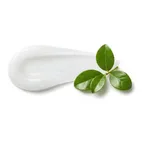 Salicylic Acid
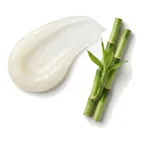 Bambusa Vulgaris Powder
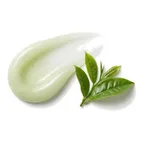 Camellia Sinensis Leaf Extract
Salicylic acid, bamboo stem powder, and green tea leaf extract clear pores, control shine, and soothe skin, so it suits oily skin, acne-prone skin, and oily acne-prone skin best. Where to buy in the US: Amazon.com, $14.99.
Each fit is calculated for the concerns frequently associated with that skin type. For scores and recommendations based on your full skin profile, including your 12D face scan results and goals, use the Lovi app.
Updated How the Fit score works
Where it fits best and least
Best fit High
Oily Skin, Acne-Prone Skin, Oily Acne-Prone Skin
One of the best products for oily skin.
- Offers moderate exfoliation for your oily skin, as salicylic acid and bambusa vulgaris powder work to clear pores and control shine. Camellia sinensis leaf extract also provides antioxidant benefits, complementing your skin's needs.
Lowest fit Caution
Dry Skin, Mature Skin, Dry Sensitive Skin
A poor match for dry skin.
- Offers moderate exfoliation for your dry skin due to salicylic acid, which helps decongest pores and mildly exfoliate flakes, though the presence of Sodium Laureth Sulfate can strip natural oils.
Other skin types
Buy online

Prices checked 22 Nov 2026
How to apply
- Use this exfoliant product as part of your PM routine once a week. Start slowly and build up frequency only if your skin tolerates it well.
- Apply the exfoliant after cleansing and toner, but right before your moisturizer.
- Gently press 2-3 drops of the exfoliant into your skin and let it absorb fully. Avoid any harsh rubbing to keep your skin calm.
- Always avoid the delicate eye area when applying. Be sure to use a broad-spectrum SPF 30+ daily while using exfoliating acids.
People Say
★4.3Overall rating based on 500+ reviewsUsers generally praise this liquid exfoliant for being surprisingly gentle and non-drying compared to the brand's famous scrubs, making it a favorite for those with sensitive but oily skin. While many report smoother texture and clearer pores after consistent use, a minority find the formula too mild to treat stubborn acne or experienced initial skin purging.
Highlights
Gentle and non-irritating Often Mentioned
- “gentle on sensitive skin”
- “no stinging sensation”
- “didn't strip my skin”
- “safe for daily use”
Smoother skin texture Often Mentioned
- “skin feels softer”
- “removed dead skin patches”
- “face looks less dull”
- “makeup applies better”
Effective pore control Sometimes Noted
- “cleared my blackheads”
- “pores appear smaller”
- “reduced sebaceous filaments”
- “helped with oiliness”
Fragrance-free formula Sometimes Noted
- “love that it's unscented”
- “no overwhelming smell”
- “great for sensory issues”
- “doesn't smell like chemicals”
Slow or mild results Sometimes Noted
- “didn't see a difference”
- “too gentle for deep acne”
- “took weeks to work”
- “wanted stronger exfoliation”
Drying for dry areas Rarely Noted
- “skin felt tight”
- “caused flaking around nose”
- “dried out my cheeks”
- “need heavy moisturizer after”
Initial breakouts Rarely Noted
- “caused small whiteheads”
- “broke me out at first”
- “worsened acne initially”
- “skin purged for a week”
Rare sensitivity Rarely Noted
- “redness after application”
- “slight burning sensation”
- “irritated my barrier”
Sources: lovi.care, walmart.com, tryandreview.com, reddit.com, and more
Questions and answers
What makes St. Ives BHA Exfoliant a great fit for oily skin?
St. Ives BHA Exfoliant is a great fit because salicylic acid and bamboo powder clear out pores and help control shine on oily skin. Green tea extract also provides helpful antioxidants that complement your skin's needs safely without causing irritation.
Dermatologic Therapy, 2013Clinical, Cosmetic and Investigational Dermatology, 2019
How well does St. Ives BHA Exfoliant work for combination skin?
St. Ives BHA Exfoliant works reasonably well for combination skin by removing impurities and excess oil while providing hydration and antioxidants. However, an exfoliant treatment for this skin fits better when it contains ingredients like niacinamide, propolis, and zinc PCA to regulate oiliness and enhance radiance without any risk of irritation.
Why is St. Ives BHA Exfoliant a weak match for sensitive skin?
St. Ives BHA Exfoliant is a weak match for sensitive skin because it contains Sodium Laureth Sulfate, which can be stripping and drying. A product of this type needs effective ingredients that provide excellent skincare benefits for redness and irritation while posing no risk of irritation, along with potent antioxidants, hydrating components, and skin-repairing ingredients.
Why does Lovi advise caution with St. Ives BHA Exfoliant for dry skin?
Lovi advises caution because while salicylic acid helps clear flakes, ingredients like Sodium Laureth Sulfate may strip your skin's natural oils. This exfoliant lacks the soothing, hydrating ingredients and skin barrier support that dry skin needs, such as ceramides, niacinamide, peptides, or vitamin C.
Can I use this exfoliant with retinol, and in what order?
You can use this exfoliant in your evening routine, but it is best to apply it on different nights than your retinol to keep your skin calm and smooth. Using strong active ingredients like these on separate days helps prevent dryness and irritation.
Is it fragrance-free and alcohol-free?
Yes, it has no fragrance and no drying alcohol.
What makes St. Ives BHA Exfoliant a great fit for acne-prone skin?
St. Ives BHA Exfoliant is a great fit because it contains salicylic acid and glycerin, which help to unclog pores and reduce inflammation while keeping skin comfortable. It also features bambusa vulgaris powder to effectively address exfoliation needs while maintaining a safe profile that minimizes irritation risks for your skin.
Journal of Cosmetic Dermatology, 2024Journal of Drugs in Dermatology, 2023
Why is St. Ives BHA Exfoliant a weak match for skin with dark spots?
St. Ives BHA Exfoliant is a weak match because it cleanses pores with salicylic acid but lacks the specialized ingredients needed to address dark spots. Its cleansing ingredients can also be stripping and may disrupt your skin barrier. An exfoliant treatment for this skin needs effective antioxidants and soothing or repairing ingredients like niacinamide and propolis to fade dark spots without irritation.
Why does Lovi advise caution with St. Ives BHA Exfoliant for mature skin?
Lovi advises caution because it contains sodium laureth sulfate, which can be stripping and moderately unsuitable for normal skin, and its overall formulation lacks ingredients specifically targeting wrinkles and fine lines. An exfoliant treatment for mature skin needs to be exceptionally safe with no risk of irritation, effectively target wrinkles with high-quality ingredients, and include a combination of potent antioxidants, hydrating components, and skin-repairing ingredients.
International Journal of Pharmaceutics, 2026Food and Chemical Toxicology, 2001
What makes St. Ives BHA Exfoliant a great fit for oily acne-prone skin?
St. Ives BHA Exfoliant is a great fit because salicylic acid helps with breakouts and blemishes while glycerin keeps your skin soft and comfortable. The formula also includes soothing plant extracts and avoids harsh ingredients, so it is unlikely to cause irritation on oily skin.
BioMed Research International, 2020Journal of Cosmetic Dermatology, 2024
Why does Lovi advise caution with St. Ives BHA Exfoliant for dry sensitive skin?
Lovi advises caution because this exfoliant may strip natural oils and lacks sufficient hydrating ingredients to counteract potential dryness on your skin. A product of this type needs effective moisturizing and nourishing ingredients that provide excellent hydration and barrier support without any risk of irritation.
What the research says
An anti-acne hydrogel containing Aloe barbadensis, Garcinia mangostana, and Camellia sinensis extracts showed superior antiacne and antiblotch activities compared to 1% clindamycin gel in sixty subjects with mild-moderate acne.
Clinical, Cosmetic and Investigational Dermatology, 2019A moisturizer containing licochalcone A, 1,2-decanediol, L-carnitine, and salicylic acid significantly reduced noninflammatory, inflammatory, and total acne lesion counts compared to a vehicle control in Thai patients during a 12-week maintenance phase.
BioMed Research International, 2020Treatment with 2% supramolecular salicylic acid hydrogel resulted in a regression and markedly improvement rate of 51.01% compared to 43.10% for Adapaline gel in patients with mild to moderate facial acne vulgaris, showing no significant difference in efficacy.
Journal of Cosmetic Dermatology, 2024Topical 5% benzoyl peroxide plus salicylic acid achieved the greatest lesion reduction at early 2 to 4 week time points compared to benzoyl peroxide, clindamycin, and combination benzoyl peroxide/clindamycin, while 5% benzoyl peroxide plus salicylic acid and combination benzoyl peroxide/clindamycin showed similar efficacy at 10 to 12 weeks in acne patients.
Journal of the American Academy of Dermatology, 2010Topically formulated tea polyphenols show some benefit in reducing sebum secretion and treating acne vulgaris compared to baseline or control.
Antioxidants, 2016Topical application of tannase-converted green tea extract (TGE) significantly improved skin wrinkle indices and self-assessed wrinkle reduction compared to normal green tea extract (NGE) in human subjects over 8 weeks.
Journal of Cosmetic Dermatology, 2013Twice daily application of a multitargeted dermocosmetic cream provided comparable efficacy to benzoyl peroxide 5% gel in reducing inflammatory, non-inflammatory, and total lesions in 150 Caucasian subjects with mild-to-moderate acne over 56 days, while demonstrating superior skin tolerability.
Journal of Cosmetic Dermatology, 2024Treatment with sodium lauryl ether sulfate emulsion increased transepidermal water loss and skin surface pH while reducing stratum corneum hydration and natural moisturizing factor content compared to diacyl phospholipid emulsions and controls, irrespective of UVA irradiation, in eight healthy volunteers.
International Journal of Pharmaceutics, 2026Squamometry successfully detected subclinical skin surface alterations and discriminated between the irritating effects of sodium lauryl sulfate and sodium laureth sulfate on human skin using an open assay model.
Food and Chemical Toxicology, 2001Post-peel application of either topical tretinoin (0.25%) or retinol (0.25%) after a 30% salicylic acid peel effectively improves signs of photodamage compared to baseline in female subjects, with tretinoin performing slightly better than retinol in texture, roughness, and overall appearance at week 4.
Journal of Drugs in Dermatology, 2016The use of a salicylic acid-based dermocosmetic significantly reduces the needed quantity of benzoyl peroxide without impacting efficacy in mild to moderate acne, and as maintenance post-benzoyl peroxide allows a significant reduction of acne relapse compared to vehicle.
Journal of Drugs in Dermatology, 2023A single application of a moisturizing fluid containing hyaluronic acid 1%, glycerin 5%, and Centella asiatica stem cells extract significantly increased skin hydration by 29% and reduced transepidermal water loss at 24 hours compared to baseline and an untreated control site in twenty healthy women.
Clinical, Cosmetic and Investigational Dermatology, 2017Topical application of a 6% green tea extract formulation increased skin moisture, enhanced skin elasticity, and improved skin microrelief by reducing roughness in 24 volunteers compared to vehicle and control over 30 days.
Dermatologic Therapy, 2013Topical low-dose green tea extract reduces UVB-induced p53 expression and apoptosis in human skin keratinocytes compared to placebo.
Experimental Dermatology, 2009Topical green tea and green tea plus lotus multiple emulsions reduced casual sebum secretions compared to placebo in healthy adults, with the combined treatment producing significantly greater reductions than green tea alone over a 60-day period.
Hippokratia, 2013Treatment with 45% mandelic acid peel showed nearly equal overall efficacy as 30% salicylic acid peel in patients with mild-to-moderate facial acne vulgaris, but with fewer adverse effects.
Journal of Cosmetic Dermatology, 2020Skin irritation potential of surfactant mixtures in 13 human subjects was dose dependent, with the highest irritation observed in formulations containing sodium laureth sulfate, lauryl glucoside, and cocamide DEA together.
International Journal of Cosmetic Science, 1999
Ingredients
Water, Sodium Laureth Sulfate, Cocamidopropyl Betaine, Glycerin, Salicylic Acid, Bambusa Vulgaris Powder, Camellia Sinensis Leaf Extract, Sodium Chloride, Citric Acid, Sodium Benzoate, Potassium Sorbate
Behind these fit scores
Lovi calculates every fit score from the full ingredient list with brand-independent rules our dermatologists and cosmetic chemists build and review, and personalizes every pick with AI trained on the real results of millions of users. Lovi trains its fit score models on a proprietary dataset built from more than 10,000 expert-labeled products and more than 100,000 simulated examples, following an internally consistent methodology presented at Cosmoprof, AMWC, and Skin of Color Update.
-

Co-founder, Medical Director
Cosmetic chemist, cosmetologist, aesthetic products developer
-

Co-founder, CEO and CTO
PhD in computer science, 3x US patent holder, ex-Google, ex-Yandex
-

Dr. Sofía Perea Pérez, MD, MSc
Medical Board
Aesthetic medicine practitioner, MSc in Longevity and Anti-Aging Medicine
-

Medical Board
Specialist dermatologist, MBBS, MD, IFAAD
-

Medical Board
Cosmetic chemist, SCS, IFSCC member
-

Medical Board, Medical Advisor
Dermatology MD
-

Elina Nazarenko, MD
Medical Board
Dermatology and diagnostic consultant
-

Victoria Derkova, MS
Medical Board
Cosmetic chemist, cosmetic development technologist


How does it fit your skin?
Scan your face, then any product: Lovi shows how well it fits you and what fits even better.