SKINFOOD Black Sugar Perfect Enzyme Powder Wash for acne-prone skin

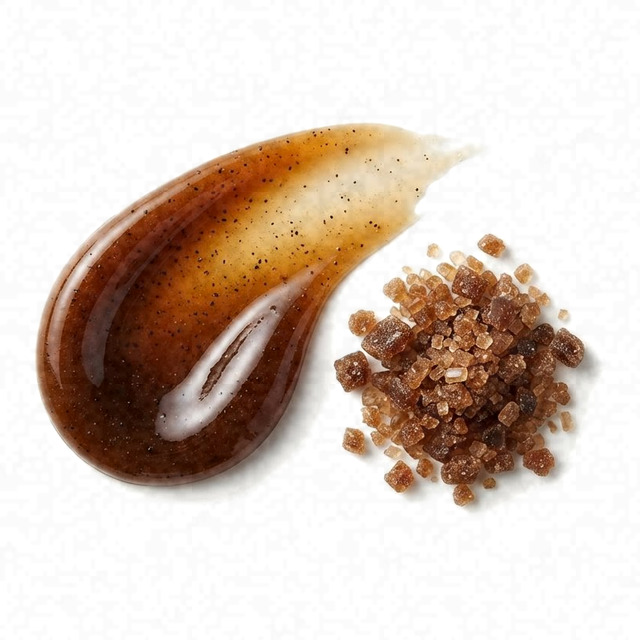 Black Sugar Extract
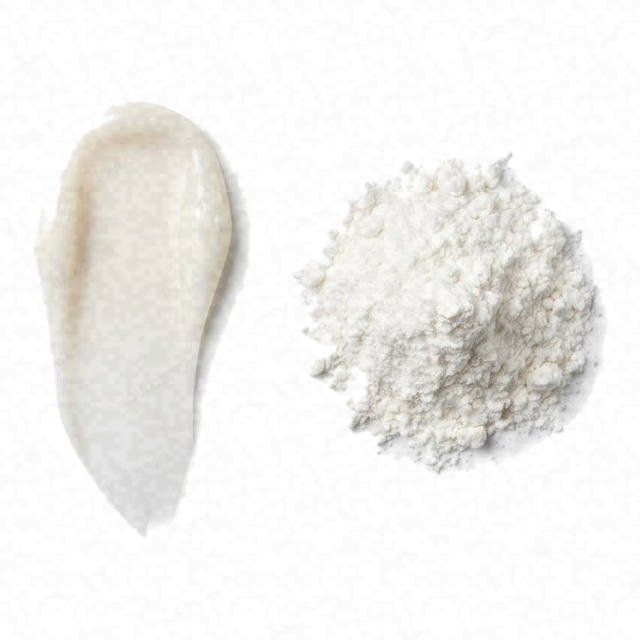 Zea Mays Starch
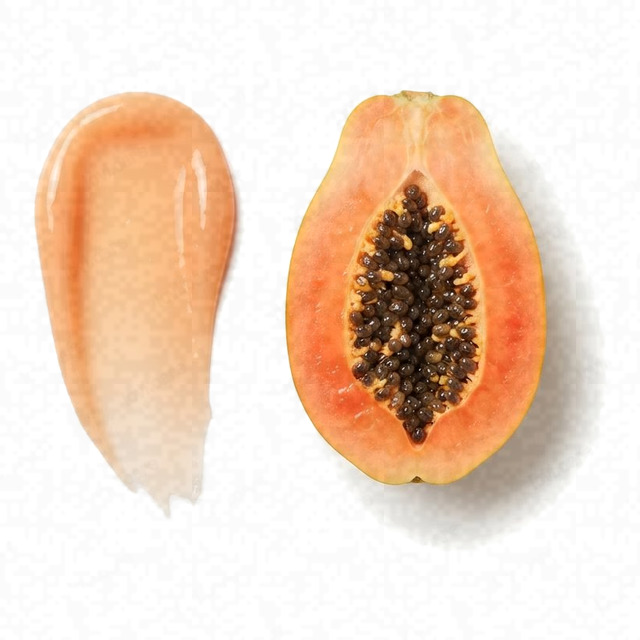 Papain
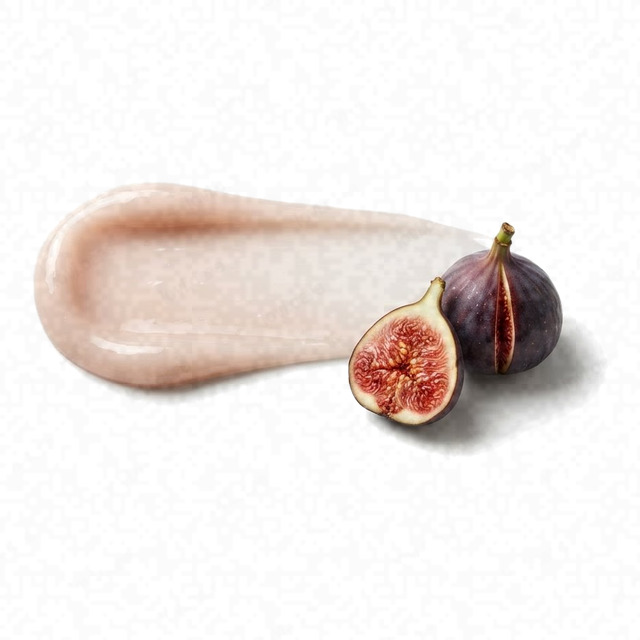 Ficus Carica Fruit Extract
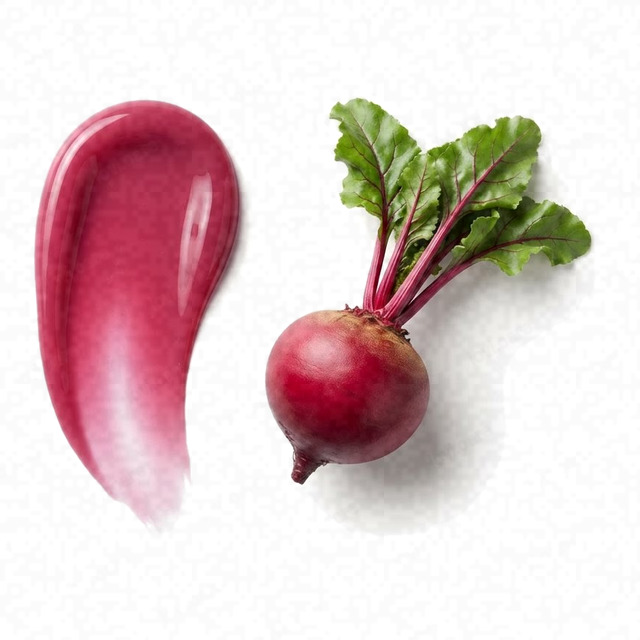 Beta Vulgaris Root Extract
Average
- HighCombination Skin Fit
- AverageEffectiveness
- ExcellentSafety
Works for acne-prone skin; other products fit it better.
This fit is calculated for the concerns frequently associated with acne-prone skin: breakouts, blackheads, and post-acne marks. For scores and recommendations based on your full skin profile, including your 12D face scan results and any goals or preferences you have, please use the Lovi app.
Page built Nov 8, 2026How the Fit score works
Lovi Assistant explains
- Offers moderate exfoliation for your combination skin, as papain and lactobionic acid provide enzymatic and mild chemical exfoliation to regulate desquamation. While beneficial for general cleansing, these ingredients are not specifically targeted for your acne, blemishes, and breakouts.
- Allantoin and betaine offer soothing benefits, contributing to a gentle experience for your acne-prone skin.
- The product is safe for your skin, with no risks of irritation due to the absence of harsh ingredients and the presence of soothing components.
How to apply
- Use your enzyme powder cleanser as part of your PM weekly routine. Start by using it once a week and build up slowly if your skin is happy.
- Place this step after your regular cleanser and before applying your hydrating toner. Follow the weekly routine order for the best results.
- Mix the powder with a little water in your hands to create a soft foam. Gently massage onto your face and avoid rubbing too hard.
- Apply the enzyme powder cleanser on slightly damp skin to help activate the formula evenly. Make sure your face is clean before applying.
- Avoid the sensitive eye area during application. Do a patch test first and do not combine this with strong acids on the same night.
People Say
★4.7Overall rating based on 100+ reviewsBased on limited data, this powder-to-foam cleanser is highly regarded for its gentle exfoliation and ability to leave skin feeling soft and hydrated without stripping. Users appreciate the convenient travel-friendly packaging. However, many find the product to be expensive for the quantity provided and express concerns about the environmental impact of the single-use sachets.
Highlights
Travel-friendly packaging Mostly Mentioned
- “Perfect for travel with convenient single-use packets”
- “Easy to take with you on trips”
- “Individual packaging is great for travel.”
Gentle exfoliation Often Mentioned
- “Much gentler than a typical scrub”
- “Leaves my skin incredibly soft and smooth”
- “Minimal irritation on the face.”
Low cost-effectiveness Often Mentioned
- “A bit pricey for the amount”
- “Isn't cost-effective”
- “Quantity is enough for a month's use.”
Effective deep cleanse Sometimes Noted
- “Feeling that my pores have been cleaned”
- “Helps remove excess sebum”
- “Leaves my skin feeling refreshingly clean.”
Non-stripping finish Sometimes Noted
- “Not dry or sticky”
- “Leaves skin soft and hydrated”
- “Doesn't feel stripping after use.”
Wasteful packaging Sometimes Noted
- “Creates a lot of waste”
- “Not the most environmentally friendly option”
- “Wish it wasn't single-use packets.”
Scent preferences Rarely Noted
- “Has a sour scent”
- “Slightly bitter notes”
- “Unique refreshing scent.”
Too gentle for some Rarely Noted
- “Hard to tell if it's actually removing dead skin”
- “Unsure whether it's effective or not”
- “Granules dissolve quickly.”
Sources: lovi.care, oliveyoung.com, yesstyle.com, hwahae.co.kr, whatsinmyjar.com, and more
Questions and answers
How well does SKINFOOD Black Sugar Perfect Enzyme Powder Wash work for acne-prone skin?
This product works for acne-prone skin, though other cleansers fit it better. It is unlikely to cause irritation and includes soothing ingredients, but it lacks specific ingredients to target breakouts. Acne-prone skin needs products that safely address blemishes with ingredients like niacinamide and licorice root extract while providing gentle cleansing and exfoliation.
Skin Research and Technology, 2003Medicina Oral, Patologia Oral Y Cirugia Bucal, 2020
Which ingredients make this cleanser a good fit for acne-prone skin?
Allantoin and betaine help calm your acne-prone skin, while papain and lactobionic acid provide gentle exfoliation to keep it smooth. However, because this is an average fit, acne-prone skin needs a cleanser with targeted blemish-fighting ingredients like niacinamide or licorice root extract alongside soothing and gentle components to truly thrive.
Skin Research and Technology, 2003Medicina Oral, Patologia Oral Y Cirugia Bucal, 2020
What does Black Sugar Extract do for acne-prone skin?
Black sugar extract helps hydrate and smooth acne-prone skin while assisting in managing blemish-causing bacteria by reducing excess moisture in pores. However, because high sugar levels can sometimes impair skin recovery or irritate sensitive skin, products for this skin type typically need balancing ingredients like soothing agents and gentle antibacterial compounds to keep the skin calm and clear.
What does Corn Starch do for acne-prone skin?
Corn starch is generally safe for acne-prone skin because it helps minimize friction and protects the skin barrier without clogging pores or fueling irritation. It is unlikely to cause breakouts, though acne-prone skin also benefits from ingredients that gently clear pores and balance oil.
Where does this cleanser go in a skincare routine for acne-prone skin?
This cleanser fits into your routine as a weekly exfoliating step used once a week, though people who tolerate it well may carefully use it more often. To truly tackle acne and breakouts, acne-prone skin needs targeted blemish-fighting ingredients and deeper treatments rather than just a basic wash.
Can I use this cleanser with retinol, and in what order?
You can use this enzyme powder cleanser in your routine, but apply your retinol afterward in your PM routine to avoid irritation since the cleanser provides gentle exfoliation. Acne-prone skin works best with products that specifically target breakouts and blemishes.
How often should I use this cleanser?
You can start using this enzyme powder cleanser once a week, and if your skin tolerates it well and you see good results, you can carefully use it more often. While it helps calm your skin with soothing ingredients like allantoin and betaine, this type of skin needs targeted ingredients like salicylic acid to properly manage acne and breakouts.
Can this cleanser clog pores, cause breakouts or purging for acne-prone skin?
This cleanser is unlikely to clog pores or cause breakouts for your acne-prone skin, as it contains soothing allantoin and betaine that help keep the experience gentle. However, because it lacks ingredients specifically targeted for blemishes and breakouts, acne-prone skin needs a cleanser that includes targeted blemish-fighting ingredients and clarifying actives.
Skin Research and Technology, 2003Medicina Oral, Patologia Oral Y Cirugia Bucal, 2020
Is this cleanser fragrance-free and alcohol-free?
Yes, it has no fragrance and no drying alcohol.
What the research says
Soaps containing betaine caused the least skin irritation compared to other tested soaps in twenty-eight healthy subjects, though irritation did not decrease with increasing concentrations of betaine.
Skin Research and Technology, 2003A topical gel containing chitosan, chlorhexidine, allantoin, and dexpanthenol significantly reduced postoperative pain, trismus, swelling, and analgesic consumption, while improving wound healing after third molar surgery compared to a placebo.
Medicina Oral, Patologia Oral Y Cirugia Bucal, 2020A fixed combination of hydroxypinacolone retinoate, retinol glycospheres, and papain glycospheres in aqueous gel applied once daily for 12 weeks achieved a 41% mean reduction in GAGS score and a 40.8% mean reduction in total lesions, with 15.3% of patients experiencing mild to moderate local side effects, in 94 evaluable patients with comedonal-papular, mild to moderate acne of the face.
Giornale Italiano Di Dermatologia E Venereologia, 2015A Ficus carica cell suspension culture extract reduced epinephrine, interleukin 6, lipid peroxide, and protein carbonylation, induced ceramide synthesis, and decreased transepidermal water loss and sebum production in skin cells and in vivo.
Antioxidants, 2021The combination of sucrose dilaurate and sucrose laurate suppressed HMGB1 release, melanin production, melanocyte dendricity, and melanosome transfer in vitro, and reduced the appearance of facial spots compared to vehicle in an 8-week human use test.
Journal of the European Academy of Dermatology and Venereology, 2022Sucrose ester in an ibuprofen hydrogel increased skin hydration and ibuprofen penetration more intensely than a gel without sucrose ester without causing greater alterations in the stratum corneum structure in hairless mice.
Pharmaceutical Development and Technology, 2012Topical application of the nonsugar fraction of brown sugar prevented chronic UVB-induced skin thickness increases, elasticity loss, wrinkles, pigmentation, and vascular changes in melanin-possessing hairless mice, which may be mediated by inhibiting MMP-2 and VEGF expression.
Journal of Natural Medicines, 2009Hydrolyzed corn starch containing maltotetraose activated the NRF2 pathway, upregulated antioxidant-responsive genes, increased NRF2 protein expression and nuclear translocation, and reduced reactive oxygen species levels in human keratinocytes exposed to oxidative stress.
PloS One, 2026Topical papain treatment may slightly decrease pain within 30 minutes in humans stung by Chrysaora chinensis compared to placebo.
Wilderness & Environmental Medicine, 2016Reflux extraction of Carica papaya leaves yielded higher antioxidant capacity and superior in vitro wound-healing activities including fibroblast proliferation, cell migration, and collagen synthesis in human skin fibroblasts compared to ultrasonic-assisted extraction and agitation.
Molecules, 2020Carica papaya leaf extracts obtained via supercritical fluid and conventional methods demonstrated antioxidant and cytoprotective effects on skin fibroblasts against oxidative stress, driven by their respective lipophilic and hydrophilic constituents.
Molecules, 2021Topical application of a 2% cream containing combined fruit extracts for 56 days significantly reduced wrinkle depth by 11.5%, length by 10.07%, and area by 29.55% in 21 female subjects compared to a placebo.
Clinical, Cosmetic and Investigational Dermatology, 2015A topical cream containing 4% Ficus carica fruit extract applied to the cheeks of human volunteers for 8 weeks significantly decreased skin melanin, trans-epidermal water loss, and sebum, and significantly increased skin hydration compared to a base control.
Indian Journal of Pharmaceutical Sciences, 2014Treatment with 5% black fig leaf cream exhibited significantly higher anti-inflammatory activity, increased collagen production, angiogenesis, and re-epithelialization, and reduced inflammatory cell density compared to control groups in rat excisional skin wounds.
Inflammopharmacology, 2025Co-culturing mesenchymal stem cells and human keratinocytes on nylon66 electrospun scaffolds loaded with Beta vulgaris extract enhanced cell proliferation and promoted epithelial differentiation compared to mono-cell culturing.
Materials Science & Engineering. C, Materials for Biological Applications, 2017An aqueous extract of Beta vulgaris reduced lipid accumulation and reactive oxygen species in human HaCaT keratinocyte cells treated with palmitic/oleic acids or hydrogen peroxide.
International Journal of Molecular Sciences, 2026
Ingredients
Zea Mays Starch, Sodium Cocoyl Isethionate, Sodium Lauroyl Glutamate, Diglycerin, Betaine, Allantoin, Maltodextrin, Papain, Water, Iron Oxides Ci 77492, Lactobionic Acid, Butylene Glycol, Sucrose, Ficus Carica Fruit Extract, Beta Vulgaris Root Extract, 1,2-Hexanediol, Iron Oxides Ci 77491, Iron Oxides Ci 77499, Glycine, Serine, Glutamic Acid, Aspartic Acid, Leucine, Alanine, Lysine, Arginine, Tyrosine, Phenylalanine, Valine, Proline, Threonine, Isoleucine, Histidine, Cysteine, Methionine
Behind this fit score
Lovi calculates every fit score from the full ingredient list with brand-independent rules our dermatologists and cosmetic chemists build and review, and personalizes every pick with AI trained on the real results of millions of users. Lovi trains its fit score models on a proprietary dataset built from more than 10,000 expert-labeled products and more than 100,000 simulated examples, following an internally consistent methodology presented at Cosmoprof, AMWC, and Skin of Color Update.
-

Co-founder, Medical Director
Cosmetic chemist, cosmetologist, aesthetic products developer
-

Co-founder, CEO and CTO
PhD in computer science, 3x US patent holder, ex-Google, ex-Yandex
-

Dr. Sofía Perea Pérez, MD, MSc
Medical Board
Aesthetic medicine practitioner, MSc in Longevity and Anti-Aging Medicine
-

Medical Board
Specialist dermatologist, MBBS, MD, IFAAD
-

Medical Board
Cosmetic chemist, SCS, IFSCC member
-

Medical Board, Medical Advisor
Dermatology MD
-

Elina Nazarenko, MD
Medical Board
Dermatology and diagnostic consultant
-

Victoria Derkova, MS
Medical Board
Cosmetic chemist, cosmetic development technologist


How does it fit your skin?
Scan your face, then any product: Lovi shows how well it fits you and what fits even better.