Shiseido Senka Perfect Whip for oily acne-prone skin

 Sodium Hyaluronate
 Glycerin
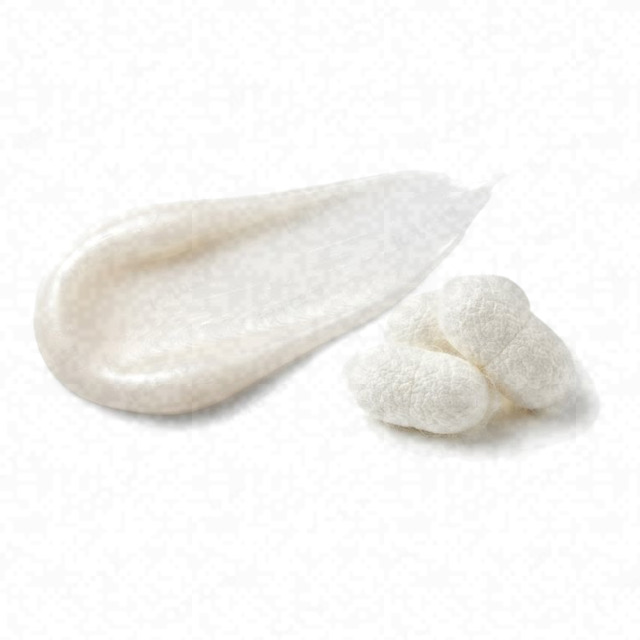 Sericin
- Hydrolyzed Silk
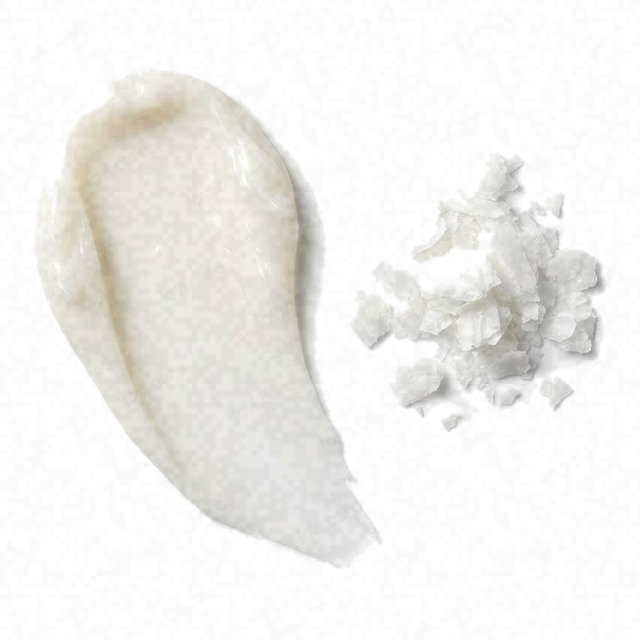 Stearic Acid
High
- HighOily Skin Fit
- HighEffectiveness
- ExcellentSafety
A great choice for oily acne-prone skin; a few cleansers fit it even better.
This fit is calculated for the concerns frequently associated with oily acne-prone skin: shine, breakouts, blemishes, and enlarged pores. For scores and recommendations based on your full skin profile, including your 12D face scan results and any goals or preferences you have, please use the Lovi app.
Page built Nov 8, 2026How the Fit score works
Lovi Assistant explains
- Offers excellent cleansing for your oily skin, as myristic acid and lauric acid effectively clear pores and address oiliness and breakouts. Sodium hyaluronate and hydrolyzed silk provide essential hydration without increasing oiliness, supporting your skin's balance.
- The formula's gentle cleansing action is well-suited for your acne-prone skin, minimizing irritation while effectively removing impurities.
- The product is safe for your skin, featuring soothing ingredients and avoiding harsh components that could aggravate your oily or acne-prone skin.
How to apply
- Use this cleanser as part of your AM and PM routine. Start using it daily to help clear your breakouts.
- Apply this cleanser as the first step in the morning and right after your pre-cleanser in the evening. Follow it with your toner and moisturizer.
- Gently massage a small amount of the cleanser onto your face using circular motions. Rinse thoroughly with lukewarm water and pat dry.
- Apply the cleanser on slightly damp skin to help clean deeply and remove excess oil. This works best for oily skin types.
- Avoid the sensitive eye area during application. Do a patch test before your first use.
People Say
★4.4Overall rating based on 20.0k+ reviewsThis cleanser is famous for its incredibly dense, marshmallow-like foam that provides a satisfying, deep clean, particularly for oily and acne-prone skin. Many users love the "squeaky clean" feeling it provides. However, it is polarizing; those with dry or sensitive skin frequently report it as stripping and drying, potentially damaging the moisture barrier due to its high pH. This summary is based on a very large amount of data and should be definitely taken into account.
Highlights
Rich, dense foam Mostly Mentioned
- “Marshmallow-like texture”
- “clouds of foam”
- “thickest lather I've ever used”
- “fun to whip up”
Drying and stripping Mostly Mentioned
- “Face felt like the Sahara”
- “stripped my moisture barrier”
- “squeaky clean in a bad way”
- “too harsh for daily use”
Affordable and value Often Mentioned
- “Pea-sized amount is enough”
- “tube lasts forever”
- “very cheap for the quality”
- “great budget cleanser”
Deep cleansing Often Mentioned
- “Removes all oil”
- “pores feel empty”
- “great for summer grease”
- “face feels super clean”
Brightening effect Sometimes Noted
- “Skin looks radiant”
- “instant brightness”
- “removes dullness”
- “face looks whiter”
High pH level Sometimes Noted
- “pH is too high”
- “alkaline cleanser”
- “ruined my acid mantle”
- “feels like dish soap”
Breakouts or irritation Rarely Noted
- “Caused tiny bumps”
- “broke me out”
- “red and itchy patches”
Strong fragrance Rarely Noted
- “Smells like detergent”
- “fragrance is too strong”
- “perfume irritated my nose”
- “chemical floral scent”
Sources: lovi.care, yesstyle.com, reddit.com, skinsort.com, tryandreview.com, amazon.com, and more
Questions and answers
What makes Senka Perfect Whip a great fit for oily acne-prone skin?
Shiseido Senka Perfect Whip is a great fit because myristic acid and lauric acid clear pores and address oiliness and breakouts, while sodium hyaluronate and hydrolyzed silk provide essential hydration without increasing oiliness. Its gentle cleansing action minimizes irritation while effectively removing impurities, making it safe and well-suited for your skin.
Dermatologic Therapy, 2020Drug Development and Industrial Pharmacy, 2019
Which ingredients make this cleanser a good fit for oily acne-prone skin?
Myristic acid and lauric acid make this cleanser a great fit by effectively clearing pores and addressing oiliness and breakouts, while sodium hyaluronate and hydrolyzed silk provide essential hydration without increasing oiliness. These ingredients work together to give you thorough cleansing with a strong safety profile that minimizes irritation.
Dermatologic Therapy, 2020Drug Development and Industrial Pharmacy, 2019
What does Hyaluronic Acid do for oily acne-prone skin?
Hyaluronic acid helps calm oily acne-prone skin by reducing sebum production and lipid synthesis in sebaceous glands. It also supports skin barrier function and improves hydration while helping deliver treatments without causing irritation.
The Journal of Investigative Dermatology, 2017Journal of Cosmetic Dermatology, 2022
What does Glycerin do for oily acne-prone skin?
Glycerin helps keep oily acne-prone skin hydrated without feeling heavy. It draws moisture into the skin while supporting the skin barrier so it stays soft and balanced.
The British Journal of Dermatology, 2008Clinical, Cosmetic and Investigational Dermatology, 2017
Where does this cleanser go in a skincare routine for oily acne-prone skin?
This cleanser is used in both the morning and evening routines to clear pores and remove impurities from oily skin. In the morning, follow it with a hydrating toner, moisturizer, and sunscreen, and in the evening, use it after a makeup remover and before your cleansing toner, treatment, and moisturizer.
Can I use this cleanser with retinol, and in what order?
You can use this cleanser with retinol by applying the cleanser first on damp skin, rinsing thoroughly, and then following with your retinol treatment once your face is completely dry. This gentle cleansing action is unlikely to cause irritation when paired with retinoids, while effectively clearing pores and removing impurities.
How often should I use this cleanser?
You can use this cleanser twice a day as part of your morning and evening routine to effectively clear pores and address oiliness. Its gentle formula is well-suited for your acne-prone skin, minimizing irritation while removing impurities.
The Journal of Dermatological Treatment, 2022Dermatologic Therapy, 2020
Can this cleanser clog pores, cause breakouts or purging for oily acne-prone skin?
This cleanser is a great fit for your oily acne-prone skin because myristic acid and lauric acid effectively clear pores and address breakouts. Sodium hyaluronate and hydrolyzed silk also provide essential hydration without increasing oiliness, supporting your skin's balance. While the formula minimizes irritation while removing impurities, reviewers commonly complain that it can feel drying and stripping.
Dermatologic Therapy, 2020Drug Development and Industrial Pharmacy, 2019
Can I use this cleanser around the eyes or on my body?
You can use this cleanser on your body, but it is best to avoid the very thin skin directly around your eyes. Cleansers that clear pores and address oiliness work well on thicker body skin, yet the delicate eye area is easily irritated by deep cleansing.
Surgical and Radiologic Anatomy, 2002Dermatologic Therapy, 2020
Is this cleanser fragrance-free and alcohol-free?
It has no fragrance and contains drying alcohol (alcohol).
What the research says
All three treatments—benzoyl peroxide, benzoyl peroxide plus erythromycin, and the combination of niacinamide, gallic acid, and lauric acid—were effective in reducing acne vulgaris severity in ninety patients over eight weeks.
Dermatologic Therapy, 2020Co-application of curcumin and lauric acid liposomal gel exhibited enhanced antibacterial effect and a two-fold reduction in comedones count and cytokines in a rat ear model compared to the placebo-treated group.
Drug Development and Industrial Pharmacy, 2019Glycerosomes loaded with lincomycin and lauric acid incorporated into a carbopol hydrogel achieved a two-fold increase in skin deposition of lincomycin and reduced inflammation, bacterial load, and improved histopathological changes in an acne mouse model compared to lincomycin hydrogel.
International Journal of Pharmaceutics, 2023Babassu oil and lauric acid inhibited mice ear edema induced by various phlogistic agents, and its topical anti-inflammatory activity was markedly increased when formulated into a microemulsion.
Evidence-based Complementary and Alternative Medicine, 2017Myristic acid reduced inflammation and nociception by increasing IL-10 production in LPS-stimulated macrophages, reducing acute and chronic TPA-induced ear edema in mice, and involving the nitrergic system in formalin-induced paw licking.
Journal of Food Biochemistry, 2022Topical application of 0.1% hyaluronic acid formulations of different molecular weights led to significant improvements in skin hydration and elasticity, with low-molecular-weight formulations also significantly reducing wrinkle depth in seventy-six female subjects compared to a vehicle control.
Journal of Drugs in Dermatology, 2011Topical application of hyaluronic acid in conjunction with free gingival graft significantly reduced donor site postoperative pain until day 7 compared to normal saline, with no significant differences in graft dimensions or patient satisfaction.
Clinical Oral Investigations, 2022Treatment with a hyaluronic acid-containing mouth rinse or topical gel led to significant lesion reduction, pain relief, and normalization of lesion color in adult patients with minor recurrent aphthous stomatitis, with the gel formulation showing an earlier healing onset at 3 days.
BMC Oral Health, 2019A single application of a moisturizing fluid containing hyaluronic acid 1%, glycerin 5%, and Centella asiatica stem cells extract significantly increased skin hydration by 29% and reduced transepidermal water loss at 24 hours compared to baseline and an untreated control site in twenty healthy women.
Clinical, Cosmetic and Investigational Dermatology, 2017The emollient V0034CR significantly reduced TEWL compared to vehicle and vehicle plus glycerol, and significantly increased corneometry scores compared to vehicle and vehicle plus petrolatum in healthy volunteers with dry skin, demonstrating combined barrier function improvement from petrolatum and hydration improvement from glycerol.
Journal of Cosmetic Dermatology, 2020Ten days of treatment with a cream containing 20% glycerin significantly increased skin hydration measured by corneometer values in 17 healthy volunteers compared to a placebo cream, but showed no influence on transepidermal water loss or skin sensitivity to an irritating surfactant.
International Journal of Cosmetic Science, 2001Bacterial cellulose wound dressing containing silk sericin and PHMB improved wound quality and reduced pain compared to Bactigras in patients with split-thickness skin graft donor-site wounds.
Archives of Dermatological Research, 2018A bacterial nanocellulose wound dressing incorporating polyhexamethylene biguanide and sericin showed no skin irritation in healthy volunteers and significantly promoted wound healing with lower wound size and higher collagen formation in full-thickness rat wounds compared to controls.
Archives of Dermatological Research, 2016Topical application of sericin gels increased skin intrinsic moisturization, hydroxyproline content, and epidermal hydration while decreasing transepidermal water loss and skin impedance in healthy human volunteers.
Journal of Cosmetic Dermatology, 2005Sodium dodecyl sulfate treatment disrupts the ordered intercellular lipid lamellar structure in hairless mouse stratum corneum, and immersion in a ceramide 3, cholesterol, and stearic acid mixture successfully reorganizes this ordered lamellar structure.
Biophysical Chemistry, 2001
Ingredients
Water, Stearic Acid, Peg-8, Myristic Acid, Potassium Hydroxide, Glycerin, Lauric Acid, Alcohol, Butylene Glycol, Glyceryl Stearate Se, Polyquaternium-7, Disodium Edta, Sodium Benzoate, Sodium Metabisulfite, Sodium Hyaluronate, Sericin, Sodium Acetylated Hyaluronate, Citric Acid, Potassium Sorbate, Hydrolyzed Silk
Behind this fit score
Lovi calculates every fit score from the full ingredient list with brand-independent rules our dermatologists and cosmetic chemists build and review, and personalizes every pick with AI trained on the real results of millions of users. Lovi trains its fit score models on a proprietary dataset built from more than 10,000 expert-labeled products and more than 100,000 simulated examples, following an internally consistent methodology presented at Cosmoprof, AMWC, and Skin of Color Update.
-

Co-founder, Medical Director
Cosmetic chemist, cosmetologist, aesthetic products developer
-

Co-founder, CEO and CTO
PhD in computer science, 3x US patent holder, ex-Google, ex-Yandex
-

Dr. Sofía Perea Pérez, MD, MSc
Medical Board
Aesthetic medicine practitioner, MSc in Longevity and Anti-Aging Medicine
-

Medical Board
Specialist dermatologist, MBBS, MD, IFAAD
-

Medical Board
Cosmetic chemist, SCS, IFSCC member
-

Medical Board, Medical Advisor
Dermatology MD
-

Elina Nazarenko, MD
Medical Board
Dermatology and diagnostic consultant
-

Victoria Derkova, MS
Medical Board
Cosmetic chemist, cosmetic development technologist


How does it fit your skin?
Scan your face, then any product: Lovi shows how well it fits you and what fits even better.