Rodial SPF 50 Drops for skin with dark spots

 Ethylhexyl Methoxycinnamate
 Butyl Methoxydibenzoylmethane
 Sodium Hyaluronate
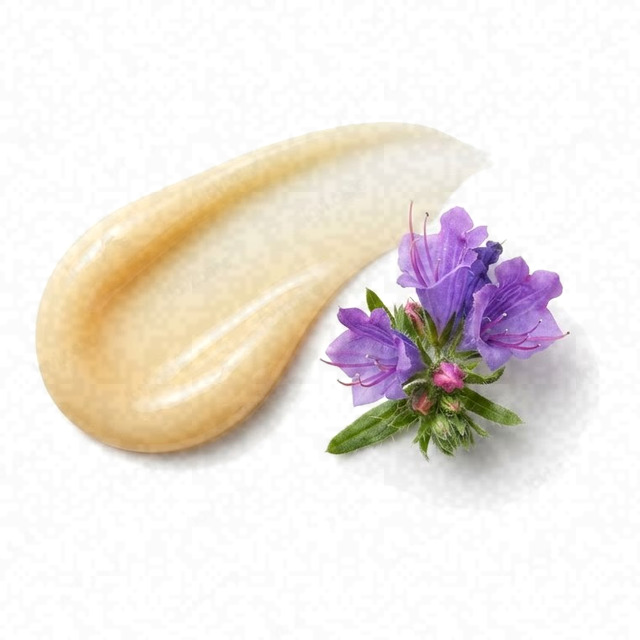 Echium Plantagineum Seed Oil
 Tocopheryl Acetate
High
- HighNormal Skin Fit
- HighEffectiveness
- HighSafety
A great choice for skin with dark spots; a few sunscreens fit it even better.
This fit is calculated for the concerns frequently associated with dark spots: hyperpigmentation, sun spots, and uneven skin tone. For scores and recommendations based on your full skin profile, including your 12D face scan results and any goals or preferences you have, please use the Lovi app.
Page built Nov 8, 2026How the Fit score works
Lovi Assistant explains
- This product offers excellent UV protection for your normal skin, with octocrylene and ethylhexyl methoxycinnamate providing a strong defense against sun damage. Tocopheryl acetate and bisabolol also offer antioxidant and anti-inflammatory benefits, supporting your goal of addressing pigmentation.
- The formula is well-suited for normal skin types, providing general skincare benefits like hydration and soothing.
- The safety profile is excellent, with no risks of irritation due to the absence of prohibited or harsh ingredients.
How to apply
- Apply your AM sunscreen as the final step of your morning skincare routine. Reapply every two hours when exposed to direct sunlight.
- Apply after your moisturizer and before applying any makeup. Make sure it is the very last step of your daytime skin care routine.
- Gently spread a generous amount evenly across your face and neck. Avoid rubbing too harshly to keep the protective layer even.
- Apply on completely dry skin after your moisturizer has fully absorbed. This ensures the protective barrier sits evenly on your face.
- Avoid direct contact with your eyes. Do a patch test before your first full application to ensure no irritation occurs.
People Say
★4.2Overall rating based on 100+ reviewsBased on limited data, users with normal to dry skin generally appreciate the product's lightweight, silky feel and its ability to prime the skin for makeup without leaving a white cast. Those with oily or combination skin often find the finish too shiny or greasy, and many users across all skin types criticize the very runny, watery consistency which makes application messy.
Highlights
Lightweight and silky Often Mentioned
- “Silky feel”
- “Sinks in quickly”
- “Weightless texture”
Runny consistency Often Mentioned
- “Very runny”
- “Messy to apply”
- “Liquid sunscreen”
Great makeup base Sometimes Noted
- “Perfect under makeup”
- “Sits well under make up”
- “Good base”
No white cast Sometimes Noted
- “No white cast”
- “Transparent finish”
- “Clear on skin”
Greasy finish Sometimes Noted
- “Bit greasy”
- “Face so shiny”
- “Looked sweaty”
High price Sometimes Noted
- “Expensive”
- “Wasted money”
- “Pricey for SPF”
Strong scent Sometimes Noted
- “Strong scent”
- “Chemical smell”
- “Not keen on smell”
Hydrating Rarely Noted
- “Hydrating enough”
- “Restores moisture”
- “Nourishing”
Sources: lovi.care, lookfantastic.com, spacenk.com, bloomingdales.com, rodial.com, and more
Questions and answers
What makes Rodial SPF 50 Drops a great fit for skin with dark spots?
Rodial SPF 50 Drops are a great fit for skin with dark spots because they provide strong sun defense while helping to soothe and brighten pigmented areas. Ingredients like tocopheryl acetate and bisabolol support your goal of addressing dark spots with a very safe and gentle formula.
Which ingredients make this serum a good fit for skin with dark spots?
This product is a great fit for skin with dark spots because it includes tocopheryl acetate and bisabolol, which help soothe the skin and support your goal of addressing pigmentation. Ethylhexyl methoxycinnamate and octocrylene also provide strong sun defense to help prevent further dark spots.
International Journal of Cosmetic Science, 2010Arzneimittel-Forschung, 1998
What does Octinoxate do for skin with dark spots?
Octinoxate helps protect the skin from sun exposure that can make dark spots more noticeable. When combined in a targeted depigmenting complex, it may also support a more even and clear skin tone without causing unwanted reactions.
What does Avobenzone do for skin with dark spots?
Avobenzone helps protect dark spots from darkening further by filtering out ultraviolet rays that trigger extra pigment. Because it absorbs UV light effectively, it is a key ingredient for safeguarding uneven skin tones, though a sunscreen of this type also needs iron oxides or tinted minerals to block visible light that worsens dark spots.
Journal of the American Academy of Dermatology, 1987Journal of the American Academy of Dermatology, 2021
Where does this serum go in a skincare routine for skin with dark spots?
This product is an SPF rather than a serum, so apply it as the final step of your morning routine after your moisturizer to protect against sun damage. It offers strong defense against UV rays while providing soothing and hydrating benefits.
Can I use this serum with retinol, and in what order?
You can use this SPF in the morning after applying your retinol treatment from the night before, or use the retinol at night and this product during the day. It provides strong sun defense to protect your skin, while antioxidants like tocopheryl acetate and bisabolol help support your goal of addressing dark spots.
How often should I use this serum?
This product is a sunscreen, so you should use it every morning as the final step in your daytime routine. It provides strong UV defense and soothing antioxidant benefits that help protect your skin and support your goal of addressing dark spots.
Can this serum clog pores, cause breakouts or purging for skin with dark spots?
This product is unlikely to clog pores or cause breakouts for skin with dark spots because its safety profile is excellent and it lacks harsh ingredients that typically cause irritation. It also contains soothing bisabolol, which helps keep the skin calm.
Is this serum fragrance-free and alcohol-free?
It has no drying alcohol and contains fragrance (benzyl alcohol, parfum, limonene, and citronellol).
What the research says
Application of an alpha-bisabolol-containing cream produced a significant skin-lightening effect in pigmented skin compared to a vehicle control in the majority of female subjects after 8 weeks.
International Journal of Cosmetic Science, 2010Liposomal encapsulation of octyl methoxycinnamate increases its safety, skin affinity, and in vivo solar photoprotection factor while slowing its release and enhancing retention in the stratum corneum compared to a conventional formulation.
International Journal of Nanomedicine, 2013Vitamin E in O/W and W/O emulsions significantly increased stratum corneum hydration and enhanced water-binding capacity, with an optimum concentration of 5%.
Arzneimittel-Forschung, 1998Replacing 20% of the chemical UV filter octyl methoxycinnamate with urucum oil in solid lipid nanoparticles maintained the skin protection factor without inducing toxic responses or significant skin penetration in human volunteers.
Skin Pharmacology and Physiology, 2018Encapsulation of ethylhexyl methoxycinnamate and butyl methoxydibenzoylmethane in lipid microparticles significantly reduced their in vivo human skin penetration compared to nonencapsulated filters.
Skin Pharmacology and Physiology, 2011The application of a sunscreen formulation containing ethylhexyl methoxycinnamate, ethylhexyl salicylate, methyl anthranilate, and octocrylene does not significantly affect critical acne-related species such as Cutibacterium acnes and Staphylococcus epidermidis, refuting the induction of facial dysbiosis in men.
Archives of Dermatological Research, 2024Microencapsulation of the BMDBM/HP-beta-CD complex in lipid microparticles significantly decreased the percutaneous penetration of the UV filter into the stratum corneum of human volunteers compared to the non-encapsulated sunscreen agent.
Journal of Pharmaceutical and Biomedical Analysis, 2011Following human skin application of an O/W emulsion containing 2% BMDBM loaded in lipospheres, 15% of the sunscreen accumulated in the uppermost layers of the stratum corneum without remarkably modifying skin permeation compared to unencapsulated sunscreen.
Skin Pharmacology and Physiology, 2008Chemical sunscreens containing avobenzone, octocrylene, homosalate, and octisalate showed no to minimal risks of dermal irritation, sensitization, photo-allergy, and photo-irritation in human subjects.
Journal of Drugs in Dermatology, 2025Topical application of 0.1% hyaluronic acid formulations of different molecular weights led to significant improvements in skin hydration and elasticity, with low-molecular-weight formulations also significantly reducing wrinkle depth in seventy-six female subjects compared to a vehicle control.
Journal of Drugs in Dermatology, 2011Topical application of hyaluronic acid in conjunction with free gingival graft significantly reduced donor site postoperative pain until day 7 compared to normal saline, with no significant differences in graft dimensions or patient satisfaction.
Clinical Oral Investigations, 2022Treatment with a hyaluronic acid-containing mouth rinse or topical gel led to significant lesion reduction, pain relief, and normalization of lesion color in adult patients with minor recurrent aphthous stomatitis, with the gel formulation showing an earlier healing onset at 3 days.
BMC Oral Health, 2019Topical application of an antioxidant serum containing 15% ascorbic acid, 0.5% ferulic acid, and 1% tocopherol prevented particulate matter-induced degradation of extracellular matrix components, inflammation, and oxidative stress in the skin of 15 female volunteers compared to untreated controls.
Journal of Cosmetic Dermatology, 2025Dermatological products containing d-alpha tocopheryl acetate showed non-comedogenic potential with less than a 50% increase in microcomedones in 12 healthy male subjects compared to octyl palmitate.
Contemporary Clinical Trials Communications, 2021Topical application of an antioxidant mix containing 15% ascorbic acid, 0.5% ferulic acid, and 1% tocopherol prevented PM and UV-induced skin barrier perturbation, lipid peroxidation, inflammatory markers, MMP9 activation, and Type I collagen loss in 15 healthy females compared to untreated exposed skin.
Journal of Cosmetic Dermatology, 2024
Ingredients
Water, Octocrylene, Ethylhexyl Methoxycinnamate, Benzophenone-3, Ethylhexyl Salicylate, Butylene Glycol, Butyl Methoxydibenzoylmethane, C12-15 Alkyl Benzoate, Glyceryl Stearate, Glycerin, Peg-100 Stearate, Octyldodecanol, Jojoba Esters, Glyceryl Stearate Se, Propanediol, Phenoxyethanol, Helianthus Annuus Wax Seed Sunflower Wax Seed, Saccharide Isomerate, Methyl Methacrylate Crosspolymer, Sodium Stearoyl Glutamate, Tocopheryl Acetate, Benzyl Alcohol, Bisabolol, Echium Plantagineum Seed Oil, Lecithin, Buddleja Officinalis Flower Extract, 1,2-Hexanediol, Carbomer, Disodium Edta, Sodium Hyaluronate, Acacia Decurrens Flower Extract, Polyglycerin-3, Parfum, Helianthus Annuus Seed Oil Sunflower Seed Oil, Sodium Hydroxide, Biosaccharide Gum-4, Dehydroacetic Acid, Ethylbisiminomethylguaiacol Manganese Chloride, Cardiospermum Halicacabum Vine Extract Flower Leaf, Citric Acid, Sodium Citrate, Limonene, Alpha-Isomethyl Ionone, Tocopherol, Citronellol
Behind this fit score
Lovi calculates every fit score from the full ingredient list with brand-independent rules our dermatologists and cosmetic chemists build and review, and personalizes every pick with AI trained on the real results of millions of users. Lovi trains its fit score models on a proprietary dataset built from more than 10,000 expert-labeled products and more than 100,000 simulated examples, following an internally consistent methodology presented at Cosmoprof, AMWC, and Skin of Color Update.
-

Co-founder, Medical Director
Cosmetic chemist, cosmetologist, aesthetic products developer
-

Co-founder, CEO and CTO
PhD in computer science, 3x US patent holder, ex-Google, ex-Yandex
-

Dr. Sofía Perea Pérez, MD, MSc
Medical Board
Aesthetic medicine practitioner, MSc in Longevity and Anti-Aging Medicine
-

Medical Board
Specialist dermatologist, MBBS, MD, IFAAD
-

Medical Board
Cosmetic chemist, SCS, IFSCC member
-

Medical Board, Medical Advisor
Dermatology MD
-

Elina Nazarenko, MD
Medical Board
Dermatology and diagnostic consultant
-

Victoria Derkova, MS
Medical Board
Cosmetic chemist, cosmetic development technologist


How does it fit your skin?
Scan your face, then any product: Lovi shows how well it fits you and what fits even better.