REJURAN Turnover Active Cream for acne-prone skin

 Niacinamide
 Hyaluronic Acid
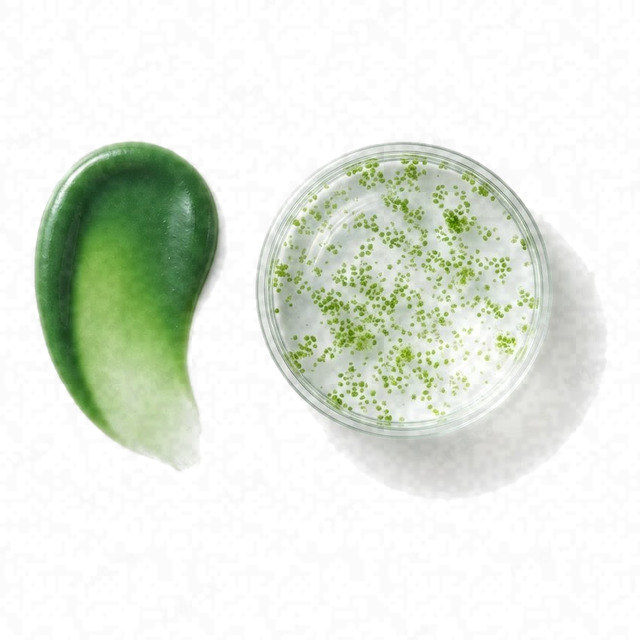 Chlorella Vulgaris Extract
 Adenosine
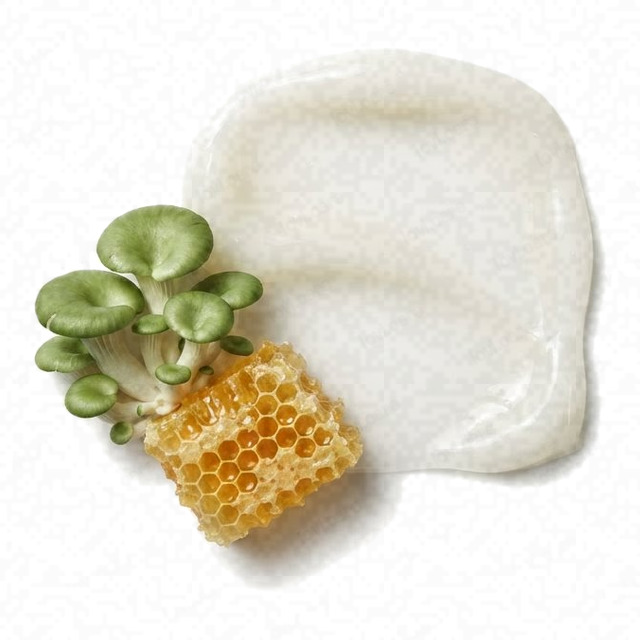 Panthenol
Average
- HighCombination Skin Fit
- AverageEffectiveness
- HighSafety
Works for acne-prone skin; other moisturizers fit it better.
This fit is calculated for the concerns frequently associated with acne-prone skin: breakouts, blackheads, and post-acne marks. For scores and recommendations based on your full skin profile, including your 12D face scan results and any goals or preferences you have, please use the Lovi app.
Page built Nov 8, 2026How the Fit score works
Lovi Assistant explains
- Offers moderate benefits for your combination skin, as niacinamide helps regulate oil production and hyaluronic acid provides essential hydration, supporting overall skin health.
- While the formula is safe and moisturizing for acne-prone skin, it does not directly target blemishes or breakouts with specific acne-fighting ingredients.
- The product is safe for your skin, containing no harsh or irritating components.
How to apply
- Use your moisturizer twice a day in your AM and PM routines. Apply it daily to help keep breakouts under control.
- Apply after your cleanser and toner, and make sure to use your SPF right after in the morning.
- Gently spread a small amount of moisturizer over your face using soft motions. Let it absorb into the skin for a minute before getting dressed or applying makeup.
- Apply on slightly damp skin to help lock in extra moisture. This keeps your combination skin balanced without feeling heavy.
- Avoid the eye area and do a patch test before your first use. Stop using if you feel any irritation.
People Say
★4.7Overall rating based on 200+ reviewsThis cream is highly praised for its regenerative properties, with users frequently reporting improved skin texture, elasticity, and a healthy glow. It is also noted for its lightweight, non-greasy feel and quick absorption. However, some users with very dry skin find it insufficient as a standalone moisturizer, requiring additional hydration. The price and small size are common complaints, and a few users experienced packaging difficulties or occasional breakouts.
Highlights
Lightweight texture Mostly Mentioned
- “absorbs quickly”
- “non-greasy”
- “velvety finish”
- “glowy skin”
Regenerates skin Often Mentioned
- “heals acne scars”
- “calms inflammation”
- “skin recovery”
- “fortified barrier”
Expensive for size Often Mentioned
- “expensive”
- “small capacity”
- “pricey at full retail”
- “used up quickly”
Anti-aging effects Sometimes Noted
- “improves elasticity”
- “fade fine lines”
- “skin feels smoother”
- “plumps skin”
Good for sensitive skin Sometimes Noted
- “no irritation”
- “soothing”
- “gentle on skin”
Not moisturizing enough Sometimes Noted
- “not heavy enough”
- “need to layer”
- “dryness coming through”
- “light for winter”
Caused breakouts Rarely Noted
- “stings”
- “caused blemishes”
- “doesn't suit my skin”
Difficult packaging Rarely Noted
- “hard to squeeze”
- “container tears”
- “messy tube”
- “packaging inconvenient”
Sources: lovi.care, global.oliveyoung.com, hwahae.co.kr, reddit.com, skinsort.com, and more
Questions and answers
How well does REJURAN Turnover Active Cream work for acne-prone skin?
REJURAN Turnover Active Cream is an average fit for acne-prone skin because, while it is safe and provides good moisture, it does not directly target breakouts with specific blemish-fighting ingredients. A moisturizing treatment for acne-prone skin needs ingredients that help clear blemishes, soothe irritation, and keep the skin balanced.
Which ingredients make this cream a good fit for acne-prone skin?
Niacinamide and hyaluronic acid make this cream a fit by helping manage oil and keeping acne-prone skin hydrated. While it is safe, this skin type needs a product that includes targeted blemish-fighting ingredients and soothing extracts for the best care.
What does Niacinamide do for acne-prone skin?
Niacinamide helps acne-prone skin by reducing both inflamed and uninflamed breakouts and calming redness. It is also very helpful for keeping oily skin balanced by cutting down on excess oil production, and it is well tolerated by most people.
What does Hyaluronic Acid do for acne-prone skin?
Hyaluronic acid helps acne-prone skin by soothing irritation, calming redness, and keeping the skin balanced without clogging pores. When combined with targeted ingredients like zinc oxide, it may also help reduce breakouts.
Where does this cream go in a skincare routine for acne-prone skin?
This moisturizing treatment goes in the evening routine after cleansing and before moisturizing, though it can also be used in the morning or twice a day. While it is safe and provides hydration, acne-prone skin needs products that also directly target blemishes and breakouts.
Can I use this cream with retinol, and in what order?
You can use this cream with retinol by applying the cream after your retinol to help soothe dry, irritated skin. This type of routine for acne-prone skin needs ingredients like niacinamide and panthenol to keep the skin calm and supported while using strong treatments.
American Journal of Clinical Dermatology, 2002Journal of Cosmetic Dermatology, 2025
How often should I use this cream?
You can use this moisturizing treatment twice a day to keep your skin hydrated and support its barrier. Regular daily application helps improve overall moisture and texture without causing irritation.
Journal of Cosmetic Dermatology, 2020Health Science Reports, 2021
Can this cream clog pores, cause breakouts or purging for acne-prone skin?
This cream is unlikely to cause breakouts or clog pores for your acne-prone skin, as it contains no harsh or irritating components and is safe to use. However, it does not actively target blemishes, so acne-prone skin often needs a product with specialized blemish-fighting ingredients and oil-balancing benefits.
Can I use this cream around the eyes or on my body?
You can safely use this moisturizing treatment on your body and around the eyes, as the skin in these areas is very thin and benefits greatly from gentle hydration. However, a product of this type needs specific soothing and barrier-repairing ingredients like panthenol and hyaluronic acid to properly support and protect these sensitive regions.
Surgical and Radiologic Anatomy, 2002American Journal of Clinical Dermatology, 2002
Is this cream fragrance-free and alcohol-free?
Yes, it has no fragrance and no drying alcohol. Cetearyl alcohol is a fatty alcohol, which soften the skin.
What the research says
Topical dexpanthenol acts as a moisturizer, improves stratum corneum hydration, accelerates wound healing and epidermal regeneration, reduces erythema, and improves symptoms of skin irritation compared to vehicle or no pretreatment.
American Journal of Clinical Dermatology, 2002A panthenol-enriched mask significantly decreased erythema and hyperpigmentation, increased sebum and stratum corneum moisture, and reduced transepidermal water loss compared to a saline dressing in 60 subjects undergoing facial laser treatment.
Journal of Cosmetic Dermatology, 2025A topical gel containing chitosan, chlorhexidine, allantoin, and dexpanthenol significantly reduced postoperative pain, trismus, swelling, and analgesic consumption, while improving wound healing after third molar surgery compared to a placebo.
Medicina Oral, Patologia Oral Y Cirugia Bucal, 2020Topical post-laser application of human adipocyte-derived mesenchymal stem cell media combined with niacinamide significantly improved wrinkle index, melanin index, patient satisfaction, and investigator esthetic improvement scores compared to vehicle cream in patients with aging skin.
Journal of Cosmetic Dermatology, 2021Topical nicotinamide prevented solar-simulated UV-induced immunosuppression in healthy volunteers, and men experienced immunosuppression at solar-simulated UV doses three times lower than those required for women.
The Journal of Investigative Dermatology, 2008Topical 5% niacinamide applied twice daily for 12 weeks reduced fine lines and wrinkles, hyperpigmented spots, red blotchiness, and skin sallowness, and improved skin elasticity compared to vehicle control in 50 female white subjects with facial photoaging.
Dermatologic Surgery, 2005Topical application of 0.1% hyaluronic acid formulations of different molecular weights led to significant improvements in skin hydration and elasticity, with low-molecular-weight formulations also significantly reducing wrinkle depth in seventy-six female subjects compared to a vehicle control.
Journal of Drugs in Dermatology, 2011Topical application of hyaluronic acid in conjunction with free gingival graft significantly reduced donor site postoperative pain until day 7 compared to normal saline, with no significant differences in graft dimensions or patient satisfaction.
Clinical Oral Investigations, 2022Treatment with a hyaluronic acid-containing mouth rinse or topical gel led to significant lesion reduction, pain relief, and normalization of lesion color in adult patients with minor recurrent aphthous stomatitis, with the gel formulation showing an earlier healing onset at 3 days.
BMC Oral Health, 2019Lipid extracts of Chlorella vulgaris and Arthrospira platensis protect Normal Human Dermal Fibroblasts against UVA-induced oxidative stress and 2-propanol-induced IL-6 expression in vitro.
Food Science and Technology International = Ciencia Y Tecnologia de Los Alimentos Internacional, 2026Oral and topical administration of ROQUETTE Chlorella sp. at higher doses significantly reduced skin inflammation scores and improved the healing process and duration of skin wounds in mice compared to untreated models.
Anti-inflammatory & Anti-allergy Agents in Medicinal Chemistry, 2014Resilient factor (RF, an aqueous extract fraction of Chlorella) suppressed PMA- and UVB-induced MMP1 production, protein, and gene expression, prevented UVB-suppressed elastin protein, and increased pro-collagen mRNA expression in human skin fibroblasts compared to untreated controls.
European Journal of Dermatology, 2008Topical adenosine treatment significantly increased the anagen hair growth rate and thick hair rate compared to placebo in Japanese women with female pattern hair loss over 12 months.
The Journal of Dermatology, 2008Topical application of a disodium adenosine monophosphate-based formulation reduced wrinkles and hyperpigmentation while improving hydration, barrier function, skin lifting, and epidermal turnover in female participants.
International Journal of Molecular Sciences, 2026Adenosine and cordycepin stimulate the Wnt/beta-catenin signaling pathway through adenosine receptor and PKA activation, promoting cell proliferation, migration, and growth factor secretion in cultured dermal fibroblasts.
International Journal of Molecular Sciences, 2021Moisturizer containing 5% panthenol, madecassoside, and copper-zinc-manganese decreased adverse reactions and downtime after ablative fractional carbon dioxide laser resurfacing with comparable efficacy to 0.02% triamcinolone acetonide cream in 20 subjects.
Journal of Cosmetic Dermatology, 2019Topical dexpanthenol formulated in lipophilic vehicles improved stratum corneum hydration and reduced transepidermal water loss compared to vehicle control in humans.
Arzneimittel-Forschung, 2000Hyaluronic acid, hyaluronic acid plus dexpanthenol, and isotonic saline nasal sprays all significantly improved dry nose symptoms over four weeks in 240 patients, with hyaluronic acid plus dexpanthenol providing superior nasal moisturisation compared to the other two.
Auris, Nasus, Larynx, 2020
Why other moisturizers fit acne-prone skin better
Co-delivery of paeonol and madecassoside via nanoemulsions improved transdermal delivery, promoted barrier repair proteins, inhibited inflammatory cytokine secretion in cellular and 3D models, and reduced transepidermal water loss and acne in human facial skin compared to free components.
Molecules, 2023A facial serum containing snail secretion filtrate, Calendula officinalis, and Glycyrrhiza glabra root extract significantly reduced inflammatory acne lesions compared to placebo in 66 participants with mild-to-moderate maskne over 12 weeks.
Journal of Cosmetic Dermatology, 2022
Ingredients
Water, Glycerin, Butylene Glycol, Methyl Hydrogenated Rosinate, Dipropylene Glycol, Distarch Phosphate, Dicaprylyl Carbonate, Cetearyl Alcohol, Niacinamide, Pentylene Glycol, Polyglyceryl-3 Methylglucose Distearate, 1,2-Hexanediol, Chlorella Vulgaris Extract, Vincetoxicum Atratum Extract, Caesalpinia Spinosa Fruit Extract, Althaea Rosea Flower Extract, Kappaphycus Alvarezii Extract, Prunus Amygdalus Dulcis Seed Extract, Hyaluronic Acid, Bis-Diglyceryl Polyacyladipate-2, Octyldodecanol, Hydroxyethyl Acrylate Sodium Acryloyldimethyl Taurate Copolymer, Tromethamine, Fructooligosaccharides, Fructose, Panthenol, Cetearyl Glucoside, Adenosine, Sodium Phytate, Tocopherol, Ethylhexylglycerin, Trehalose, Urea, Glyceryl Polyacrylate, Serine, Caprylyl Glycol, Algin, Pullulan, Disodium Phosphate
Behind this fit score
Lovi calculates every fit score from the full ingredient list with brand-independent rules our dermatologists and cosmetic chemists build and review, and personalizes every pick with AI trained on the real results of millions of users. Lovi trains its fit score models on a proprietary dataset built from more than 10,000 expert-labeled products and more than 100,000 simulated examples, following an internally consistent methodology presented at Cosmoprof, AMWC, and Skin of Color Update.
-

Co-founder, Medical Director
Cosmetic chemist, cosmetologist, aesthetic products developer
-

Co-founder, CEO and CTO
PhD in computer science, 3x US patent holder, ex-Google, ex-Yandex
-

Dr. Sofía Perea Pérez, MD, MSc
Medical Board
Aesthetic medicine practitioner, MSc in Longevity and Anti-Aging Medicine
-

Medical Board
Specialist dermatologist, MBBS, MD, IFAAD
-

Medical Board
Cosmetic chemist, SCS, IFSCC member
-

Medical Board, Medical Advisor
Dermatology MD
-

Elina Nazarenko, MD
Medical Board
Dermatology and diagnostic consultant
-

Victoria Derkova, MS
Medical Board
Cosmetic chemist, cosmetic development technologist


How does it fit your skin?
Scan your face, then any product: Lovi shows how well it fits you and what fits even better.