Real Barrier Control-T Toner for oily skin

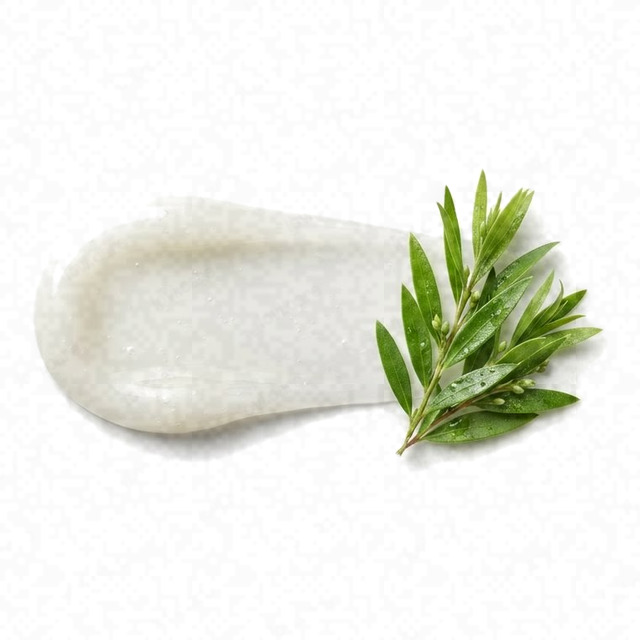 Melaleuca Alternifolia Tree Leaf Extract
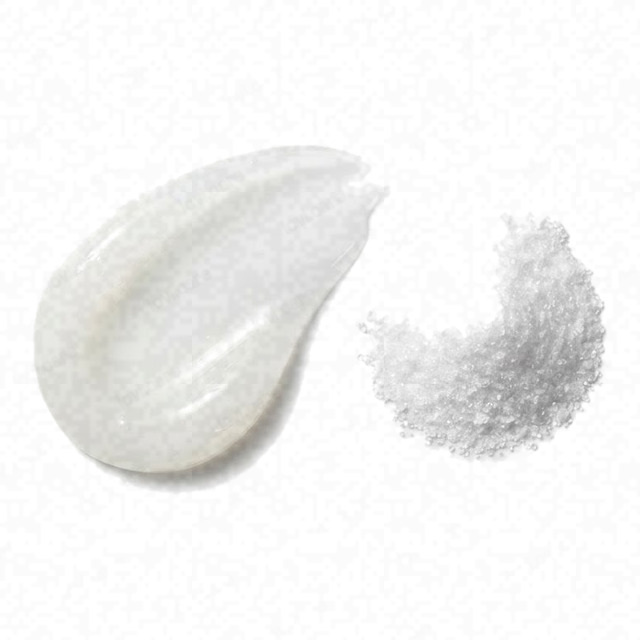 Zinc Pca
 Hydrolyzed Hyaluronic Acid
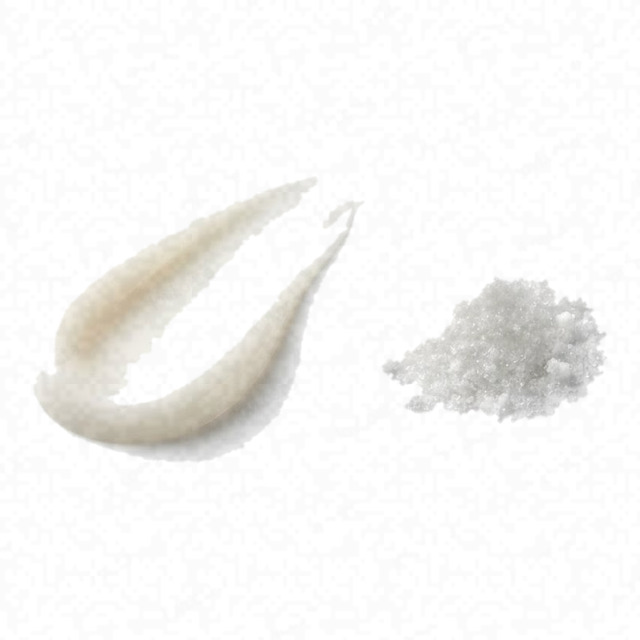 Sebomide
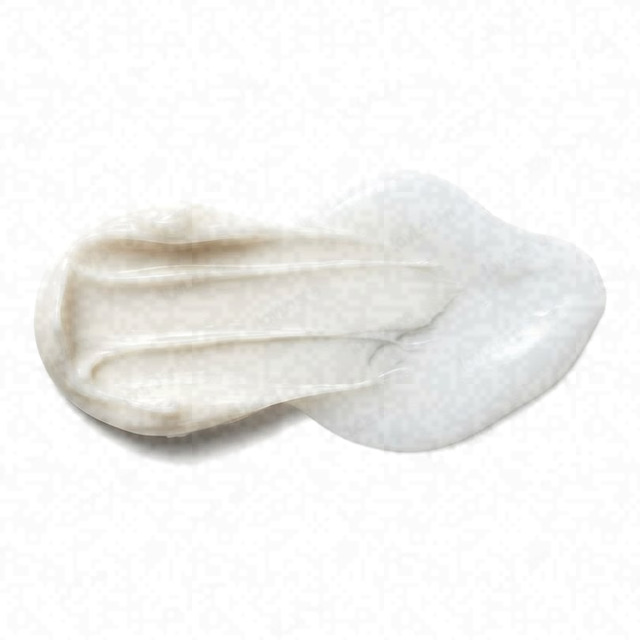 Mle Multi-Lamellar Emulsion
Average
- SuperiorOily Skin Fit
- AverageEffectiveness
- HighSafety
Works for oily skin; other toners fit it better.
- Indian Journal of Dermatology, Venereology and Leprology, 2007
- American Journal of Clinical Dermatology, 2002
This fit is calculated for the concerns frequently associated with oily skin: shine, enlarged pores, blackheads, and blemishes. For scores and recommendations based on your full skin profile, including your 12D face scan results and any goals or preferences you have, please use the Lovi app.
Page built Nov 8, 2026How the Fit score works
Lovi Assistant explains
- Offers moderate suitability for your oily skin as Melaleuca Alternifolia Tree Leaf Extract and Zinc PCA help regulate sebum and provide mild exfoliation, addressing oily shine. Glycerin and panthenol offer supportive hydration and soothing benefits, which are beneficial for oily skin.
- The inclusion of Calendula Officinalis Flower Extract further aids in calming irritation and reducing redness, enhancing overall skin comfort.
- The product is safe for your skin, with no identified risks of irritation due to the absence of harsh or prohibited ingredients.
How to apply
- Could be used as part of your AM or PM routine. Start using your soothing toner 3 times a week and work up to daily use if your skin likes it.
- Apply your soothing toner after cleansing and before your moisturizer or SPF.
- Gently press 2-3 drops of the soothing toner into your skin with your hands. Let it absorb for a minute before moving on ⏱ to the next step.
- For the best results , apply your soothing toner to slightly damp skin to help it sink in better.
- Avoid the sensitive eye area and do a quick patch test before using the soothing toner for the very first time.
People Say
★4.4Overall rating based on 100+ reviewsBased on limited data, this toner is highly recommended for oily, combination, and acne-prone skin, effectively controlling sebum and gently exfoliating. Users frequently enjoy the refreshing feel it leaves on the skin. Some users have noted a temporary sticky residue after application and a small number experienced an initial purging phase where breakouts worsened before improving.
Highlights
Effective oil control Often Mentioned
- “skin feels super clean”
- “sebum feels lifted”
- “reduces oil on nose”
- “balances oil and water”
Refreshing texture Often Mentioned
- “watery and light”
- “cooling effect”
- “absorbs well”
- “refreshing finish”
Gentle exfoliation Sometimes Noted
- “removes dead skin cells”
- “skin texture feels smoother”
- “gentle daily exfoliator”
- “cleans pores well”
Soothing for acne Sometimes Noted
- “helps pimples heal faster”
- “calms irritated skin”
- “good for troubled skin”
- “reduces redness”
Slight stickiness Sometimes Noted
- “a bit sticky after use”
- “leaves a tacky film”
- “sticky if not used with cotton pad”
Initial purging Rarely Noted
- “breakouts popped up at first”
- “acne came out then cleared”
- “caused initial bumps”
Medicinal scent Rarely Noted
- “smells like medicine”
- “acidic lemon scent”
- “scent is a bit strong”
Not for dry skin Rarely Noted
- “not hydrating enough for winter”
- “felt dry on cheeks”
- “better for oily days only”
Sources: lovi.care, femaledaily.com, sociolla.com, yesstyle.com, oliveyoung.com, reddit.com, and more
Questions and answers
How well does Real Barrier Control-T Toner work for oily skin?
This toner works reasonably well for oily skin by helping control shine and soothing irritation with ingredients like tea tree extract and zinc PCA. However, an oily skin type typically needs a formulation that delivers maximum oil control and breakout prevention to achieve the best results.
Indian Journal of Dermatology, Venereology and Leprology, 2007
Which ingredients make this toner a good fit for oily skin?
This toner works for oily skin because Melaleuca Alternifolia Tree Leaf Extract and Zinc PCA help manage extra oil and shine. Glycerin and panthenol also provide light hydration and comfort, while calendula helps calm any irritation.
Indian Journal of Dermatology, Venereology and Leprology, 2007
What does Tea Tree Leaf Extract do for oily skin?
Tea Tree Leaf Extract helps calm oily skin and clear up breakouts by reducing redness and swelling. It also fights the bacteria that cause pimples, making it a great addition to your routine if you deal with regular breakouts.
Indian Journal of Dermatology, Venereology and Leprology, 2007The Australasian Journal of Dermatology, 2017
What does Zinc PCA do for oily skin?
Zinc PCA helps oily skin by reducing extra oil and keeping skin calm and clear. It is unlikely to cause irritation and supports a healthy, balanced complexion.
Where does it go in a skincare routine for oily skin?
This toner goes after cleansing in your morning routine, providing a light layer of hydration and helping to calm oily shine. Oily skin works best with toners that include balancing ingredients like tea tree extract, zinc, and soothing plant extracts.
Indian Journal of Dermatology, Venereology and Leprology, 2007
Can I use this toner with retinol, and in what order?
You can use this toner with retinol by applying it right after cleansing to calm and hydrate your skin before putting on your retinol. Using a toner like this alongside retinol helps keep your skin comfortable and supports your skin barrier while you use stronger treatments.
How often should I use it?
This toner works well for daily use to help manage oily shine and calm the skin, as it is safe and unlikely to cause irritation. Oily skin often needs ingredients like tea tree extract, zinc, and gentle hydrators to balance oil while keeping the face comfortable.
Indian Journal of Dermatology, Venereology and Leprology, 2007
Can this toner clog pores, cause breakouts or purging for oily skin?
This toner is unlikely to clog pores, and initial purging is only a low risk for oily skin. It contains tea tree extract and zinc to help regulate shine, while panthenol and glycerin provide soothing hydration.
Indian Journal of Dermatology, Venereology and Leprology, 2007American Journal of Clinical Dermatology, 2002
Is it fragrance-free and alcohol-free?
Yes, it has no fragrance and no drying alcohol.
What the research says
Topical 5% tea tree oil gel significantly improved total acne lesions and acne severity index compared to placebo in 60 patients with mild to moderate acne vulgaris, showing 3.55 times and 5.75 times greater efficacy respectively.
Indian Journal of Dermatology, Venereology and Leprology, 2007Topical dexpanthenol acts as a moisturizer, improves stratum corneum hydration, accelerates wound healing and epidermal regeneration, reduces erythema, and improves symptoms of skin irritation compared to vehicle or no pretreatment.
American Journal of Clinical Dermatology, 2002A panthenol-enriched mask significantly decreased erythema and hyperpigmentation, increased sebum and stratum corneum moisture, and reduced transepidermal water loss compared to a saline dressing in 60 subjects undergoing facial laser treatment.
Journal of Cosmetic Dermatology, 2025A cream combining propolis, tea tree oil, and Aloe vera reduced erythema scars, acne severity index, and total lesion count better than erythromycin cream in sixty patients with mild to moderate acne vulgaris compared to placebo.
Clinical Pharmacology, 2018Tea tree oil nanoemulsion containing adapalene gel demonstrated significantly greater reductions in total, inflammatory, and non-inflammatory acne lesions as well as acne severity index compared to adapalene marketed gel in 100 patients with acne vulgaris over 12 weeks.
Archives of Dermatological Research, 2022Melaleuca alternifolia essential oil and its nanoemulsion improved skin morphology, papillary depth, dermis echogenicity, and collagen fibers in 40 male participants compared to a vehicle formulation over 90 days, with the nanoemulsion achieving deeper skin layer penetration.
Photochemistry and Photobiology, 2023Zinc PCA inhibits UVA-induced matrix metalloproteinase-1 production through suppressed AP-1 activation and enhances type I collagen synthesis by increasing SVCT2 mRNA expression in cultured normal human dermal fibroblasts.
International Journal of Cosmetic Science, 2012Topical application of 0.1% hyaluronic acid formulations of different molecular weights led to significant improvements in skin hydration and elasticity, with low-molecular-weight formulations also significantly reducing wrinkle depth in seventy-six female subjects compared to a vehicle control.
Journal of Drugs in Dermatology, 2011Topical application of hyaluronic acid in conjunction with free gingival graft significantly reduced donor site postoperative pain until day 7 compared to normal saline, with no significant differences in graft dimensions or patient satisfaction.
Clinical Oral Investigations, 2022Treatment with a hyaluronic acid-containing mouth rinse or topical gel led to significant lesion reduction, pain relief, and normalization of lesion color in adult patients with minor recurrent aphthous stomatitis, with the gel formulation showing an earlier healing onset at 3 days.
BMC Oral Health, 2019Atopalm MLE Cream and Physiogel Intensive Cream both significantly increased stratum corneum hydration and improved lactic acid stinging test scores after 4 weeks in 60 patients with sensitive skin, while Atopalm MLE Cream also significantly lowered transepidermal water loss at 2 and 4 weeks.
Dermatology and Therapy, 2016Multi-lamellar emulsion (MLE) as a vehicle for topical desonide increased epidermal retention and partially prevented steroid-induced skin barrier impairment without reducing the anti-inflammatory activity in murine models.
Annals of Dermatology, 2013
Ingredients
Water, Melaleuca Alternifolia Tree Leaf Extract, Dipropylene Glycol, Methylpropanediol, 1,2-Hexanediol, Glycerin, Houttuynia Cordata Extract, Butylene Glycol, Betaine, Calendula Officinalis Flower Extract, Witch Hazel Leaf Water, Panthenol, Pinus Palustris Leaf Extract, Ulmus Davidiana Root Extract, Oenothera Biennis Flower Extract, Pueraria Lobata Root Extract, Zinc Pca, Zinc Gluconate, Caprylyl Capryl Glucoside, Polyglyceryl-10 Laurate, Polyglyceryl-10 Myristate, Glyceryl Caprylate, Tartaric Acid, Sodium Citrate, Hydrolyzed Hyaluronic Acid, Lactic Acid, Citric Acid, Isopentyldiol, Trifolium Pratense Flower Extract, Linoleic Acid, Myristoyl Palmitoyl Oxostearamide Arachamide Mea, Copaifera Officinalis Resin, Pogostemon Cablin Oil, Sandalwood Oil, Artemisia Vulgaris Oil, 2-Capryloyl Capryloyl Methyl Alaninate, Caprylyl Glycol, Ethylhexylglycerin, Disodium Edta
Behind this fit score
Lovi calculates every fit score from the full ingredient list with brand-independent rules our dermatologists and cosmetic chemists build and review, and personalizes every pick with AI trained on the real results of millions of users. Lovi trains its fit score models on a proprietary dataset built from more than 10,000 expert-labeled products and more than 100,000 simulated examples, following an internally consistent methodology presented at Cosmoprof, AMWC, and Skin of Color Update.
-

Co-founder, Medical Director
Cosmetic chemist, cosmetologist, aesthetic products developer
-

Co-founder, CEO and CTO
PhD in computer science, 3x US patent holder, ex-Google, ex-Yandex
-

Dr. Sofía Perea Pérez, MD, MSc
Medical Board
Aesthetic medicine practitioner, MSc in Longevity and Anti-Aging Medicine
-

Medical Board
Specialist dermatologist, MBBS, MD, IFAAD
-

Medical Board
Cosmetic chemist, SCS, IFSCC member
-

Medical Board, Medical Advisor
Dermatology MD
-

Elina Nazarenko, MD
Medical Board
Dermatology and diagnostic consultant
-

Victoria Derkova, MS
Medical Board
Cosmetic chemist, cosmetic development technologist


How does it fit your skin?
Scan your face, then any product: Lovi shows how well it fits you and what fits even better.