Prequel GLEANSER for acne-prone skin

 Glycerin
 Aloe Barbadensis Leaf Juice
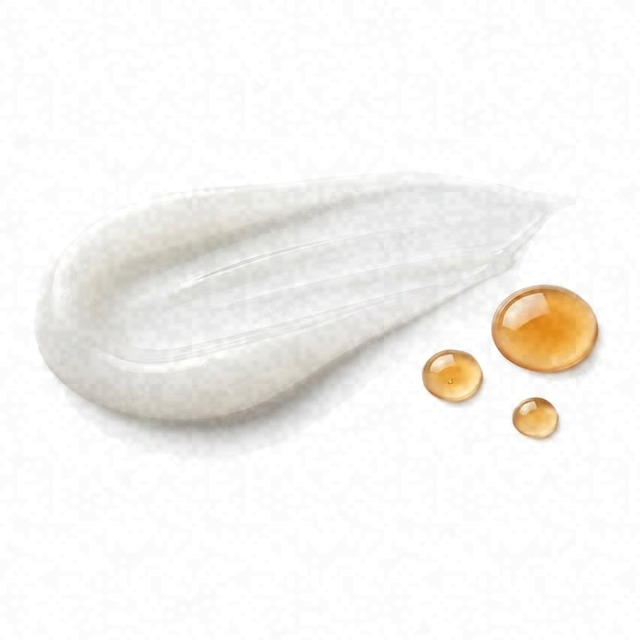 Cocamidopropyl Betaine
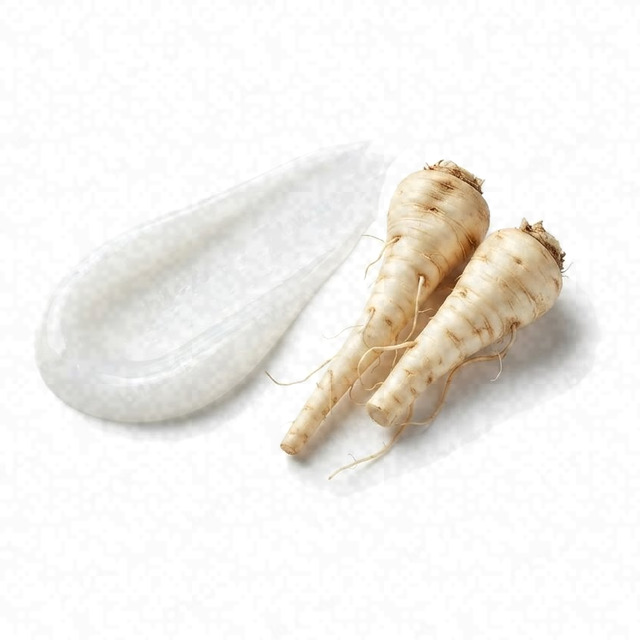 Inulin
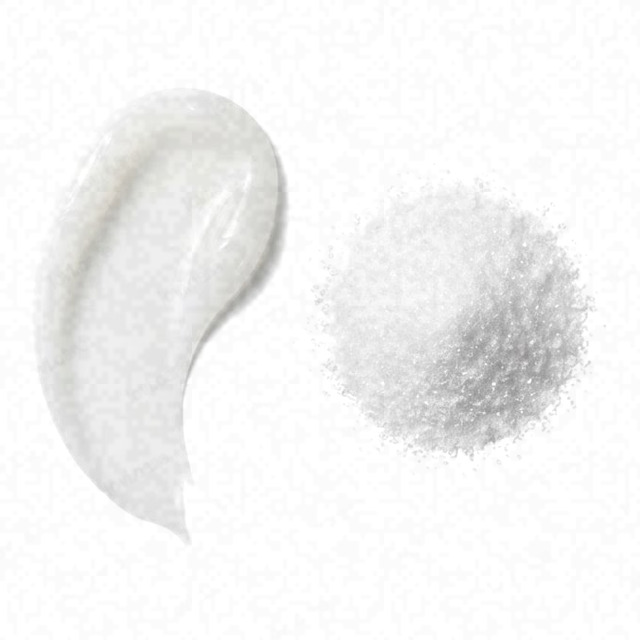 Dihydroxypropyl Arginine Hcl
Average
- AverageCombination Skin Fit
- AverageEffectiveness
- ExcellentSafety
Works for acne-prone skin; other cleansers fit it better.
This fit is calculated for the concerns frequently associated with acne-prone skin: breakouts, blackheads, and post-acne marks. For scores and recommendations based on your full skin profile, including your 12D face scan results and any goals or preferences you have, please use the Lovi app.
Page built Nov 8, 2026How the Fit score works
Lovi Assistant explains
- Offers moderate cleansing for your combination skin, as cocamidopropyl betaine and disodium cocoamphodiacetate effectively remove impurities, while glycerin provides hydration. The formula lacks targeted ingredients to directly address your acne, blemishes, and breakouts.
- While glycerin offers humectant action suitable for combination skin, the product does not provide sufficient ingredients for optimal oil control on oily areas.
- The safety profile is excellent, with no risks of irritation due to the absence of harsh ingredients and the presence of soothing components like glycerin and aloe barbadensis leaf juice.
How to apply
- Could be used as part of your AM and PM routine. Start using it 3 times a week and build up to daily use if your skin tolerates it.
- This cleanser is the first step in your morning routine and the second step after your pre-cleanser in the evening. Always follow up with a toner and moisturizer .
- Gently massage a small amount of the cleanser onto your face in circular motions. Avoid harsh rubbing to keep your skin calm.
- Apply the cleanser on slightly damp skin to help it work effectively against breakouts. Rinse thoroughly with lukewarm water .
- Avoid the immediate eye area and do a patch test before your first use to check for any sensitivity.
People Say
★4.6Overall rating based on 1.1k+ reviewsA significant number of reviews also highlight its excellent value and large size. Some users find the unique, viscous texture unappealing and report difficulty rinsing the product completely, while a small number experienced breakouts or irritation.
Highlights
Very hydrating Mostly Mentioned
- “skin felt like I'd applied a very light moisturizer”
- “kept me hydrated while cleansing”
- “saved my skin from peeling”
- “no tight dry feeling anymore”
Great value Often Mentioned
- “massive by face-wash standards”
- “can't think of a better value”
- “13.5 oz bottle lasts forever”
- “sub-$20 price is a steal”
Soothes sensitive skin Often Mentioned
- “calmed my redness”
- “didn't sting my sensitive skin”
Luxurious texture Sometimes Noted
- “bouncy and a little viscous”
- “luxurious texture”
- “thick and lovely”
- “feels like a cushion”
Difficult to rinse Sometimes Noted
- “hard to wash fully off”
- “leaves a weird film”
- “feels like it hasn't rinsed off”
- “need a washcloth to remove it”
Unappealing texture Sometimes Noted
- “texture reminds me of snot”
- “thick and slimy”
- “consistency is like lube”
- “too gooey”
Caused breakouts Rarely Noted
- “broke out my blemish free skin”
- “turned my face bright red”
- “caused clogged pores”
- “gave me the worst flare”
Packaging issues Rarely Noted
- “pump doesn't lock”
- “leaked in the box”
- “bottle slipped and top broke”
- “hard to travel with”
Sources: lovi.care, target.com, prequelskin.com, reddit.com, nymag.com, newbeauty.com, and more
Questions and answers
How well does Prequel GLEANSER work for acne-prone skin?
Prequel GLEANSER is an average fit for acne-prone skin because it cleanses and hydrates with ingredients like glycerin and aloe, but it lacks targeted blemish-fighting ingredients and oil control. A cleanser of this type needs acne-fighting ingredients alongside soothing and hydrating components to effectively manage breakouts without irritation.
Which ingredients make this cleanser a good fit for acne-prone skin?
Glycerin and aloe barbadensis leaf juice help make this cleanser a good fit because they provide soothing benefits and support moisture retention. However, this skin type needs a cleanser with ingredients that directly clear acne and breakouts and provide oil control.
What does Glycerin do for acne-prone skin?
Glycerin helps keep acne-prone skin hydrated and calm without clogging pores or feeling heavy. It supports the skin barrier so it stays soft and smooth while handling everyday treatments.
The British Journal of Dermatology, 2008International Journal of Toxicology, 2019
What does Aloe Vera Leaf Juice do for acne-prone skin?
Aloe Vera Leaf Juice helps calm acne-prone skin and may reduce redness, bumps, and spots when used consistently. Studies show it helps clear breakouts and keeps skin smooth by fighting blemish-causing factors.
Clinical Pharmacology, 2018The Journal of Dermatological Treatment, 2014
Where does it go in a skincare routine for acne-prone skin?
This cleanser fits into both your morning and evening routines as the first step of cleansing, while acne-prone skin also needs targeted ingredients for breakouts and oil control.
Can I use this cleanser with retinol, and in what order?
You can use this cleanser with retinol by washing your face with it before applying your retinoid, keeping skin calm with its soothing ingredients. A cleanser for acne-prone skin also needs targeted blemish-fighting ingredients and oil control to manage breakouts effectively.
How often should I use it?
You can use this cleanser daily in the morning and evening as part of your routine. It cleans impurities well while keeping skin calm and comfortable, though acne-prone skin needs additional targeted ingredients and oil control for the best results.
Can it clog pores, cause breakouts or purging for acne-prone skin?
This cleanser is unlikely to irritate your skin or cause severe breakouts due to its gentle ingredients, though a few reviewers have reported mild breakouts. Because it lacks targeted ingredients to directly address acne, acne-prone skin needs a cleanser with oil-controlling ingredients and blemish-fighting additions to stay clear.
Can I use this cleanser around the eyes or on my body?
You can use this cleanser around the eyes and on your body because its gentle formula cleans without harsh ingredients, making it very safe for sensitive areas and various skin types. For acne-prone skin, a cleanser of this type needs targeted blemish-fighting ingredients and oil control components to work best.
Is it fragrance-free and alcohol-free?
Yes, it has no fragrance and no drying alcohol.
What the research says
A single application of a moisturizing fluid containing hyaluronic acid 1%, glycerin 5%, and Centella asiatica stem cells extract significantly increased skin hydration by 29% and reduced transepidermal water loss at 24 hours compared to baseline and an untreated control site in twenty healthy women.
Clinical, Cosmetic and Investigational Dermatology, 2017A cream combining propolis, tea tree oil, and Aloe vera reduced erythema scars, acne severity index, and total lesion count better than erythromycin cream in sixty patients with mild to moderate acne vulgaris compared to placebo.
Clinical Pharmacology, 2018The emollient V0034CR significantly reduced TEWL compared to vehicle and vehicle plus glycerol, and significantly increased corneometry scores compared to vehicle and vehicle plus petrolatum in healthy volunteers with dry skin, demonstrating combined barrier function improvement from petrolatum and hydration improvement from glycerol.
Journal of Cosmetic Dermatology, 2020Ten days of treatment with a cream containing 20% glycerin significantly increased skin hydration measured by corneometer values in 17 healthy volunteers compared to a placebo cream, but showed no influence on transepidermal water loss or skin sensitivity to an irritating surfactant.
International Journal of Cosmetic Science, 2001Niacinamide/glycerin body moisturizers provided better rapid and prolonged improvement of cosmetic xerosis through functional improvement of stratum corneum barrier function compared to no treatment and conventional moisturizers in female subjects.
Journal of Drugs in Dermatology, 2012Topical aloe vera gel significantly accelerated split-thickness skin graft donor-site healing compared to placebo in 12 patients, but showed no significant difference in pain relief.
Plastic and Reconstructive Surgery, 2018Topical application of Aloe vera cream reduced postoperative pain at rest and during defecation, accelerated wound healing at two weeks, and decreased analgesic requirements in patients after open hemorrhoidectomy compared to placebo.
Journal of Alternative and Complementary Medicine, 2010Formulations containing 0.10%, 0.25%, and 0.50% freeze-dried Aloe vera extract increased stratum corneum water content compared with the vehicle in 20 female subjects, while transepidermal water loss was not modified.
Skin Research and Technology, 2006The cytotoxic effect of sodium lauryl sulphate on normal human keratinocytes was significantly decreased when combined with cocamidopropyl betaine, Tween 20, and Tween 80 at concentrations well below the critical micelle concentration.
Skin Pharmacology and Applied Skin Physiology, 2003
Why other cleansers fit acne-prone skin better
Topical 5% tea tree oil gel significantly improved total acne lesions and acne severity index compared to placebo in 60 patients with mild to moderate acne vulgaris, showing 3.55 times and 5.75 times greater efficacy respectively.
Indian Journal of Dermatology, Venereology and Leprology, 2007A botanical face cleanser with hops and willow bark extract continuously reduced skin sebum levels without reactive seborrhea after treatment in 21 healthy volunteers compared to a sodium laureth sulfate cleanser, with neither cleanser causing skin irritation.
Journal of Cosmetic Dermatology, 2019A cream combining propolis, tea tree oil, and Aloe vera reduced erythema scars, acne severity index, and total lesion count better than erythromycin cream in sixty patients with mild to moderate acne vulgaris compared to placebo.
Clinical Pharmacology, 2018
Ingredients
Glycerin, Water, Cocamidopropyl Betaine, Disodium Cocoamphodiacetate, Sodium Chloride, Inulin, Dihydroxypropyl Arginine Hcl, Aloe Barbadensis Leaf Juice, Avena Sativa Kernel Flour, Glyceryl Glucoside, Polyquaternium-10, Citric Acid, Ethylhexylglycerin, Phenoxyethanol, Hydroxyethylcellulose, Tetrasodium Glutamate Diacetate, Lecithin, Xanthan Gum, Pentylene Glycol, Sodium Hydroxide
Behind this fit score
Lovi calculates every fit score from the full ingredient list with brand-independent rules our dermatologists and cosmetic chemists build and review, and personalizes every pick with AI trained on the real results of millions of users. Lovi trains its fit score models on a proprietary dataset built from more than 10,000 expert-labeled products and more than 100,000 simulated examples, following an internally consistent methodology presented at Cosmoprof, AMWC, and Skin of Color Update.
-

Co-founder, Medical Director
Cosmetic chemist, cosmetologist, aesthetic products developer
-

Co-founder, CEO and CTO
PhD in computer science, 3x US patent holder, ex-Google, ex-Yandex
-

Dr. Sofía Perea Pérez, MD, MSc
Medical Board
Aesthetic medicine practitioner, MSc in Longevity and Anti-Aging Medicine
-

Medical Board
Specialist dermatologist, MBBS, MD, IFAAD
-

Medical Board
Cosmetic chemist, SCS, IFSCC member
-

Medical Board, Medical Advisor
Dermatology MD
-

Elina Nazarenko, MD
Medical Board
Dermatology and diagnostic consultant
-

Victoria Derkova, MS
Medical Board
Cosmetic chemist, cosmetic development technologist


How does it fit your skin?
Scan your face, then any product: Lovi shows how well it fits you and what fits even better.