Philosophy Hope In A Jar for sensitive skin

 Glycerin
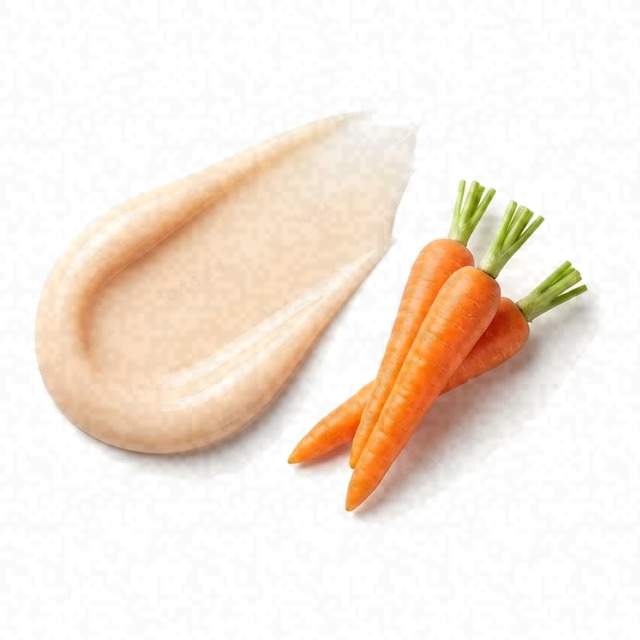 Retinyl Palmitate
 Tocopheryl Acetate
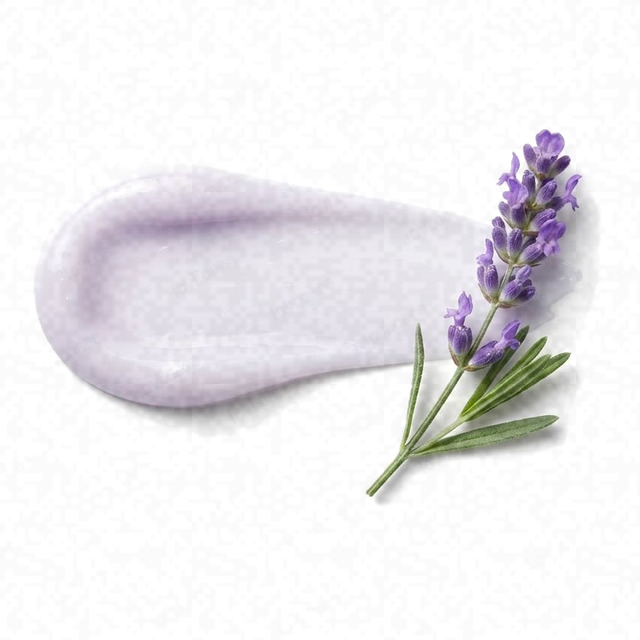 Lavandula Angustifolia Oil Lavender Oil
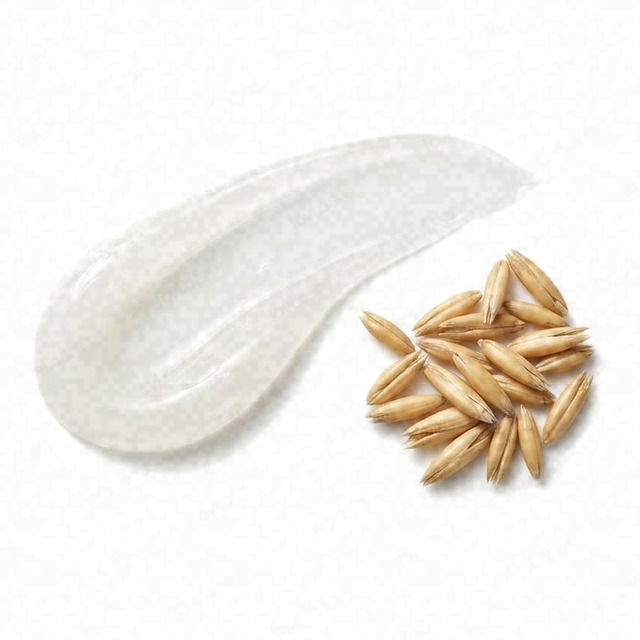 Beta-Glucan
Average
- HighNormal Skin Fit
- HighEffectiveness
- ConcerningSafety
Works for sensitive skin; other moisturizers fit it better.
This fit is calculated for the concerns frequently associated with sensitive skin: redness, stinging, and reactions to new products. For scores and recommendations based on your full skin profile, including your 12D face scan results and any goals or preferences you have, please use the Lovi app.
Page built Nov 8, 2026How the Fit score works
Lovi Assistant explains
- Offers moderate moisturizing for your normal skin, as glycerin and beta-glucan hydrate and enhance barrier resilience, though these benefits are not directly targeted at your redness and irritation.
- The formulation includes soothing ingredients like beta-glucan and lavender oil, which are generally well-tolerated by sensitive skin.
How to apply
- Use this soothing AM and PM routine every day to keep your normal skin calm. Always remember to apply SPF in the morning after your moisturizer.
- Apply your moisturizer after your toner in the morning, and after your serum in the evening. This step locks in hydration and protects your skin.
- Gently press a small amount of the moisturizer evenly across your face. Avoid rubbing to keep your sensitive skin happy and calm.
- You can apply this gentle formula on dry or slightly damp skin for the best comfort. It works wonderfully on clean skin to soothe redness and irritation.
- Do a patch test before your very first use to check your skin's reaction. Avoid getting the product directly into your eyes .
People Say
★4.5Overall rating based on 2.5k+ reviewsBased on a very large amount of data, this moisturizer is frequently praised for improving skin texture and providing a radiant glow, with many users noting a lightweight, non-greasy feel and softening of fine lines. Some users with very dry skin find it not moisturizing enough, and a moderate number of reviews mention an unpleasant fragrance or a potential for breakouts.
Highlights
Improves texture Often Mentioned
- “Skin is so smooth & improved the look & feel.”
- “Instantly smooth skin texture.”
- “Real surface texture improvement over 2-4 weeks.”
Radiant glow Often Mentioned
- “It really does make my skin glow.”
- “Gave my skin a radiant glow.”
- “Love the glow it gives once it's fully absorbed.”
Lightweight feel Sometimes Noted
- “Much lighter feel, with all the same glowing benefits.”
- “Leaves NO GREASY residue.”
- “Feels lightweight and non greasy.”
Softens lines Sometimes Noted
- “Fine lines softened.”
- “Reduce fine lines & wrinkles.”
- “Start of crows feet... have all but gone.”
Unpleasant fragrance Sometimes Noted
- “Discussed the funky smell of the cream.”
- “Weird fragrance that I could do without.”
- “Limited by added fragrance including declared allergens.”
Causes breakouts Rarely Noted
- “Woke up the next morning with four pimples.”
- “If I use anything really thick or heavy, I will break out.”
- “Made my face look shiny... only used it at night.”
Not for dry skin Rarely Noted
- “Don't know how much moisture it will give to those of you with very dry skin.”
- “For those of you with really dry skin, this one may not be hydrating enough.”
- “Unless you have dry skin, I wouldn't recommend using it.”
Sources: lovi.care, ulta.com, moisturizers.com, omgbart.com, shespeaks.com, chicdarling.com, and more
Questions and answers
How well does Hope In A Jar work for sensitive skin?
Philosophy Hope In A Jar works moderately well for sensitive skin, as its glycerin and beta-glucan hydrate and strengthen the skin, though these benefits do not specifically target redness and irritation. To fit sensitive skin better, a moisturizer needs highly effective soothing ingredients that specifically target redness and irritation, along with fermented Centella Asiatica, cica ceramide, and nourishing oils to enhance barrier function.
Which ingredients make this cream a good fit for sensitive skin?
Glycerin and beta-glucan help hydrate sensitive skin and strengthen its barrier, though this cream lacks targeted ingredients for redness and irritation. To fit this skin type well, a moisturizer needs soothing ingredients like fermented Centella Asiatica, cica ceramide, and nourishing oils that calm redness and irritation without overwhelming the skin.
What does Glycerin do for sensitive skin?
Glycerin helps keep sensitive skin soft and deeply hydrated while supporting the skin barrier. It is unlikely to cause irritation and may protect against dryness and roughness.
The British Journal of Dermatology, 2008Acta Dermato-venereologica, 1999
What does Retinyl Palmitate do for sensitive skin?
Retinyl palmitate helps improve fine lines, wrinkles, and texture, but for sensitive skin it requires careful testing because it may cause irritation. This skin type needs gentle, hydrating ingredients and barrier-repairing components to stay calm and comfortable.
Journal of Cosmetic Dermatology, 2013International Journal of Nanomedicine, 2021
Where does this cream go in a skincare routine for sensitive skin?
This moisturizer goes in the evening routine as the final step after your treatment. Sensitive skin needs a moisturizer with calming ingredients like beta-glucan and gentle hydration that supports the skin barrier without causing redness or irritation.
Can I use this cream with vitamin C, and in what order?
How often should I use this cream?
You can use this moisturizer daily as part of your evening routine. Regular application helps keep skin hydrated and supports barrier strength.
Health Science Reports, 2021Journal of Drugs in Dermatology, 2015
Can this cream clog pores, cause breakouts or purging for sensitive skin?
This cream is unlikely to cause breakouts for sensitive skin, as negative reviews about clogged pores are low. However, a product for sensitive skin needs soothing agents and fragrance-free formulas to calm redness and irritation.
Can I use this cream around the eyes or on my body?
You can use this cream on your body and around your eyes, but sensitive skin needs a product with extra soothing ingredients and targeted calming care to truly handle redness and irritation.
Is this cream fragrance-free and alcohol-free?
It has no drying alcohol and contains fragrance (benzyl alcohol, geraniol, limonene, and linalool). Behenyl alcohol is a fatty alcohol, which soften the skin.
What the research says
Skin care regimens containing beta-glucan improved hemoglobin index, skin hydration, and transepidermal water loss compared to vehicle control in 20 patients undergoing fractional laser therapy.
Journal of Cosmetic Dermatology, 2021A single application of a moisturizing fluid containing hyaluronic acid 1%, glycerin 5%, and Centella asiatica stem cells extract significantly increased skin hydration by 29% and reduced transepidermal water loss at 24 hours compared to baseline and an untreated control site in twenty healthy women.
Clinical, Cosmetic and Investigational Dermatology, 2017Lavandula angustifolia leaf callus extract enhanced skin cell viability, reduced oxidative stress and melanin content, improved wound healing, and enhanced skin barrier function in human skin cells and clinical tests.
Free Radical Biology & Medicine, 2025The emollient V0034CR significantly reduced TEWL compared to vehicle and vehicle plus glycerol, and significantly increased corneometry scores compared to vehicle and vehicle plus petrolatum in healthy volunteers with dry skin, demonstrating combined barrier function improvement from petrolatum and hydration improvement from glycerol.
Journal of Cosmetic Dermatology, 2020Ten days of treatment with a cream containing 20% glycerin significantly increased skin hydration measured by corneometer values in 17 healthy volunteers compared to a placebo cream, but showed no influence on transepidermal water loss or skin sensitivity to an irritating surfactant.
International Journal of Cosmetic Science, 2001Niacinamide/glycerin body moisturizers provided better rapid and prolonged improvement of cosmetic xerosis through functional improvement of stratum corneum barrier function compared to no treatment and conventional moisturizers in female subjects.
Journal of Drugs in Dermatology, 2012Over-the-counter retinol products provided only weak evidence for a mild ameliorating effect on fine facial skin wrinkle lines in randomized, double-blind, vehicle-controlled trials, and major methodological flaws call the validity of positive results into question.
The Journal of Clinical and Aesthetic Dermatology, 2021A cosmetic niacinamide/peptide/retinyl propionate regimen significantly improved periorbital wrinkle appearance relative to a 0.02% tretinoin regimen at 8 weeks with comparable benefits at 24 weeks, while demonstrating significantly better tolerability in 196 women.
The British Journal of Dermatology, 2010A novel triple-active cosmetic formulation containing 4-hexylresorcinol, retinyl propionate, and niacinamide improved the visual appearance of photoageing similarly to 0.02% tretinoin and reversed a consensus gene signature associated with ageing in female adults while causing less skin irritation.
International Journal of Cosmetic Science, 2024Topical application of an antioxidant serum containing 15% ascorbic acid, 0.5% ferulic acid, and 1% tocopherol prevented particulate matter-induced degradation of extracellular matrix components, inflammation, and oxidative stress in the skin of 15 female volunteers compared to untreated controls.
Journal of Cosmetic Dermatology, 2025Dermatological products containing d-alpha tocopheryl acetate showed non-comedogenic potential with less than a 50% increase in microcomedones in 12 healthy male subjects compared to octyl palmitate.
Contemporary Clinical Trials Communications, 2021Topical application of an antioxidant mix containing 15% ascorbic acid, 0.5% ferulic acid, and 1% tocopherol prevented PM and UV-induced skin barrier perturbation, lipid peroxidation, inflammatory markers, MMP9 activation, and Type I collagen loss in 15 healthy females compared to untreated exposed skin.
Journal of Cosmetic Dermatology, 2024Polysaccharide-based O/W emulsions incorporated with lavender essential oil applied to cellulosic support are non-irritating, provide softness and moisturizing effects, and are safe for topical patch applications.
International Journal of Biological Macromolecules, 2021Gellan gum hydrogel films co-encapsulating ofloxacin with tea tree or lavender oil achieved 98% wound contraction and completely healed epidermis in rats after ten days of treatment compared to baseline.
International Journal of Biological Macromolecules, 2021Topical application of lavender oil significantly promoted wound contraction, collagen synthesis, and fibroblast differentiation with up-regulation of TGF-beta in a rat model compared to control.
BMC Complementary and Alternative Medicine, 2016Treatment with topical formulations containing beta-glucan combined with nanofractional radiofrequency plus magnetic nanofractional radiofrequency showed the best efficacy and was tolerable and effective in Chinese women with abdominal stretch marks compared to control groups.
Dermatology and Therapy, 2023Topical beta-glucan mildly improved striae gravidarum, 1565-nm non-ablative fractional laser showed better results than topical beta-glucan, and the combined strategy further improved striae gravidarum atrophy compared to single treatment.
The Journal of Dermatology, 2022Topical application of oat beta-glucan ameliorates epidermal hyperplasia and accelerates epidermal barrier recovery by promoting keratinocyte differentiation through dectin-1-mediated ERK and p38 signaling pathways that upregulate CaSR expression.
International Journal of Biological Macromolecules, 2021
Why other moisturizers fit sensitive skin better
Cosmetic formulations containing 5% Centella asiatica extract showed the best efficacy in improving skin moisture and decreasing transepidermal water loss, while also exhibiting antiinflammatory properties in 25 volunteers compared to baseline measurements.
Indian Journal of Pharmaceutical Sciences, 2016Soaps containing betaine caused the least skin irritation compared to other tested soaps in twenty-eight healthy subjects, though irritation did not decrease with increasing concentrations of betaine.
Skin Research and Technology, 2003
Ingredients
Water, Lauryl Lactate, Behenic Acid, Behenoxy Dimethicone, Glycerin, Glyceryl Stearate Se, Behenyl Alcohol, Pentaerythrityl Tetracaprylate Tetracaprate, Cyclopentasiloxane, Tocopheryl Acetate, Benzyl Alcohol, Cyclohexasiloxane, Retinyl Palmitate, Arginine, Stearic Acid, Panthenol, Beta-Glucan, Lavandula Angustifolia Oil Lavender Oil, Xanthan Gum, Triethanolamine, Propylene Glycol, Geraniol, Limonene, Linalool, Methylparaben, Propylparaben, Diazolidinyl Urea
Behind this fit score
Lovi calculates every fit score from the full ingredient list with brand-independent rules our dermatologists and cosmetic chemists build and review, and personalizes every pick with AI trained on the real results of millions of users. Lovi trains its fit score models on a proprietary dataset built from more than 10,000 expert-labeled products and more than 100,000 simulated examples, following an internally consistent methodology presented at Cosmoprof, AMWC, and Skin of Color Update.
-

Co-founder, Medical Director
Cosmetic chemist, cosmetologist, aesthetic products developer
-

Co-founder, CEO and CTO
PhD in computer science, 3x US patent holder, ex-Google, ex-Yandex
-

Dr. Sofía Perea Pérez, MD, MSc
Medical Board
Aesthetic medicine practitioner, MSc in Longevity and Anti-Aging Medicine
-

Medical Board
Specialist dermatologist, MBBS, MD, IFAAD
-

Medical Board
Cosmetic chemist, SCS, IFSCC member
-

Medical Board, Medical Advisor
Dermatology MD
-

Elina Nazarenko, MD
Medical Board
Dermatology and diagnostic consultant
-

Victoria Derkova, MS
Medical Board
Cosmetic chemist, cosmetic development technologist


How does it fit your skin?
Scan your face, then any product: Lovi shows how well it fits you and what fits even better.