Peter Thomas Roth Max Complexion Correction Pads for acne-prone skin

 Salicylic Acid
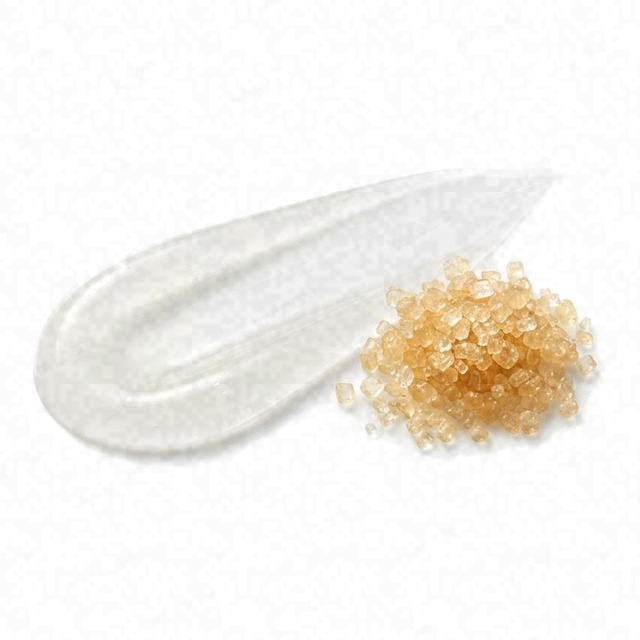 Glycolic Acid Complex
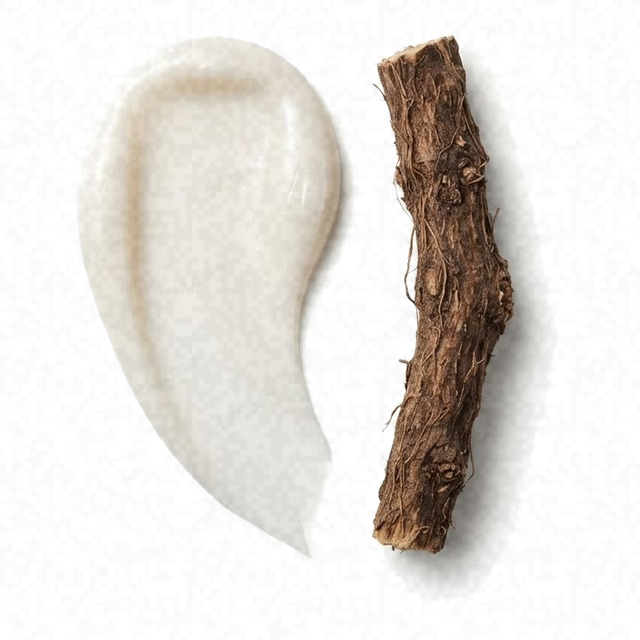 Allantoin
 Whole Aloe Vera Leaf
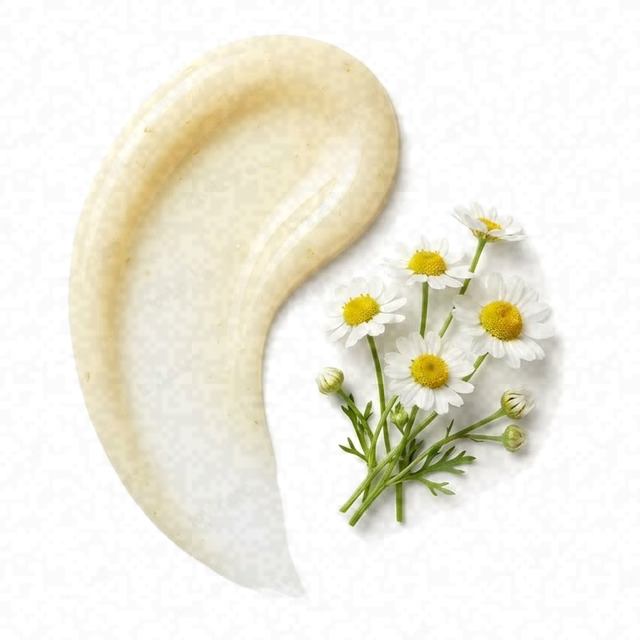 Chamomile Extract
Warning
- HighCombination Skin Fit
- AverageEffectiveness
- WarningSafety
A poor match for acne-prone skin; the products alongside fit it better.
This fit is calculated for the concerns frequently associated with acne-prone skin: breakouts, blackheads, and post-acne marks. For scores and recommendations based on your full skin profile, including your 12D face scan results and any goals or preferences you have, please use the Lovi app.
Page built Nov 8, 2026How the Fit score works
How to apply
- Use this exfoliant PM once a week to start, and gradually increase if your combination skin tolerates it well. Always apply SPF the next morning to protect your clear skin.
- Apply the exfoliant after cleansing and toning, but right before your moisturizer step. This ensures the treatment targets blemishes effectively.
- Gently press 2-3 drops of the exfoliant into your skin without rubbing. Let it absorb for a minute before moving to the next step.
- Apply the exfoliant on clean, dry skin to help control breakouts safely. Since your skin is not sensitive, this dry application method ensures good product absorption.
- Avoid the sensitive eye area and do a patch test before your first use. Do not mix this exfoliant with other strong acids in the same routine.
People Say
★4.4Overall rating based on 1.7k+ reviewsBased on a very large amount of data, users with acne-prone and aging skin frequently praise these pads for their dual ability to clear stubborn hormonal breakouts and refine skin texture, often noting a "glass skin" effect. While the peach bellini scent and potent formula are hits for many, a significant number of users warn of intense tingling, dryness, and potential irritation if used too frequently or on sensitive skin.
Highlights
Clears acne breakouts Mostly Mentioned
- “cleared acne literally overnight”
- “saved my skin from hormonal breakouts”
- “zero breakouts since using”
Improves texture pores Often Mentioned
- “pores look refined”
- “skin is noticeably smoother”
- “glass skin texture”
Irritation and burning Often Mentioned
- “burned my skin”
- “face felt on fire”
- “intense stinging sensation”
Brightens anti-aging Sometimes Noted
- “lightened dark spots”
- “skin looks brighter”
- “helps with fine lines”
Convenient application Sometimes Noted
- “easy to use”
- “great for lazy nights”
- “just swipe and go”
Pleasant scent Sometimes Noted
- “smells like peach bellini”
- “amazing fresh scent”
- “best smelling acne product”
Dryness and peeling Sometimes Noted
- “caused dry patches”
- “skin started peeling”
- “very drying around nose”
High price point Sometimes Noted
- “expensive for pads”
- “pricey but effective”
- “wish it was cheaper”
Allergic reactions Rarely Noted
- “eyes swelled shut”
- “severe allergic reaction”
- “weepy and itchy eyes”
Sticky residue Rarely Noted
- “leaves a sticky film”
- “feels tacky on face”
- “takes a while to dry”
Sources: lovi.care, peterthomasroth.com, sephora.com, ulta.com, dermstore.com, walmart.com, and more
Questions and answers
Why does Lovi advise against Peter Thomas Roth Max Complexion Correction Pads for acne-prone skin?
This exfoliant treatment is a poor match because acne-prone skin needs soothing ingredients like niacinamide, propolis, or zinc PCA that calm breakouts and balance oil without irritation. This product needs a formulation that targets blemishes gently while providing hydration and avoiding imbalance.
Which ingredients make this exfoliant a poor fit for acne-prone skin?
Salicylic acid and glycolic acid complex are strong ingredients that can easily cause irritation on acne-prone skin. This type of skin needs gentle, soothing ingredients like niacinamide, propolis, or zinc PCA that help clear breakouts without causing dryness or irritation.
What does Salicylic Acid do for acne-prone skin?
Salicylic acid helps clear acne-prone skin by reducing pimples and calming redness without causing many side effects. It works by dipping deep into pores to clear out blockages and control oil, making it a reliable choice for keeping skin smooth and clear.
BioMed Research International, 2020Journal of Cosmetic Dermatology, 2024
What does Glycolic Acid do for acne-prone skin?
Glycolic acid helps clear acne-prone skin by reducing blemishes and breakouts, while also improving dark spots left behind after acne clears. It works by gently removing dead surface skin cells to keep pores clean. Products of this type for acne-prone skin need soothing ingredients and gentle exfoliating acids to help control oil and breakouts without irritation.
Journal of Cosmetic Dermatology, 2021Dermatologic Surgery, 2014
Where does this exfoliant go in a skincare routine for acne-prone skin?
Can I use this exfoliant with retinol, and in what order?
This exfoliant is a poor match for acne-prone skin, and combining it with retinol may easily cause severe dryness, redness, and irritation. Acne-prone skin needs a gentle routine with soothing ingredients like whole aloe vera leaf and chamomile extract to calm irritation while treating breakouts.
How often should I use this exfoliant?
This exfoliant is a poor match for acne-prone skin, so it is best to avoid using it. Skin like this needs gentle exfoliating acids used just once a week, along with soothing ingredients like aloe and chamomile to keep the face calm.
Can this exfoliant clog pores, cause breakouts or purging for acne-prone skin?
This exfoliant is a poor match for acne-prone skin because its strong acids and drying ingredients like alcohol may cause irritation, burning, dryness, and peeling. Products for this skin need gentle exfoliating ingredients and soothing additions that clear pores without triggering redness or flaking.
Is this exfoliant fragrance-free and alcohol-free?
It contains fragrance (parfum, limonene, linalool, citronellol, geraniol, benzyl alcohol, and citral) and drying alcohol (alcohol denat).
What the research says
Cryotherapy with liquid nitrogen achieved a higher cure rate (39%) than salicylic acid (24%) and a wait-and-see approach (16%) for cutaneous warts at 13 weeks in primary care patients.
CMAJ, 2010A moisturizer containing licochalcone A, 1,2-decanediol, L-carnitine, and salicylic acid significantly reduced noninflammatory, inflammatory, and total acne lesion counts compared to a vehicle control in Thai patients during a 12-week maintenance phase.
BioMed Research International, 2020Treatment with 2% supramolecular salicylic acid hydrogel resulted in a regression and markedly improvement rate of 51.01% compared to 43.10% for Adapaline gel in patients with mild to moderate facial acne vulgaris, showing no significant difference in efficacy.
Journal of Cosmetic Dermatology, 2024Repeated short-contact 70% glycolic acid peels provided superior results in atrophic acne scars compared to daily low-strength glycolic acid cream or placebo in 58 women over 24 weeks.
International Journal of Dermatology, 2000Serial glycolic acid peels combined with a modified Kligman formula significantly reduced facial PIH severity in Indian patients compared to the modified Kligman formula alone.
Dermatologic Surgery, 2017Topical gel containing chitosan, 0.2% chlorhexidine, allantoin and dexpanthenol did not improve postoperative comfort regarding swelling and pain, but improved the wound's aesthetic appearance following impacted lower third molar extraction compared to no gel.
Medicina Oral, Patologia Oral Y Cirugia Bucal, 2016A topical gel containing chitosan, chlorhexidine, allantoin, and dexpanthenol significantly reduced postoperative pain, trismus, swelling, and analgesic consumption, while improving wound healing after third molar surgery compared to a placebo.
Medicina Oral, Patologia Oral Y Cirugia Bucal, 2020An overnight patch containing Allium cepa extract and allantoin safely promotes scar healing after dermatologic surgery, resulting in significantly greater reductions in observer- and patient-assessed POSAS scores compared to no treatment.
Aesthetic Plastic Surgery, 2018A cream combining propolis, tea tree oil, and Aloe vera reduced erythema scars, acne severity index, and total lesion count better than erythromycin cream in sixty patients with mild to moderate acne vulgaris compared to placebo.
Clinical Pharmacology, 2018Topical aloe vera gel significantly accelerated split-thickness skin graft donor-site healing compared to placebo in 12 patients, but showed no significant difference in pain relief.
Plastic and Reconstructive Surgery, 2018Topical application of Aloe vera cream reduced postoperative pain at rest and during defecation, accelerated wound healing at two weeks, and decreased analgesic requirements in patients after open hemorrhoidectomy compared to placebo.
Journal of Alternative and Complementary Medicine, 2010Apigenin protects against UVA-induced cytotoxicity and senescence in normal human dermal fibroblasts, decreases MMP-1 expression, and when applied topically as a cream in human subjects, increases dermal density and elasticity while reducing fine wrinkle length, skin evenness, moisture content, and transepidermal water loss compared to control cream.
International Journal of Molecular Medicine, 2016Topical chamomile oil combined with a night splint significantly improved the symptomatic and functional status of patients with severe carpal tunnel syndrome compared to placebo, while electrodiagnostic parameters showed no significant changes.
Complementary Therapies in Clinical Practice, 2015German chamomile solution applied twice a day healed peristomal skin lesions significantly faster than once-a-day 1% hydrocortisone ointment in colostomy patients, with a mean healing time of 8.89 days versus 14.53 days.
Ostomy/wound Management, 2011
Ingredients
Salicylic Acid, Alcohol Denat, Water, Butylene Glycol, Glycolic Acid, Witch Hazel Water, Aloe Barbadensis Leaf Juice, Arginine, Chamomilla Recutita Flower Extract Matricaria Flower Extract, Camellia Sinensis Leaf Extract, Prunus Persica Fruit Extract, Symphytum Officinale Root Extract, Allantoin, Parfum, Triethanolamine, Citric Acid, Benzoic Acid, Potassium Sorbate, Sodium Benzoate, Amyl Cinnamal, Butylparaben, Butylphenyl Methylpropional, Ethylparaben, Isobutylparaben, Limonene, Linalool, Methylparaben, Phenoxyethanol, Propylparaben, Citronellol, Geraniol, Benzyl Alcohol, Citral, Benzyl Benzoate
Behind this fit score
Lovi calculates every fit score from the full ingredient list with brand-independent rules our dermatologists and cosmetic chemists build and review, and personalizes every pick with AI trained on the real results of millions of users. Lovi trains its fit score models on a proprietary dataset built from more than 10,000 expert-labeled products and more than 100,000 simulated examples, following an internally consistent methodology presented at Cosmoprof, AMWC, and Skin of Color Update.
-

Co-founder, Medical Director
Cosmetic chemist, cosmetologist, aesthetic products developer
-

Co-founder, CEO and CTO
PhD in computer science, 3x US patent holder, ex-Google, ex-Yandex
-

Dr. Sofía Perea Pérez, MD, MSc
Medical Board
Aesthetic medicine practitioner, MSc in Longevity and Anti-Aging Medicine
-

Medical Board
Specialist dermatologist, MBBS, MD, IFAAD
-

Medical Board
Cosmetic chemist, SCS, IFSCC member
-

Medical Board, Medical Advisor
Dermatology MD
-

Elina Nazarenko, MD
Medical Board
Dermatology and diagnostic consultant
-

Victoria Derkova, MS
Medical Board
Cosmetic chemist, cosmetic development technologist


How does it fit your skin?
Scan your face, then any product: Lovi shows how well it fits you and what fits even better.