Perricone MD Vitamin C Ester CCC+ Ferulic Brightening Under-Eye Cream for acne-prone skin

 Ascorbic Acid Ester
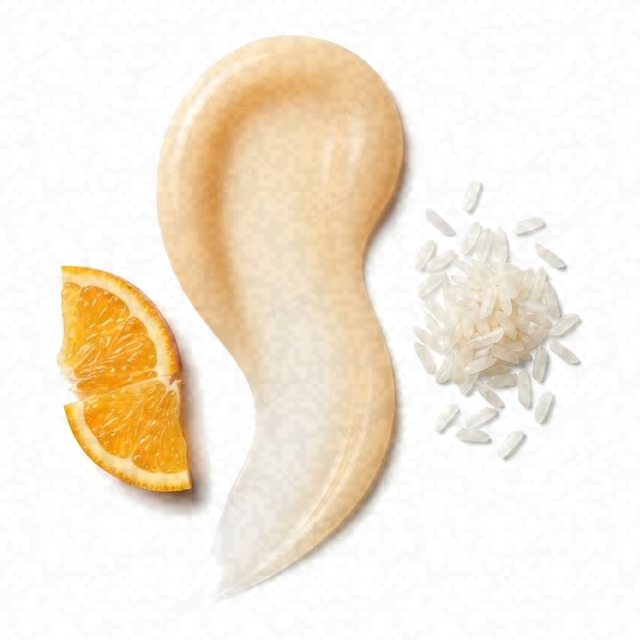 Ferulic Acid
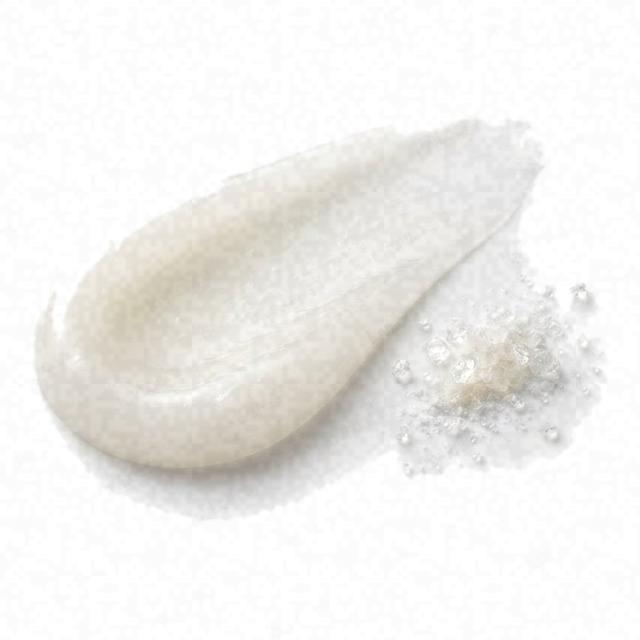 Peptides
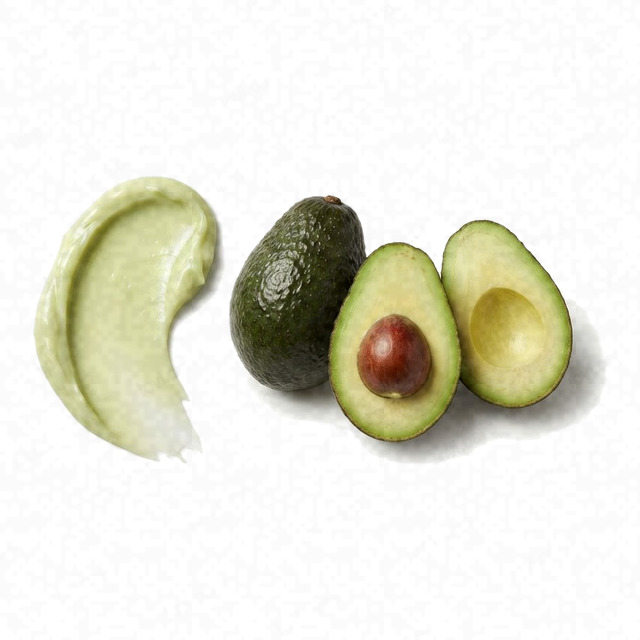 Avocado Oil
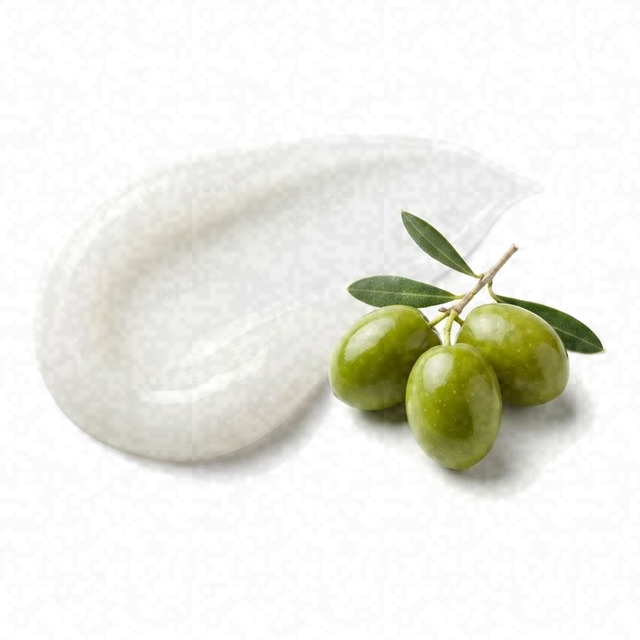 Squalene
High
- SuperiorCombination Skin Fit
- HighEffectiveness
- HighSafety
A great choice for acne-prone skin; a few eye cares fit it even better.
This fit is calculated for the concerns frequently associated with acne-prone skin: breakouts, blackheads, and post-acne marks. For scores and recommendations based on your full skin profile, including your 12D face scan results and any goals or preferences you have, please use the Lovi app.
Page built Nov 8, 2026How the Fit score works
Lovi Assistant explains
- High suitability for your combination skin is provided by 3-O-Ethyl Ascorbic Acid and Ferulic Acid, which offer antioxidant and brightening benefits to improve skin texture and tone.
- Glycerin and Panthenol further support hydration, while Persea Gratissima Oil and Squalene provide emollient action, though stronger humectant support could enhance comfort over time.
- The product is safe for your skin due to the absence of harsh or prohibited ingredients, minimizing irritation risks.
People Say
★4.6Overall rating based on 1.6k+ reviewsBased on a very large amount of data, users frequently praise this eye cream for its ability to brighten the under-eye area and reduce the appearance of dark circles, specifically targeting brown, blue, and red discoloration. Many find it lightweight and effective for puffiness, though some users with sensitive or dry skin reported irritation and insufficient hydration.
Highlights
Brightens eyes Mostly Mentioned
- “noticeably brightened my skin”
- “looks a lot brighter”
- “so brightening”
- “refreshed and brightened”
Lightweight formula Often Mentioned
- “absorbs very fast”
- “light and absorbs quickly”
- “fast-absorbing”
- “sinks in beautifully”
Reduces dark circles Often Mentioned
- “dark circles are less noticeable”
- “lighten my under eye dark circles”
- “diminishes appearance of dark circles”
- “faded dark circles”
Reduces puffiness Sometimes Noted
- “makes my under eye less puffy”
- “minimizes puffiness”
- “puff-free”
- “bags are firmer”
Smooths texture Sometimes Noted
- “improves skin texture”
- “leaving my eye area smooth”
- “crepey skin looks better”
- “firming effect”
Expensive price Sometimes Noted
- “too expensive”
- “high price tag”
- “pricey for the amount”
- “investment skincare”
Causes irritation Rarely Noted
- “horrible reaction”
- “burning sensation”
- “irritated my skin”
- “caused redness”
No results Rarely Noted
- “disappointing results”
- “didn't notice a difference”
- “no change in circles”
- “waste of money”
Not hydrating Rarely Noted
- “dried my skin out”
- “doesn't hydrate as much”
- “not moisturizing enough”
- “emphasized dryness”
Sources: lovi.care, macys.com, perriconemd.com, dermstore.com, ulta.com, lovelyskin.com, and more
Questions and answers
What makes Perricone MD Vitamin C Ester CCC+ Ferulic Brightening Under-Eye Cream a great fit for acne-prone skin?
This eye cream is a great fit for acne-prone skin because 3-O-Ethyl Ascorbic Acid and Ferulic Acid brighten your skin tone and improve texture, while Glycerin and Panthenol help keep the area hydrated. It is also very safe for your skin since it lacks harsh ingredients, which helps keep irritation risks low.
Which ingredients make this cream a good fit for acne-prone skin?
This cream is a great fit for acne-prone skin because 3-O-Ethyl Ascorbic Acid and Ferulic Acid help brighten tone and improve texture with antioxidant benefits. Glycerin and Panthenol support hydration while avocado oil and squalene soften the skin, and the safe formula minimizes the risk of irritation.
What does Ascorbic Acid do for acne-prone skin?
Ascorbic acid helps brighten dark spots left behind by acne and protects acne-prone skin from everyday oxidative stress. It is unlikely to cause irritation when used correctly, though this depends on the specific formula and your skin's sensitivity.
The Journal of Clinical and Aesthetic Dermatology, 2024Journal of Molecular Medicine, 1995
What does Ferulic Acid do for acne-prone skin?
Ferulic acid helps protect acne-prone skin from UV damage and may reduce redness and dark spots left behind after breakouts clear. Combining it with supportive treatments can also improve skin texture and tone while helping calm inflammation.
Journal of the American Academy of Dermatology, 2008Journal of Cosmetic Dermatology, 2008
Where does this cream go in a skincare routine for acne-prone skin?
This eye cream is a treatment product that goes on after cleansing and toning, and before your moisturizer, used in the evening for simplicity and safety or twice a day if your skin tolerates it well.
Can I use this cream with retinol, and in what order?
You can use this eye cream with retinol by applying the cream first to let it absorb, followed by your retinol product. This approach helps protect your skin from irritation while delivering brightening and antioxidant benefits.
How often should I use this cream?
You can use this eye cream daily as part of your morning and evening routine. It is a great fit for your skin, featuring ingredients that brighten tone and smooth texture while remaining very safe and unlikely to cause irritation.
Can this cream clog pores, cause breakouts or purging for acne-prone skin?
This eye cream is unlikely to clog pores or cause breakouts for acne-prone skin because it is free of harsh ingredients and has a very low risk of irritation. It helps keep the skin smooth and calm while supporting overall comfort.
Is this cream fragrance-free and alcohol-free?
Yes, it has no fragrance and no drying alcohol. Cetearyl alcohol is a fatty alcohol, which soften the skin.
What the research says
A multi-component dissolving microneedle patch loaded with glabridin, 3-O-ethyl-L-ascorbic acid, and tranexamic acid effectively reduced chloasma and age spots while demonstrating safety in clinical evaluation, alongside significant antioxidant, anti-tyrosinase, and melanin-reduction effects in vitro and in vivo.
Polymers, 2023A new topical panthenol-containing emollient significantly improved transepidermal water loss reduction, stratum corneum hydration, and intercellular lipid lamellae length compared with control in healthy subjects without negatively impacting bacterial viability.
The Journal of Dermatological Treatment, 2017Topical dexpanthenol acts as a moisturizer, improves stratum corneum hydration, accelerates wound healing and epidermal regeneration, reduces erythema, and improves symptoms of skin irritation compared to vehicle or no pretreatment.
American Journal of Clinical Dermatology, 2002A single application of a moisturizing fluid containing hyaluronic acid 1%, glycerin 5%, and Centella asiatica stem cells extract significantly increased skin hydration by 29% and reduced transepidermal water loss at 24 hours compared to baseline and an untreated control site in twenty healthy women.
Clinical, Cosmetic and Investigational Dermatology, 2017Topical application of 5% vitamin C cream significantly improved global clinical scores, increased skin microrelief density, and induced elastic tissue repair in photoaged skin compared to excipient control in healthy female volunteers.
Experimental Dermatology, 2003Ascorbic acid 2-glucoside gel significantly reduced gingival melanin pigmentation after 4 weeks compared to placebo in 73 subjects with symmetric pigmentation.
Journal of Periodontology, 2009Topical application of VC-IP cream twice daily for 8 weeks reduces periorbital wrinkles in female subjects compared to a placebo cream.
Journal of Cosmetic Dermatology, 2022Treatment with 14% ferulic acid and 12% l-ascorbic acid significantly reduced pigmentation and erythema while improving hydration and elasticity in 20 women with photoaged skin, with neither acid proving definitively more effective overall though ascorbic acid showed slightly greater skin lightening.
Dermatologic Therapy, 2022Combining fractional microneedle radiofrequency with a topical antioxidant serum significantly reduced wrinkle severity by 29.9% versus 18.0%, increased elasticity by 12.9% versus 2.3%, and improved aesthetic outcomes in 31 participants compared to radiofrequency and placebo.
The Journal of Dermatological Treatment, 2025Pretreatment with a topical antioxidant mixture of vitamin C, ferulic acid, and phloretin attenuated ultraviolet-induced sunburn cell formation, thymine dimer formation, matrix metalloproteinase-9 expression, p53 protein expression, and the suppression of CD1a-expressing Langerhans cells in human skin compared to vehicle control.
Journal of Cosmetic Dermatology, 2008Topical cream containing saffron extract and avocado oil improved wrinkle grading, reduced nasolabial fold area and volume, and increased skin elasticity in twenty healthy volunteers over 12 weeks without allergic reactions.
Journal of Cosmetic Dermatology, 2020Topical treatment with SSFAO 50% or avocado oil increased wound contraction, reepithelialization, collagen density, and tensile strength while showing anti-inflammatory activity compared to petroleum jelly in rats.
Evidence-based Complementary and Alternative Medicine, 2013A single use of an alpha-tocopherol-enriched rinse-off product strongly increases alpha-tocopherol levels in skin barrier lipids maintained for at least 24 hours and significantly inhibits squalene photooxidation in human volunteers compared to a control product.
Skin Pharmacology and Physiology, 2005The investigated actives incorporated into alkyl polyglucoside emulsifier-stabilized creams showed no skin irritation and provided increased skin hydration and reduced transepidermal water loss in 76 healthy volunteers.
Vojnosanitetski Pregled, 2016Topical treatment with a mixed RetinSphere - vitamin E formulation significantly decreased lipid peroxidation levels and oxidized squalene percentage, reduced interleukin-1α concentration in lesional areas, and led to clinical improvement in 18 patients with mild comedonal acne.
Journal of the European Academy of Dermatology and Venereology, 2014
Ingredients
Water, 3-O-Ethyl Ascorbic Acid, Caprylic Capric Triglyceride, Glycerin, Dimethicone, Tetrahexyldecyl Ascorbate, Glyceryl Stearate, Cetearyl Alcohol, Sodium Acrylates Copolymer, Butylene Glycol, Persea Gratissima Oil Avocado Oil, Sodium Ascorbyl Phosphate, Sodium Tocopheryl Phosphate, Tocopheryl Acetate, Pentylene Glycol, Phenoxyethanol, Lecithin, Sodium Stearoyl Glutamate, Hydroxyphenoxy Propionic Acid, Escin, Ferulic Acid, Sodium Hydroxide, Sodium Metabisulfite, Ethylhexylglycerin, Panthenol, Tetrasodium Glutamate Diacetate, Hydroxyphenyl Propamidobenzoic Acid, Citric Acid, Astaxanthin Extract, Tocopherol, Phytic Acid, Sodium Benzoate, Ascorbyl Palmitate, Potassium Sorbate, Acetyl Tetrapeptide-5, Beta-Sitosterol, Squalene
Behind this fit score
Lovi calculates every fit score from the full ingredient list with brand-independent rules our dermatologists and cosmetic chemists build and review, and personalizes every pick with AI trained on the real results of millions of users. Lovi trains its fit score models on a proprietary dataset built from more than 10,000 expert-labeled products and more than 100,000 simulated examples, following an internally consistent methodology presented at Cosmoprof, AMWC, and Skin of Color Update.
-

Co-founder, Medical Director
Cosmetic chemist, cosmetologist, aesthetic products developer
-

Co-founder, CEO and CTO
PhD in computer science, 3x US patent holder, ex-Google, ex-Yandex
-

Dr. Sofía Perea Pérez, MD, MSc
Medical Board
Aesthetic medicine practitioner, MSc in Longevity and Anti-Aging Medicine
-

Medical Board
Specialist dermatologist, MBBS, MD, IFAAD
-

Medical Board
Cosmetic chemist, SCS, IFSCC member
-

Medical Board, Medical Advisor
Dermatology MD
-

Elina Nazarenko, MD
Medical Board
Dermatology and diagnostic consultant
-

Victoria Derkova, MS
Medical Board
Cosmetic chemist, cosmetic development technologist


How does it fit your skin?
Scan your face, then any product: Lovi shows how well it fits you and what fits even better.