Peach Slices Redness Relief Calming Cream for oily acne-prone skin

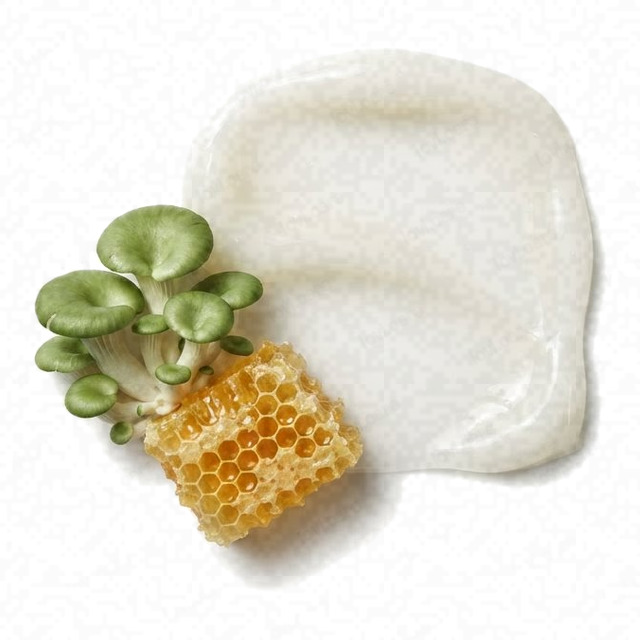 Panthenol
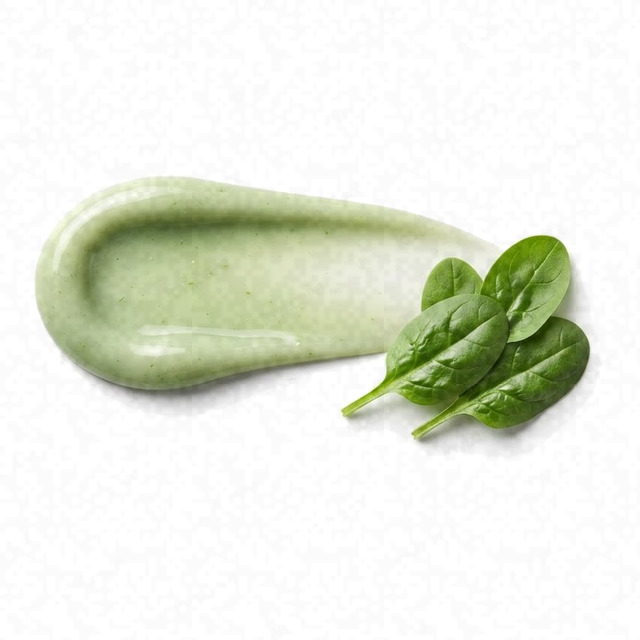 Spinach
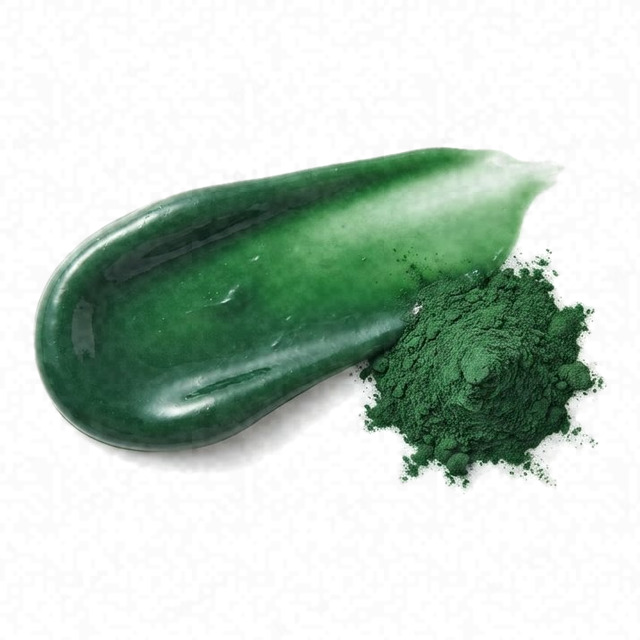 Spirulina Platensis Extract
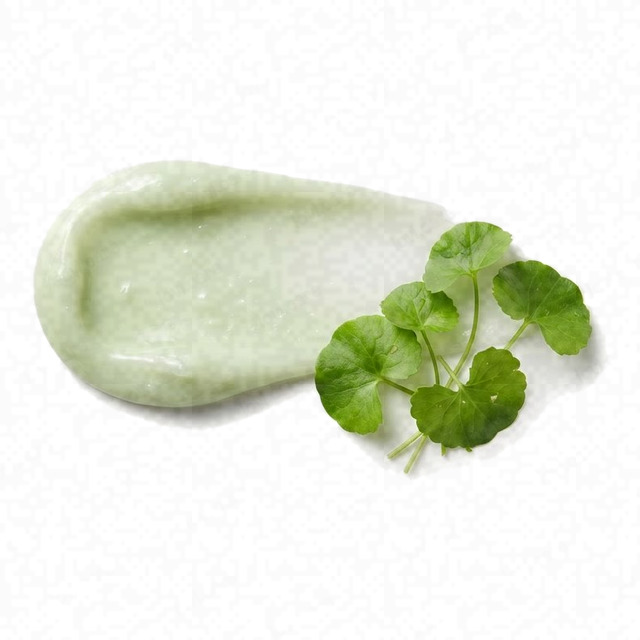 Centella Asiatica Extract
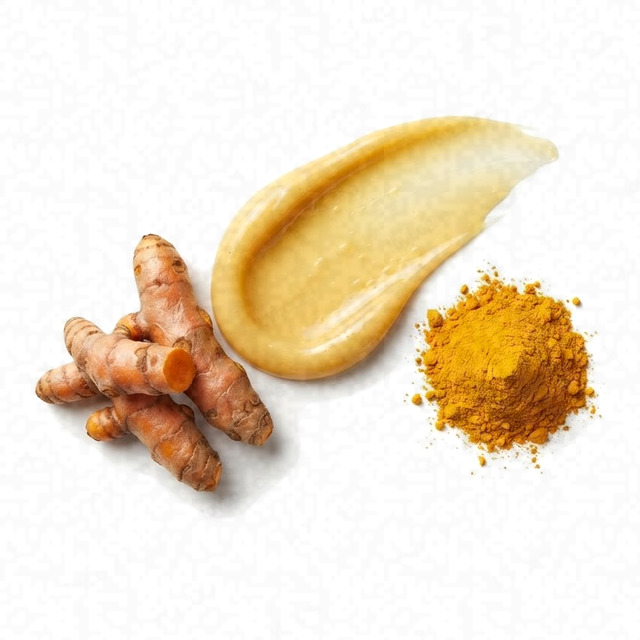 Curcuma Longa Root Extract
High
- HighOily Skin Fit
- AverageEffectiveness
- ExcellentSafety
A great choice for oily acne-prone skin; a few moisturizers fit it even better.
This fit is calculated for the concerns frequently associated with oily acne-prone skin: shine, breakouts, blemishes, and enlarged pores. For scores and recommendations based on your full skin profile, including your 12D face scan results and any goals or preferences you have, please use the Lovi app.
Page built Nov 8, 2026How the Fit score works
Lovi Assistant explains
- This cream offers high suitability for your oily skin, as Spirulina Platensis Extract and Artemisia Vulgaris Extract provide anti-inflammatory action and support skin barrier repair, which is beneficial for managing oiliness.
- While Centella Asiatica Extract and Artemisia Vulgaris Extract excel at soothing redness, their direct impact on active acne, blemishes, and breakouts is supportive rather than targeted.
- The product is safe for your skin, with no irritation risks due to the absence of harsh ingredients and the inclusion of soothing agents like Centella Asiatica Extract and Aloe Barbadensis Flower Extract.
How to apply
- Use this AM and PM routine every day to help clear your skin. Always remember to finish with SPF in the morning.
- Apply the moisturizer after your cleanser and toner, right before your SPF during the day.
- Gently press a small amount into your skin and avoid rubbing to keep pores clear.
- Apply on clean, slightly damp skin to help the product absorb better and control oil.
- Avoid the sensitive eye area and do a simple patch test before your first use.
People Say
★4.4Overall rating based on 700+ reviewsWhile many find it deeply hydrating without being heavy, a subset of users reported it was ineffective for their specific redness or caused mild irritation.
Highlights
Cooling lightweight texture Often Mentioned
- “jelly like texture”
- “incredibly cooling”
- “absorbs quickly without being greasy”
Hydrates skin well Often Mentioned
- “deeply hydrating”
- “leaves skin feeling very hydrated”
- “moisturizes skin for long-lasting hydration”
Immediate soothing effect Often Mentioned
- “calming my skin down immediately”
- “immediate relief for my red cheeks”
- “gentle sensation on the skin”
Reduces redness Often Mentioned
- “visibly see my extreme facial redness diminish”
- “neutralizing any redness”
- “redness is pretty much gone”
Small size for price Sometimes Noted
- “container is smaller than I expected”
- “expensive and small jar”
- “wish I got a little bit more”
Caused irritation Rarely Noted
- “made my redness worse”
- “break out from it”
Did not reduce redness Rarely Noted
- “Zero redness relief”
- “did nothing for my redness”
- “marketing buzz word”
Unpleasant scent Rarely Noted
- “Kind of a weird smell”
- “smell is off-putting”
Sources: lovi.care, walmart.com, ulta.com, target.com, reddit.com, youtube.com, and more
Questions and answers
What makes Peach Slices Redness Relief Calming Cream a great fit for oily acne-prone skin?
This cream is a great fit for your oily skin because Spirulina Platensis Extract and Artemisia Vulgaris Extract calm inflammation and repair your skin barrier, which helps manage oiliness. Centella Asiatica Extract and Aloe Barbadensis Flower Extract keep the formula very gentle and unlikely to cause irritation.
Which ingredients make this cream a good fit for oily acne-prone skin?
This cream is a great fit for your oily acne-prone skin because Spirulina Platensis Extract and Artemisia Vulgaris Extract calm inflammation and help repair your skin barrier to manage oiliness. Centella Asiatica Extract and Aloe Barbadensis Flower Extract also soothe redness safely without any harsh ingredients.
What does Panthenol do for oily acne-prone skin?
Panthenol helps regulate sebum, improves skin hydration, and reduces redness and irritation in oily acne-prone skin. It is well tolerated and may support barrier recovery without causing adverse reactions.
What does Spinach Extract do for oily acne-prone skin?
Spinach extract helps nourish oily, acne-prone skin with vitamins and antioxidants that calm irritation and support a clear, balanced look. It is lightweight and unlikely to clog pores, making it a great addition to your daily routine.
Where does this cream go in a skincare routine for oily acne-prone skin?
This moisturizing treatment goes in the morning routine after your hydrating toner and before sunscreen, and in the evening routine as the final step after your treatment. It is a great fit for your oily skin because ingredients like Spirulina Platensis Extract and Centella Asiatica Extract help calm redness and support barrier repair.
International Journal of Cosmetic Science, 2020Molecules, 2023
Can I use this cream with retinol, and in what order?
You can use this cream alongside retinol by applying the retinol first and following with the cream as your final step. Using a soothing moisturizer helps keep oily skin comfortable and is unlikely to cause irritation when combined with active treatments.
Journal of Drugs in Dermatology, 2023The Journal of Dermatological Treatment, 2016
How often should I use this cream?
You can use this moisturizing treatment daily to help manage oiliness and soothe redness, as its soothing ingredients and lack of harsh components make it very safe for your skin.
Can this cream clog pores, cause breakouts or purging for oily acne-prone skin?
This cream is unlikely to clog pores or cause breakouts for oily acne-prone skin, as it has a very safe profile with soothing ingredients like Centella Asiatica Extract and Aloe Barbadensis Flower Extract. It helps calm redness and supports skin barrier repair without harsh ingredients that trigger irritation.
Molecules, 2023Clinical, Cosmetic and Investigational Dermatology, 2019
Can I use this cream around the eyes or on my body?
This moisturizing treatment is well suited for your oily acne-prone skin on both the face and body, though the thin skin around the eyes may need extra care with rich creams. Its soothing extracts and gentle formula help calm redness and support your skin barrier without causing irritation. The product is unlikely to clog pores or trigger breakouts when applied carefully.
Molecules, 2023Clinical, Cosmetic and Investigational Dermatology, 2019
Is this cream fragrance-free and alcohol-free?
Yes, it has no fragrance and no drying alcohol.
What the research says
Spirulina platensis extract incorporated skin cream at 1.125% concentration enhanced wound healing and cell viability in HS2 keratinocyte cells without genotoxic effects on human peripheral blood cells.
Pharmaceutical Biology, 2017Co-delivery of paeonol and madecassoside via nanoemulsions improved transdermal delivery, promoted barrier repair proteins, inhibited inflammatory cytokine secretion in cellular and 3D models, and reduced transepidermal water loss and acne in human facial skin compared to free components.
Molecules, 2023Cosmetic formulations containing 5% Centella asiatica extract showed the best efficacy in improving skin moisture and decreasing transepidermal water loss, while also exhibiting antiinflammatory properties in 25 volunteers compared to baseline measurements.
Indian Journal of Pharmaceutical Sciences, 2016An anti-acne hydrogel containing Aloe barbadensis, Garcinia mangostana, and Camellia sinensis extracts showed superior antiacne and antiblotch activities compared to 1% clindamycin gel in sixty subjects with mild-moderate acne.
Clinical, Cosmetic and Investigational Dermatology, 2019A combination of Aloe barbadensis leaf extract and trimethylglycine in a 1:1 mass ratio synergistically increased aquaporin 3 expression by up to 380% in keratinocytes and safely improved skin hydration in healthy volunteers.
Molecules, 2024Topical dexpanthenol acts as a moisturizer, improves stratum corneum hydration, accelerates wound healing and epidermal regeneration, reduces erythema, and improves symptoms of skin irritation compared to vehicle or no pretreatment.
American Journal of Clinical Dermatology, 2002Moisturizer containing 5% panthenol, madecassoside, and copper-zinc-manganese decreased adverse reactions and downtime after ablative fractional carbon dioxide laser resurfacing with comparable efficacy to 0.02% triamcinolone acetonide cream in 20 subjects.
Journal of Cosmetic Dermatology, 2019Topical dexpanthenol formulated in lipophilic vehicles improved stratum corneum hydration and reduced transepidermal water loss compared to vehicle control in humans.
Arzneimittel-Forschung, 2000Spinacia oleracea extract loaded ultra-high pressure homogenized emulsion significantly decreased skin melanin, spot count, and spot percentage area while improving skin hydration in 13 healthy female volunteers over 12 weeks.
Journal of Cosmetic Dermatology, 2022Spinach thylakoid extracts protected human THP-1 cells against reactive oxygen species without cytotoxicity, provided synergetic UV protection when combined with sunscreen, and repaired UV damages on engineered human skin when mixed with a neutral cream.
Journal of Cosmetic Dermatology, 2019Topical and oral administration of natural antioxidant from spinach significantly reduces skin papilloma multiplicity in female hemizygous Tg.AC mice treated with 12-O-tetradecanoylphorbol-13-acetate (TPA) compared to the TPA-only control group.
Toxicology Letters, 2001Supplementation of a broad-spectrum sunscreen with Spirulina and dimethylmethoxy chromanol significantly improved skin pigmentation, reduced collagen degradation, and enhanced net elasticity in 44 healthy subjects after 84 days compared to sunscreen alone.
European Journal of Pharmaceutical Sciences, 2017Spirulina and its bioactive compounds provide antioxidant, anti-aging, and photoprotective benefits in cosmetic formulations by promoting skin hydration, reducing wrinkles, enhancing collagen production, and protecting skin cells from UV-induced apoptosis.
Biotech), 2025Topical application of a gel formulated with spray dried Spirulina protein and muscadine grape pomace polyphenol particles mitigated oxidative protein damage, inflammation, and skin barrier disruption in ex vivo human biopsies exposed to diesel engine exhaust.
Antioxidants, 2023Topical application of 0.05% w/w ECa 233 gel reduced erythema index by 0.03 U and improved early crusting and general wound appearance compared to placebo in thirty individuals undergoing facial laser resurfacing.
Journal of Alternative and Complementary Medicine, 2020A single application of a moisturizing fluid containing hyaluronic acid 1%, glycerin 5%, and Centella asiatica stem cells extract significantly increased skin hydration by 29% and reduced transepidermal water loss at 24 hours compared to baseline and an untreated control site in twenty healthy women.
Clinical, Cosmetic and Investigational Dermatology, 2017Topical treatment with 5% vitamin C and 0.1% madecassoside significantly improved clinical scores for wrinkles, suppleness, firmness, roughness, and skin hydration, along with functional and structural remodeling of the elastic fiber network in 20 female volunteers with photoaged skin after 6 months compared to baseline.
Experimental Dermatology, 2008Topical application of curcumin or turmeric treats various skin conditions by leveraging antioxidant, anti-inflammatory, and antimicrobial properties.
Skin Pharmacology and Physiology, 2023Topical formulations of curcumin target oxidative damage and inflammation to improve wound healing in animal models.
Drug Discovery Today, 2017A curcumin-loaded spanlastic anti-aging gel utilizing formula F5 incorporated into 2% HPMC E50 demonstrated sustained release action, compatibility, and the ability to penetrate skin layers to a depth of about 112.5 um without signs of irritation.
Saudi Pharmaceutical Journal, 2024
Ingredients
Water, Propanediol, Caprylic Capric Triglyceride, Glycerin, Butylene Glycol Dicaprylate Dicaprate, 1,2-Hexanediol, Hydrogenated Polydecene, Helianthus Annuus Seed Oil Sunflower Seed Oil, Polyglyceryl-3 Methylglucose Distearate, Panthenol, Jojoba Seed Oil, Spirulina Platensis Extract, Rhodomyrtus Tomentosa Fruit Extract, Artemisia Vulgaris Extract, Centella Asiatica Extract, Brassica Oleracea Italica Extract, Curcuma Longa Root Extract, Sodium Polyacryloyldimethyl Taurate, Sorbitan Olivate, Arginine, Melia Azadirachta Leaf Extract, Spinach Leaf Extract, Glyceryl Stearate, Sorbitan Sesquioleate, Butylene Glycol, Dextrin, Allantoin, Carthamus Tinctorius Flower Extract, Gardenia Florida Fruit Extract, Melia Azadirachta Flower Extract, Cetearyl Olivate, Carbomer, Coccinia Indica Fruit Extract, Solanum Melongena Fruit Extract, Aloe Barbadensis Flower Extract, Ocimum Sanctum Leaf Extract, Corallina Officinalis Extract, Caprylyl Glycol
Behind this fit score
Lovi calculates every fit score from the full ingredient list with brand-independent rules our dermatologists and cosmetic chemists build and review, and personalizes every pick with AI trained on the real results of millions of users. Lovi trains its fit score models on a proprietary dataset built from more than 10,000 expert-labeled products and more than 100,000 simulated examples, following an internally consistent methodology presented at Cosmoprof, AMWC, and Skin of Color Update.
-

Co-founder, Medical Director
Cosmetic chemist, cosmetologist, aesthetic products developer
-

Co-founder, CEO and CTO
PhD in computer science, 3x US patent holder, ex-Google, ex-Yandex
-

Dr. Sofía Perea Pérez, MD, MSc
Medical Board
Aesthetic medicine practitioner, MSc in Longevity and Anti-Aging Medicine
-

Medical Board
Specialist dermatologist, MBBS, MD, IFAAD
-

Medical Board
Cosmetic chemist, SCS, IFSCC member
-

Medical Board, Medical Advisor
Dermatology MD
-

Elina Nazarenko, MD
Medical Board
Dermatology and diagnostic consultant
-

Victoria Derkova, MS
Medical Board
Cosmetic chemist, cosmetic development technologist


How does it fit your skin?
Scan your face, then any product: Lovi shows how well it fits you and what fits even better.