Peach & Lily The Good Acids Pore Toner for dry sensitive skin

 Glycolic Acid
 Salicylic Acid
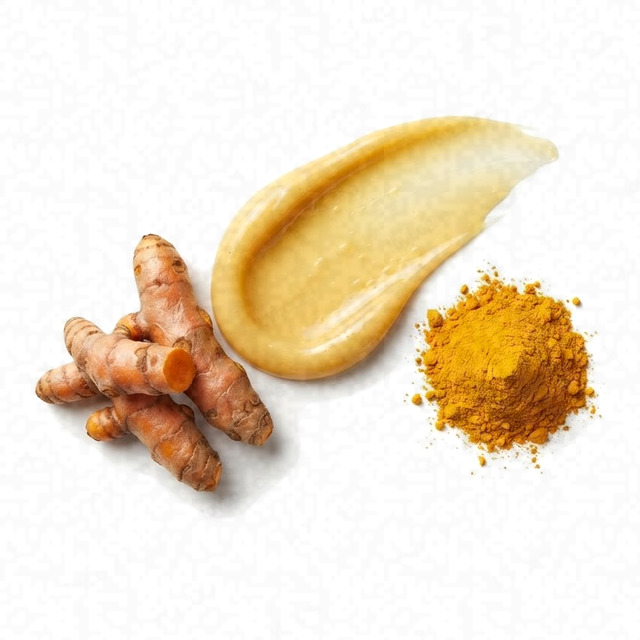 Curcuma Longa Extract
 Aloe Barbadensis Extract
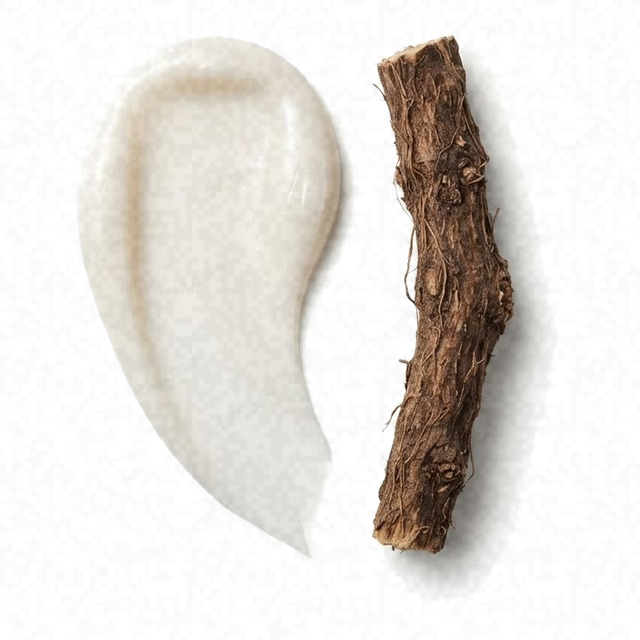 Allantoin
Average
- AverageDry Skin Fit
- AverageEffectiveness
- HighSafety
Works for dry sensitive skin; other toners fit it better.
- Clinical, Cosmetic and Investigational Dermatology, 2017
- International Journal of Cosmetic Science, 2024
This fit is calculated for the concerns frequently associated with dry sensitive skin: flakiness, tightness, redness, fine lines, and wrinkles. For scores and recommendations based on your full skin profile, including your 12D face scan results and any goals or preferences you have, please use the Lovi app.
Page built Nov 8, 2026How the Fit score works
Lovi Assistant explains
- Offers moderate exfoliation due to glycolic acid and salicylic acid, which aid in smoothing texture for your dry skin, while glycerin and allantoin provide hydration and soothing effects.
- The presence of humectants like glycerin and propanediol offers moderate suitability for dry skin, but the formula lacks sufficient emollient or occlusive ingredients to fully address dryness.
- The product has no risks of irritation for your dry and sensitive skin due to the absence of prohibited or harsh ingredients.
How to apply
- Use this exfoliating toner only in your PM routine, starting 1×/week since your skin is sensitive. Carefully build up frequency only if your skin feels comfortable.
- Apply the exfoliating toner after using your cleanser and before your final moisturizer. This ensures it works effectively on clean skin.
- Gently press 2-3 drops of the exfoliating toner into your skin using your hands. Avoid rubbing to prevent any irritation.
- Apply the exfoliating toner on completely dry skin to ensure better tolerance for your sensitive type. Let it absorb fully before moving to the next step.
- Do a patch test before your first use and avoid the delicate eye area. Keep this product separate from other strong acids or retinoids to protect your skin barrier.
People Say
★4.6Overall rating based on 2.0k+ reviewsBased on a very large amount of data, this toner is widely praised as a game-changer for sensitive and acne-prone skin, effectively refining pores and smoothing texture without harshness or drying effects. The majority of users report a noticeable glow and reduced breakouts, though a minority find it too gentle or consider the price point high for the quantity.
Highlights
Gentle exfoliation Mostly Mentioned
- “gentle enough for daily use”
- “doesn't dry out skin”
- “no stinging or burning”
- “great for sensitive skin”
Pore refinement Often Mentioned
- “pores look smaller”
- “minimized appearance of pores”
- “cleaned out my pores”
- “tightens pores visibly”
Smoother texture Often Mentioned
- “skin feels so soft”
- “makeup applies smoother”
- “got rid of texture”
- “bumps are gone”
Acne control Sometimes Noted
- “cleared up my acne”
- “fewer breakouts”
- “helped with hormonal acne”
- “calms active pimples”
Soothing and calming Sometimes Noted
- “reduced redness”
- “soothes inflammation”
- “feels refreshing”
High price point Sometimes Noted
- “a bit pricey”
- “expensive for a toner”
- “wish bottle was bigger”
- “wait for a sale”
Occasional irritation Rarely Noted
- “caused a breakout”
- “made skin red”
- “slight burning sensation”
- “skin felt sensitized”
Packaging issues Rarely Noted
- “hard to control amount”
- “dispenses too much liquid”
- “leaks a little”
- “glass bottle is heavy”
Too gentle Rarely Noted
- “didn't see a difference”
- “too weak for me”
- “wanted stronger exfoliation”
- “no results after a month”
Sources: lovi.care, ulta.com, influenster.com, peachandlily.com, target.com, and more
Questions and answers
How well does Peach & Lily The Good Acids Pore Toner work for dry sensitive skin?
Peach & Lily The Good Acids Pore Toner works moderately well for dry sensitive skin, smoothing texture with glycolic acid and salicylic acid while keeping the skin calm with glycerin and allantoin. Because it lacks richer softening and sealing ingredients, an exfoliating toner for this skin needs more heavy-duty moisturizing agents and protective sealants to fully lock in hydration and prevent dryness.
Which ingredients make this toner a good fit for dry sensitive skin?
Glycolic acid and salicylic acid smooth texture, while glycerin and allantoin provide hydration and soothing effects for dry sensitive skin. Because this toner lacks sufficient softening and sealing ingredients to fully lock in moisture, a product of this type needs richer moisturizing ingredients to fully address dryness.
What does Glycolic Acid do for dry sensitive skin?
Glycolic acid can be too harsh for dry sensitive skin and may cause irritation, so this skin type needs gentle calming ingredients and deeply nourishing moisturizers to keep the skin barrier safe and smooth.
Acta Dermato-venereologica, 1995The British Journal of Dermatology, 1997
What does Salicylic Acid do for dry sensitive skin?
Salicylic acid is generally a poor fit for dry, sensitive skin because it is designed to clear out pores by removing excess oil, which can easily leave dry skin irritated. A product of this type needs gentle exfoliating helpers paired with rich, soothing moisturizers and barrier-repairing ingredients to keep dry skin calm and comfortable.
Where does this toner go in a skincare routine for dry sensitive skin?
Start by using this exfoliating toner once a week in your routine, and only use it more often if your skin tolerates it well and shows good results. For dry sensitive skin, this type of product works best when paired with rich hydrating and soothing ingredients.
Can I use this toner with retinol, and in what order?
You can use this exfoliating toner with retinol by applying the toner first after cleansing, letting it absorb, and then following with your retinol treatment. Because your dry and sensitive skin needs extra care, this type of product works best when paired with rich creams containing heavy moisturizing oils and protective soft waxes to lock in hydration and prevent dryness.
How often should I use this toner?
Start using this exfoliating toner once a week, and if your dry sensitive skin tolerates it well and shows good results, you can carefully use it more often. This type of product needs extra moisturizing and softening ingredients to fully lock in hydration for dry skin.
Can this toner clog pores, cause breakouts or purging for dry sensitive skin?
This toner is unlikely to cause irritation for your dry sensitive skin due to the absence of harsh ingredients. To work best for this skin, a product of this type needs richer hydrating and softening ingredients to fully lock in moisture.
Is this toner fragrance-free and alcohol-free?
Yes, it has no fragrance and no drying alcohol.
What the research says
A single application of a moisturizing fluid containing hyaluronic acid 1%, glycerin 5%, and Centella asiatica stem cells extract significantly increased skin hydration by 29% and reduced transepidermal water loss at 24 hours compared to baseline and an untreated control site in twenty healthy women.
Clinical, Cosmetic and Investigational Dermatology, 2017Topical application of 1,3-propanediol at various concentrations, alone or combined with butylene glycol and/or glycerol, increased skin hydration and reduced trans epidermal water loss in 30 healthy female subjects over an 8-hour period, with the 15% concentration and the addition of glycerol providing greater benefits.
International Journal of Cosmetic Science, 2024Repeated short-contact 70% glycolic acid peels provided superior results in atrophic acne scars compared to daily low-strength glycolic acid cream or placebo in 58 women over 24 weeks.
International Journal of Dermatology, 2000Serial glycolic acid peels combined with a modified Kligman formula significantly reduced facial PIH severity in Indian patients compared to the modified Kligman formula alone.
Dermatologic Surgery, 2017Cryotherapy with liquid nitrogen achieved a higher cure rate (39%) than salicylic acid (24%) and a wait-and-see approach (16%) for cutaneous warts at 13 weeks in primary care patients.
CMAJ, 2010A moisturizer containing licochalcone A, 1,2-decanediol, L-carnitine, and salicylic acid significantly reduced noninflammatory, inflammatory, and total acne lesion counts compared to a vehicle control in Thai patients during a 12-week maintenance phase.
BioMed Research International, 2020Treatment with 2% supramolecular salicylic acid hydrogel resulted in a regression and markedly improvement rate of 51.01% compared to 43.10% for Adapaline gel in patients with mild to moderate facial acne vulgaris, showing no significant difference in efficacy.
Journal of Cosmetic Dermatology, 2024Topical application of curcumin or turmeric treats various skin conditions by leveraging antioxidant, anti-inflammatory, and antimicrobial properties.
Skin Pharmacology and Physiology, 2023Topical formulations of curcumin target oxidative damage and inflammation to improve wound healing in animal models.
Drug Discovery Today, 2017A curcumin-loaded spanlastic anti-aging gel utilizing formula F5 incorporated into 2% HPMC E50 demonstrated sustained release action, compatibility, and the ability to penetrate skin layers to a depth of about 112.5 um without signs of irritation.
Saudi Pharmaceutical Journal, 2024A cream combining propolis, tea tree oil, and Aloe vera reduced erythema scars, acne severity index, and total lesion count better than erythromycin cream in sixty patients with mild to moderate acne vulgaris compared to placebo.
Clinical Pharmacology, 2018Topical aloe vera gel significantly accelerated split-thickness skin graft donor-site healing compared to placebo in 12 patients, but showed no significant difference in pain relief.
Plastic and Reconstructive Surgery, 2018Topical application of Aloe vera cream reduced postoperative pain at rest and during defecation, accelerated wound healing at two weeks, and decreased analgesic requirements in patients after open hemorrhoidectomy compared to placebo.
Journal of Alternative and Complementary Medicine, 2010Topical gel containing chitosan, 0.2% chlorhexidine, allantoin and dexpanthenol did not improve postoperative comfort regarding swelling and pain, but improved the wound's aesthetic appearance following impacted lower third molar extraction compared to no gel.
Medicina Oral, Patologia Oral Y Cirugia Bucal, 2016A topical gel containing chitosan, chlorhexidine, allantoin, and dexpanthenol significantly reduced postoperative pain, trismus, swelling, and analgesic consumption, while improving wound healing after third molar surgery compared to a placebo.
Medicina Oral, Patologia Oral Y Cirugia Bucal, 2020An overnight patch containing Allium cepa extract and allantoin safely promotes scar healing after dermatologic surgery, resulting in significantly greater reductions in observer- and patient-assessed POSAS scores compared to no treatment.
Aesthetic Plastic Surgery, 2018
Why other toners fit dry sensitive skin better
Cosmetic formulations containing 5% Centella asiatica extract showed the best efficacy in improving skin moisture and decreasing transepidermal water loss, while also exhibiting antiinflammatory properties in 25 volunteers compared to baseline measurements.
Indian Journal of Pharmaceutical Sciences, 2016Topical application of a 6% green tea extract formulation increased skin moisture, enhanced skin elasticity, and improved skin microrelief by reducing roughness in 24 volunteers compared to vehicle and control over 30 days.
Dermatologic Therapy, 2013Co-delivery of paeonol and madecassoside via nanoemulsions improved transdermal delivery, promoted barrier repair proteins, inhibited inflammatory cytokine secretion in cellular and 3D models, and reduced transepidermal water loss and acne in human facial skin compared to free components.
Molecules, 2023
Ingredients
Water, Glycerin, Propanediol, 1,2-Hexanediol, Curcuma Longa Root Extract, Allantoin, Aloe Barbadensis Flower Extract, Glycolic Acid, Portulaca Oleracea Extract, Ocimum Sanctum Leaf Extract, Potassium Hydroxide, Butylene Glycol, Amino Esters-1, Solanum Melongena Fruit Extract, Coccinia Indica Fruit Extract, Lawsonia Inermis Extract, Melia Azadirachta Leaf Extract, Melia Azadirachta Flower Extract, Ethylhexylglycerin, Salicylic Acid, Corallina Officinalis Extract
Behind this fit score
Lovi calculates every fit score from the full ingredient list with brand-independent rules our dermatologists and cosmetic chemists build and review, and personalizes every pick with AI trained on the real results of millions of users. Lovi trains its fit score models on a proprietary dataset built from more than 10,000 expert-labeled products and more than 100,000 simulated examples, following an internally consistent methodology presented at Cosmoprof, AMWC, and Skin of Color Update.
-

Co-founder, Medical Director
Cosmetic chemist, cosmetologist, aesthetic products developer
-

Co-founder, CEO and CTO
PhD in computer science, 3x US patent holder, ex-Google, ex-Yandex
-

Dr. Sofía Perea Pérez, MD, MSc
Medical Board
Aesthetic medicine practitioner, MSc in Longevity and Anti-Aging Medicine
-

Medical Board
Specialist dermatologist, MBBS, MD, IFAAD
-

Medical Board
Cosmetic chemist, SCS, IFSCC member
-

Medical Board, Medical Advisor
Dermatology MD
-

Elina Nazarenko, MD
Medical Board
Dermatology and diagnostic consultant
-

Victoria Derkova, MS
Medical Board
Cosmetic chemist, cosmetic development technologist


How does it fit your skin?
Scan your face, then any product: Lovi shows how well it fits you and what fits even better.